MyHotips started because a lot of us were trying to build something online from a spare room, and selling things felt like the obvious next step, right up until we saw the list of platforms, fees and shipping options. The Money Growth side of the site is about income that lasts, and a simple shop you understand beats a clever one you cannot keep up with.
Selling Online covers every way to sell on the internet: your own shop, marketplaces such as eBay, Etsy and Vinted, print on demand, digital downloads and courses, and selling through social media. We start with the cheapest way to test an idea, then show you the platforms worth paying for once sales are real.

Related guide: Best ecommerce platforms for online stores
Quick Overview
In this guide:
This page is the map. Each article linked below goes into one piece in more detail.
Start Here
New here? These are the articles we would read first: picking a way to sell, then the platforms and the paperwork.
Ways to Start Selling
Physical Products
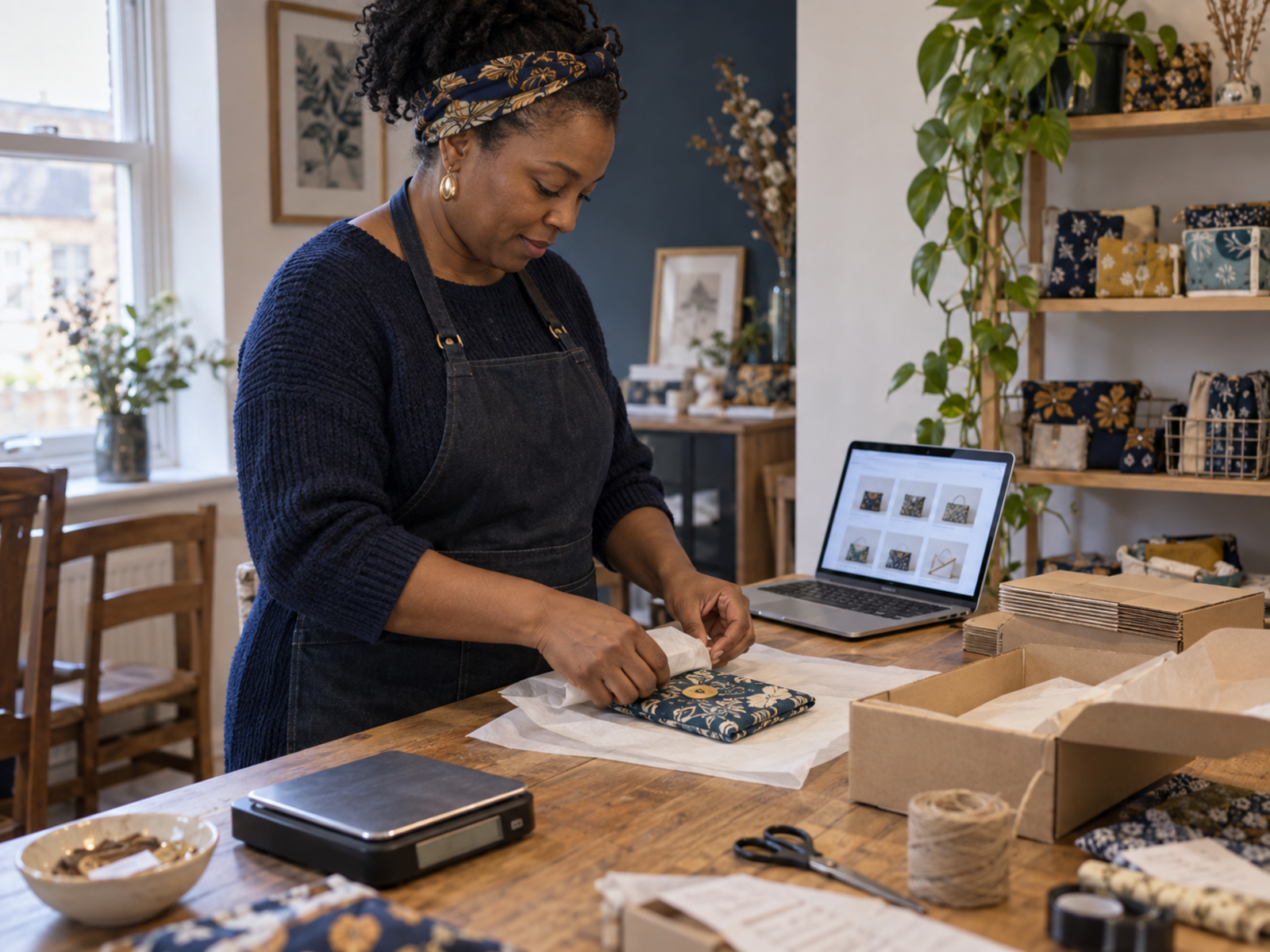
Handmade goods, crafts, clothing, preloved items or stock you buy in: if you can post it, you can sell it online.
Your shop or marketplace handles the payment. You handle the packing, posting and the odd return, so factor postage and packaging into your prices from day one.
Print on demand and dropshipping let you sell physical products without holding stock, in return for a smaller margin.
Digital Products
Digital products are made once and can be sold again and again, with no postage and no stock.
Popular examples:
Delivery is automatic, so a sale at 3am needs nothing from you.
Related guide: Building a digital-product side hustle with free tools

Memberships and Subscriptions
Some creators charge a small monthly fee for ongoing access: a private podcast, a community, monthly templates or regular lessons.
It gives you steadier income than one-off sales, but members expect something new regularly.
Start with what you can keep up on a busy month, not your most ambitious plan.

Mixing It Up
Many small businesses combine more than one approach over time.
For example:
Get one thing working first. Adding a second product is far easier once people already trust you.

Shop Platforms Worth Knowing About
Shopify
Shopify is one of the most popular ways to run your own online shop for physical products.
It handles payments, stock, shipping settings and your shop design in one place, with apps for almost everything else.
Full review: Shopify review
BigCommerce
BigCommerce suits shops with larger catalogues or plans to grow quickly, with more built-in features and fewer add-on apps.
It takes a little longer to set up than the simplest options.
Full comparison: Shopify vs BigCommerce

Podia
Podia is built for creators selling courses, downloads and memberships, rather than physical stock.
It keeps product delivery and payments simple, which suits people who would rather teach than tinker.
Full comparison: Systeme.io vs Podia
Systeme.io
Systeme.io combines product sales, simple funnels and email in one platform, with a free plan to start on.
It suits people selling digital products who want fewer separate tools and fewer monthly bills.
Full review: Systeme.io review

The Systems Around Your Shop
From Browsing to Buying
A simple path from first visit to checkout, sometimes called a funnel, helps more browsers become buyers.
Often it is just a helpful post, a clear product page and a smooth checkout.
Related guide: Best funnel builders for beginners

Bringing Customers Back
Repeat customers are usually cheaper to win than new ones. An email list lets you tell them about new products, restocks and offers.
Even a short monthly email can bring in steady sales.
Related guide: our Online Marketing guide
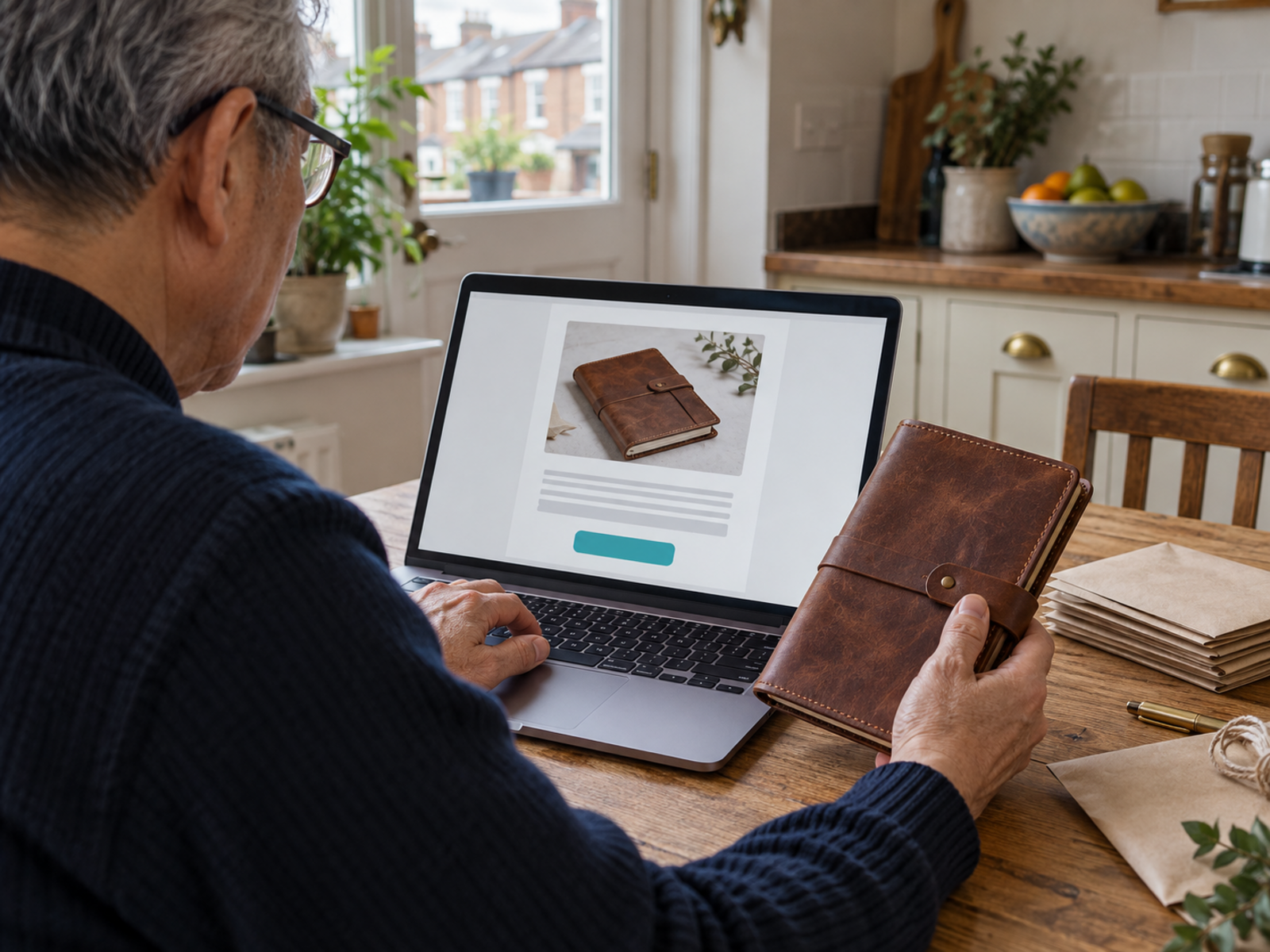
Orders That Run Themselves
Automatic order emails, instant download delivery and printed shipping labels save time on every single sale.
Related guide: Best shipping label printers for ecommerce
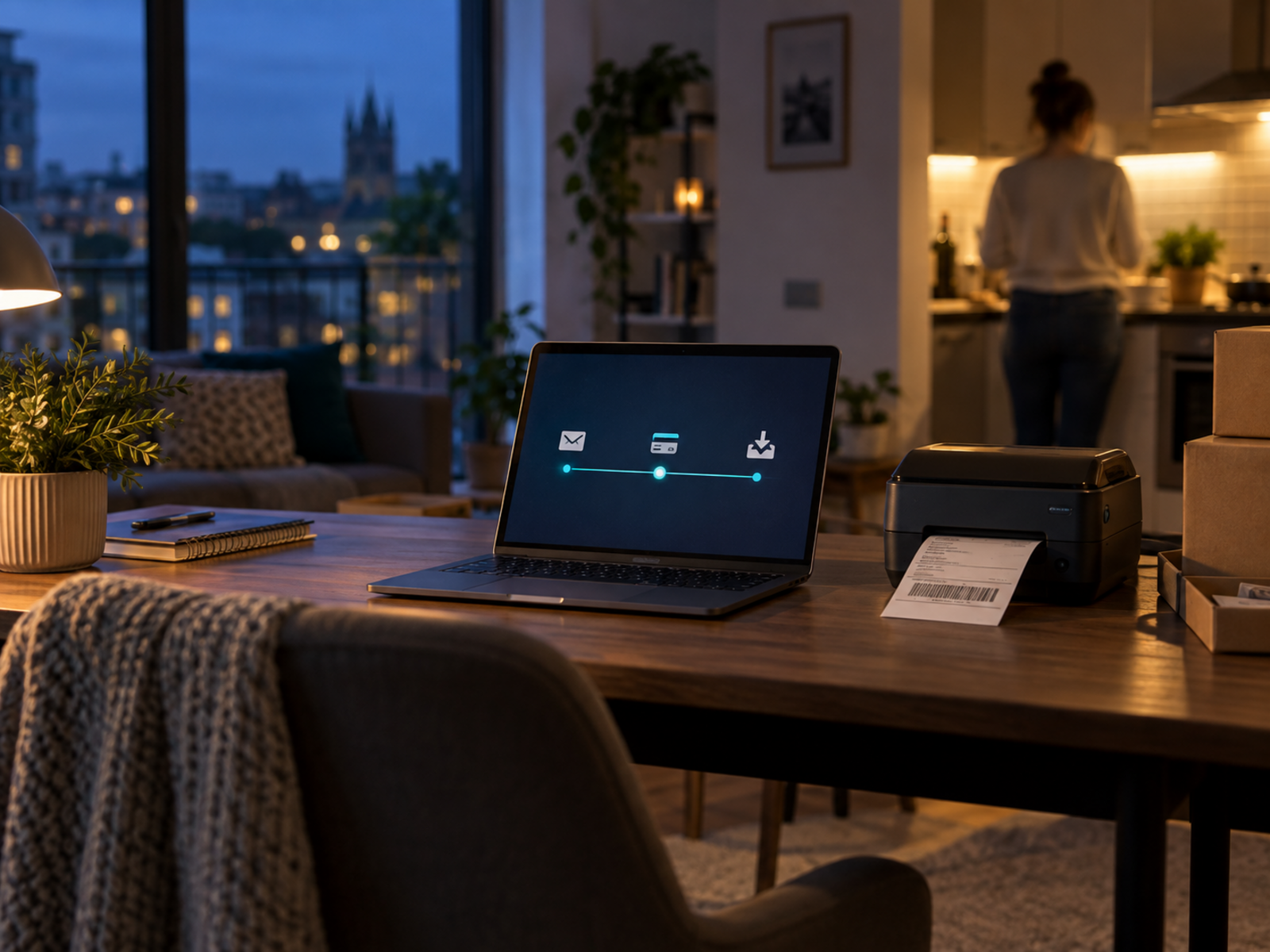
Being Found
Search, social media and marketplaces all bring shoppers in. Pick one or two channels and do them properly rather than trying to be everywhere.
Related guide: SEO explained

Marketplaces, Print on Demand and Social Selling
You do not need your own shop to start. Marketplaces such as eBay, Etsy and Vinted already have the shoppers, which makes them a cheap way to test whether people will buy. The trade-off is fees, rules that can change, and less control over how you look.
Print on demand lets you sell your designs on mugs, prints and clothing without holding stock, and social platforms such as TikTok Shop let people buy straight from a video. Both are worth testing, as long as you check the fees and returns rules first.
Related guide: Vinted vs eBay: fees, new rules and which suits UK sellers
Related guide: Redbubble vs Printify for a UK side hustle
The UK Tax Bit
If you are selling to make money, rather than clearing out your own unwanted things, HMRC may count it as trading. The trading allowance means small amounts of side income may not need reporting, but check the current limit and rules on GOV.UK.
Selling platforms now share some seller information with HMRC, so keep simple records of sales and costs from the start. It takes five minutes a week and saves a horrible January.
Related guide: The trading allowance: what it means for UK side hustlers
Final Thoughts
MyHotips started because building something online should be possible from a spare room, without a warehouse or a big budget. Selling Online is where we look at the platforms and habits that make that work.
Start by testing your idea somewhere cheap, such as a marketplace or a free plan. Once people are buying, move to the platform that gives you more control, and add automation to the jobs you repeat every day.
Keep an eye on fees, keep simple records, and remember that a small shop with happy repeat customers is worth more than a big one that wears you out.
FAQ
What does Selling Online cover?
Online shops, marketplaces, print on demand, digital products, memberships and social selling. Email and funnels live in Online Marketing, and websites and SEO in Websites & SEO.
What is the cheapest way to start selling online?
Usually a marketplace such as eBay, Etsy or Vinted, or a free plan on a digital product platform. You can test an idea before paying for your own shop.
Do I need my own website to start selling?
Not at first. Marketplaces and social platforms let you sell straight away. Your own shop gives you more control and lower fees per sale once you have regular customers.
Do I need to tell HMRC about my online sales?
It depends on whether you are trading and how much you earn. Check the trading allowance and HMRC guidance on GOV.UK, and keep records either way.