Put this into practice


Balanced Living · Toolkit guide
9 Gothic Dinner Table Ideas for a Practical Halloween Supper
Read guide

The modern workday looks very different from what it did just a decade ago. For many people, work now happens from a laptop in the living room, a desk in the spare bedroom, or a small workspace in the corner of the house. Technology has made it possible to build careers, businesses, and side hustles from almost anywhere.
But with this flexibility comes a new challenge. When work is always nearby, it becomes harder to switch off. Emails arrive at all hours. Tasks accumulate across multiple apps. The lines between work, personal life, and rest gradually blur together. Balanced living is not about perfect schedules or rigid routines. It is about creating systems that allow you to work effectively while still protecting your energy, attention, and wellbeing.
This guide explores practical strategies that help remote workers, freelancers, and entrepreneurs maintain balance while navigating digital work environments.
Related guide: Work‑life balance: what it really means

Quick Overview
In this guide you will learn:
Why Balance Feels Harder Than Ever
Work Is Always Accessible
Technology has made work incredibly portable.
Many people carry their office in their pocket through their smartphone. Emails, messages, and project updates are always accessible.
While this accessibility can improve productivity, it also means work can quietly extend into evenings and weekends.

Related guide: Digital boundaries for side hustlers and home workers
The Home Becomes the Office
Remote work removes the physical separation that once existed between professional and personal spaces.
Without clear boundaries, work tasks may slowly spread into areas that were previously reserved for relaxation.

Related guide: How to stop your home office taking over your home
Digital Overload
Online work often involves juggling many tools at once.
Email platforms, messaging apps, project boards, analytics dashboards, and social media feeds can all demand attention simultaneously.
This digital clutter contributes to mental fatigue.
Related guide: Digital clutter and mental load when working from home
Constant Notifications
Notifications may seem helpful, but when they appear constantly they fragment attention.
Even small interruptions can disrupt focus and increase stress levels.
Related guide: Notification burnout and how to take back your focus
The Foundation of Balanced Living
Balanced living begins with understanding that productivity and wellbeing are not opposing goals.
Many people assume that maintaining balance means working less or sacrificing ambition. In reality, balance often improves productivity because it allows the brain and body to recover properly.
When energy levels are stable and attention is protected, work tends to be more focused and effective.
Balanced living usually includes three key elements:
When these elements support each other, work becomes easier to manage.
Related guide: Mental load at work and home when everything blurs together
Habits That Support Balanced Living
Clear Work Boundaries
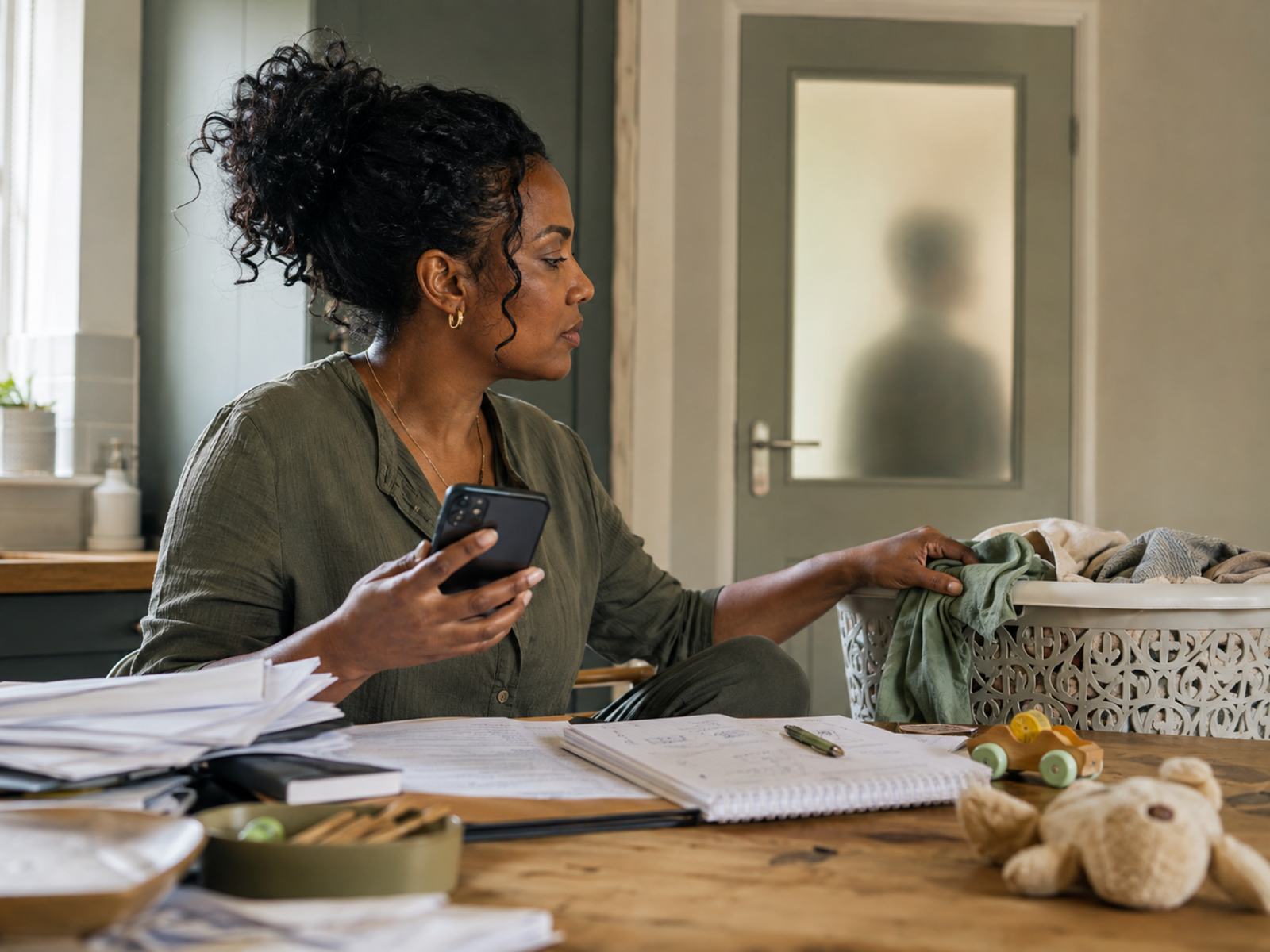
Establishing clear boundaries between work and personal time is one of the most important steps toward balance.
Examples include:
Helpful guide: Work‑from‑home boundaries that actually stick
Daily Reset Routines
Reset routines help the brain transition between work and personal life.
Ending the workday intentionally allows the mind to relax and recover.

Related guide: The best end‑of‑day reset for desk workers
Managing Energy Instead of Time
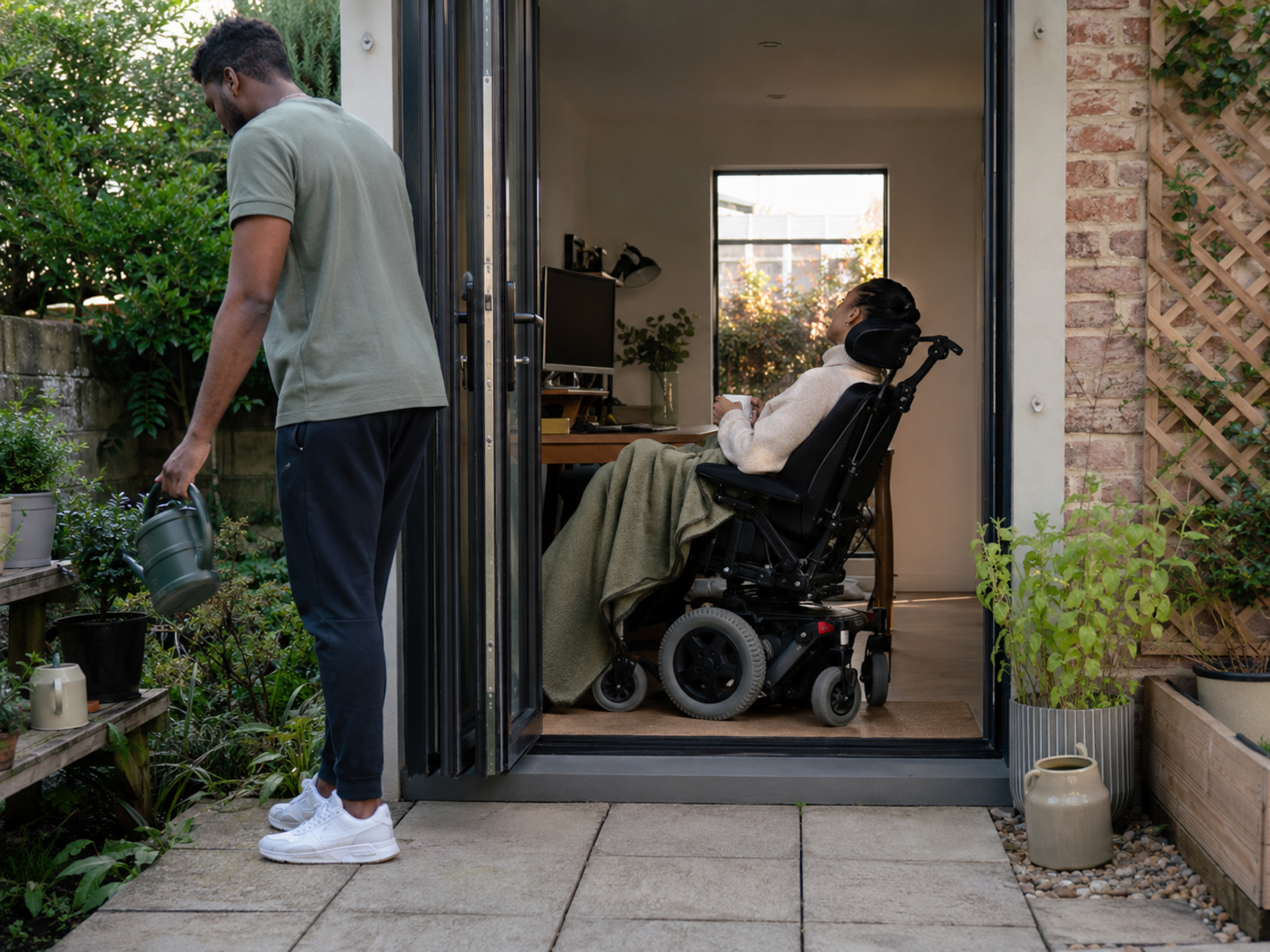
Balanced living often focuses on energy rather than strict time management.
Protecting energy means:
Related guide: Desk worker fatigue and how to fix your energy
Healthy Daily Habits
Simple habits such as movement, hydration, and balanced meals support long‑term wellbeing.
These habits may seem small but they accumulate over time.
Related guide: How to build a healthier work‑from‑home routine

Systems That Make Balance Easier
Automation
Automation tools can handle repetitive tasks that would otherwise consume mental energy.
For example, automated email systems can respond to routine messages without requiring constant attention.
Helpful guide: Email automation as a wellness tool
Simplified Workflows
When tasks are scattered across multiple systems, the brain must track many small responsibilities.
Organizing tasks into simple systems helps reduce mental clutter.
Related guide: Simple systems that make working from home feel lighter
Digital Focus Tools
Reducing digital interruptions helps preserve attention during important work.
Tools and habits that limit notifications can dramatically improve concentration.
Intentional Recovery
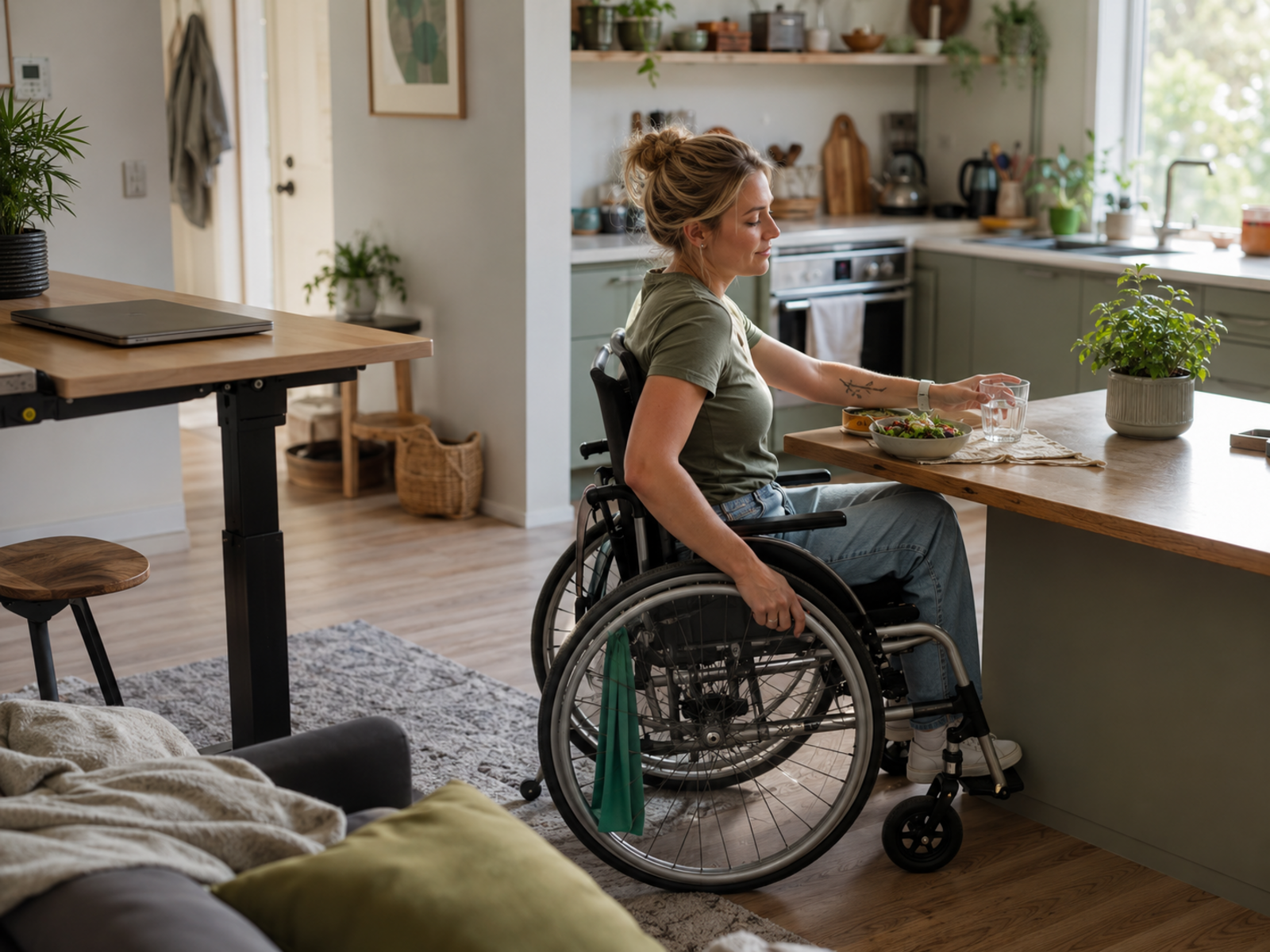
Balanced living also includes recovery periods.
Evenings and weekends should provide opportunities to disconnect from work and recharge.
Related guide: Weekend recovery for people who work too hard

Final Thoughts
Balanced living is not about eliminating work or avoiding ambition.
It is about creating a sustainable relationship with work that allows both productivity and wellbeing to coexist.
When digital boundaries are respected, routines are intentional, and recovery time is protected, work becomes easier to manage and life outside of work becomes richer.
For remote workers and entrepreneurs, balance is not something that appears automatically. It is something that is built gradually through habits and systems that support both success and health.
FAQ
What does balanced living actually mean?
Balanced living means managing work, rest, and personal time in a way that protects long‑term wellbeing.
Why is work‑life balance harder when working from home?
Remote work removes many natural boundaries that separate professional and personal life.
Can digital habits affect wellbeing?
Yes. Constant notifications, multitasking, and digital clutter can increase stress and fatigue.
What is the most important step toward balanced living?
Creating clear boundaries between work time and personal time is often the most important first step.