Many people assume that feeling tired during the workday is simply part of modern life. For remote workers, desk professionals, and people building businesses online, energy dips can become so common that they feel normal. Morning focus fades by midday, concentration drops during the afternoon, and by evening mental fatigue takes over. But this pattern is rarely inevitable.
Energy levels are influenced by daily habits such as movement, nutrition, sleep, hydration, and digital workload. Small changes in these areas can dramatically improve how your body and mind feel throughout the day. Everyday energy is about creating simple routines that support steady alertness without relying on extreme productivity strategies or constant caffeine.
This cornerstone guide introduces the key areas that influence daily energy and points you toward deeper articles within this section that explore each topic in detail.
Related guide: Desk worker fatigue and how to fix your energy
Quick Overview
In this section you will discover:
This page introduces the key ideas behind everyday energy. Each of the linked articles explores these topics more deeply.
Why Energy Drops During Desk Work
Long Periods of Sitting
Sitting for extended periods slows circulation and reduces muscle activity.
When the body remains inactive for long stretches, energy levels often drop.
Full guide: Sitting too long and its effects

Mental Fatigue
Desk jobs require sustained mental effort.
Activities such as writing, analyzing information, and attending meetings can exhaust cognitive resources even when physical movement is minimal.
Related guide: Why your desk job makes you tired even when you sit still

Digital Workload
Emails, notifications, and multiple online tools create constant mental demands.
The brain must repeatedly switch between tasks, which consumes energy.
Related guide: Digital clutter and mental load when working from home

Irregular Eating Patterns
Skipping meals or relying on sugary snacks can lead to unstable blood sugar levels.
This often results in mid‑day energy crashes.
Meal ideas: Healthy lunch ideas for busy work‑from‑home days

Key Habits That Support Everyday Energy
Regular Movement
Movement is one of the most powerful ways to maintain energy.
Even small actions such as stretching or standing periodically can increase circulation and improve alertness.
Movement ideas: Mini movement breaks for desk workers

Balanced Nutrition
Consistent meals with protein, healthy fats, and complex carbohydrates help maintain steady energy levels.
Avoiding large spikes and crashes in blood sugar can stabilize focus.
Snack ideas: Healthy snacks for work from home days

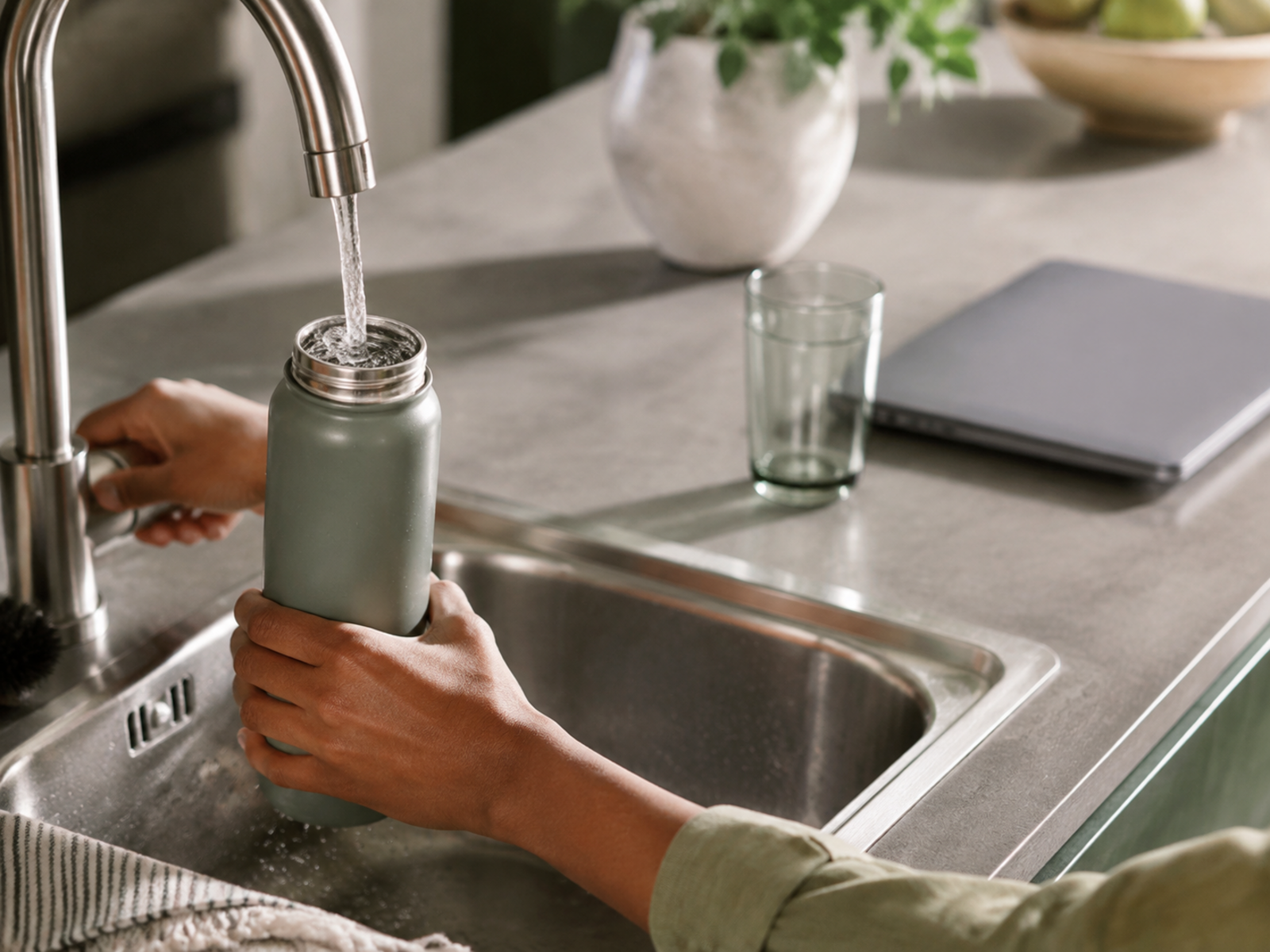
Hydration
Even mild dehydration can contribute to fatigue and headaches.
Maintaining consistent hydration throughout the day supports both cognitive and physical performance.
Product guide: Best water bottles with time markers
Recovery and Rest
Energy recovery is just as important as energy use.
Evening routines, breaks during the day, and sufficient sleep help maintain long‑term energy.
Related guide: How to wind down after a screen‑heavy day

Tools That Support Daily Energy
Fitness Tracking Devices
Fitness trackers can encourage regular movement and help monitor daily activity levels.
Product guide: Best smart watches for wellness tracking
Wellness Apps
Apps that track habits, hydration, or meditation can support healthier daily routines.
App guide: Best habit tracking apps for wellness
Movement Equipment
Some remote workers incorporate tools that make movement easier throughout the day.
Product guide: Best walking pads review
Nutrition Tools
Meal planning tools and simple food preparation systems help maintain stable energy.
Product guide: Best meal prep containers for work from home lunches
Final Thoughts
Maintaining everyday energy is not about constant motivation or extreme productivity strategies.
Instead, it is about supporting the body and mind through consistent habits.
Movement, nutrition, hydration, and digital balance all play important roles in how energy levels fluctuate throughout the day.
This guide introduces the key concepts behind everyday energy. The detailed articles in this section explore each of these topics further and provide practical steps for building healthier workdays.
FAQ
Why do desk workers often feel tired?
Desk work involves sustained mental effort and prolonged sitting, which can contribute to fatigue.
What is the fastest way to boost energy during the workday?
Movement, hydration, and brief breaks can quickly restore alertness.
Does nutrition affect workday energy?
Yes. Balanced meals and snacks help stabilize blood sugar and maintain focus.
Can simple habits improve energy long‑term?
Yes. Small daily habits often have the biggest impact on long‑term wellbeing.







