



Host a Virtual Halloween Party: Audio,…

20 Minimalist Halloween Nail Ideas for…

Can Free Affinity Help You Build…

12 Lower-Sugar Halloween Treat Swaps Worth…

Can Hostinger AI Builder Launch a…

A 5-Step Screen-Free Autumn Reading Ritual…

Plug-In Solar Panels UK: Are They…

15 Last-Minute Zoom Halloween Costumes for…

Meta One Explained: Is the Subscription…

10 Low-Fuss Dog Halloween Ideas: Comfort…

Plaud One Explained: Can AI Earbuds…

9 Gothic Dinner Table Ideas for…

Namecheap vs Dynadot

7 UK Ghost Tours and How…

Convertkit Vs Beehiiv

Do You Really Need a £420…

Bluehost vs Siteground

15 Gentle Spooky Autumn Books to…

Namecheap review

How to Remove Halloween Face Paint…
Most beginners choose Shopify first because it feels easier to launch. The setup is smoother, themes look polished quickly, and tutorials are everywhere. BigCommerce usually enters the conversation later, once product catalogues grow, SEO matters more, apps start stacking up, and store operations become more serious. Shopify wins on early simplicity. BigCommerce often becomes more appealing when built-in ecommerce depth matters more than quick setup.
Quick Overview
In this comparison you will learn:

Ecommerce platform comparison supporting online store growth workflows.
Helpful next reads: Ecommerce platforms explained
The Biggest Difference Between Shopify And BigCommerce
Shopify Prioritises Simplicity First
Shopify helps businesses launch stores quickly without heavy technical pressure. Product pages, hosting, checkout, themes, payments, and apps feel easier to understand during the early stages.

BigCommerce Prioritises Built-In Depth
BigCommerce appeals to stores wanting stronger native functionality, better SEO flexibility, lower app dependency, larger catalogue support, and deeper ecommerce infrastructure over time.

Shopify Feels More Beginner-Friendly
Beginners often feel comfortable inside Shopify faster because onboarding, dashboard navigation, and store setup feel more approachable.
BigCommerce Feels More Serious
Shopify vs BigCommerce comparisons become clearer once stores begin prioritising scalability, catalogue depth, and infrastructure over beginner convenience alone.
Online business systems supporting scalable ecommerce operations.
Simple Stores Can Become Complicated Later
A new store may only need products, payments, shipping settings, basic marketing, and simple inventory. Later, SEO becomes important, product catalogues expand, apps stack together, and customer communication becomes harder to manage. Shopify is not bad because this happens. It simply means early convenience can create trade-offs once operations become larger.

Explore more insights: Shopify review
Shopify Features
Store Setup Feels Fast
Shopify helps beginners launch functional stores quickly because hosting, payments, storefronts, themes, product pages, and checkout systems already connect together.

Ecommerce platform supporting beginner online store creation.
Themes Look Polished Quickly
Shopify themes help businesses create professional-looking storefronts without hiring developers immediately. That matters when first impressions influence buying confidence.

The Ecosystem Feels Mature
Shopify has a large ecosystem of apps, themes, payment tools, integrations, fulfilment options, and ecommerce services. That makes it easier to add features as needs change.
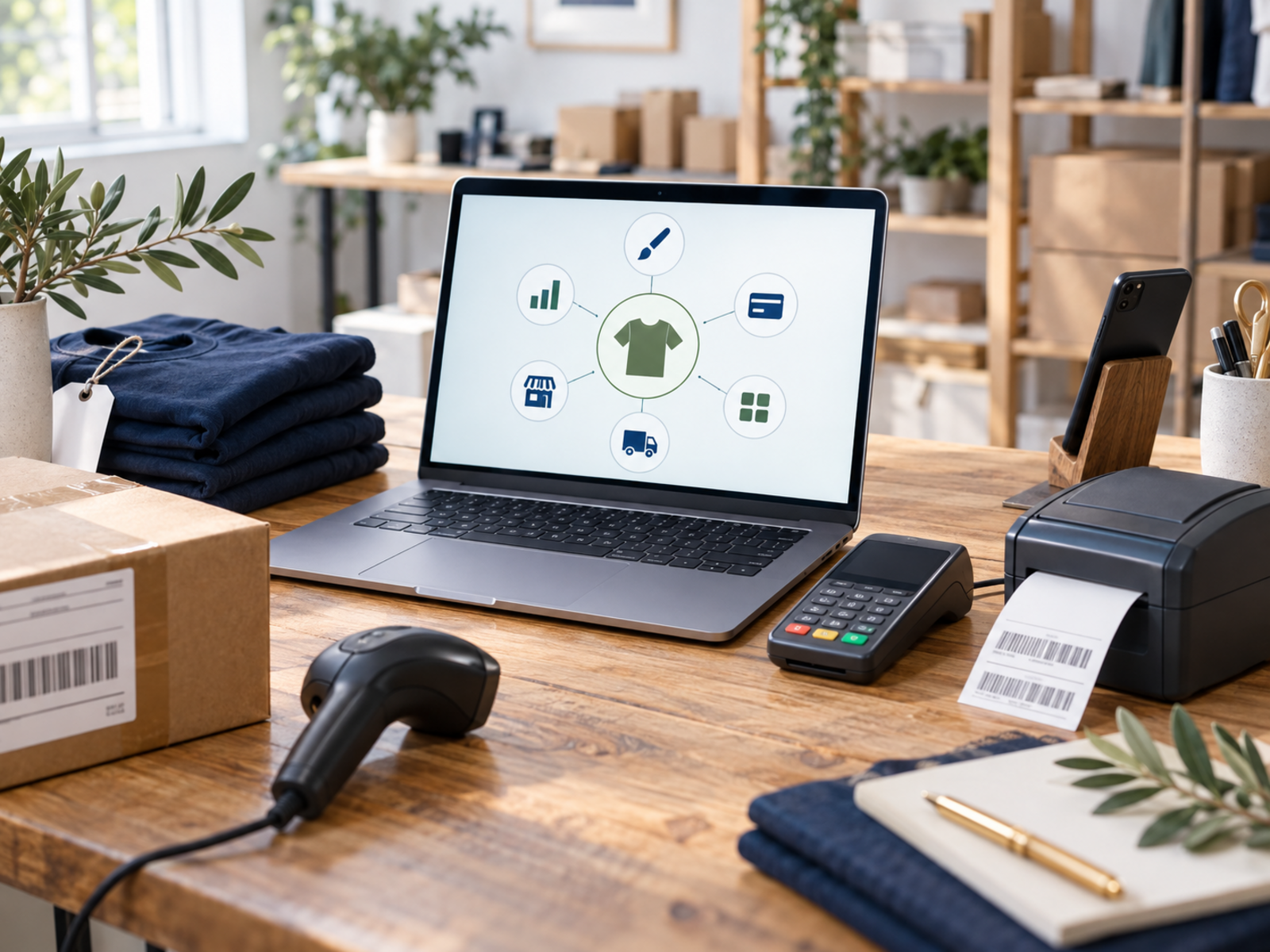
Simplicity Reduces Technical Stress
Store owners often prefer Shopify because reducing technical frustration feels valuable during already stressful business operations.

Online store system supporting ecommerce management and customer sales.
BigCommerce Features
Built-In Features Reduce App Dependence
BigCommerce includes stronger built-in ecommerce functionality than platforms that rely on extra subscriptions for advanced store features.

Ecommerce infrastructure supporting scalable online store workflows.
SEO Flexibility Feels Stronger
Stores often appreciate broader control over URLs, metadata, product indexing, store structure, and technical SEO settings.

Larger Catalogues Feel Easier Managing
BigCommerce suits stores handling larger inventories, broader product variations, complex categories, and more demanding ecommerce operations.

Multi-Channel Selling Feels Strong
BigCommerce becomes attractive when businesses want online storefronts, marketplaces, product feeds, and social sales channels working together more comfortably.

Ecommerce management system supporting scalable online business operations.
Operational Costs Matter More Than Subscription Prices
Monthly platform pricing only tells part of the story. A Shopify store may gradually need premium themes, paid apps, upsell tools, SEO add-ons, review widgets, and workflow integrations. Those extras can make the real cost feel very different from the starting price. BigCommerce often appeals to scaling stores because stronger built-in tools can reduce add-on dependency.
Frequently read together: BigCommerce review
Which Platform Fits Different Businesses Best?
Ecommerce Beginners
Shopify usually fits beginners wanting faster setup, easier onboarding, cleaner dashboard navigation, lower technical stress, and quicker store launching.
Growing Ecommerce Stores
BigCommerce strongly suits businesses expecting broader operational growth, larger catalogues, stronger SEO needs, and heavier infrastructure requirements over time.
Stores Prioritising Simplicity
Small shops can remain perfectly happy using Shopify because convenience still outweighs deeper infrastructure needs.

SEO-Focused Ecommerce Businesses
BigCommerce often makes more sense once businesses prioritise long-term scalability, technical flexibility, and infrastructure quality.

Ecommerce platform comparison supporting online business growth.
Pros And Cons Of Shopify And BigCommerce
Shopify Pros
Shopify Cons
BigCommerce Pros
BigCommerce Cons
FAQs
Is Shopify easier than BigCommerce?
Yes. Beginners usually find Shopify easier to understand and launch initially compared to BigCommerce.
Why do businesses move from Shopify to BigCommerce?
Stores often want stronger built-in functionality, broader scalability, lower app dependency, and better infrastructure for larger catalogues.
Which platform suits beginners best?
Shopify generally suits beginners better because onboarding and store setup feel simpler.
Is BigCommerce better for scaling stores?
BigCommerce often suits growing ecommerce businesses because the infrastructure feels stronger over time.
Which platform costs more over time?
Shopify stores can accumulate larger app-related costs, while BigCommerce reduces some external dependency through stronger built-in systems.
Final Verdict
Shopify remains extremely popular because it reduces ecommerce setup stress better than many competing systems. Beginners can launch faster, manage stores more comfortably at first, and avoid technical overwhelm during early business stages.
That simplicity genuinely matters.
BigCommerce becomes more attractive once ecommerce operations grow heavier. Apps multiply, costs expand, SEO flexibility matters more, and infrastructure becomes increasingly important. The better platform depends on whether the business values faster simplicity now or stronger built-in depth as the store grows.
Neither option is universally better. Shopify usually wins for ease. BigCommerce often wins for infrastructure.


