


Fitbit Edge vs Fitbit Air vs…

Autumn Comfort Food: How to Eat…

Soup Maker vs Saucepan: Which Suits…

The Best Lighting for Darker Autumn…

Create an Autumn Wind-Down Routine That…

Heated Throw vs Heated Blanket vs…

Autumn Sleep Reset: Light, Temperature and…

Dehumidifiers Explained: When Are They Actually…

A Realistic Autumn Walking Routine for…

Autumn Social Reset: Small Plans for…

Sekonda Smart Ring vs Oura Ring…

Make Your Home Cosier Without Turning…
Most smartwatch reviews focus on specs, apps and whether you can reply to messages from your wrist like a tiny exhausted spy. A better question is simpler: which wearable helps you notice the body signals your workday keeps making you ignore? The best smart watches for wellness tracking should help you understand sleep, stress, recovery, movement and energy without becoming another dashboard you feel behind on.
Choose wellness insight over gadget drama.
Match the wearable to your phone.
Prioritise sleep, recovery and comfort.
Pick fewer notifications, not more.
Use movement data as one signal.
Avoid turning your body into admin.
Most Relevant Audience
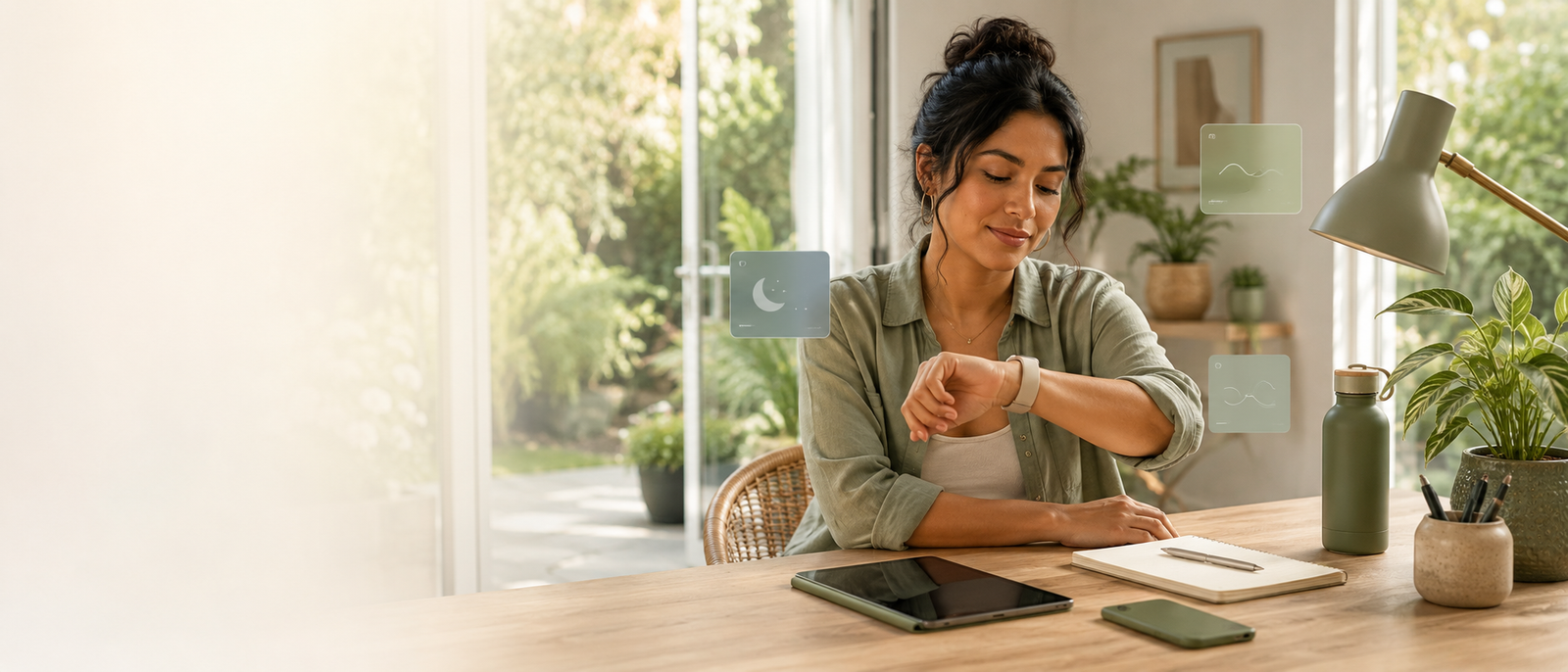
This article is for remote workers, home workers, desk workers, freelancers, bloggers, creators, side hustlers, parents, carers and small business owners who want better insight into sleep, movement, recovery, stress, heart health and daily energy. It is especially useful if late-night admin, school-run pressure, calls, deadlines and screen-heavy evenings affect your body before your brain admits anything is wrong.
What Wellness Tracking Actually Means
It connects body signals to work habits
Wellness tracking is useful when it helps you spot workday patterns. Poor sleep after late-night laptop time. Low movement during school-hour work sprints. Higher stress when calls stack up. The point is not collecting beautiful graphs. It is noticing how your routine affects the body that is expected to keep approving every calendar decision.
It should help with recovery first
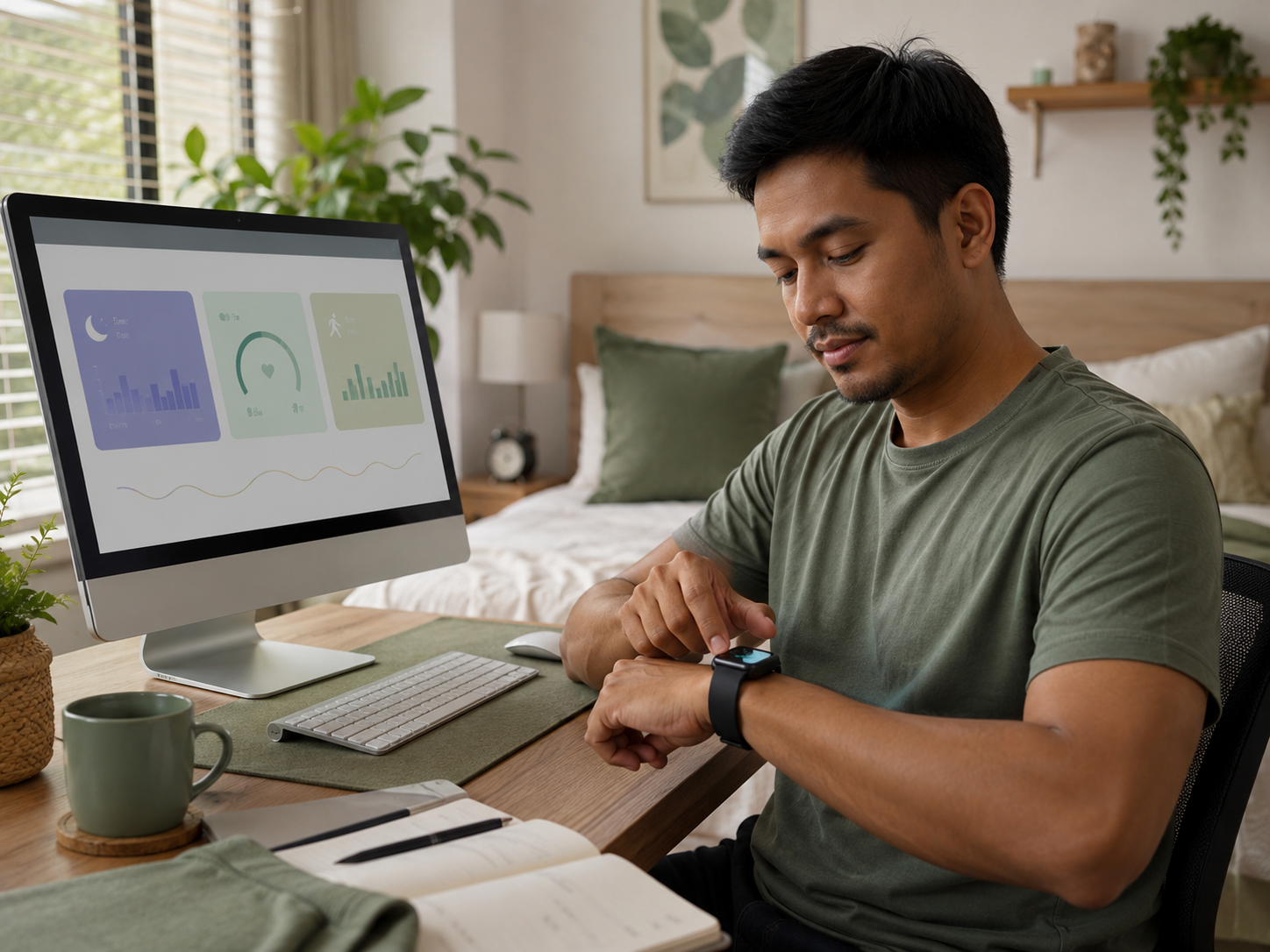
Recovery insight matters because tiredness often starts before the afternoon slump announces itself with snacks and despair. Sleep, strain, resting trends and energy signals can help you pace work more sensibly. This is the part that separates wellness tracking from simple step counting.
It should fit your phone and routine
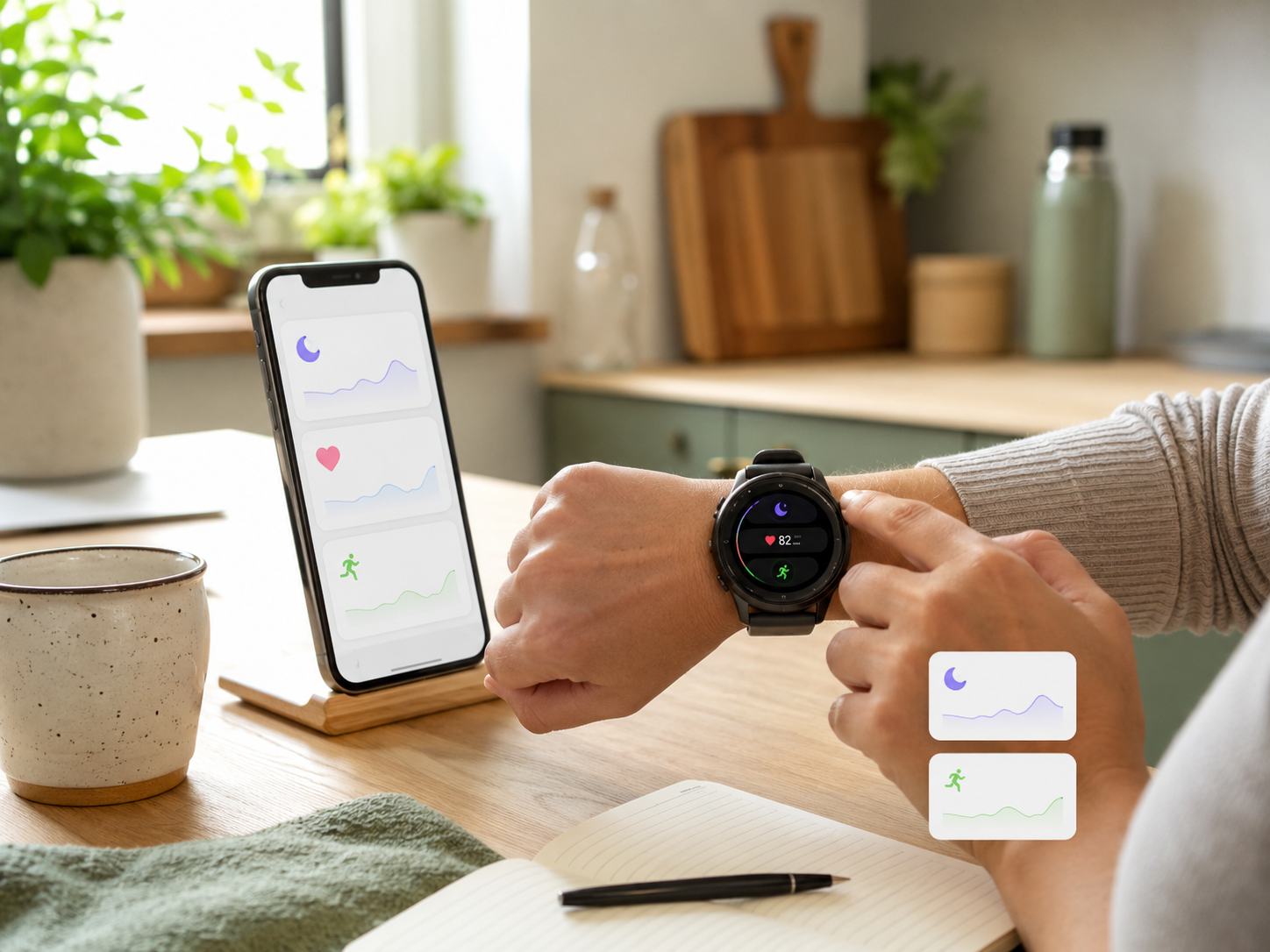
A wearable only helps if it fits your phone, charging habits, sleep comfort and daily routine. iPhone users may prefer Apple Watch. Android users may prefer Samsung. Someone who wants fewer screens may prefer WHOOP. A device that feels awkward, needy or incompatible becomes drawer jewellery.
It should reduce decisions
A good wellness wearable should make the day clearer, not louder. It can help you decide whether to walk, rest, start slower, sleep earlier or mute notifications. If it adds another set of numbers to manage, you have not bought wellness insight. You have hired a tiny wrist analyst.
The Wearable Categories Matter
This guide includes full smart watches, recovery-focused wearables and simpler trackers because wellness tracking is not only about apps on your wrist. Some readers want a phone companion. Others want sleep and recovery insight. Some just need basic movement and health signals without another screen joining the household.
Smartwatch vs Fitness Tracker vs Screen-Free Wearable
Choose a full smartwatch for daily convenience
Choose a full smartwatch if you want health tracking plus notifications, timers, apps, calls, music and everyday phone features. Apple Watch Series 11 and Samsung Galaxy Watch8 fit this role best for people who want a proper smartwatch. The trade-off is more screen presence, more alerts and more settings to tame.
Choose Garmin for calmer wellness depth
Garmin Venu 3 suits people who want wellness tracking, workouts, recovery awareness and stronger battery life without feeling as if their phone moved permanently onto their wrist. Choose Garmin if you care more about energy, rest and training balance than replying to every message from your arm.
Choose screen-free for recovery focus
WHOOP 5.0 is not a normal smartwatch because it has no traditional watch screen. It belongs here because it focuses on sleep, strain and recovery rather than apps and watch faces. Check the current membership-style pricing before choosing it, because the buying model is different from a one-off watch purchase.
Choose a simple tracker for lighter wellness tracking
Fitbit Charge 6 is better treated as a simple wellness tracker, not a full smartwatch competitor. It suits people who want steps, sleep, heart rate and basic health insight without a large watch. Choose it if you want fewer distractions and a lighter device.
Choose By Ecosystem And Attention Style
For iPhone users who want the richest smartwatch experience, Apple Watch Series 11 is the cleanest fit. Android users should compare Samsung Galaxy Watch8. Garmin Venu 3 suits recovery-aware users who want less app noise. WHOOP 5.0 is for screen-free recovery focus. Fitbit Charge 6 is the simpler alternative.
Best Smart Watches for Wellness Tracking
Make The Product Choice Obvious
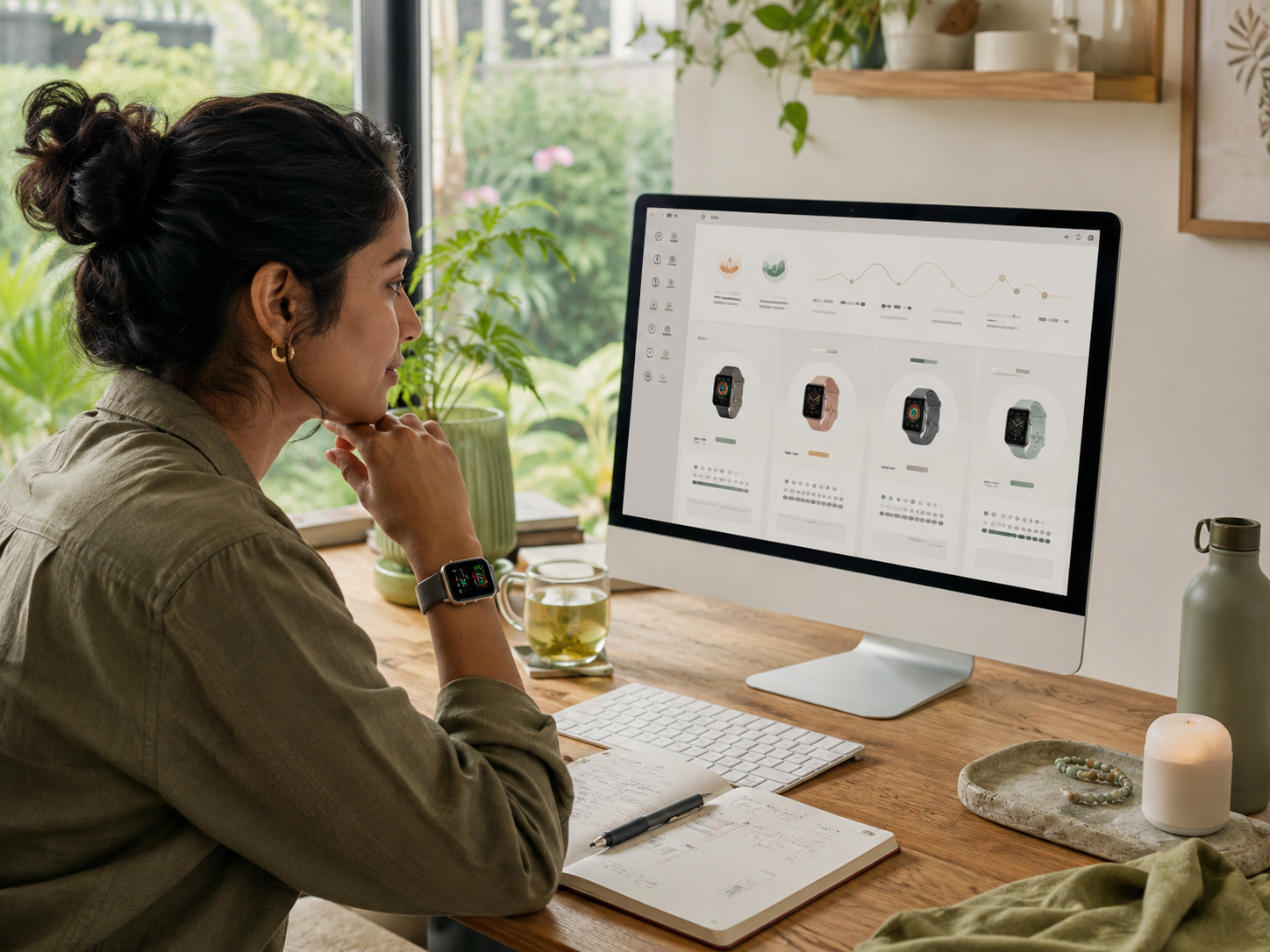
Choose Apple Watch if you want an iPhone smartwatch with health tracking. if you want an Android smartwatch with wellness features, choose Samsung . Choose Garmin if recovery, battery and less notification noise matter most, WHOOP if sleep and recovery are the point.If simple tracking is enough - choose Fitbit.
Sleep, Recovery And Readiness Tracking
Sleep tracking should change your evening
Sleep tracking is useful when it changes what you do before bed. If the watch keeps showing poor rest after late-night admin, scrolling or “just one more thing” work, that is the clue. The win is not knowing you slept badly. The win is adjusting the evening that keeps causing it.
Readiness works best as a trend
Readiness and recovery scores are most useful over time. One poor night does not mean your day is doomed. Repeated low recovery after stressful work blocks, illness, late screens or heavy exercise is more helpful. Look for patterns before allowing one number to boss your morning around.
Charging decides overnight tracking
Sleep tracking only works if the device is charged enough to wear overnight. Full smartwatches may need more charging attention than simpler trackers or recovery wearables. If you already resent cables, battery life should matter. A watch on the bedside table tracks absolutely nothing except your optimism.
Comfort matters in real homes
A wearable must be comfortable enough for sleep, chores, school runs, desk work and tired evenings. Bulky watches can annoy some people overnight. Smaller trackers may feel easier. Screen-free bands may suit others. The best wellness device is the one you forget you are wearing until the insight is useful.
Sleep Data Should Not Ruin The Morning
Sleep insight can help, but it should not make you feel defeated before breakfast. Use the information to adjust habits, not to catastrophise one rough night. Busy home workers already have enough morning drama without a watch announcing that Thursday may need emotional supervision.
Stress, Heart Health And Daily Energy
Stress tracking should show pressure points
Stress tracking helps when it reveals what drains you. School-run pressure followed by a client call. Three meetings without a break. A difficult email before dinner. The wearable cannot remove the pressure, but it may show when your day is costing more energy than you realised.
Heart health features need careful context
Heart-related features may include resting heart rate trends, heart-rate notifications, irregular rhythm alerts or ECG-style tools depending on the device, region and settings. Treat them as useful signals, not diagnosis. If readings worry you or symptoms appear, speak to a qualified health professional rather than letting your wrist cosplay as a doctor.
Energy tracking helps with pacing
Energy or body-battery-style insight can help you pace a messy day. If recovery is low, choose lighter tasks, fewer extras or an earlier finish where possible. Home workers often push through because the laptop is always nearby, quietly pretending that stopping is optional.
Notifications can raise stress
A wellness watch can make stress worse if every app shouts from your wrist. Mute aggressively. You probably do not need every email, delivery update, group chat and app badge joining your nervous system. Fewer notifications can be one of the healthiest smartwatch settings.
Wellness Tracking Is Also Boundary Tracking
A good wearable can show when work habits are affecting your body. Poor sleep, rising stress, low movement and tired afternoons are not random background noise. They are feedback. The useful part is noticing the pattern early enough to change one small thing.
Movement, Step Goals And Desk Worker Motivation
Step goals should respect desk-heavy days
Step goals can help desk workers notice long sitting stretches, but they should match real life. School-hour work sprints, deadlines and back-to-back calls may not allow perfect movement. A realistic target that nudges short walks is better than a heroic number you resent before lunch.
Movement prompts should create small breaks
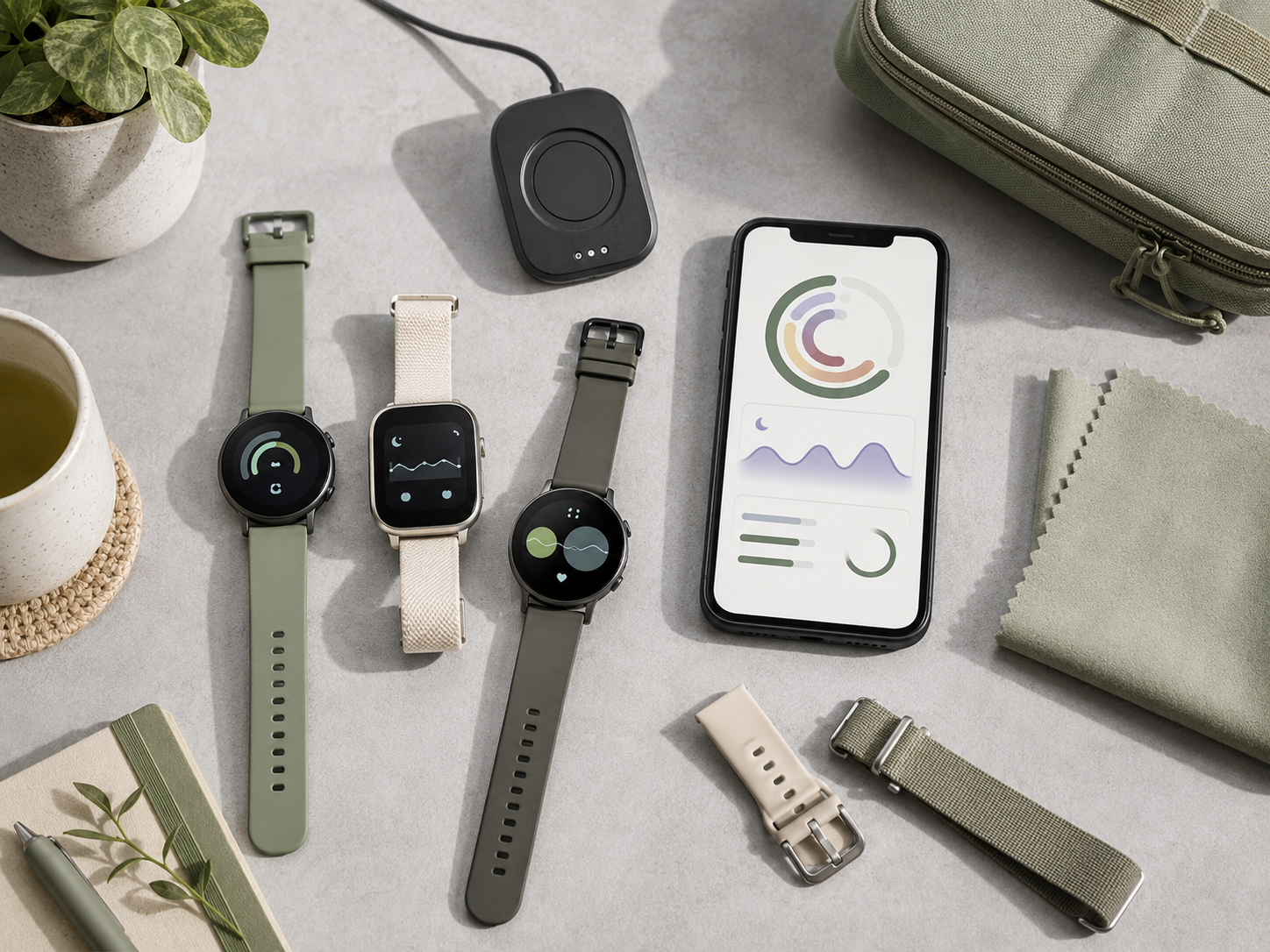
Movement prompts are useful when they create tiny resets. Stand after a writing block. Walk during a call. Stretch between admin tasks. The point is not athletic reinvention. It is interrupting long sitting before your body starts sending complaints through your lower back.
Low movement is useful information
Low movement during busy weeks is not a character flaw. It is information about how your workday is structured. If your tracker shows barely any steps until school pick-up, the answer may be a morning walk, standing call or small movement break, not shame in graph form.
Motivation style matters
Some people like rings, streaks and badges. Others prefer calm progress and fewer prompts. Apple and Samsung can feel more goal-driven. Garmin, Fitbit and WHOOP may suit different personalities. Choose the nudge you will accept on a messy Wednesday.
This Article Is Not About Motivation First
This guide is not mainly about forcing more steps. It is about wellness insight: sleep, recovery, stress, heart signals, energy and the way desk-heavy routines affect your body. Movement matters, but it is only one part of the wearable decision.
Common Wellness Watch Mistakes
Over-reading one bad score
One bad sleep score, stress reading or low recovery day should not take over your mood. Look for repeated patterns instead. A wearable is helpful when it shows trends. It becomes less helpful when one number turns breakfast into a personal inquiry.
Tracking what you will not use
Tracking everything sounds impressive until it becomes noise. Pick a few useful signals: sleep, movement, recovery, stress or heart trends. Ignore the rest until it becomes relevant. Your body is not asking for a spreadsheet with a strap.
Buying features you will ignore
It is easy to buy the most advanced watch and use only sleep, steps and timers. That is not failure, but it may be overspending. Choose features you will use during normal workdays, not the ones that sound impressive while shopping.
Ignoring compatibility, comfort and cost
Phone compatibility, wrist comfort, charging habits and subscription costs all matter. Apple suits iPhone users. Samsung suits Android users. WHOOP has a different membership-style model. A wearable should fit your life before it starts telling you how to improve it.
FAQ
What is the best smartwatch for wellness tracking?
The best smartwatch for wellness tracking depends on your phone and goals. Apple Watch Series 11 is the strongest iPhone smartwatch pick, Samsung Galaxy Watch8 is the best Android smartwatch option, Garmin Venu 3 suits recovery-aware wellness tracking, WHOOP 5.0 suits screen-free recovery insight, and Fitbit Charge 6 is best for simpler tracking.
Is Garmin better than Apple Watch for wellness tracking?
Garmin may be better if you want recovery-aware tracking, longer battery life and less app-heavy smartwatch behaviour. Apple Watch may be better if you use an iPhone and want stronger smartwatch features alongside health tracking. Choose Apple for phone-on-wrist convenience and Garmin for calmer wellness depth.
Is WHOOP worth it for sleep and recovery?
WHOOP 5.0 may be worth it if you care deeply about sleep, strain and recovery and like screen-free tracking. It is less suitable if you want a traditional watch face, apps or a simple one-time purchase without a membership-style commitment.
Is Fitbit Charge 6 good for wellness tracking?
Fitbit Charge 6 is good for everyday wellness tracking if you want a simpler device for steps, sleep, heart rate and basic health habits. It is not a full smartwatch, but that can be an advantage if you want fewer distractions and a lighter wearable.
What smartwatch is best for desk workers?
For desk workers, the best smartwatch is one that helps with sleep patterns, movement reminders, stress awareness and daily energy without becoming distracting. Apple Watch Series 11 suits iPhone users, Samsung Galaxy Watch8 suits Android users, and Garmin Venu 3 suits people who want recovery-aware wellness insight.
Do wellness trackers actually help you feel healthier?
Wellness trackers can help if they turn patterns into small behaviour changes. They are useful for noticing poor sleep, low movement, stress build-up and recovery dips. They are less useful if you only collect scores without changing anything about your routine.
Final Verdict
The best smart watches for wellness tracking are not the ones that track every atom of your existence. They are the ones that help you understand sleep, stress, recovery, movement and daily energy without turning your body into another dashboard.
Choose Apple Watch Series 11 for iPhone smartwatch depth, Samsung Galaxy Watch8 for Android smartwatch wellness tracking, Garmin Venu 3 for recovery-aware insight, WHOOP 5.0 for screen-free sleep and recovery focus, and Fitbit Charge 6 for simple everyday tracking. The right wearable should fit your phone, your attention span and the body signals your workday keeps making you ignore.