




Host a Virtual Halloween Party: Audio,…

The Calm Autumn Reset: 10 Small…

Can Free Affinity Help You Build…

The Best Lighting for Darker Autumn…

Can Hostinger AI Builder Launch a…

Create an Autumn Wind-Down Routine That…

Plug-In Solar Panels UK: Are They…

Heated Throw vs Heated Blanket vs…

Meta One Explained: Is the Subscription…

Autumn Sleep Reset: Light, Temperature and…

Plaud One Explained: Can AI Earbuds…

The Best Ways to Dry Washing…

Namecheap vs Dynadot

Dehumidifiers Explained: When Are They Actually…

Convertkit Vs Beehiiv

A Realistic Autumn Walking Routine for…

Bluehost vs Siteground

Autumn Social Reset: Small Plans for…

Namecheap review

Sekonda Smart Ring vs Oura Ring…
You wake up tired, check your sleep score and immediately have another number to worry about. Anti-optimisation wellness asks a simpler question: could your surroundings help without measuring you? Sunrise lamps offer one practical example, gradually introducing light around waking time. Here is what they can do, what they cannot promise and whether the £255 Tala Wake deserves a place beside your bed.
Quick Overview
- Anti-optimisation means reducing unnecessary measurement, not abandoning useful healthcare.
- A sunrise lamp changes the bedroom environment rather than scoring your sleep.
- Tala Wake was listed at £255 and Lumie Bodyclock Glow 150 at £119 on 26 September 2026.
- Tala offers on-device controls; its app is still needed for software updates.
- A sunrise alarm is not interchangeable with a medical light-therapy lamp.
- Start with a consistent routine and less bedtime scrolling before buying anything.
Why Wellness Without More Tracking Is Getting Attention
When Helpful Data Becomes Another Task
A sleep score can be useful when it reveals a pattern you would otherwise miss. It can also become one more thing to check before deciding how you feel. If every morning starts with an assessment of last night's performance, the device may be adding friction to a routine that was supposed to feel easier.
A Vogue Business article published on 11 September 2026 explored wellness brands offering alternatives to constant tracking and optimisation. That is evidence of a conversation gaining attention, not proof that everybody is abandoning wearables. The useful idea is permission to choose how much information you want.
A Bedroom That Does Less
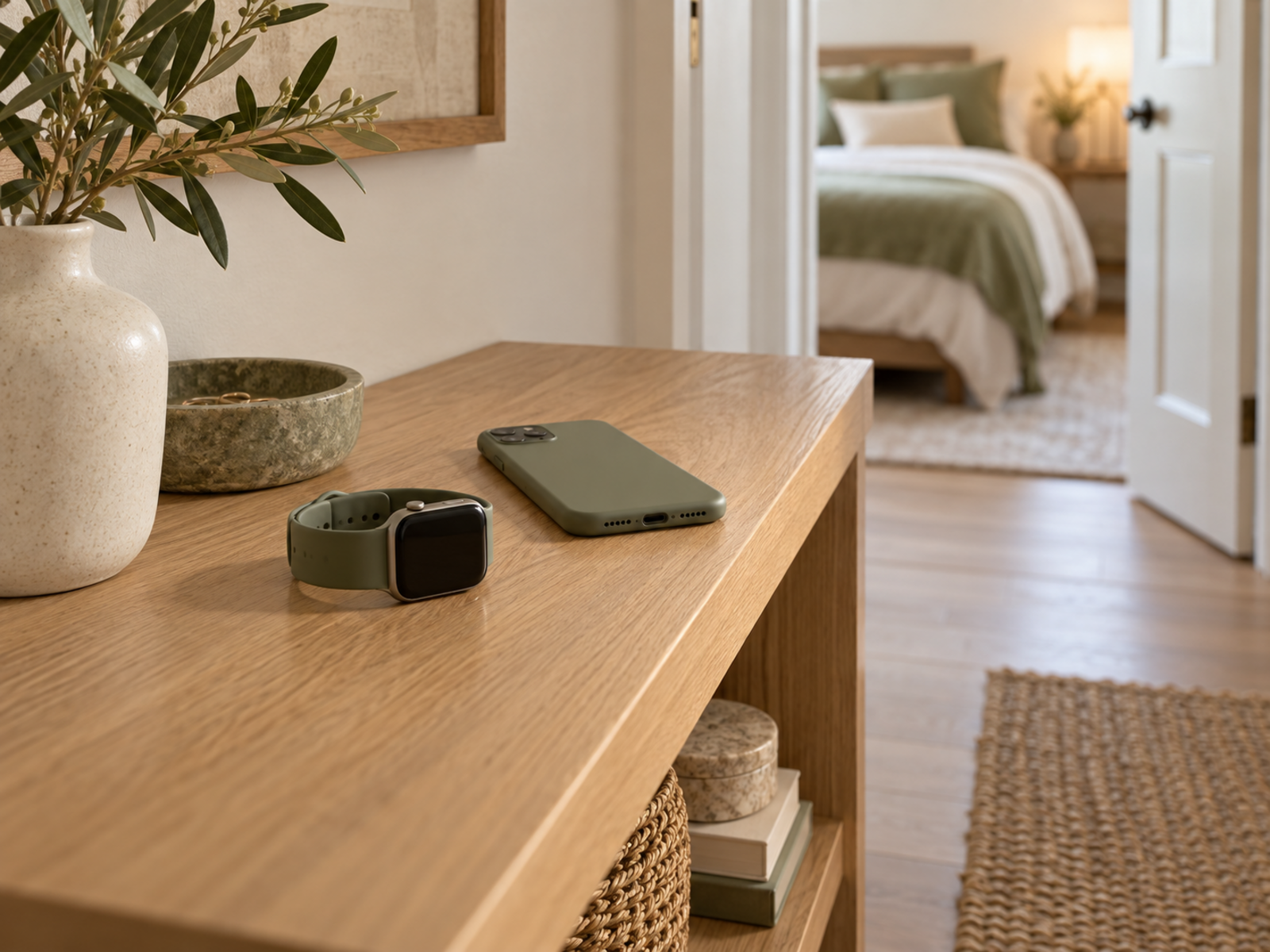
A light, a familiar wake-up time and somewhere else to charge your phone are understandable changes. They do not ask you to interpret a dashboard. In autumn, a gradual light can also make a dark bedroom feel less abrupt when the alarm sounds.
The aim should be a routine you can live with, rather than a perfectly optimised bedroom. You can keep a tracker if it helps and stop consulting it every morning. Buying a new lamp is optional; removing an unwanted habit may be the more valuable first step.
What Sunrise Lighting Can Realistically Do
A Gradual Cue For The Morning
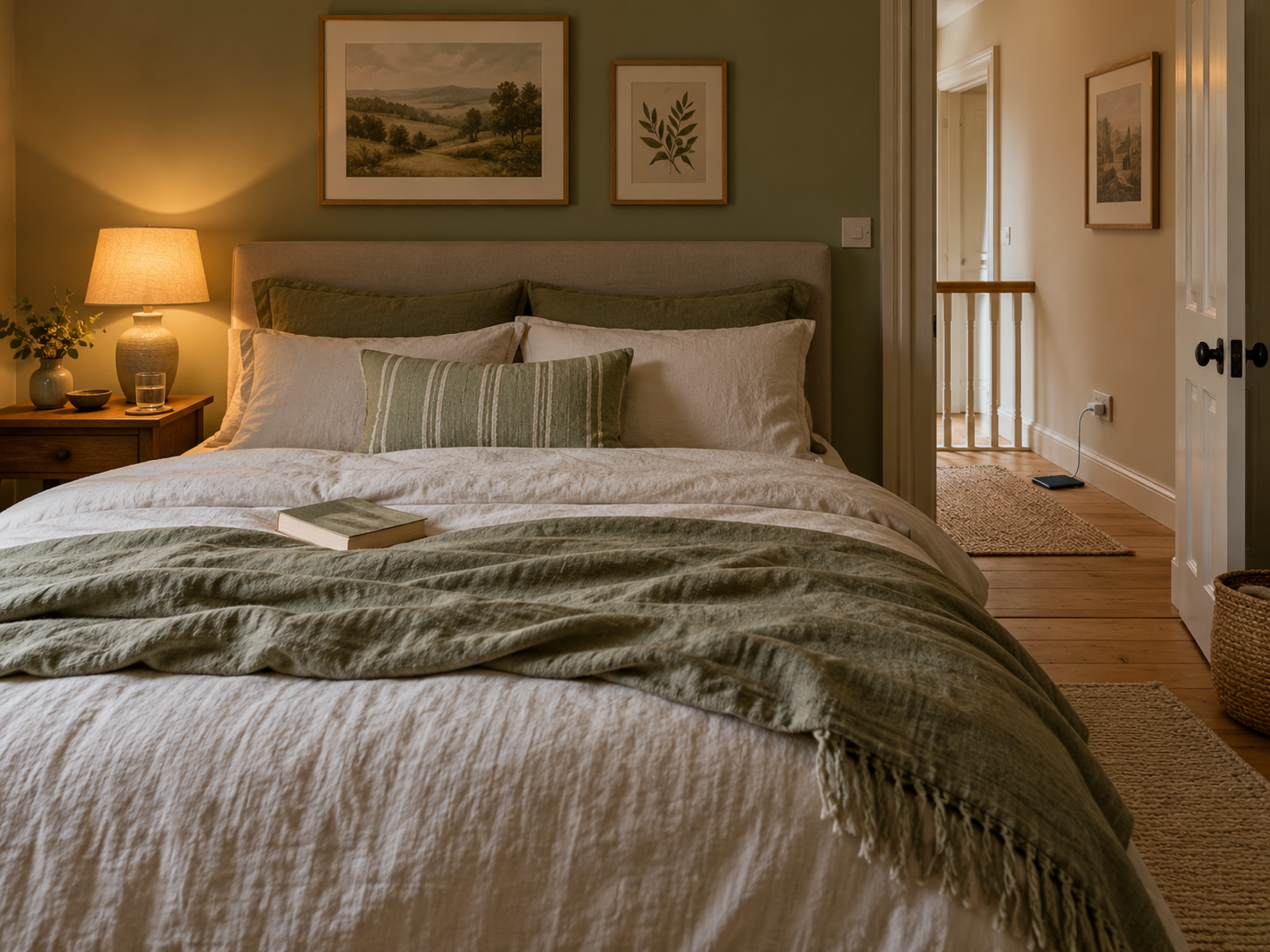
A sunrise alarm introduces light before your chosen waking time, sometimes followed by sound. The practical attraction is a gentler transition from a dark room. Light is relevant to the body's daily rhythms, but that does not mean every product marketed as circadian lighting has demonstrated the same benefits.
Brightness, timing, room layout and your own response all matter. Treat the lamp as a routine aid rather than a guarantee of refreshed mornings. Keep a dependable backup alarm while you learn whether the light actually wakes you.
A Clearer End To The Evening
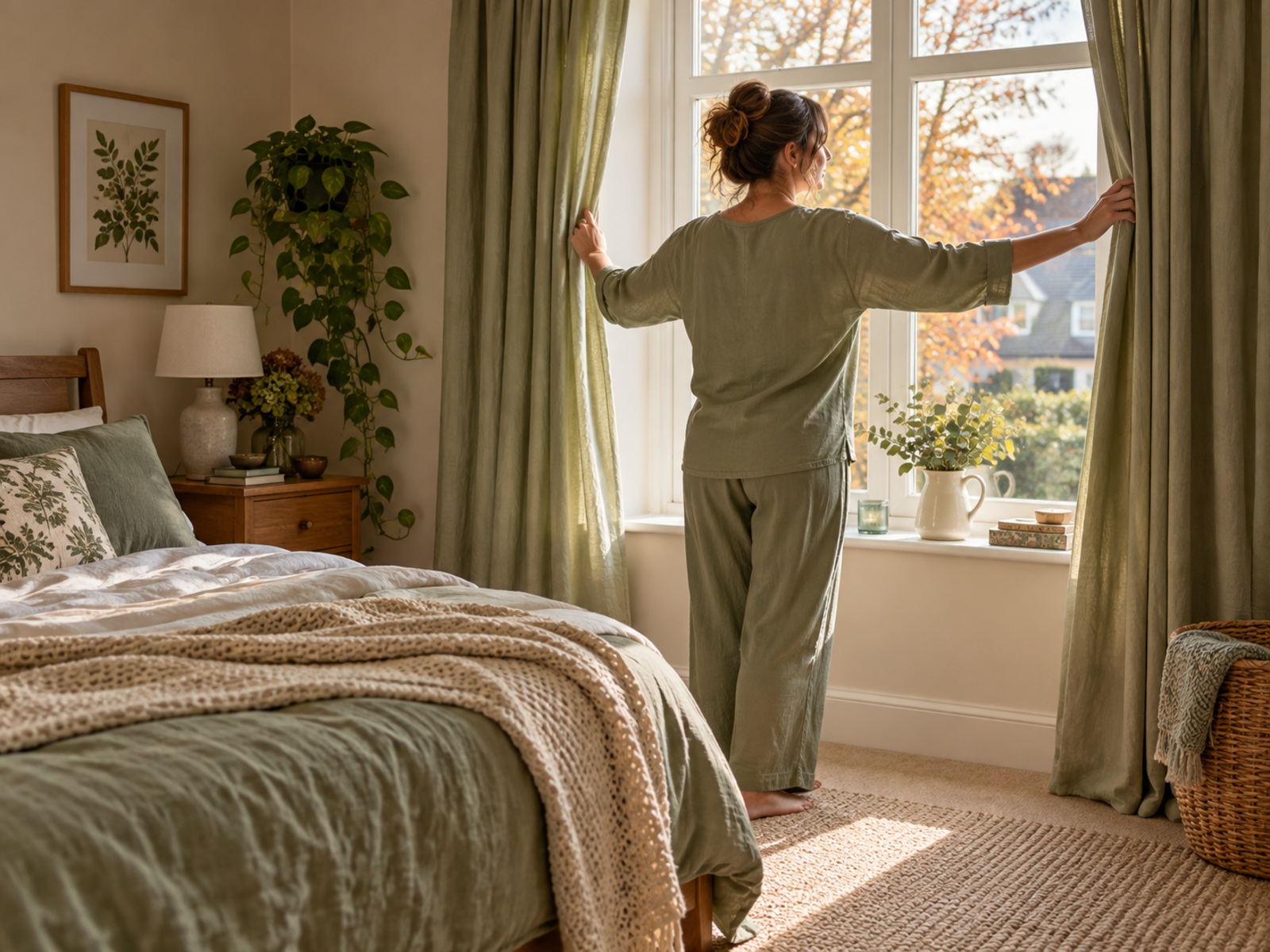
A dimmer, warmer room can signal that the working day is over. A sunset setting makes that transition gradual, but it cannot compensate for answering messages in bed or repeatedly postponing bedtime. The surrounding habit is part of the purchase decision.
Try a realistic sequence: finish work, put the phone away, lower the room lighting and choose something quiet to do. NHS sleep guidance emphasises regular routines and winding down; a particular brand of lamp is not a requirement.
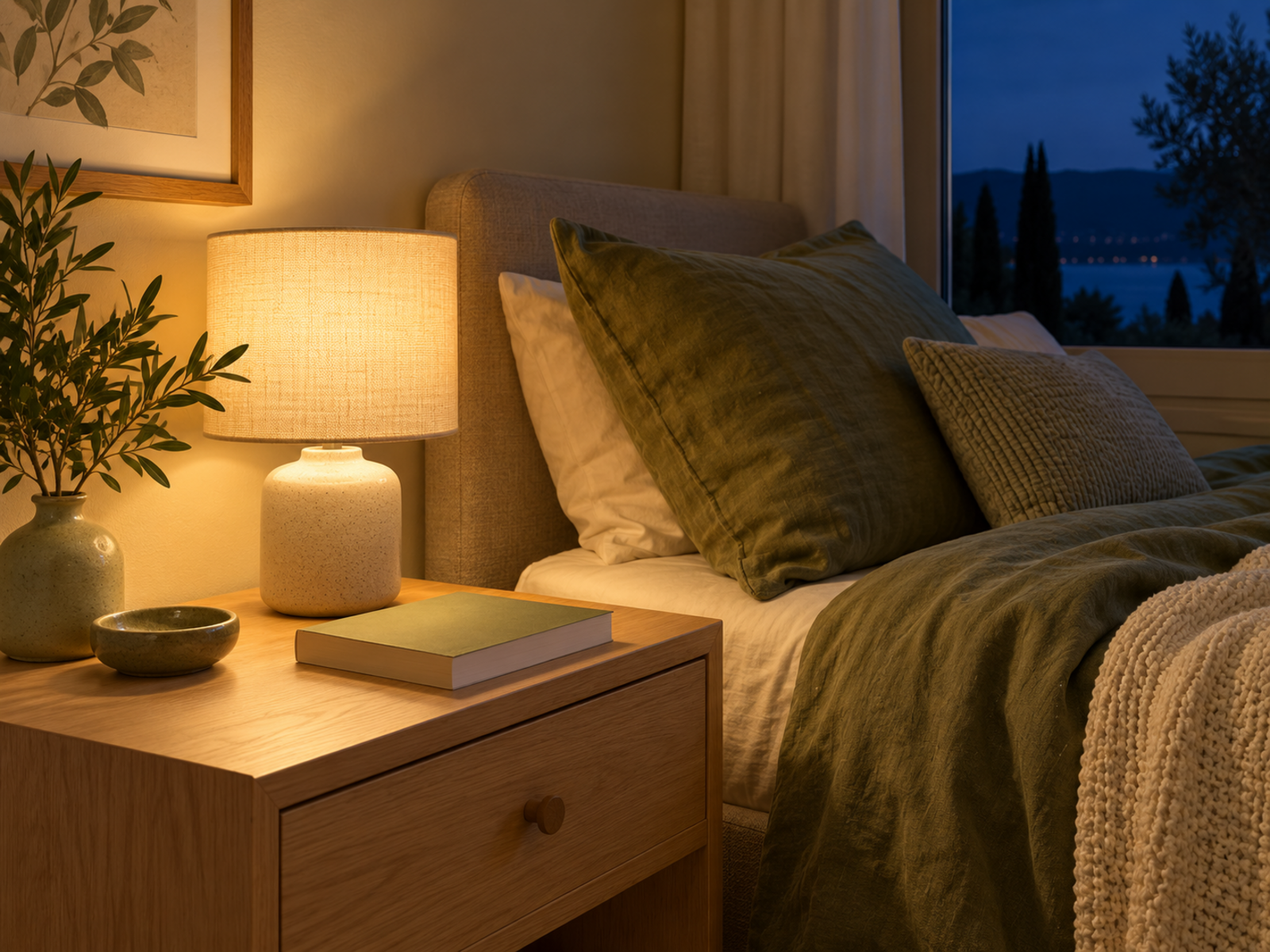
Tala Wake Or Lumie: Which Kind Of Sunrise Lamp Fits?
These are two ways to buy a gradual wake-up light. Tala emphasises the object itself and its controls; Lumie offers a less expensive dedicated alarm format. This is a comparison of published specifications, not a MyHotips hands-on test or a clinical assessment.
Tala Wake Sleep Light
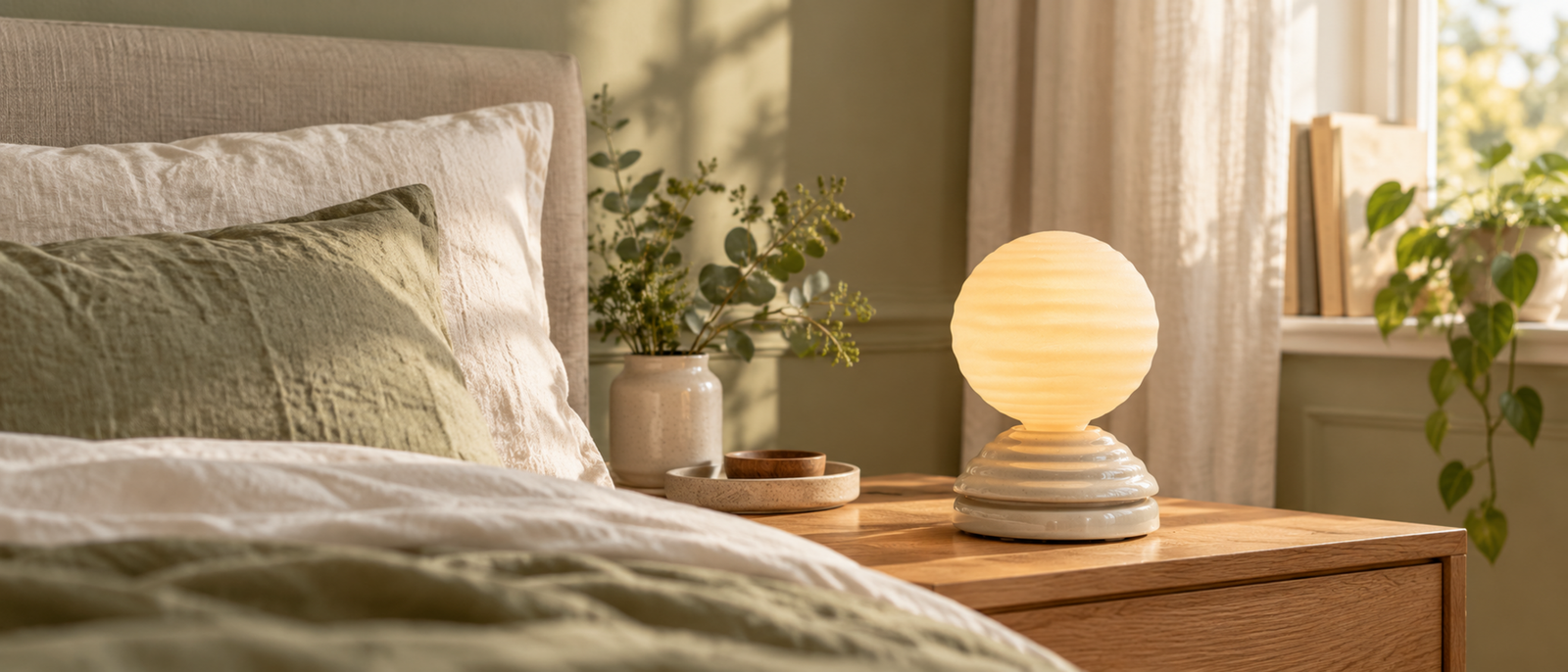
Tala Wake combines a rippled glass bulb with a Pebble White ceramic base, developed with Heatherwick Studio. Rotating and pressing the body gives access to controls. Its hidden display means it is not literally display-free, even though it avoids looking like a conventional bedside clock.
- Gradual wake-up and wind-down schedules.
- Four waking sounds and seven sleep sounds.
- Settings available on the lamp or through the Tala app.
- Software updates require an app connection.
Its appeal lies in the physical design and daily controls. The word “circadian” alone is not a reason to assume better results.
Lumie Bodyclock Glow 150
The Glow 150 takes a more conventional alarm-clock approach. That may suit you if a familiar display and controls matter more than having a decorative lamp on the bedside table.
- Sunrise and sunset periods of 20, 30 or 45 minutes.
- Adjustable sunrise intensity.
- Ten sleep and wake sounds.
- Auto-dimming display and tap-control snooze.
Lumie currently offers a 45-day trial when you buy directly from Lumie, starting on delivery. That gives you time to judge the routine at home. Keep the original packaging and check the return terms; delivery charges are not refunded.
The Bedroom Checks That Matter Before Buying
Placement Beats A Perfect Product Photograph
Check the bedside surface, power socket and controls before ordering. A lamp hidden behind a stack of books or placed where you cannot easily reach it may become frustrating. Make sure the footprint fits without crowding your water glass or creating a cable hazard.
Follow the manufacturer's positioning instructions. Bedroom size, curtains and the direction you sleep can change how noticeable the light feels. Use any available return period to assess ordinary mornings, rather than deciding after a single unusually good or bad night.
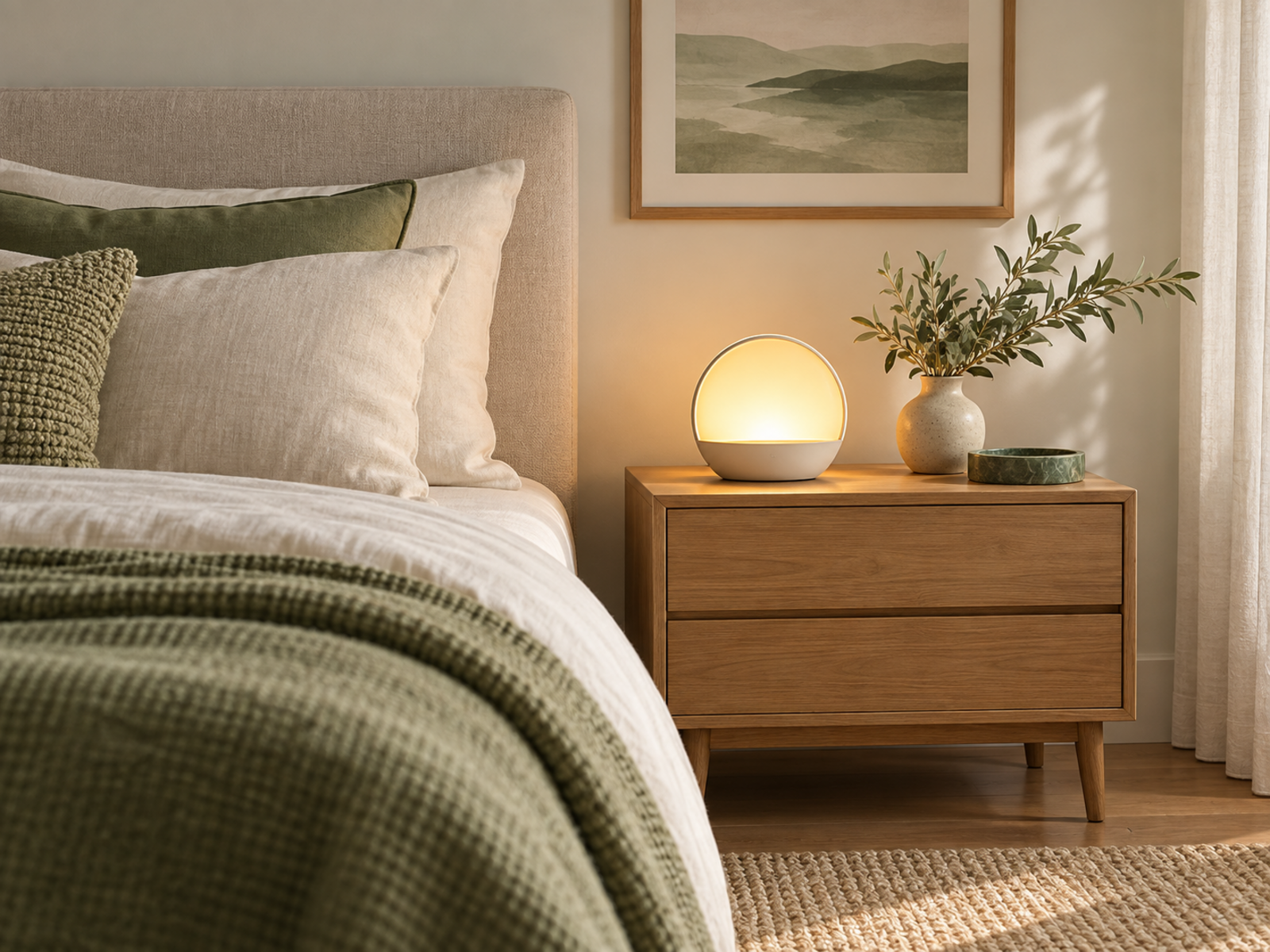
Think About The Person Beside You
A gradual light is still light. If you share a bedroom with someone who gets up later, discuss brightness and sound before making it part of the room. A lamp that improves one person's morning but repeatedly disturbs another may not be a good household choice.
Shift work and irregular schedules add another complication. Do not assume a standard sunrise programme is suitable for every sleeping pattern. Start with the simplest setup, check how it behaves and avoid introducing several new routines at once.
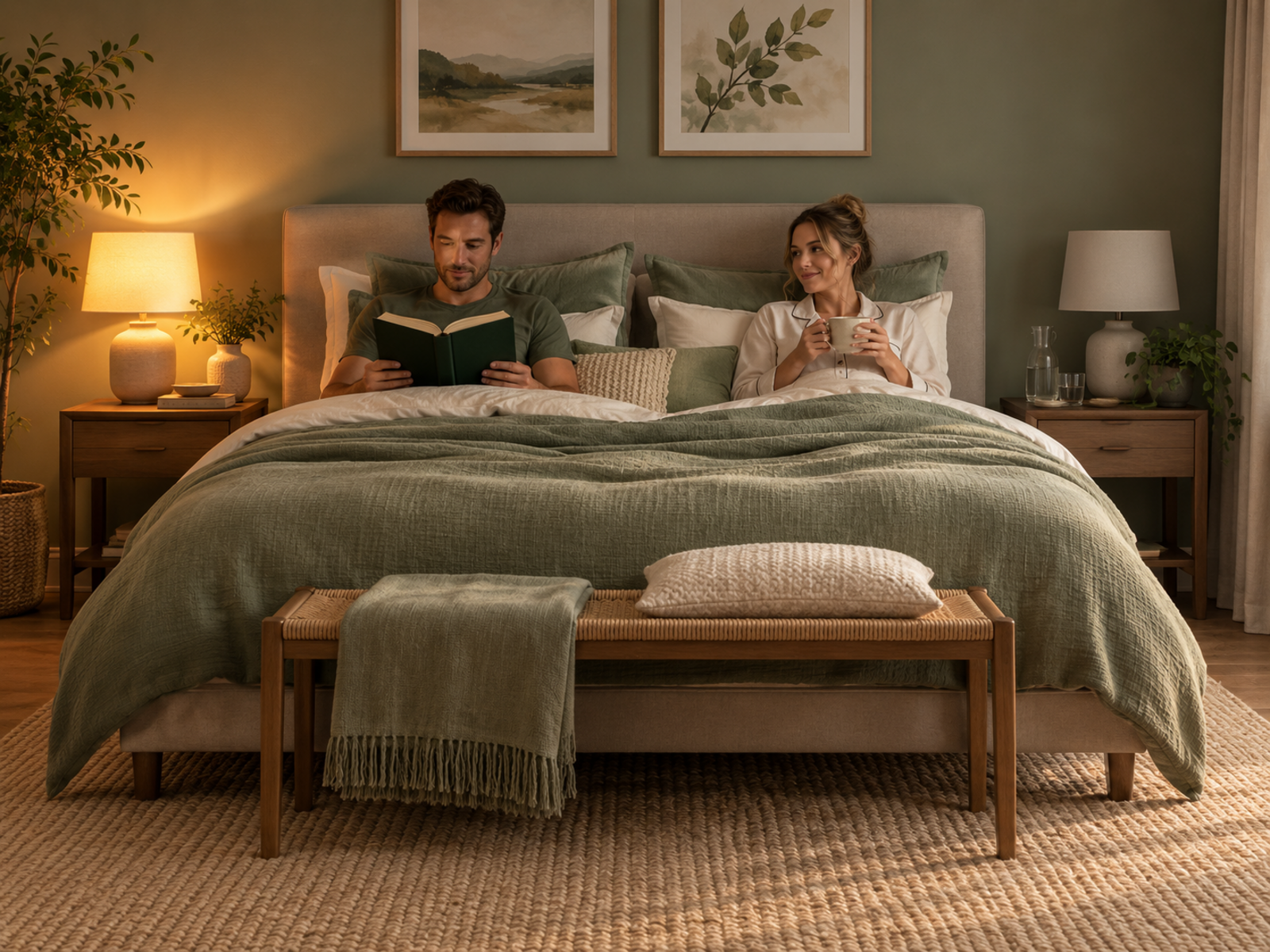
UK Price Snapshot
Prices checked on 26 September 2026. Tala costs £136 more than the Glow 150; that difference buys a different design and control experience, not demonstrated superior sleep outcomes.
Tala Wake: £255
Design-led glass and ceramic lamp, on-device controls, and wake-up and wind-down routines.
Lumie Glow 150: £119
Dedicated sunrise and sunset alarm functionality, adjustable timing and a familiar clock display.
Existing Routine: No New Purchase
£0 in new equipment. Change habits using lighting you already own. This will not reproduce an automatic sunrise, but it is a useful starting point.
How To Decide Without Buying Another Wellness Obligation
Start With The Problem You Want To Remove
Write down one reason you are considering a lamp: an abrupt alarm, a phone that stays beside the pillow, or a room that feels harsh late at night. If you cannot name the problem, waiting is reasonable. A beautiful product can still be an unnecessary purchase.
If budget is tight, test inexpensive changes first. Set a stopping time for work and choose a comfortable light you already own. The point of a simpler routine is to reduce demands, not create pressure to buy a complete set of matching wellness products.
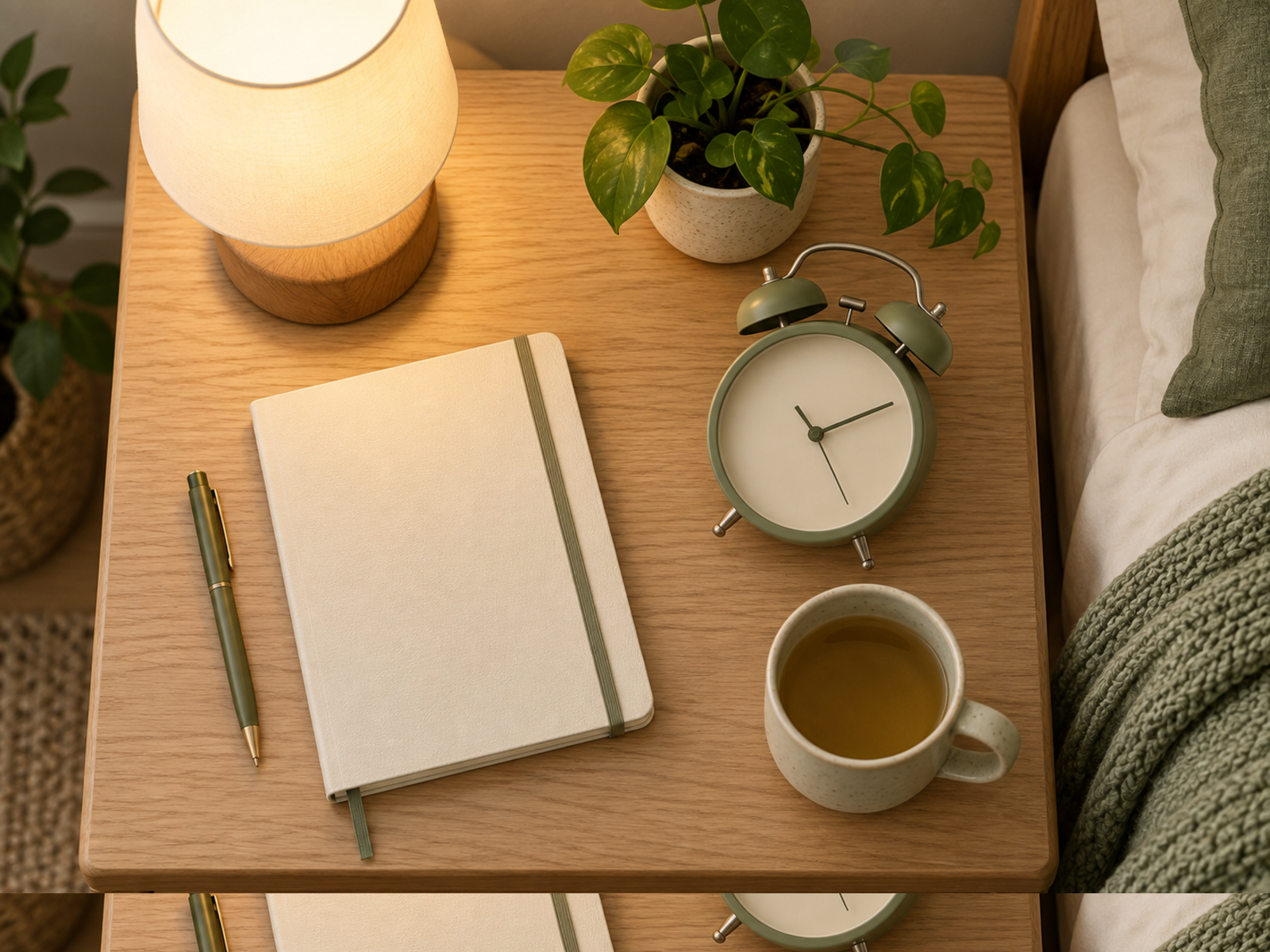
Judge The Routine By Whether It Is Easier
Give yourself a modest question: is getting ready for bed or waking up less irritating? You do not need a spreadsheet of every morning. Notice whether you use the controls easily, keep the phone away and still want the light on your bedside table after the novelty fades.
Daylight, regular routines and appropriate help for persistent sleep difficulties remain relevant. If tracking already supports you, keep what works. Reducing unnecessary measurement is a preference, not a rule that every reader has to follow.

Sunrise Lamps: Advantages And Limitations
Pros
- Introduce a gradual light cue around waking time.
- Can make a phone-free bedside setup more practical.
- Combine useful lighting with a repeatable evening routine.
- Offer options at different prices and with different controls.
Cons
- Do not guarantee better sleep or easier waking.
- May disturb somebody sharing the bedroom.
- Premium design can cost much more than basic functionality.
- Setup and app requirements vary between products.
A Sunrise Alarm Is Not A Light-Therapy Prescription
The Beurer TL30 shown below is a daylight lamp, included to make the category distinction clear. It is not a like-for-like sunrise alarm. A bright-light device has its own instructions and suitability considerations; do not choose one simply because its brightness number looks larger.
- Do not present a bedside sunrise lamp as a treatment for insomnia or seasonal affective disorder.
- Persistent sleep problems or low mood deserve appropriate healthcare advice.
- Speak to a GP before trying light therapy, particularly if you have an eye condition or take medicines that increase sensitivity to light.
- If bright light triggers migraine or you are particularly light-sensitive, seek advice about suitability rather than pushing through discomfort.
- Keep important alarms dependable while testing a new routine.
Frequently Asked Questions
Does anti-optimisation mean giving up health tracking?
No. It means being selective about measurement. Keep tools that help you make useful decisions, including anything recommended as part of your healthcare.
Can Tala Wake work without using a phone every day?
Its published instructions allow routine settings and controls on the lamp itself. Software updates still require its app, so “phone-free operation” should not be confused with never needing an app.
Is the more expensive lamp automatically better?
No. Compare controls, appearance, sound choices and how the lamp fits your bedroom. This article does not establish superior sleep outcomes for either model.
Does a sunrise lamp treat seasonal affective disorder (SAD)?
Do not assume a sunrise alarm is a treatment for SAD. Gradual wake-up lighting and dedicated bright-light therapy devices have different specifications and intended uses. Follow the instructions for the exact product and speak to a GP before trying light therapy for symptoms. General NHS advice about sleep routines is not a recommendation for sunrise lamps.
Has MyHotips tested these lamps?
No. This article is based on product information and research checked on 26 September 2026. It does not claim first-hand testing.
The MyHotips Verdict
The strongest idea behind anti-optimisation is simple: a useful routine should not make you feel permanently assessed. A sunrise lamp may suit someone who wants a gradual morning cue and less reliance on the phone beside their bed. Lumie offers a lower entry price; Tala adds distinctive design and a different approach to controls.
Start with the habit, then decide whether a product makes it easier. If the lamp solves a repeated irritation and fits your budget, it can be a considered home purchase. If your existing setup already works, there is no need to turn doing less into another shopping project.


