



Calm Christmas Hosting Without the Stress

Paper Planner vs Task App: Which…

VYVE Health Explained: Can One £16.99…

Too Good To Go M&S Bakery…

Sunrise Alarm Clocks Compared: Are They…

Fitbit Edge vs Fitbit Air vs…

Autumn Comfort Food: How to Eat…

Soup Maker vs Saucepan: Which Suits…

The Best Lighting for Darker Autumn…

Create an Autumn Wind-Down Routine That…

Heated Throw vs Heated Blanket vs…

Autumn Sleep Reset: Light, Temperature and…
A noisy night makes the next desk day harder, and earplugs are one of the cheapest things to try. This guide covers choosing a type, reading noise ratings, using them safely and what else you can do. NHS advice lists earplugs as one option, not a cure.
MyHotips ranks no earplugs.
Quick Overview
- NHS advice lists earplugs as one bedroom option alongside darkness, a cool room and trying different things.
- The main types are disposable foam, reusable silicone and mouldable wax or putty.
- Noise ratings come in different scales, SNR and NRR, so do not compare them directly.
- Earplugs can push earwax further in, so clean or replace them and stop if ears feel sore.
- Plan how you will hear your alarm before the first night.
- Other options include white noise, moving the bed, thicker curtains and a friendly word with housemates.
What NHS advice says about noise and earplugs
Earplugs are one option, not a fix
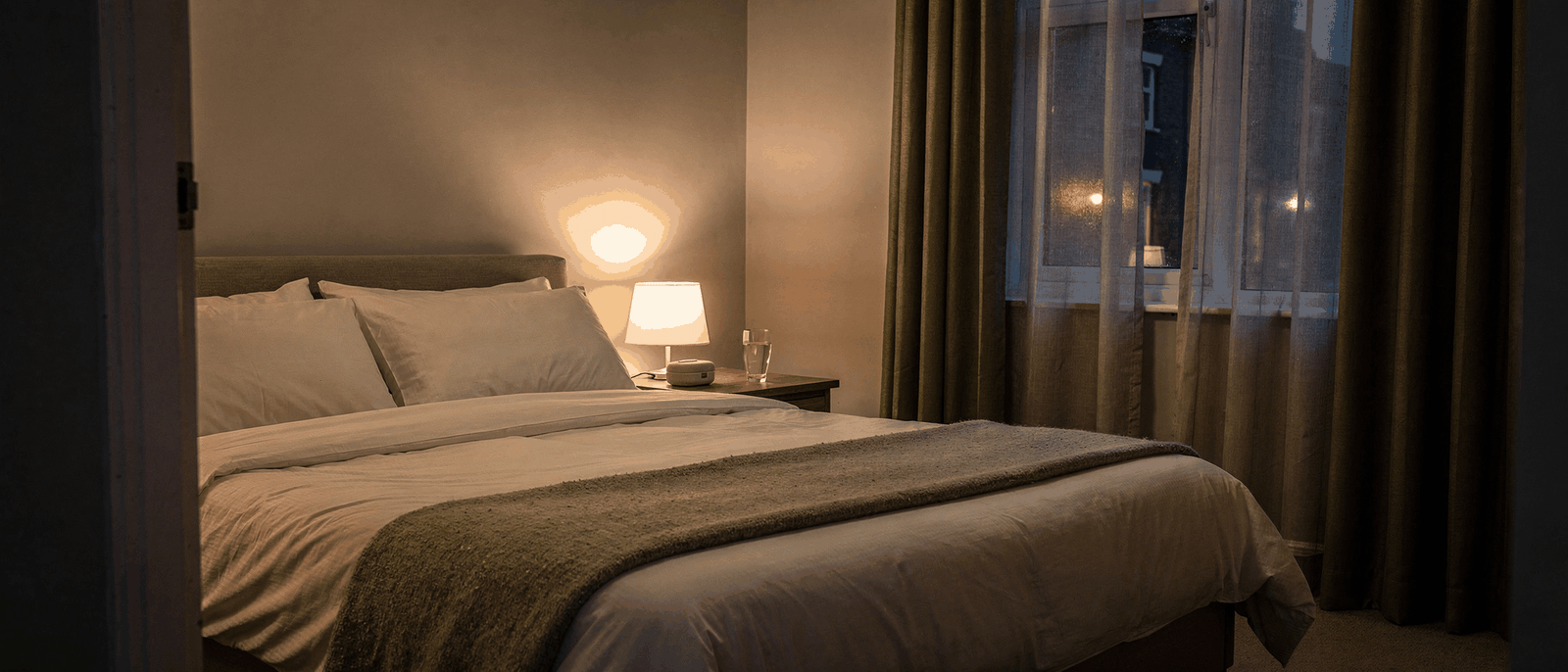
The NHS insomnia page lists noise among the common causes of insomnia, alongside stress, an uncomfortable bed, caffeine and shift work. Its advice is to keep the bedroom dark and quiet, using curtains, blinds, an eye mask or ear plugs if needed (checked on 19 October 2026). That is a list of options, not a claim that earplugs treat anything or guarantee better sleep.

Who they may suit
NHS Every Mind Matters says a room that is quiet, dark and cool may help sleep, and lists earplugs if noise is a problem. It also says to try different things to find what works for you. A Cambridge University Hospitals patient guide adds that earplugs can be useful if your bed partner is restless or snores, or if you are sensitive to outside noise. For context, the NHS says adults need 7 to 9 hours of sleep on average, and everyone needs different amounts.
A quick check: is it really noise?
Before buying anything, jot down a few nights of answers to these:
- What wakes me: traffic, a neighbour, a partner, or a shared-house sound?
- When does it happen: early in the night or in the early hours?
- How often: most nights or only now and then?
- Could it be something else, such as light, heat or a busy mind?
Foam or reusable silicone: the everyday choice
Disposable foam
Foam is the usual low-cost starting point, and you throw the plugs away after use. TechRadar's round-up, which is a reviewer's opinion, calls disposable foam a bit wasteful and says it tends to collect wax. Zoom Health lists Mack's Ultra Soft Foam Earplugs with a stated NRR of 32 dB (checked on 19 October 2026). That is the seller's figure, not our result, and we make no claim about fit.
Reusable silicone
TechRadar describes reusable earplugs as easier to clean. A Boots listing for Loop Quiet 2 earplugs states a 24 dB SNR rating, soft silicone and four interchangeable ear-tip sizes, XS to L (checked on 19 October 2026). Those are the retailer's stated specifications, not our test result, and we cannot say how any pair feels in your ears. Neither type is the best or quietest.
Wax or putty: when hard plugs feel wrong
Mouldable wax or silicone putty
Silentnight's UK sleep blog, a bed maker's own advice, suggests mouldable wax or silicone earplugs if ordinary earplugs are uncomfortable. That makes them worth trying, not proven. Fit and comfort are personal, so we cannot say whether putty feels better than foam or silicone.

The same cautions apply
Anything worn in the ear raises the same earwax and hygiene points, covered in the safe-use section below. Keep them clean and stop if anything feels sore.
Use them sensibly: ears, hygiene and alarms
Ears and hygiene
An NHS foundation trust's earwax page lists earplugs among things that can push wax further in and stop it falling out naturally. Mayo Clinic, a US source, lists earplugs worn over time as a possible cause of build-up and says cotton swabs usually push wax deeper. Some sensible habits:
- Clean reusable plugs as the maker directs.
- Replace foam plugs rather than reusing them.
- Keep cotton swabs out of your ears.
- If your ears feel blocked or sore, speak to a pharmacist or GP.
Alarms and warning signs
UW Medicine, also a US source, says sleeping with earplugs carries a risk of sleeping through phone and smoke alarms. Things to consider:
- A vibrating or louder alarm, if you rely on one to wake up.
- Telling housemates you wear earplugs, so they know to wake you if needed.
- Stopping if there is ear pain, redness, itching, a feeling of fluid or hearing loss, then speaking to a pharmacist or GP.
A simple way to choose and try
First, confirm noise is the cause
Use the NHS situations as a filter: a snoring or restless partner, neighbours, traffic or general sensitivity to outside noise. If your notes point to light, heat or worry instead, earplugs may not be the first thing to try.
Then choose by situation
Pick a type by how you live: foam or reusable for regular use, wax or putty if hard plugs are uncomfortable. If you compare ratings, stay on one scale and ignore the biggest number.
Finally, trial with limits
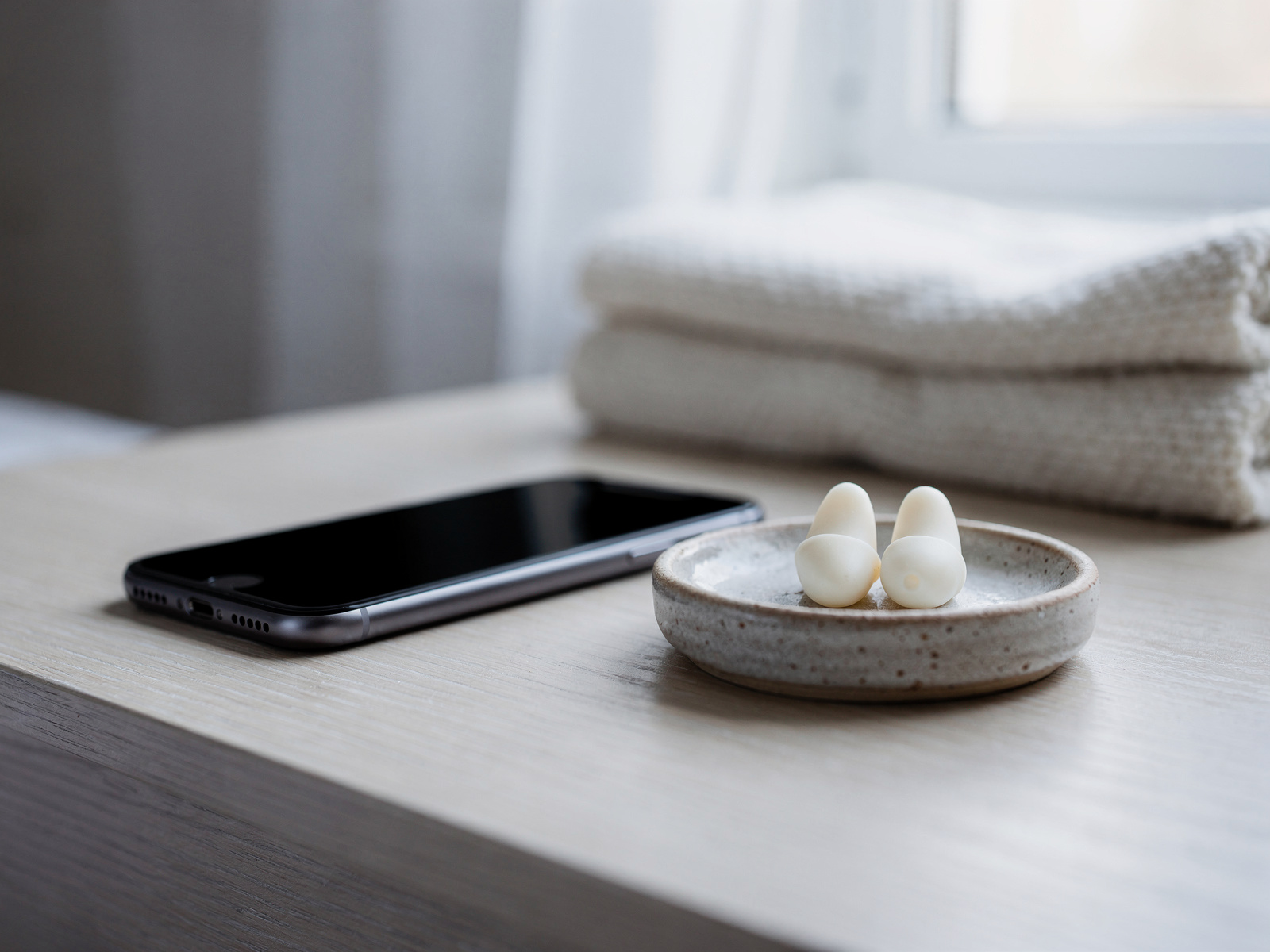
Try them on a night when you do not need an early start, with an alarm plan in place. Stop if anything feels sore. NHS Every Mind Matters says to try different things to find what works for you, so earplugs may help some people and not others.
If earplugs are not for you: other ways to cut noise
Mask the sound
An NHS self-help page suggests white noise or background music if it is too noisy to sleep. A white noise machine is one device that does this, and a quiet playlist is the free version. Both are worth trying, not proven.
Change the room
Silentnight suggests moving your bed away from the noise source and adding soft furnishings or thick curtains. Both are worth trying, not proven, and it is a bed maker's advice, so treat it as an idea rather than evidence.
Talk to people
The same NHS page suggests talking to close neighbours about noisy activity during your sleep time. A short, friendly message for a housemate or neighbour: 'Hi, I work from home and I am trying to protect my sleep. Could we keep the music or TV down late in the evening? Happy to talk if that does not suit.'
If a partner snores
A Cambridge University Hospitals guide says earplugs can be useful if your bed partner is restless or snores. They are not the only route: masking sound or changing the room may help too, and a calm chat with your partner is a fair place to start.
A gentle wind-down to go with a quieter room
Quiet is one part of the picture
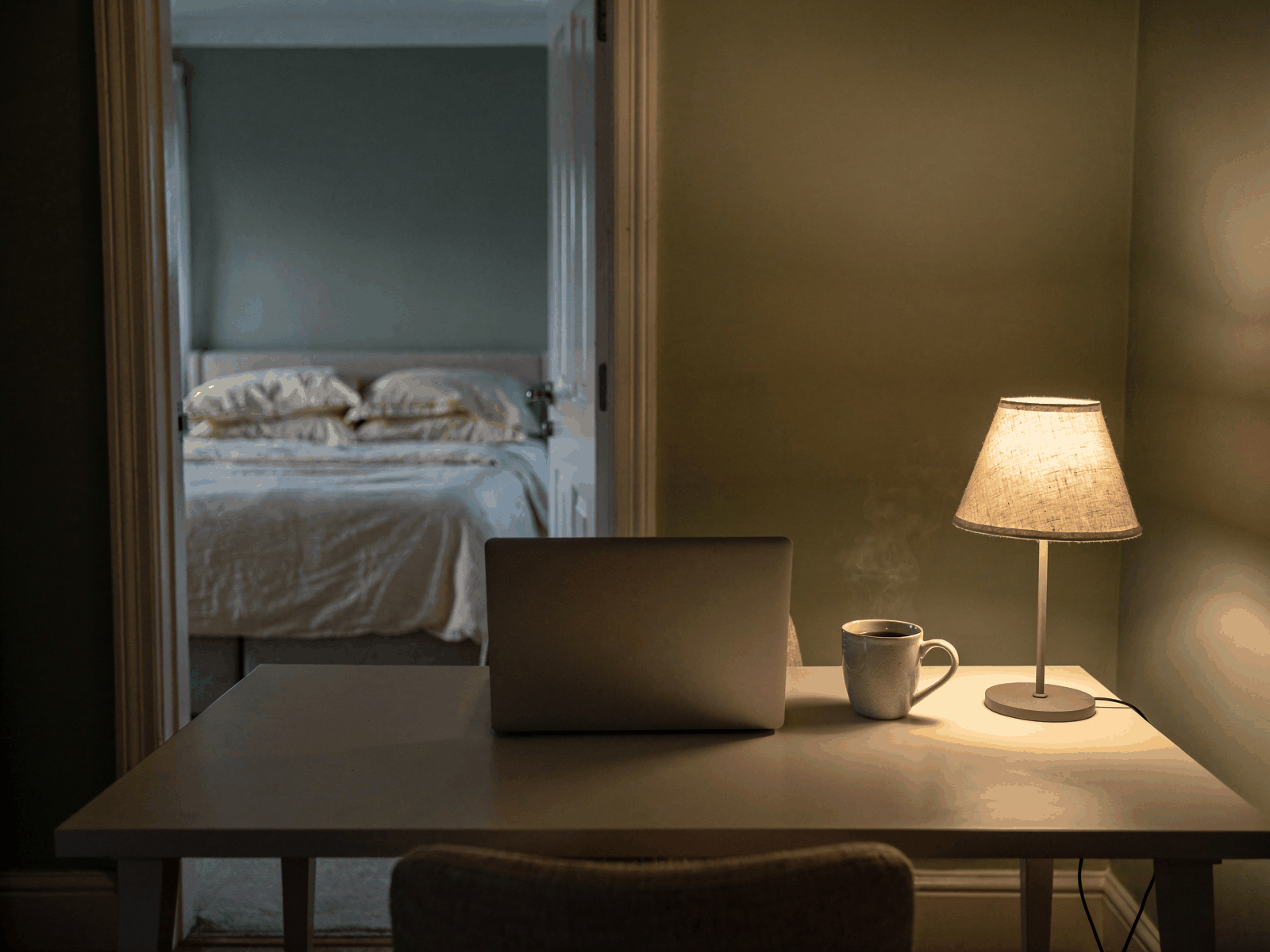
NHS Every Mind Matters pairs a quiet room with a dark, cool one. After a home-working day, a small cue helps: close the laptop, dim the lights and give yourself a few minutes of calm. A short mindfulness or relaxation session is one possibility, but skip it if it starts to feel like another task.
Keep it plain
A repeatable pattern is enough. The aim is only to give a quieter bedroom a fair chance.
Frequently asked questions
Does the NHS recommend earplugs?
NHS advice pages list earplugs as one option for a dark, quiet bedroom, alongside curtains, blinds and an eye mask. That is a list of things to try, not a promise they will help or a treatment for sleep problems.
Is a higher dB rating always better?
No. SNR and NRR are different scales, and the figures are seller-stated rather than independent tests. One Amazon listing shows 24 dB SNR and 14 dB NRR for the same earplug. No figure promises silence, so compare like with like only.
Is it safe to wear them every night?
Consider earwax, hygiene and alarms. An NHS trust says earplugs can push wax further in, and UW Medicine says to stop if there is pain, redness, itching, fluid or hearing loss. If ears feel blocked or sore, speak to a pharmacist or GP.
Will I hear my alarm?
Possibly not. UW Medicine says sleeping with earplugs carries a risk of sleeping through phone and smoke alarms. Consider a vibrating or louder alarm and tell housemates you wear them. Test your plan on a night with no early start.
What if earplugs feel uncomfortable?
Silentnight suggests mouldable wax or silicone earplugs, white noise machines, pillow speakers or soft sleep headbands as alternatives. These are worth trying, not proven. A change to the room or a word with neighbours are other routes.
Which pair is best?
MyHotips does not rank earplugs. The Loop and Mack's listings above are examples of stated specifications, not recommendations. Choose a type by your situation, compare ratings on one scale only and try one over a few nights.
Verdict
Earplugs are a reasonable, low-cost thing to try if noise is what wakes you, and they may help some people, not everyone. The biggest reservation is practical: earwax, hygiene and missed alarms. Pick one type, trial it over a few nights with an alarm plan, and stop if your ears are sore. If they feel blocked, ask a pharmacist or GP. Nothing here was tested by MyHotips.


