




Host a Virtual Halloween Party: Audio,…

The Calm Autumn Reset: 10 Small…

Can Free Affinity Help You Build…

The Best Lighting for Darker Autumn…

Can Hostinger AI Builder Launch a…

Create an Autumn Wind-Down Routine That…

Plug-In Solar Panels UK: Are They…

Heated Throw vs Heated Blanket vs…

Meta One Explained: Is the Subscription…

Autumn Sleep Reset: Light, Temperature and…

Plaud One Explained: Can AI Earbuds…

Dehumidifiers Explained: When Are They Actually…

Namecheap vs Dynadot

A Realistic Autumn Walking Routine for…

Convertkit Vs Beehiiv

Autumn Social Reset: Small Plans for…

Bluehost vs Siteground

Sekonda Smart Ring vs Oura Ring…

Namecheap review

Make Your Home Cosier Without Turning…
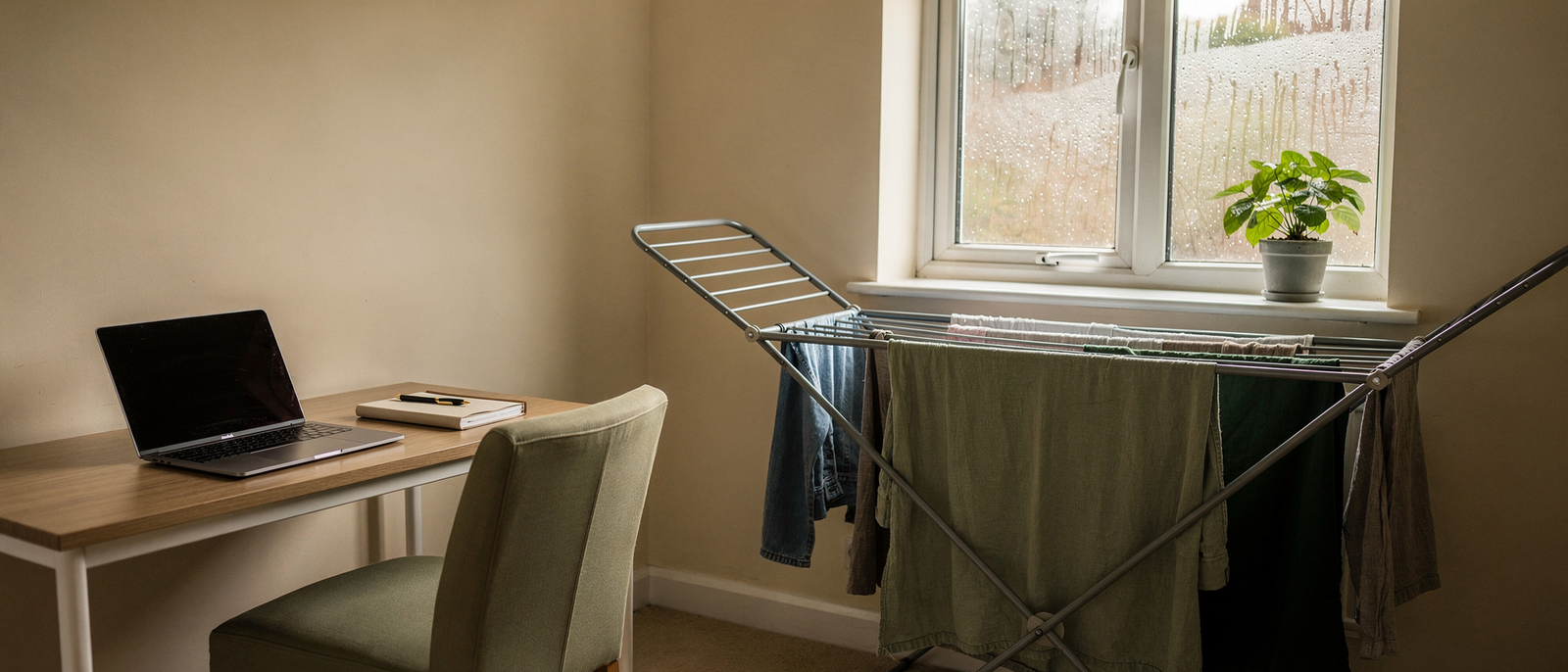
From October the washing has to dry indoors, and for many home workers that means in or beside the room where the laptop lives. This guide compares five setups by what they do to that room: damp air, steamed-up windows, noise on calls and running cost.
Costs are illustrative and attributed to the sources named. MyHotips has not tested any of these appliances.
Quick Overview
- Drying washing indoors adds moisture to the room, though sources estimate the amount differently.
- Council advice points to one door-shut room, which is rarely the room you work in.
- Currys says a heated airer is cheap to run but does not remove moisture.
- A dehumidifier may help reduce moisture, but Currys lists it as noisier than an airer.
- In Meaco's own test, a dehumidifier with a pedestal fan dried washing fastest.
- Which? calculations suggest heavy weekly loads can favour a tumble dryer over an airer.
- MyHotips has not tested any of these appliances; every figure here is attributed and illustrative.
Why drying washing indoors makes the room damper
Where the moisture goes
Wet washing does not vanish; the water leaves the fabric as vapour. Gosport Borough Council estimates that drying a load releases about 5 litres of water vapour, against about 0.5 litres for washing it. Other sources give lower figures, so treat it as a range of roughly 2 to 5 litres a load, not an exact number.
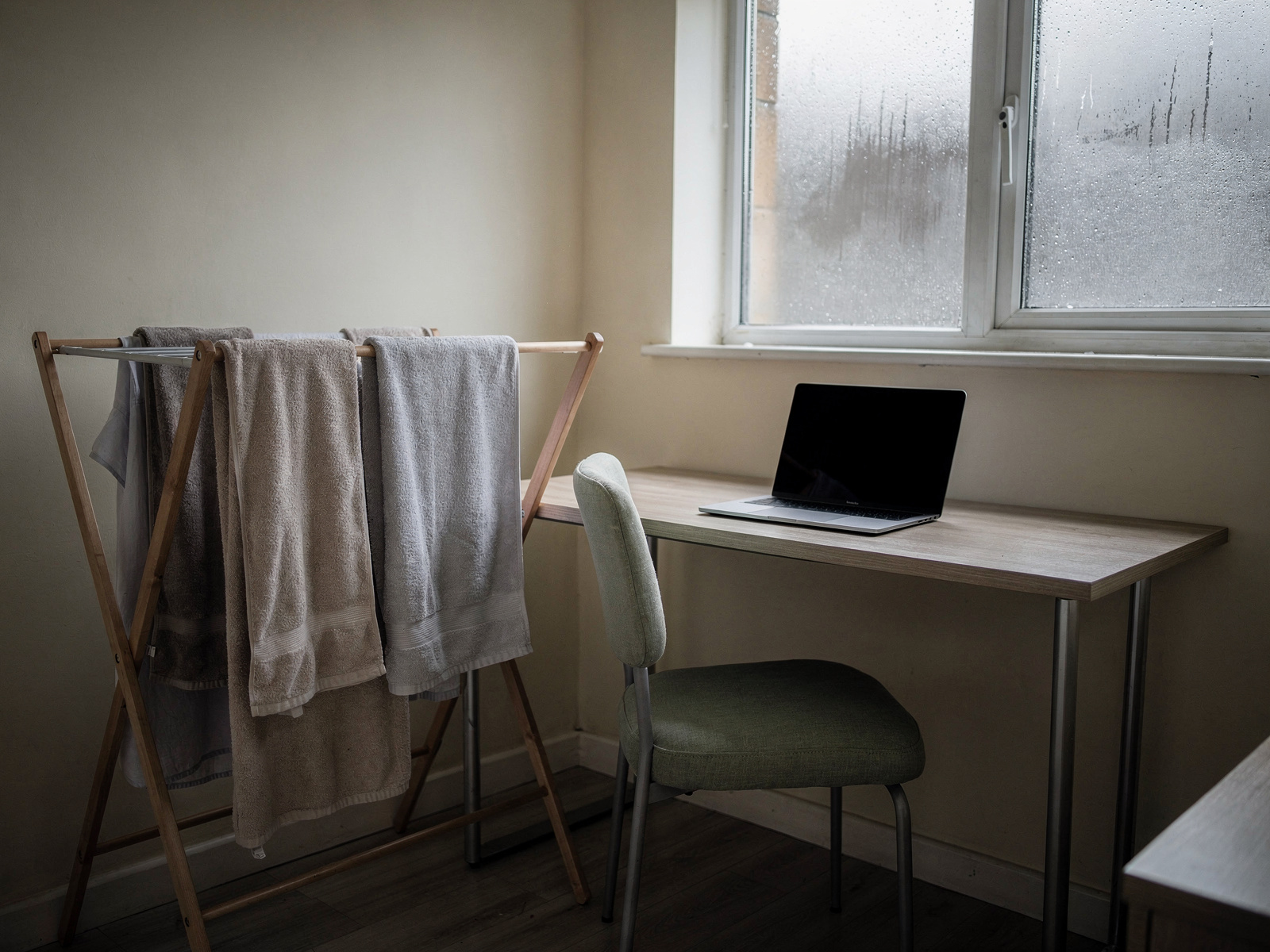
In a work room that vapour meets cold windows and walls and turns up as condensation.
Why it matters
NHS inform, a Scottish NHS source, says people with damp and mould at home are more likely to have respiratory problems, respiratory infections, allergies and asthma. That is an association, not a promise about any one home. Speak to a GP or pharmacist about symptoms. None of the products below prevents or treats a health problem.
Dealing with the glass
A cloth or a window vac clears condensation from glass quickly. It tidies the symptom, though; it does not change how much moisture is in the air.
The five setups at a glance
Plain airer plus ventilation
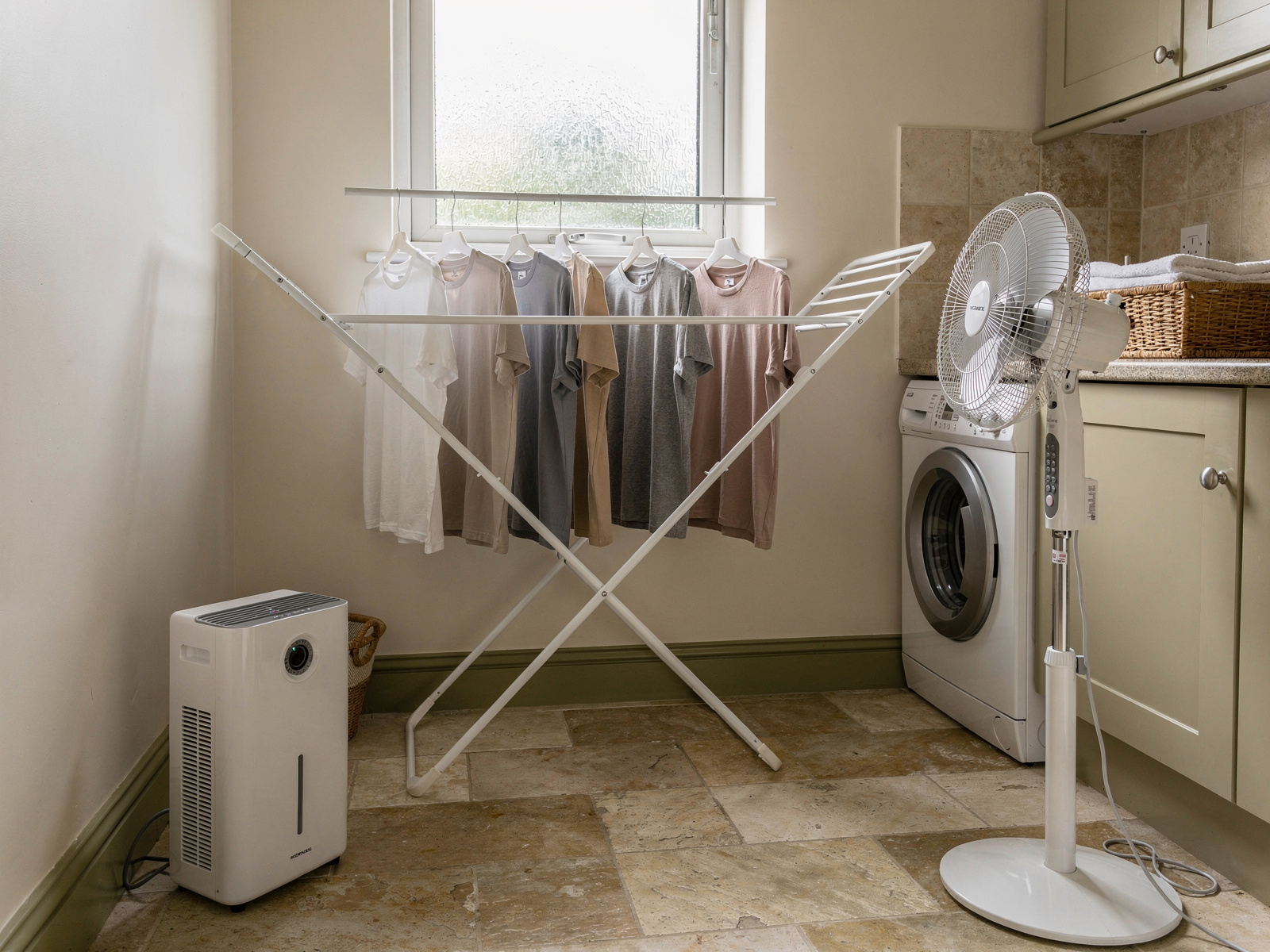
An unheated airer has no running cost, but it is slow. In Meaco's own test, 13 T-shirts took 20+ hours to dry naturally in one utility room. For a work room, slow drying means damp washing shares your air for longer, so it needs a spare room, a shut door and an open window.
Heated airer
Which? says its tested heated airers average about 7p an hour and typically take four to five hours for a small cotton load. Currys gives about 10p an hour for a typical 300W model and says it does not remove moisture. Which? puts prices from around £40 up to £200.
Dehumidifier
Currys gives about 12p an hour for a 480W dehumidifier and says it actively removes moisture. Mumsnet calculates around 5p an hour for one tested model, and other sources quote 4p to 10p. Currys lists noise at roughly 38-48 dB depending on capacity.
Dehumidifier plus fan
In Meaco's manufacturer test, a 20L compressor dehumidifier took 4 hours 45 minutes on its own and 2 hours with a pedestal fan added. That was the fastest of the three scenarios within Meaco's own test. A second machine means checking its noise rating.
Tumble dryer benchmark
Which? calculates about £51 a year for three large loads a week on a heat pump dryer. Treat it as a benchmark, not a recommendation: the figure applies to that dryer type only. The load-size check later shows where it starts to matter.
All figures were checked on 18 October 2026 and are illustrative. Costs vary by model and tariff, and prices can change. Meaco is an appliance brand, Currys a retailer, and Which? and Mumsnet publish their own calculations.
Heated airer or dehumidifier on a work day
Heated airer
The catch is moisture: Currys says a heated airer does not remove it and may increase indoor humidity, so the room and the door matter more than the airer.
Dehumidifier
Currys says a dehumidifier actively removes moisture, so it may help reduce it in the room. Check each model's own noise rating before using one near a microphone, and do not count on it to prevent damp.
Choosing by room
If the washing can go in a spare room with the door shut, a heated airer's lack of moisture removal matters less. If it has to share air with your desk, or windows keep steaming up, a dehumidifier tackles the moisture at the cost of noise.
For a fuller comparison of the two product types, see the linked article.
Does adding a fan to a dehumidifier speed things up?
Meaco's 13 T-shirt test
Meaco, an appliance brand, ran this as its own test, reported by TechRadar, so it is not independent and it covers one room. Results vary with the room and humidity, so read it as a direction, not a promise. If you add a fan, check both noise ratings, since Currys lists dehumidifiers at roughly 38-48 dB.
Four small habits to try before buying anything
Spin twice
A Manchester University NHS Foundation Trust leaflet suggests using the spin cycle twice before you hang anything up. It is practical moisture reduction, not a way to prevent mould.
One room, door shut
New Forest District Council suggests one room with a clothes horse, the door shut, and a window open or the extractor on. For home workers, the work room is usually the worst choice, because the air is shared.
Keep radiators clear
Warwick District Council advises against drying clothes on radiators, saying it can create more condensation. Use the airer, rack or spare room instead.
Dry outside when you can
Both council and NHS trust advice puts drying outside first. New Forest District Council advises drying clothes outside where you can, and the NHS trust leaflet suggests trying not to dry clothes indoors.
Checking the room you work in
Read the windows
Steamed-up windows are worth noticing. Wipe the glass with a cloth and note when it happens: only on drying days, or every day? It is a simple habit that shows whether the steaming follows your drying.
Keep the room warm in the evening
Asthma + Lung UK says keeping homes heated to at least 18 degrees is one of the most important ways to stop mould spreading, because inadequate heating creates a stagnant, humid environment. That is general charity advice, not a setting to copy.
For more general ideas on staying comfortable at home, there is a separate article.

Plan around calls, then measure
Put the noisiest kit on when you are off calls, and keep quieter options for meetings. A hygrometer reads humidity, so you are not guessing; glance at it after a drying session. This article gives no target percentage, so follow the maker's guidance.
Dehumidifier plus fan: pros and cons
Pros
- Currys says a dehumidifier actively removes moisture, so it may help reduce it in the room.
- Dried washing in 2 hours in Meaco's own test.
- Mumsnet calculates around 5p an hour for one dehumidifier model.
Cons
- Roughly 38-48 dB for the dehumidifier per Currys, plus fan noise on top.
- Two appliances to find room for and run.
- The speed evidence is a manufacturer test, not independent.
- Running costs vary by model and tariff.
Which setup suits you
Check 1: can it go away from your desk?
Can the washing go in one room, door shut, with a window ajar or the extractor on, away from where you work? If yes, a plain or heated airer may be enough.
If not, ventilate as best you can, run the quieter option when you are off calls and watch the window glass for steaming. A dehumidifier is worth considering, as Currys says it actively removes moisture where a heated airer does not.
Check 2: how big is the load?
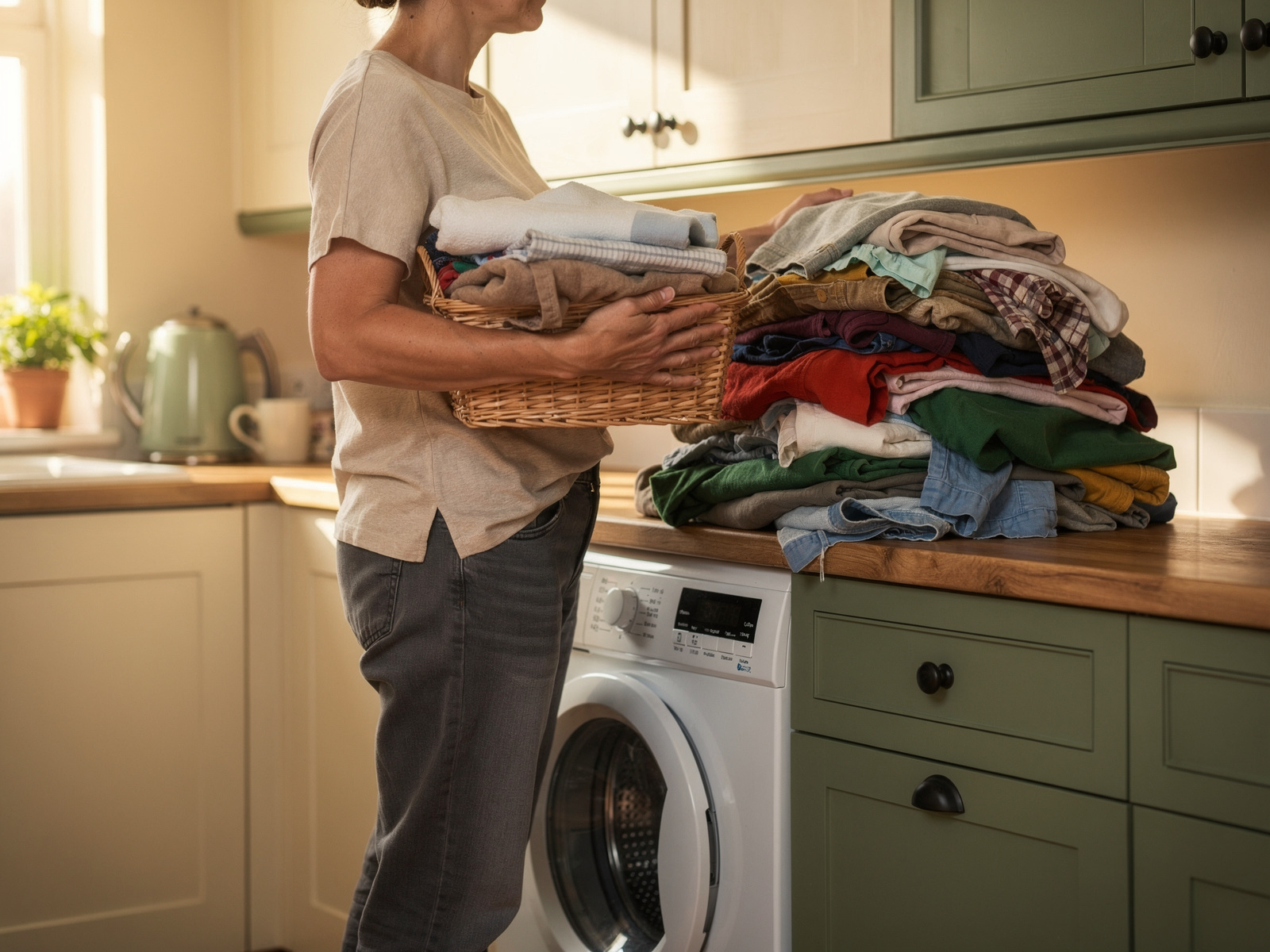
Which? calculates about £55 a year for three small cotton loads a week on an average heated airer. For three large loads a week it puts the airer at about £143 a year, against about £51 on a heat pump dryer. So in Which?'s calculations, load size changes the picture.
These are illustrative, not promised savings, checked on 18 October 2026; prices can change.
Check 3: what is your budget?
Which? says heated airers start from around £40, and giant multi-tier models can cost up to £200, so check current prices.
Running figures are approximate per-hour estimates: about 7p from Which?, about 10p from Currys for a 300W airer, about 12p from Currys for a 480W dehumidifier, and around 5p from Mumsnet for one dehumidifier model. They vary by model and tariff.
Checks 4 and 5: windows and calls
Do windows steam up, or does the room stay damp? Are you on calls? Currys lists dehumidifiers at roughly 38-48 dB against silent or low-hum heated airers, so run the noisier kit outside call hours.
What is still untested
MyHotips has not tested any of these appliances. The figures come from the sources named, so treat them as illustrative, not as a prediction of your own costs.
FAQ
Is it OK to dry washing in the room I work in?
Councils advise drying outside, or in one room with the door shut and a window open or extractor on. The work room is usually the worst choice because the air is shared. If it is your only option, ventilate and watch the windows.
How much moisture does a load add?
Gosport Borough Council estimates about 5 litres of water vapour for drying a load, against about 0.5 litres for washing it. Other sources give lower figures, so estimates range from about 2 to 5 litres a load.
Does a heated airer remove moisture?
No. Currys says a heated airer does not remove moisture and may increase indoor humidity, while a dehumidifier actively removes it. That is why the room, door and ventilation matter more with an airer.
Are the running costs exact?
No. They are approximate figures attributed to Which?, Currys and Mumsnet, checked on 18 October 2026. Real costs depend on the model, how long it runs and your tariff, so treat them as illustrative.
Is damp linked to health problems?
NHS inform, a Scottish NHS source, says damp and mould is associated with respiratory problems, infections, allergies and asthma. Speak to a GP or pharmacist about symptoms. No product here prevents or treats any health problem.
Verdict
Start with the free habits and the one-room rule. Use a heated airer for small loads away from your desk, and consider a dehumidifier if windows keep steaming up. For large weekly loads, Which?'s calculations show a heat pump dryer cheaper than an airer. The biggest reservation is the evidence: figures are attributed, illustrative and partly from retailer and manufacturer sources, and MyHotips tested nothing. Next, check your tariff and each model's noise rating, then watch the room.


