

Host a Virtual Halloween Party: Audio,…

20 Minimalist Halloween Nail Ideas for…

Can Free Affinity Help You Build…

12 Lower-Sugar Halloween Treat Swaps Worth…

Can Hostinger AI Builder Launch a…

A 5-Step Screen-Free Autumn Reading Ritual…

Plug-In Solar Panels UK: Are They…

15 Last-Minute Zoom Halloween Costumes for…

Meta One Explained: Is the Subscription…

10 Low-Fuss Dog Halloween Ideas: Comfort…

Plaud One Explained: Can AI Earbuds…

9 Gothic Dinner Table Ideas for…

Namecheap vs Dynadot

7 UK Ghost Tours and How…

Convertkit Vs Beehiiv

Do You Really Need a £420…

Bluehost vs Siteground

15 Gentle Spooky Autumn Books to…

Namecheap review

How to Remove Halloween Face Paint…
The internet discovers a new secret to being human roughly every eleven minutes. One week it is nervous-system regulation, the next it is red light, cold plunges, mushroom powders, recovery scores and someone explaining hydration like they personally invented water. Wellness trends are not all nonsense. Some are useful when simplified. The better question is whether a trend helps your real workday, or just sells you a more expensive identity with better lighting.
Use trends as tools, not identities
Try the boring version first
Wearables can reveal patterns
Supplements need personal context
Cold plunges are skippable for many
Breathwork can be low-cost support
Ignore trends that create guilt
Most Relevant Audience
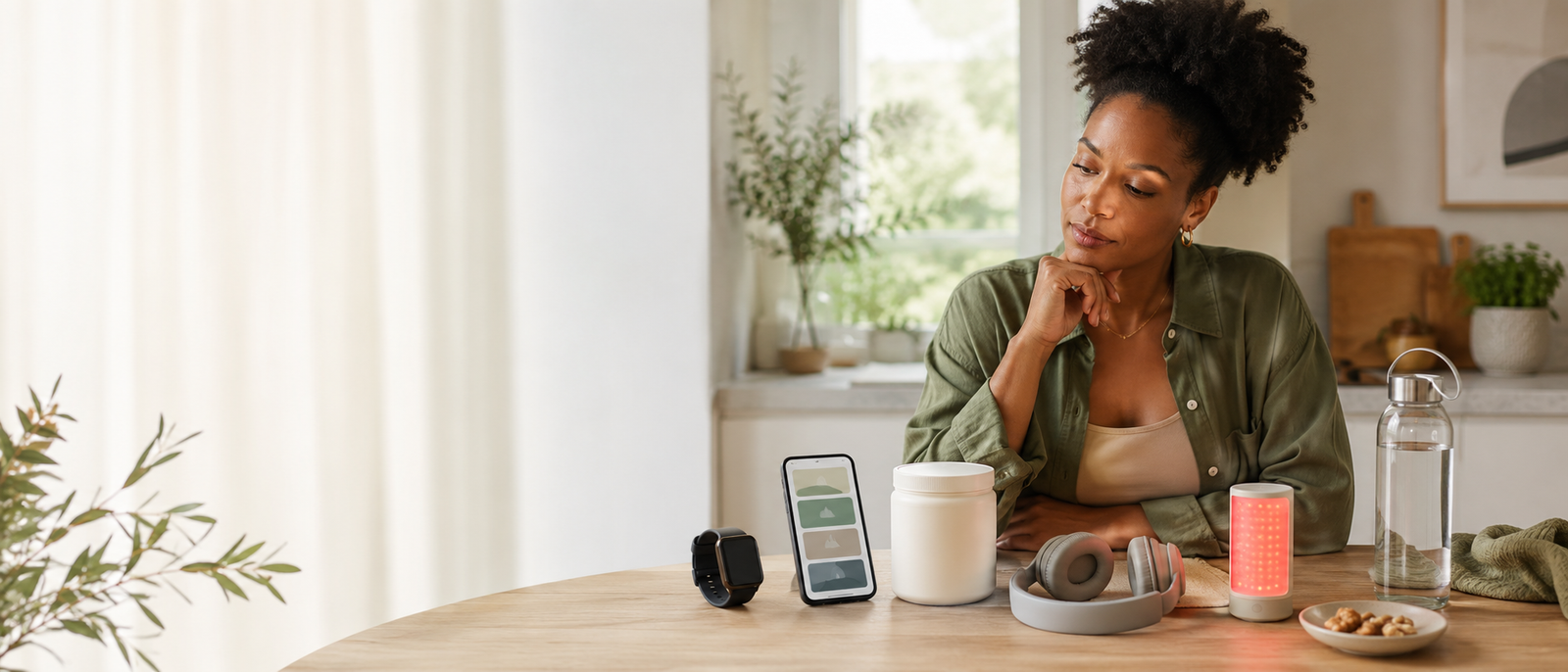
This guide is for remote workers, home workers, freelancers, bloggers, creators, side hustlers, parents, carers and small business owners who keep seeing wellness trends online and want a calmer way to decide what is actually useful.
It is especially useful if your life already includes emails, school runs, invoices, laundry, client calls, screen fatigue, patchy meals, interrupted sleep and a suspiciously emotional printer that is unlikely to improve after you buy a recovery gadget.
Your Real Day Is The Test
Start with the actual problem
Before trying any wellness trend, name the real problem. Are you tired, stiff, anxious, distracted, sleeping badly, sitting too long, missing meals or feeling overloaded?
A useful trend should answer a specific need. If the internet has simply made your normal life feel inadequate, pause. That is not self-care. That is marketing wearing stretch fabric.
Try the boring version first
Most useful wellness trends have a boring version. Recovery starts with rest. Sleep optimisation starts with bedtime boundaries. Functional nutrition starts with eating proper meals. Nervous-system support can start with breathing, walking and fewer notifications.
Try that version before buying the premium one. If the simple habit helps, excellent. If you cannot use the simple habit, the expensive version may just become clutter with a charging cable.
Check the cost of maintenance
A trend does not only cost money. It can cost attention, cleaning, charging, tracking, appointments, guilt, storage and another app login.
Busy home workers need wellness that lowers friction. If the trend adds more decisions than relief, it may not fit your life, even if it looks impressive on someone else’s perfectly lit shelf.
Keep the exit door open
You are allowed to stop using a wellness product, app or habit that does not help. You do not need to continue because you bought it, downloaded it or briefly imagined yourself becoming extremely balanced by Thursday.
A good wellness experiment should be easy to review and easy to leave.
The point is not to follow every trend or mock every new idea. The point is to protect your time, money and nervous system. If a trend helps your ordinary day feel steadier, calmer or easier, it deserves attention. If it mainly creates guilt, clutter or another subscription, it can wait.
Popular Wellness Trends, Judged Carefully
Wearable Wellness Trackers
Wearable wellness trackers claim to help you understand sleep, movement, recovery and daily patterns. The boring version is simply noticing when you sleep better, move more and feel less drained.
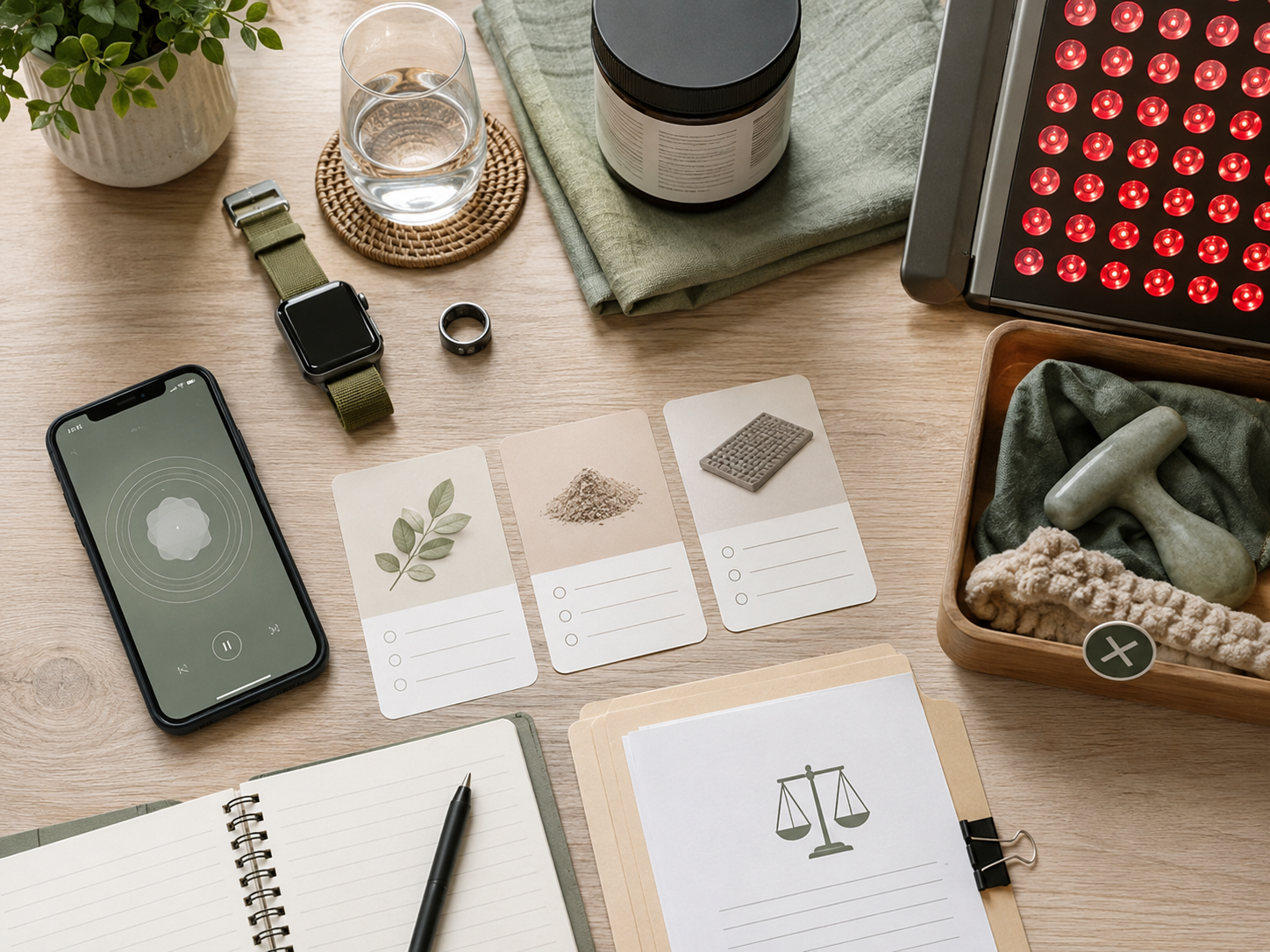
They may be useful if data leads to kinder decisions, such as earlier shutdowns or more walking. Skip or simplify if every score becomes a judgement. Apple Watch, Samsung Galaxy Watch, Garmin, Fitbit and WHOOP-style trackers work best as pattern tools, not personality reports.
Red Light Therapy
Red light therapy devices are often marketed around skin, recovery, pain, sleep and general wellness. The boring version is asking what specific problem you want help with, then checking evidence and safety for that exact use.
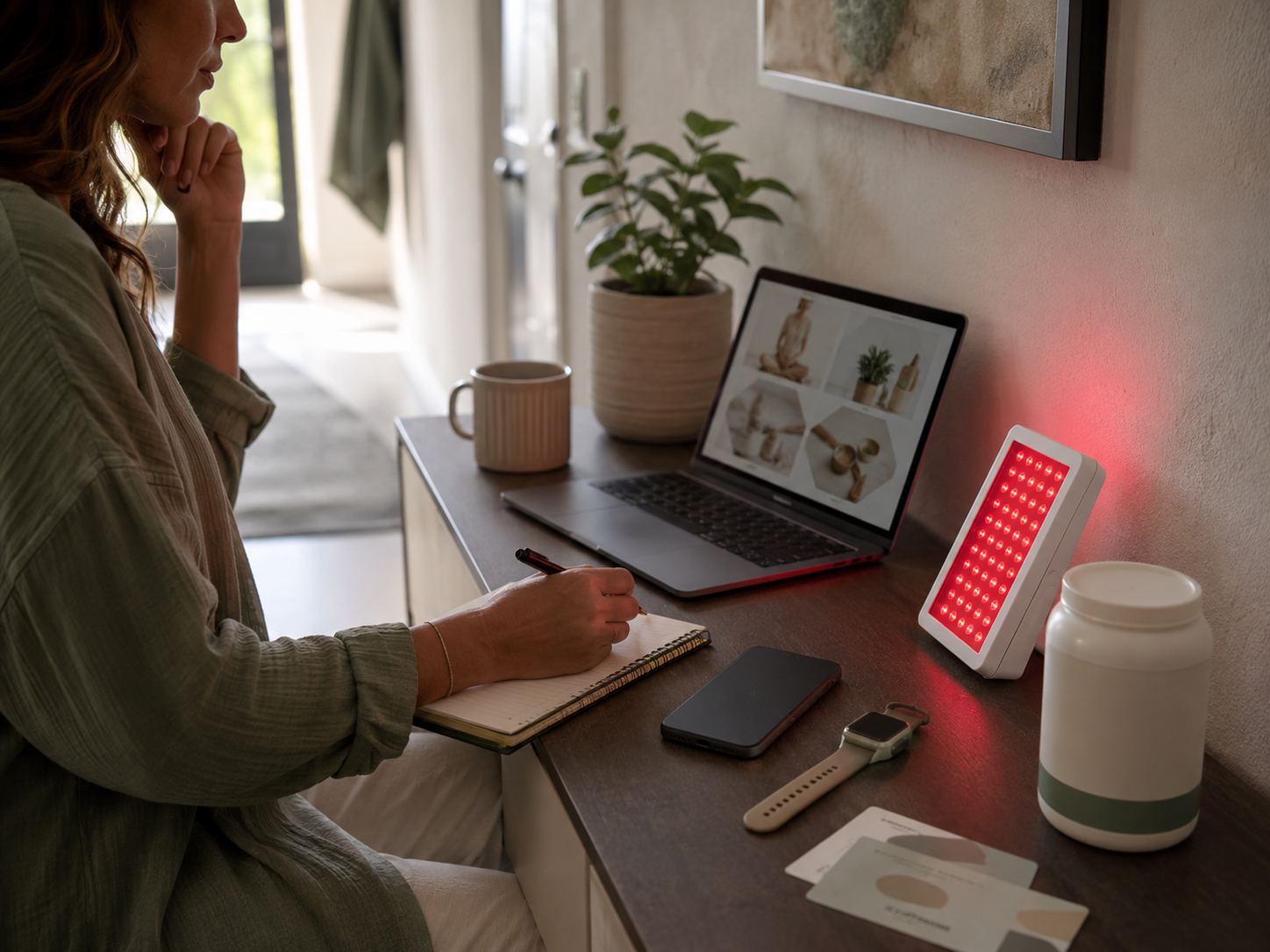
This is a cautious curiosity trend, not a first-line busy-worker fix. Skip it if you are missing sleep, food, daylight and movement. Check product quality, eye safety, guidance and suitability before spending money.
Cold Plunges And Recovery Culture
Cold plunges claim to support recovery, resilience, energy or mood for some people. The boring version is ordinary recovery: sleep, rest, movement, hydration, breaks and not working until your face becomes a spreadsheet.
Cold exposure may suit some people, but it is overhyped for many busy home workers. Skip it if discomfort is being sold as proof of virtue. Get proper advice if health conditions, pregnancy or safety concerns apply.
Daily Supplements And Functional Nutrition
Supplements claim to support gaps around vitamin D, protein, omega-3, magnesium, stress support or general nutrition. The boring version is checking meals, daylight, sleep, caffeine, workload and whether there is a real reason to supplement.
They may be useful in the right context. Skip blind stacks, vague “energy” promises and social-media routines. Check labels, doses, interactions and professional guidance when needed.
Meditation And Breathwork Apps
Meditation and breathwork apps claim to help with stress, focus, sleep and emotional regulation. The boring version is a short pause, slower breathing or stepping away from the screen.
This is one of the easier trends to try cheaply. Headspace, Calm, Insight Timer and Breathwrk-style tools can support resets, but the habit matters more than the app. Skip anything that turns calm into another dashboard.
What Makes A Trend Worth Trying?
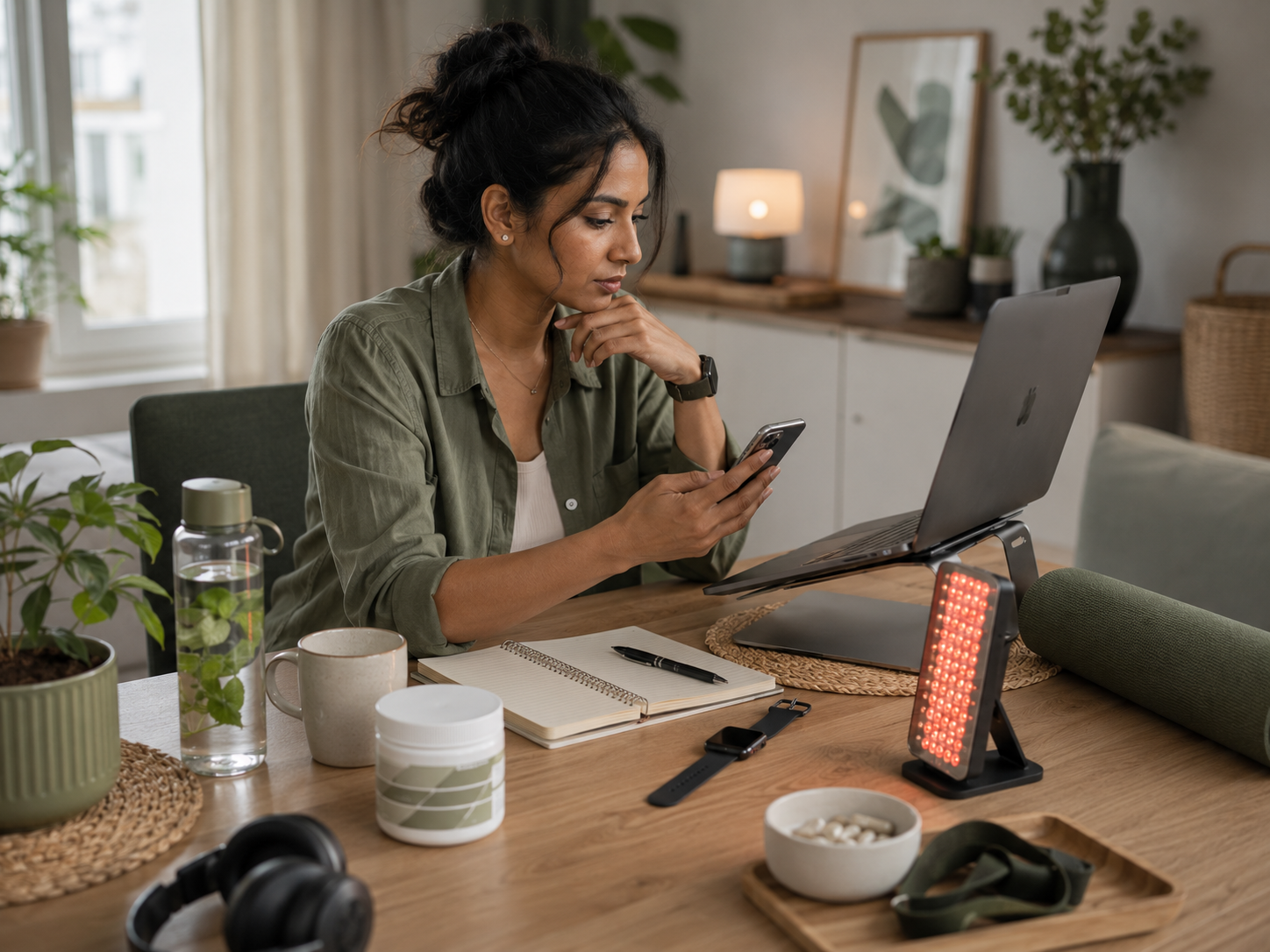
It lowers friction
A useful trend makes a helpful behaviour easier. A wearable reminds you to walk. A breathing app helps you pause. A simple nutrition habit reduces skipped lunches. A recovery routine helps you stop earlier.
That is the real magic: less friction. Not a full identity change. Not a morning routine that needs its own production team.
It has a clear success sign
Before trying a trend, decide what would count as useful. Fewer skipped lunches? Less inbox stress? Better evening shutdown? More walking? Less guilt around rest?
If the success sign is vague, the trend can keep selling hope forever. Give it one job, then judge whether it does that job.
It fits your ordinary week
A trend that only works during a perfect week is not reliable enough for most home workers. Real life includes calls, children, caregiving, messages, late nights, deliveries and people asking where things are while standing near those things.
Choose habits that survive interruptions. Your actual week is the testing lab.
It does not crowd out basics
A wellness trend should not replace the basics it depends on. Supplements do not replace food. Wearables do not replace recovery. Cold plunges do not replace sleep. Apps do not replace boundaries.
If a trend helps you return to basics, good. If it distracts from them, it is probably expensive scenery.
Wellness Trends Busy Workers Can Probably Ignore
Trends that need perfect routines
If a trend only works with silent mornings, expensive equipment, uninterrupted evenings and a kitchen that looks like nobody lives there, it may not fit your life.
Busy workers need habits that survive interruption. If a trend collapses the moment school messages, client calls or laundry enter the chat, it is probably not your best starting point.
Trends that sell urgency
Be careful when a trend makes you feel behind, broken or irresponsible for not trying it yet. Urgency is often a sales tool.
You do not need to optimise every part of being alive. Some trends can safely remain information you briefly noticed and then allowed to leave your brain in peace.
Trends that create financial pressure
Wellness should not quietly become another bill you feel guilty about. Devices, subscriptions, supplements and specialist routines can add up quickly.
Before buying, ask whether a cheaper version would solve the same problem. Annoyingly often, the answer is yes: walk, rest, eat, stretch, breathe, sleep, repeat.
Trends that make tracking stressful
Tracking can help when it reveals patterns. It can backfire when it turns sleep, steps, recovery, calories, heart rate or focus into a daily exam.
If the numbers make you anxious, competitive or self-critical, reduce notifications, simplify the data or take a break. Your body is not a performance dashboard.
Trends that replace proper support
Some problems need professional advice, workload changes, medical care, therapy, rest, help or boundaries. A trend cannot always carry that weight.
If symptoms are persistent, worrying, painful or interfering with daily life, do not keep buying products around the issue. Get appropriate support instead.
Trend Categories To Treat With Extra Care
Higher-risk or health-adjacent trends
Be more cautious with supplements, extreme temperature exposure, intense fasting, hormone-related claims, detox products, pain devices, recovery tools and anything promising medical-sounding benefits.
Check suitability before trying anything that affects medication, pregnancy, breastfeeding, heart health, blood pressure, mental health, chronic conditions, sleep, pain or injury. “Wellness” is not a magic word that removes risk.
Low-cost trends with lower pressure
Short walks, breathwork, screen breaks, earlier shutdowns, simple meal prep, hydration, stretching, sleep boundaries and basic recovery habits are often better starting points.
They are not glamorous, which is probably why nobody is filming them beside a £400 lamp. But they are easier to test, cheaper to abandon and more likely to fit inside a normal work-from-home week.
Wellness Trends Worth Trying Cheaply First
Nervous-system resets
Try short breathing exercises, micro meditations, slower exhales or a two-minute pause between tasks before buying an elaborate stress-support system.
This is useful for email stress, calls, overwhelm and the moment when your shoulders have moved into a permanent upstairs position. You do not need to become a meditation person to benefit from a small reset.
Recovery basics
Try sleep boundaries, lunch breaks, walking, stretching, lower evening screen intensity and fewer late work sessions before investing in premium recovery tools.
Recovery is not always glamorous. Sometimes it is closing the laptop, eating something with protein, going outside and not treating your body like a replaceable accessory to your calendar.
Simple nutrition upgrades
Try better breakfasts, easier lunches, hydration, visible snacks and basic meal prep before building a supplement shelf.
Functional nutrition sounds fancy, but busy workers often need fewer skipped meals and less coffee-based optimism. A boring repeatable lunch can do more for your day than a powder with a mountain on the label.
Gentle tracking
Try using wearable data as a pattern tool, not a scoreboard. Notice sleep timing, movement, resting trends or recovery signals without turning every number into a moral judgement.
If tracking helps you make kinder decisions, useful. If it makes you anxious, guilty or overly focused on scores, the trend may be costing more than money.
FAQ
Are wellness trends worth following?
Some wellness trends are worth trying if they solve a clear problem, fit your real life and do not create pressure, clutter or financial strain.
The best trends usually support basic habits: sleep, movement, food, recovery, stress regulation and boundaries. If a trend mostly sells identity, urgency or guilt, be cautious.
How do I know if a wellness trend is real or hype?
Ask what problem it solves, what the lower-cost version is, whether the claim is specific, what the risks are, and whether it fits your normal week.
Hype often uses dramatic promises, vague science, influencer urgency and expensive routines. Useful wellness usually sounds more modest and works alongside ordinary habits.
What wellness trends are actually useful for busy workers?
Busy workers may benefit from simple tracking, short breathwork, realistic meditation, better sleep routines, walking, hydration, easier meals and basic recovery habits.
Wearables, apps and supplements can support some of those habits, but they should not replace the foundations. The useful trend is the one that lowers friction.
Are cold plunges worth it?
Cold plunges may be useful or enjoyable for some people, but they are overhyped for many busy home workers. They are not the first fix for poor sleep, skipped meals, stress, overwork or lack of movement.
They may also be unsuitable for some people. Get proper advice if unsure, and do not treat discomfort as proof that something is good for you.
Do wellness trackers help or create more stress?
Wellness trackers can help if they reveal useful patterns around sleep, movement, recovery and daily habits. They can create stress if every score becomes a judgement.
Use tracker data as information, not identity. If the device makes you feel anxious or guilty, adjust notifications, simplify tracking or take a break.
How can I try wellness trends without wasting money?
Start with the free or cheap version first. Try walking, breathing, earlier shutdown, basic meal prep, daylight, stretching or a free meditation before buying devices, subscriptions or supplements.
Choose one experiment, define the problem, review whether it helped and stop if it adds guilt or clutter.
Final Verdict
Wellness trends are not automatically myth or magic. Some can help when they make real life easier: useful tracker data, small breathing resets, sensible nutrition support, better recovery habits or a clearer wind-down routine.
The best wellness trend is the one that fits your actual life, not your imaginary routine. If it helps you feel steadier, calmer or better supported without adding guilt, clutter or financial pressure, it deserves attention. If it mainly makes you feel behind, it can wait.


