



Host a Virtual Halloween Party: Audio,…

20 Minimalist Halloween Nail Ideas for…

Can Free Affinity Help You Build…

12 Lower-Sugar Halloween Treat Swaps Worth…

Can Hostinger AI Builder Launch a…

A 5-Step Screen-Free Autumn Reading Ritual…

Plug-In Solar Panels UK: Are They…

15 Last-Minute Zoom Halloween Costumes for…

Meta One Explained: Is the Subscription…

10 Low-Fuss Dog Halloween Ideas: Comfort…

Plaud One Explained: Can AI Earbuds…

9 Gothic Dinner Table Ideas for…

Namecheap vs Dynadot

7 UK Ghost Tours and How…

Convertkit Vs Beehiiv

Do You Really Need a £420…

Bluehost vs Siteground

15 Gentle Spooky Autumn Books to…

Namecheap review

How to Remove Halloween Face Paint…
Mailchimp became popular because it made email marketing feel less intimidating for smaller businesses. Earlier platforms often looked technical and overloaded with enterprise features, while Mailchimp felt cleaner and easier using. Over time, the platform expanded into ecommerce automation, customer journeys, analytics, landing pages, and advanced marketing workflows. That growth helped Mailchimp compete with larger platforms, although it also made the dashboard feel more complex than before. Today, some businesses appreciate the deeper features while others miss the simplicity that originally made Mailchimp attractive.
Quick Overview
In this review you will learn:
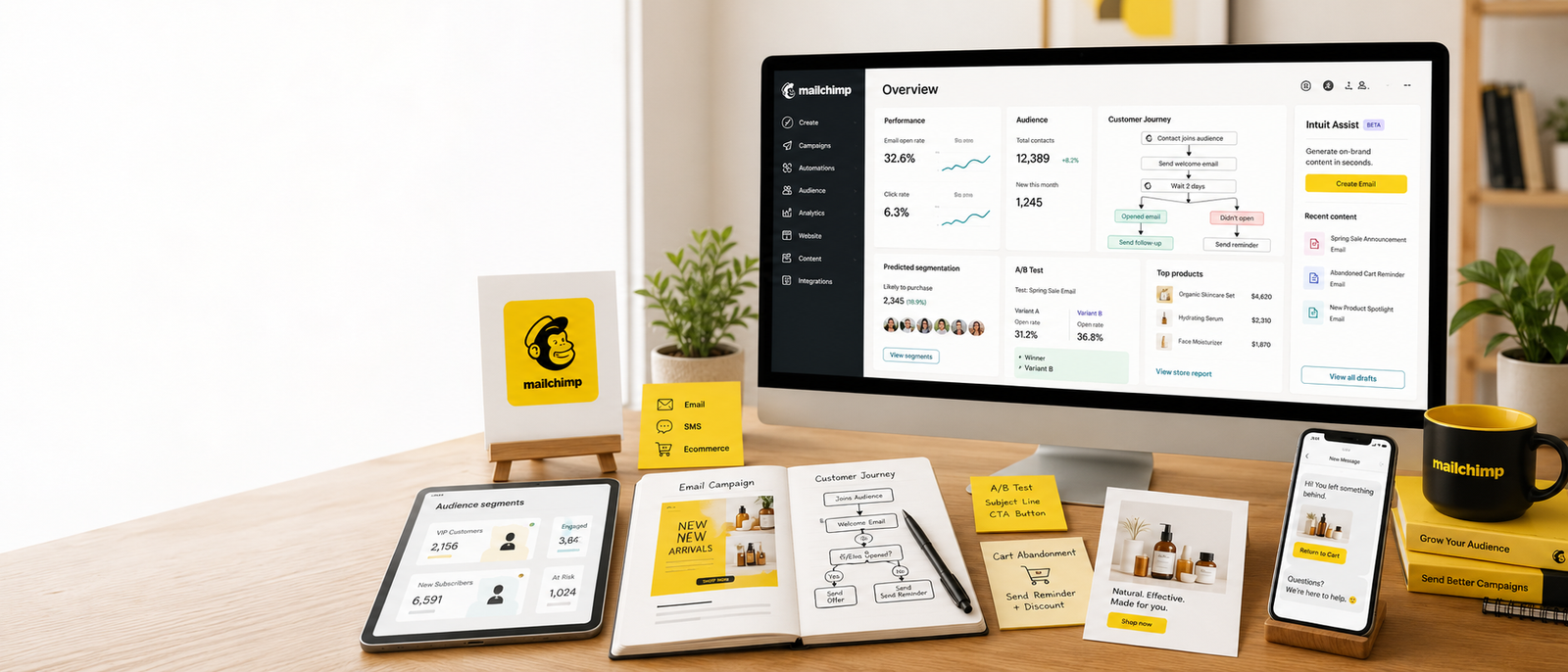
Email marketing platform supporting automation and customer communication.
Helpful next reads: MailerLite review
Why Businesses Started Using Mailchimp
The Platform Felt Beginner-Friendly
Many small businesses picked Mailchimp because the platform felt approachable immediately. The dashboard looked cleaner, campaign setup felt visual, and sending newsletters did not require deep technical knowledge.

Ecommerce Features Added Real Business Value
Mailchimp became especially useful for online stores wanting:
Without building everything manually.

Keeping Marketing Tools Together Reduced Stress
Businesses liked managing newsletters, forms, landing pages, automations, and customer communication inside one connected system instead of paying for multiple disconnected tools.

Mailchimp Became The Safe Default Choice
For years, Mailchimp appeared in almost every “best email marketing platform” list online. Beginners often signed up simply because the platform was familiar and widely trusted.

The Biggest Mailchimp Problem Is Not Features
The real issue is usually complexity creep.
A creator starts with one simple newsletter. Then come customer journeys, automations, segmentation layers, ecommerce workflows, behavioural triggers, analytics dashboards, and campaign systems.
Eventually the platform starts feeling heavier than the business actually needs.
That shift matters more than many reviews admit.
A blogger sending one email weekly does not experience Mailchimp the same way a growing ecommerce store does. One business sees useful infrastructure. The other sees extra dashboard clutter slowing everything down.
That difference explains why some people stay with Mailchimp for years while others quickly move toward simpler platforms.
Explore more insights: Email marketing automation explained
Mailchimp Features
Email Campaigns And Automation
Mailchimp supports:
Helping businesses automate communication more consistently.

Ecommerce Automation Is One Of The Strongest Features
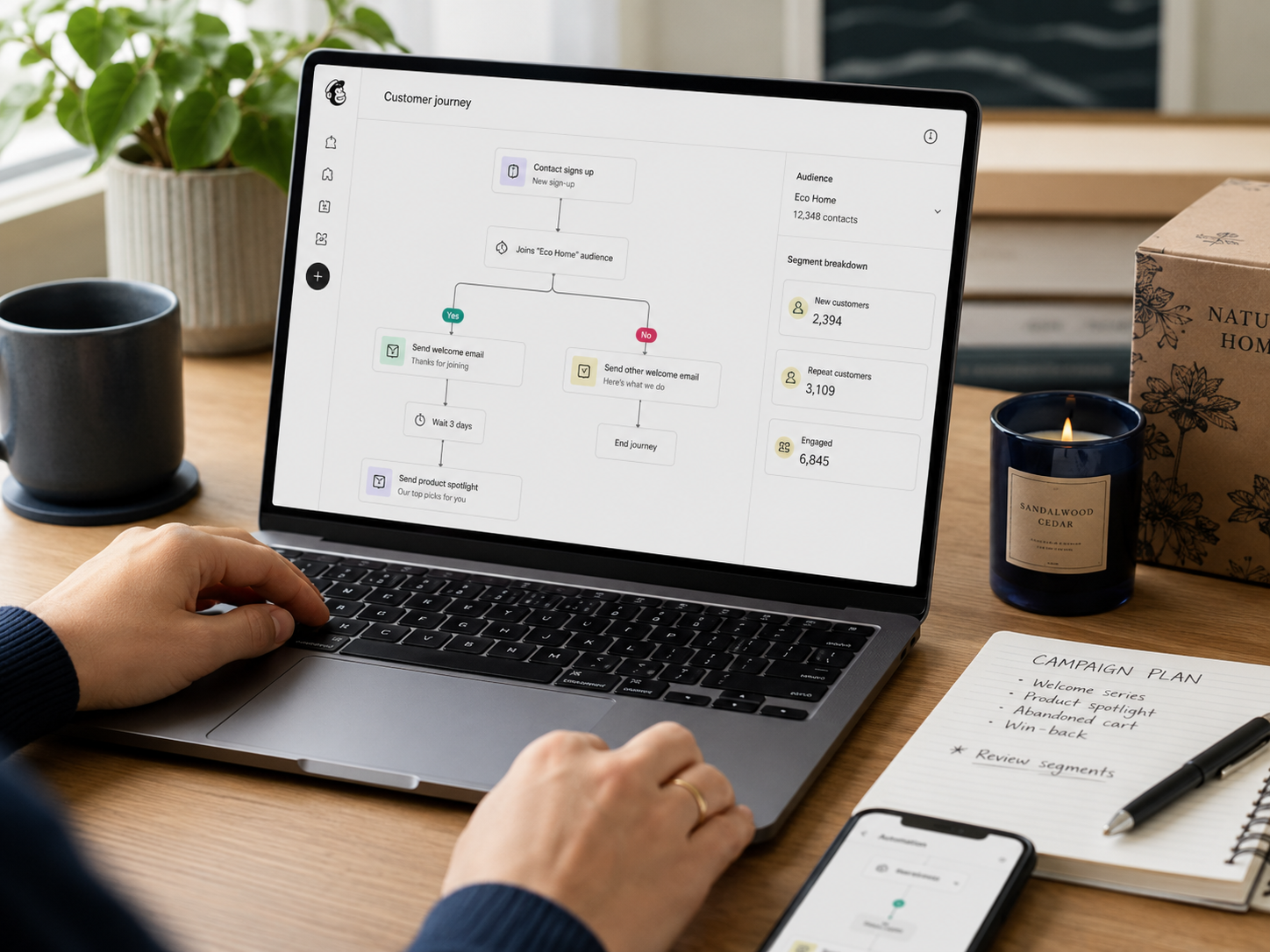
The ecommerce tools remain one of Mailchimp’s biggest advantages. Online stores can automate abandoned-cart reminders, purchase follow-ups, promotional campaigns, and customer re-engagement workflows relatively easily.
Analytics Help Larger Campaigns
Businesses running multiple campaigns often appreciate the reporting tools because they make it easier spotting:
Landing Pages Reduce Tool Fragmentation
Mailchimp includes forms and landing pages connected directly to email campaigns, which helps businesses reduce the number of separate marketing tools they manage daily.
Audience reporting system supporting campaign performance visibility.
Where Mailchimp Starts Feeling Frustrating
Pricing Climbs Faster Than Many Expect
Many businesses begin comfortably on lower-cost plans, then realise subscriber growth steadily pushes monthly costs higher. That becomes frustrating once newsletters scale but revenue stays inconsistent.

The Dashboard Feels Much Busier Than Before
Older users often mention this specifically. Mailchimp once felt simpler. As more features were added, the platform gradually became more layered and harder navigating comfortably.

Smaller Creators Frequently Use Only A Small Portion Of The Platform
A creator sending one newsletter weekly usually does not need:
Yet those features still occupy dashboard space constantly.
Simpler Competitors Often Feel Easier Daily
Platforms like MailerLite and ConvertKit frequently feel calmer because the workflows stay more focused on publishing newsletters instead of managing large marketing ecosystems.
Email marketing platform supporting automation and campaign management.
More Features Do Not Always Improve Marketing
This is where many businesses get stuck.
People often assume sophisticated marketing must look complicated. They watch tutorials filled with giant automation diagrams, behavioural triggers, segmentation trees, and endless dashboards, then assume professional businesses operate that way daily.
Often the opposite becomes true.
Cleaner systems usually improve:
The best workflows usually feel manageable, not exhausting.
Frequently read together: MailerLite alternatives
Which Businesses Fit Mailchimp Best?
Ecommerce Stores
Mailchimp works especially well for online stores needing abandoned-cart emails, customer segmentation, promotional campaigns, and product-focused automation workflows.
Product-Based Brands
Brands selling physical or digital products often benefit from the broader campaign infrastructure, ecommerce integrations, and customer communication tools.
Growing Marketing Teams
Teams managing larger customer databases frequently appreciate the reporting visibility, segmentation tools, integrations, and campaign management features.
Newsletter-Only Creators May Prefer Simpler Platforms
Mailchimp review comparisons become much clearer once creators ask themselves one question:
“Do I need a marketing ecosystem, or do I mainly want a clean newsletter tool?”
Cleaner creator email system supporting audience communication consistency.
Pros And Cons Of Mailchimp
Mailchimp Pros
Mailchimp Cons
Workflow Pros
Workflow Cons
FAQs
Which businesses suit Mailchimp best?
Mailchimp usually fits ecommerce stores, online brands, and businesses wanting stronger customer segmentation and broader marketing infrastructure.
Why do ecommerce brands use Mailchimp?
The ecommerce tools support abandoned-cart emails, customer journeys, promotional campaigns, and automated follow-up effectively.
Is Mailchimp beginner-friendly?
Initially yes. However, many users eventually find the growing feature set makes the dashboard feel heavier over time.
Why do creators switch away from Mailchimp?
Many creators eventually prefer simpler lower-cost platforms with cleaner workflows and less dashboard clutter.
Is Mailchimp still worth using?
For ecommerce-focused businesses, often yes. Smaller newsletter-focused creators may still find better value with simpler alternatives.
Final Verdict
Mailchimp remains a strong email marketing platform for ecommerce brands and businesses wanting automation, segmentation, reporting, and customer communication connected together inside one system.
The platform’s biggest strength is also its biggest weakness.
Mailchimp expanded far beyond newsletters, which makes it powerful for larger businesses but sometimes exhausting for smaller creators wanting simplicity.
That is why the best choice depends less on feature count and more on workflow fit.
Businesses needing ecommerce automation and layered campaigns will likely appreciate the broader infrastructure. Creators mainly wanting calm, consistent newsletter publishing may feel more comfortable using lighter alternatives instead.


