


How to Save Money at Christmas…

Last-Minute Gifts for Busy People Working…

Start Saving for Next Christmas Now

Stocking Fillers Under £15 for Home…

A Simple Christmas Savings Plan by…

Christmas Hampers Worth Giving: Choose, Build…

Cheaper Christmas Food Shop Swaps for…

Secret Santa Ideas Under £10 for…

Buy in the January Sales: Home…

Calm Christmas Hosting Without the Stress

Winter Wellness for Busy Days: Small…

Cosy Christmas Movie Night Essentials for…

Christmas Gifts for Home Workers That…
Christmas is a known cost that arrives every year, and for self-employed and home-based readers it often lands alongside seller deadlines. This guide covers a small regular pot, a short planned-buys list, a Black Friday price check and December posting dates.
Treat this Christmas as the rehearsal for the next one. It is general information; you choose the figures.
Quick Overview
- MoneyHelper's example: £20 a month from January gives £240 by Christmas.
- MoneyHelper says a regular monthly sum is more effective than saving what is left.
- MoneySavingExpert says Black Friday 2026 is Friday 27 November, with deals starting earlier.
- Royal Mail's last recommended 2nd Class posting date is Friday 18 December.
- MoneyHelper's free budget planner shows what is left over each month.

Why Christmas costs are easy to underestimate
NimbleFins: a household estimate
NimbleFins estimates that the average UK household spent about £780 at Christmas in 2025, based on ONS retail spending data. For 2026 it gives about £819, but only if spending rises 5%. These are NimbleFins estimates, not official ONS figures, checked on 1 November 2026. Figures and prices can change, so read them as a rough backdrop for a whole household.
YouGov: a survey of Britons
YouGov surveyed 4,243 Britons between 19 and 24 November 2025. About a third said they are typically worried about Christmas's effect on their personal finances. Among those who answered, the median expected festive spend was £550, counted across five spending categories. That is a survey of expectations, so it describes the people asked and nothing wider.
Do not blend them
One number is an estimate of household spending from retail data; the other is what survey respondents expected to spend. Different definitions give different totals, so do not add or average them. Neither is a budget to aim for, and there is nothing to feel guilty about if your own figure is lower or higher.
The simple monthly pot
MoneyHelper's worked example
MoneyHelper's own illustration is simple: saving £20 a month from the start of the year gives £240 to spend at Christmas. That is arithmetic, not a recommended amount, and £20 may be far too much or too little for your month. The useful part is the shape of the sum: a regular amount, repeated until December.
Swap in your own figure
Multiply your monthly figure by the months left. As a hypothetical, say you choose £10 a month and start with 6 months to go: that gives £60. Starting late just means fewer months, not a failed plan.
MoneyHelper says committing to a regular sum each month or week is more effective than saving whatever is left over, which might be nothing. That is its guidance, not a guarantee for every budget.

Keep it separate
Name the pot 'Christmas' so it does not quietly fund other things. Moving a fixed amount on the same day each month takes the decision out of it. MoneyHelper also notes that borrowing to cover Christmas could cost interest and fees, which is one reason to begin well before December. This guide does not recommend any particular account.
Buy one planned item a month
Why a list helps
MoneyHelper suggests that if you know what gifts you need, picking up one item a month can spread the cost and avoid shopping when everyone else is. For home workers that also means fewer lunchtime dashes between client calls. The catch is that it only works if the list exists, so write it before you buy anything.

A list you can copy
Include business-side gifts, such as cards for clients and customers, alongside family ones. Use four columns, one row per item:
- Person or item
- Month to buy
- Price ceiling you set yourself
- Date bought
Where to keep it
Use a notebook or a spreadsheet, whichever you will open.
Black Friday 2026: planned buys only
Check the price history
Before buying a planned item, look at how its price has moved over recent weeks. Bdaily suggests checking price history. In plain terms, if today's 'deal' matches last month's price, it is simply the ordinary price.
Compare one other retailer
Bdaily also suggests comparing at least one other retailer. A two-minute search for the same model can show whether the headline price is unusual or normal. Do the same for a business purchase such as a monitor or microphone.
Look at the 'was' price
Bdaily says retailers are supposed to base a 'was' price on a genuine recent selling price. That makes it worth checking, though it is not something you can enforce at the checkout. Treat a large crossed-out figure as a prompt to look at the history.
Is it on your list?
If the item is not already on your planned-buys list, it is not a planned buy. Write the price ceiling first, then decide whether the deal beats it. Anything else is an impulse purchase with a countdown clock attached.
The date, and why it is no longer one day
MoneySavingExpert says Black Friday 2026 is Friday 27 November, but many retailers run deals in the weeks before, and some are already on. Use this year as a rehearsal: practise the checks above on real planned buys now. Waiting does not guarantee a lower price, so the checks matter more than the date.
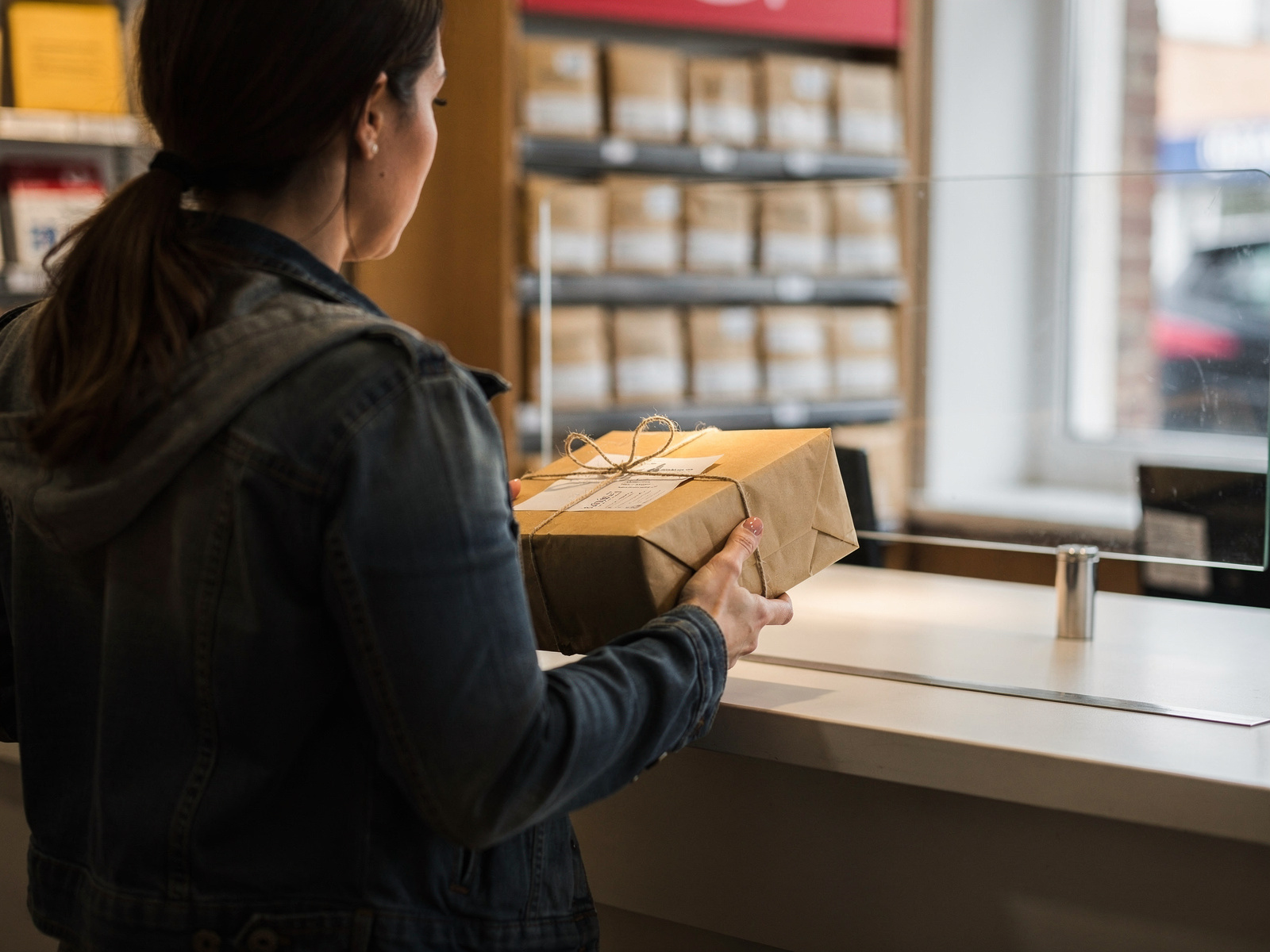
Royal Mail's last recommended posting dates for 2026
2nd Class
Friday 18 December is Royal Mail's last recommended posting date for 2nd Class. It is the earliest of the three dates, so plan your own packing around it.
1st Class and Tracked 24
Monday 21 December is the last recommended date for both 1st Class and Tracked 24. They share one date, so the choice between them is about tracking rather than timing.
Special Delivery
Wednesday 23 December is the last recommended date for Special Delivery, the latest of the three.
Work back from your date
Pick the service you will actually use, then set your own earlier cut-off for packing and posting. These are last recommended dates, not delivery guarantees, and Royal Mail says they can change, so check the Royal Mail or Post Office page nearer the time.
Getting seller parcels ready before December
The pre-peak checklist
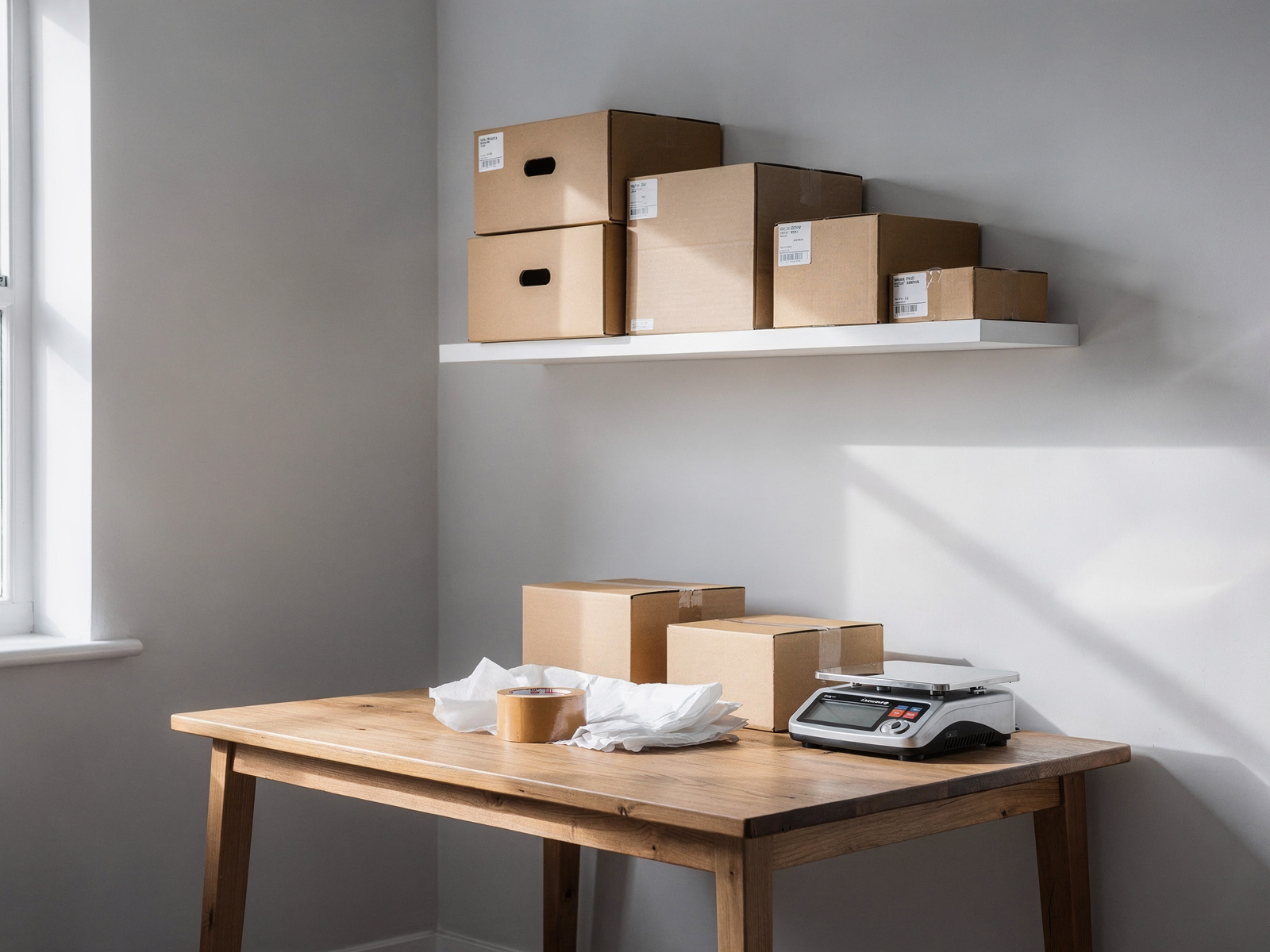
Do these in the quieter weeks, not in the first week of December:
- Packaging stock for your usual parcel sizes
- One weighed example of each product, so the postage cost is known
- Labels ready, whether handwritten or printed at home
- A customer cut-off date shown on your shop page
Weigh first, quote second
Weighing parcels at home shows the postage cost before you list a product or quote a customer, so a heavier box does not quietly eat your margin.
Set your own cut-off
Choose a customer order deadline earlier than the last recommended date for the service you offer, and put it on your shop page and in order confirmations. How much earlier is up to you. Tell customers once, clearly, rather than apologising in December.
Make room in the budget: a quick subscription and running-costs tidy-up
Audit in one sitting
Set aside one sitting and work through this list:
- List every subscription and its renewal date
- Mark the ones you have not used lately
- Decide for each one: keep, pause or cancel
- Check business tools and software against what you actually use

Use the free planner
MoneyHelper's free Budget planner adds up your income and outgoings and shows what is left over. It is a signpost, not personal advice, but it can help you see which monthly figure is realistic before you commit to one.
What to do this week
Write the list
Write the planned-buys list, even a rough one. A name and a month beside each item is enough to start.
Name the pot
Label a separate pot 'Christmas', so the money has one clear job and is not borrowed from by accident.
Pick a figure
Choose a monthly figure that suits you and multiply it by the months left, as in the pot section. Unsure what is left over? Try the budget planner first. Skipping a month is not failure; adjust the figure and carry on.
Frequently asked questions
How much should I save for Christmas?
That depends on your own budget, so there is no figure here to copy. MoneyHelper's example of £20 a month giving £240 is arithmetic only. Pick an amount that suits you, and use the free budget planner if you want to see what is left over.
Is regular saving better than saving what is left?
MoneyHelper's guidance favours a committed regular sum over saving whatever is left. Our own suggestion, not MoneyHelper's: if your income is lumpy, a smaller sum you can always manage may be easier to keep up.
What should I know about Christmas savings clubs?
MoneyHelper says Christmas savings schemes are not regulated like banks and building societies, so you might lose money paid in if a club goes out of business. It adds that unregulated clubs are not governed by the FCA, are not FSCS-protected and in most cases earn no interest.
Is Black Friday always the cheapest time?
Not always, and nobody can promise it. Deals now start weeks earlier, so waiting for the day itself may not help. Whenever you buy, check the price history and one other retailer, and skip anything that is not on your planned list.
When is the last day to post for Christmas 2026?
It depends on the service. Friday 18 December for 2nd Class is the earliest of the last recommended dates, and the full set is in the dates section above. They are not delivery guarantees, so check the Post Office page again nearer the time.
Is borrowing for Christmas a good idea?
MoneyHelper's caution is that borrowing to cover Christmas spending could come at a price in interest and fees. Whether it suits you depends on your own circumstances, which this guide cannot judge. The monthly pot above is the approach it covers.
Verdict
Spread the cost: a regular pot, a short planned-buys list and a price check before any deal purchase can make December less of a shock. The biggest reservation is that every estimate and example here is an illustration, not a target, and Royal Mail's dates can change. Next step: write the list this week, and use MoneyHelper's free budget planner if you need to see what is left over.