


Host a Virtual Halloween Party: Audio,…

20 Minimalist Halloween Nail Ideas for…

Can Free Affinity Help You Build…

12 Lower-Sugar Halloween Treat Swaps Worth…

Can Hostinger AI Builder Launch a…

A 5-Step Screen-Free Autumn Reading Ritual…

Plug-In Solar Panels UK: Are They…

15 Last-Minute Zoom Halloween Costumes for…

Meta One Explained: Is the Subscription…

10 Low-Fuss Dog Halloween Ideas: Comfort…

Plaud One Explained: Can AI Earbuds…

9 Gothic Dinner Table Ideas for…

Namecheap vs Dynadot

7 UK Ghost Tours and How…

Convertkit Vs Beehiiv

Do You Really Need a £420…

Bluehost vs Siteground

15 Gentle Spooky Autumn Books to…

Namecheap review

How to Remove Halloween Face Paint…
Many creators upgrade cameras long before fixing the real problem: unstable footage. A shaky £2,000 camera often looks worse than a stable smartphone. Viewers may forgive average image quality, but constant wobble, drifting framing, and handheld shake quickly become distracting. A good tripod improves professionalism, reduces editing frustration, and makes content easier to watch without requiring another expensive camera upgrade.
Quick Overview
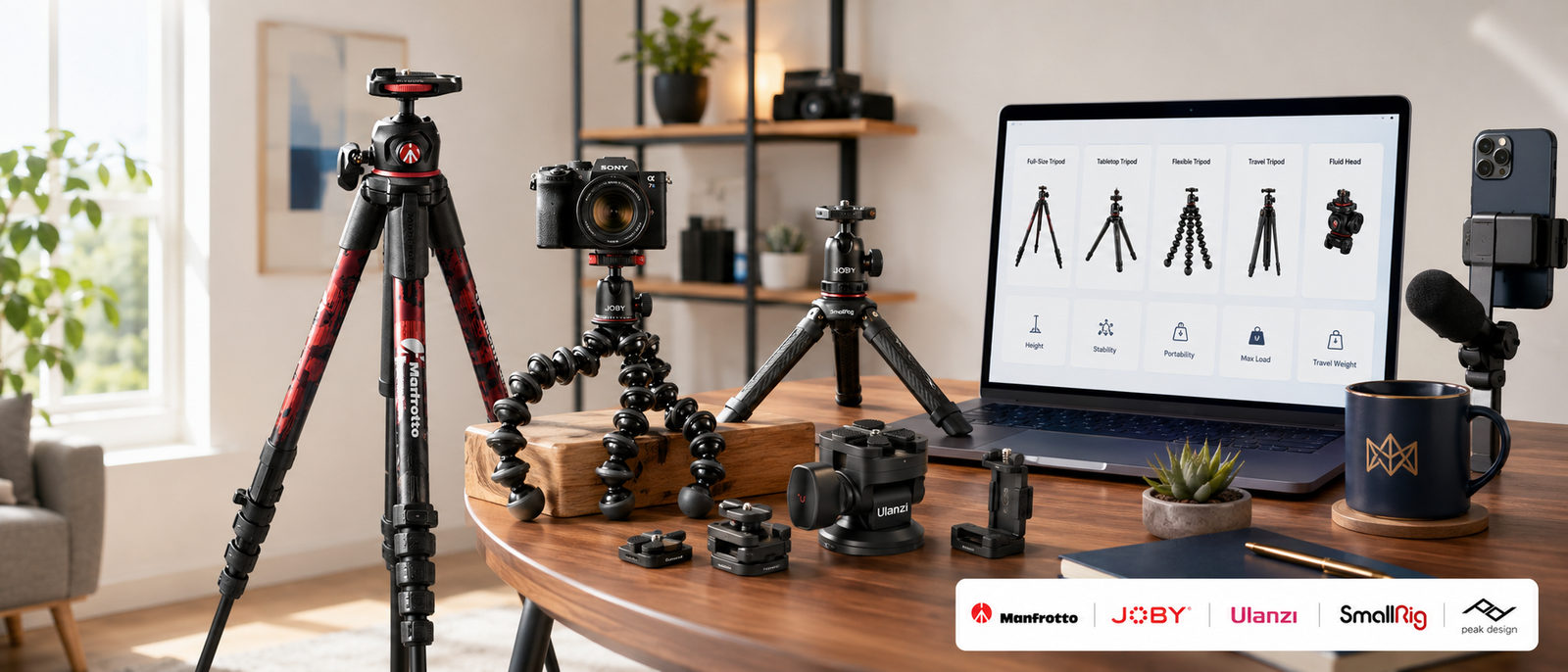
What Makes A Good Creator Tripod?
Stability Comes First
A creator tripod should hold the camera or phone steady without wobbling every time the desk moves, the floor vibrates, or someone touches the setup. Payload capacity matters because a tripod rated for lightweight phones will struggle with heavier cameras and lenses.
Height Affects Framing
Eye-level recording usually looks more natural for tutorials, talking-head videos, interviews, and livestreams. A tripod that only works from a desk may be fine for Zoom, but it quickly becomes limiting for standing videos, product demos, and wider shots.
Weight Changes Real-World Use
Heavy tripods can be stable, but they often stay at home. Travel creators, mobile filmmakers, and social media creators usually need something light enough to carry without turning every filming session into a mild gym workout.
The Head Matters Too
A tripod head affects how smoothly the camera tilts, pans, and adjusts. Ball heads suit quick framing, while fluid heads are better for controlled video movement. Cheap heads can make expensive cameras feel oddly annoying.
Tripods Vs Handheld Shooting
Tripods are best for talking-head videos, tutorials, interviews, webinars, product demos, course lessons, livestreams, and any content where stable framing matters more than movement. Handheld shooting still works for vlogs and energetic behind-the-scenes clips, but it should be intentional rather than accidental. If the viewer is concentrating more on the wobble than the message, the tripod has already justified its existence.
Explore more insights: Best compact lighting gear for video
Best Tripods For Content Creators
UBeesize Tripods
UBeesize is best for beginner smartphone creators who want affordable height and simple setup. Popular 67-inch models extend to roughly 170cm, fold down to around 44–51cm depending on version, and often include a phone holder plus Bluetooth remote. That makes them useful for TikTok, Instagram Reels, beginner YouTube videos, livestreams, and casual home-office recording.
Limitation
UBeesize tripods are not ideal for heavier camera setups. They suit phones and light devices better than mirrorless cameras with large lenses.
Manfrotto Creator Tripods
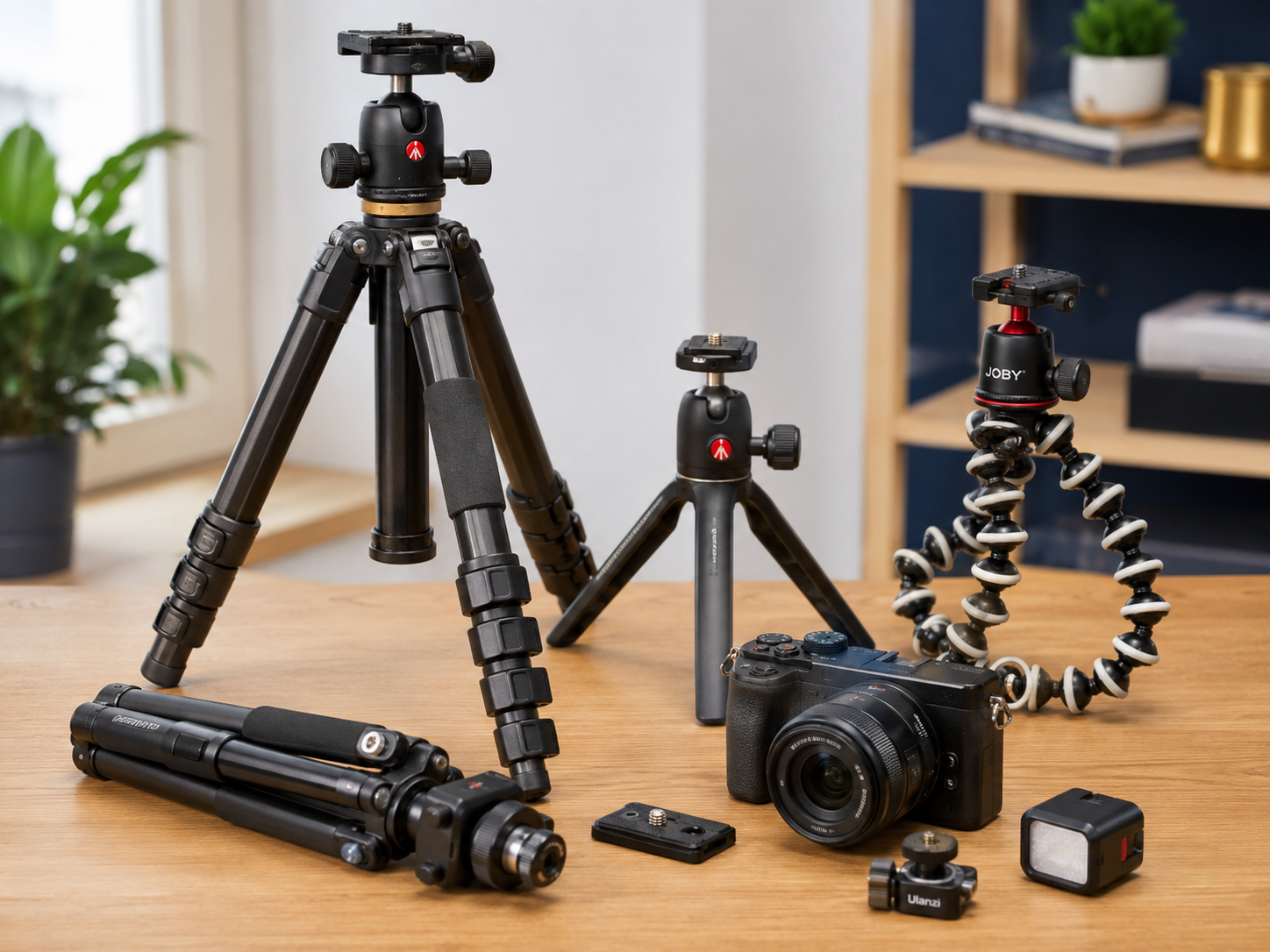
Manfrotto is best for creators who want better build quality and more dependable everyday support. The compact Manfrotto PIXI, for example, weighs around 0.19kg, supports up to 1kg, folds to about 18.5cm, and works well for tabletop filming, webcams, small cameras, and phone setups with adapters.
Limitation
Smaller Manfrotto creator tripods are excellent for desks and tabletops but too short for standing talking-head videos without another surface.
Joby GorillaPod Systems
Joby GorillaPod systems are best for creators needing flexible mounting. The GorillaPod 3K supports up to 3kg, weighs roughly 393g, and has bendable legs that can grip rails, poles, desks, branches, and awkward surfaces. Travel creators, vloggers, and behind-the-scenes shooters benefit most from that flexibility.
Limitation
Flexible legs are useful, but they are slower to position neatly than a normal tripod and can feel less stable with heavier gear at unusual angles.
SmallRig Creator Tripods
SmallRig is best for video-focused creators using heavier camera setups. The SmallRig AD-01 reaches roughly 85–186cm, weighs about 4kg, supports up to 8kg on the tripod, and includes a fluid head for smoother pans and tilts. It suits YouTubers, educators, reviewers, and filmmakers wanting more serious video support.
Limitation
The weight and size make it less convenient for casual travel or quick smartphone filming. This is a proper video tripod, not something you casually throw into a small backpack.
K&F Concept Tripods
K&F Concept is best for creators wanting strong value between budget and professional gear. The 62-inch 2-in-1 selfie stick tripod reaches around 157cm, weighs about 398g, folds to roughly 35cm, and supports up to 2kg. It works well for smartphone creators, lightweight cameras, travel filming, and quick social content.
Limitation
Extending lightweight tripods to full height can introduce wobble, especially outdoors or with heavier equipment. It is better for controlled environments than windy locations.
Gitzo Systematic Series 5
Gitzo Systematic Series 5 is best for professionals using heavy camera systems where stability matters more than price. The GT5543LS weighs around 2.82kg, supports up to 40kg, reaches about 156cm, and folds to roughly 60cm. It suits high-end productions, heavy lenses, outdoor work, and demanding professional setups.
Limitation
Gitzo is overkill for most beginner creators. The price and professional focus make little sense for simple phone videos, casual YouTube setups, or small desk recording.
Best Tripods For Smartphones
The best smartphone tripods are usually UBeesize, K&F Concept, and Joby models because they balance height, portability, remote shooting, and phone-friendly mounting. UBeesize is the easiest beginner choice for indoor phone recording. K&F Concept works better for creators wanting a lightweight travel option with more height. Joby is strongest when the phone needs to attach to unusual surfaces. For smartphone creators, convenience matters more than maximum payload capacity.
Frequently read together: Best webcams for bloggers and course creators
Best Travel Tripods
Joby Suits Flexible Travel Shots
Joby GorillaPod is the best travel option when creators need unusual angles, railings, benches, trees, or compact setups. Its flexible legs make it useful where normal tripods cannot stand easily.
K&F Concept Suits Lightweight Travel
K&F Concept's lightweight selfie-stick tripod options make sense for creators who want height without carrying a full video tripod. Around 398g is manageable for backpacks, day trips, and casual travel filming.
UBeesize Suits Budget Travel
UBeesize works for beginners who want an affordable phone tripod with generous height. It is practical for hotels, home trips, quick reels, and casual travel clips where heavy cameras are not involved.
SmallRig Suits Planned Shoots
SmallRig is better for travel only when the shoot is intentional and equipment space is available. At around 4kg, it is more production gear than casual carry-around tripod.
Tripod Height And Stability
Eye-Level Height Looks Natural
For talking-head videos, the tripod should place the lens close to eye level. Shooting upward from a desk often looks awkward, while eye-level framing feels more professional and comfortable for viewers.
Payload Capacity Protects Stability
A tripod should comfortably support more than the weight of the camera, phone, microphone, light, or accessories attached. Running close to the maximum payload often creates wobble and adjustment problems.
Outdoor Filming Needs Extra Care
Wind, uneven ground, and movement nearby can expose weak tripod stability quickly. Wider leg positioning, lower centre columns, and heavier support usually help outdoors.
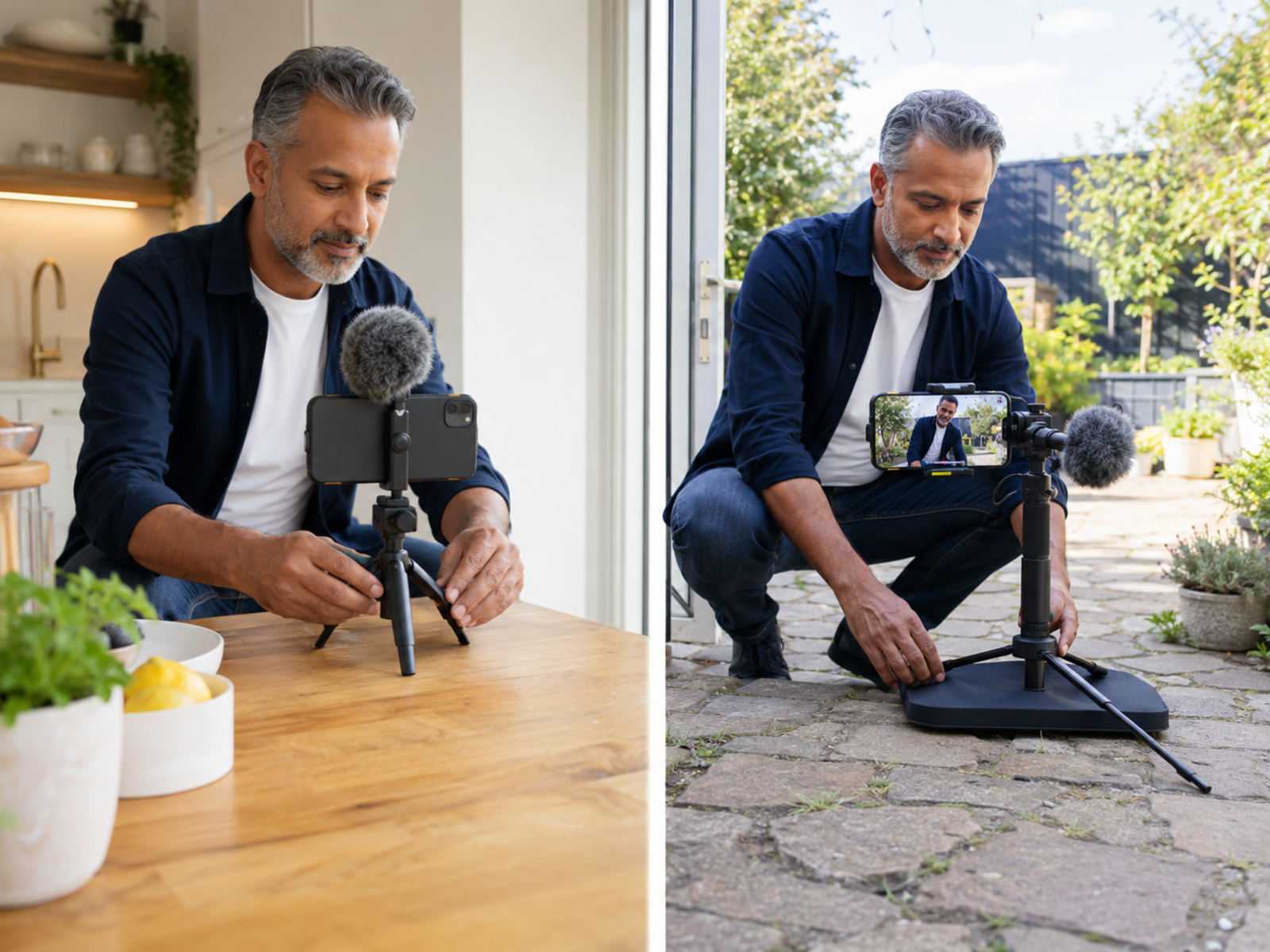
Full Height Can Reduce Steadiness
Lightweight tripods often become less stable at maximum extension. If filming outdoors or using heavier gear, a shorter setup can be steadier than chasing the tallest possible height.
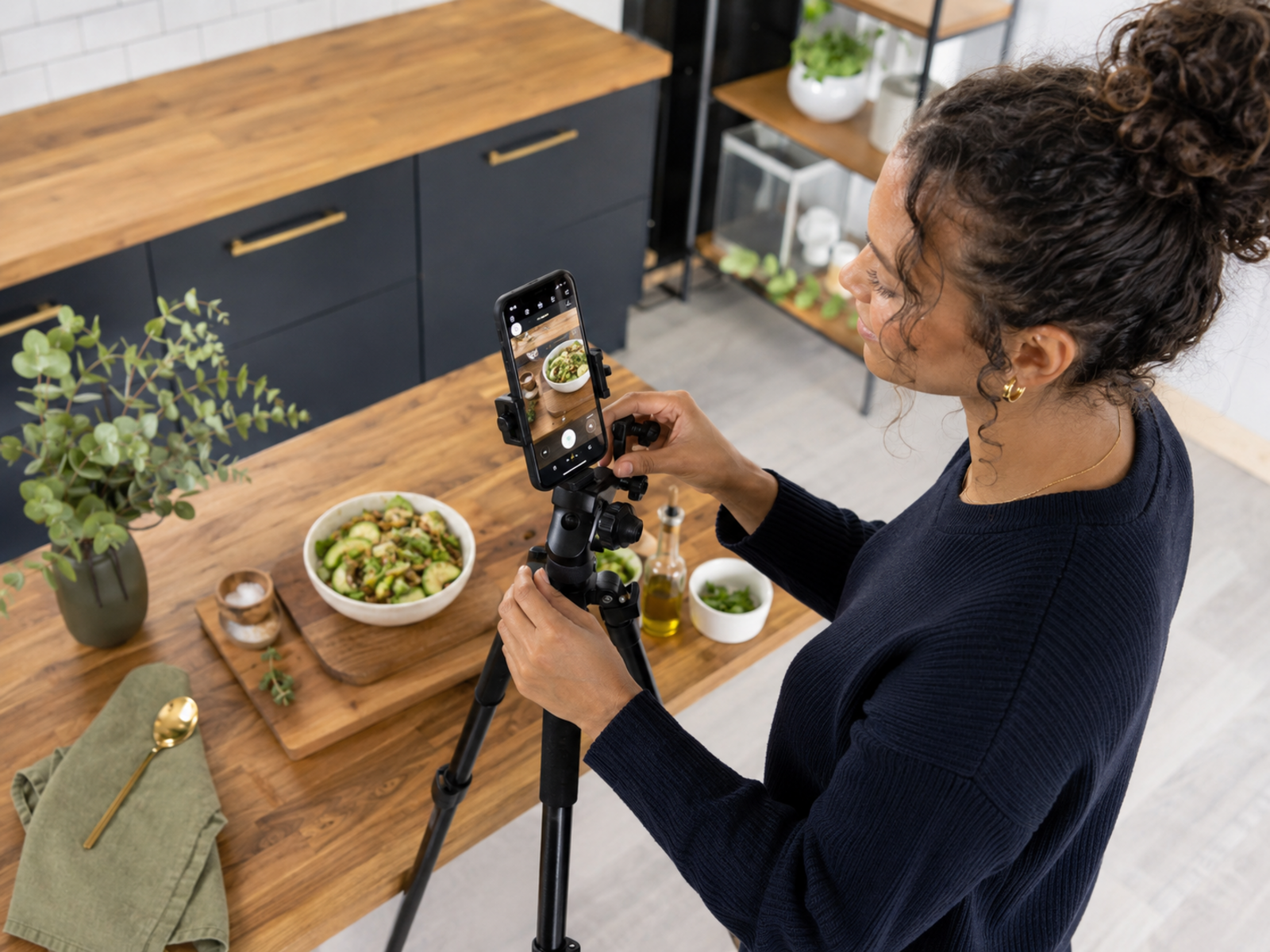
Common Tripod Mistakes
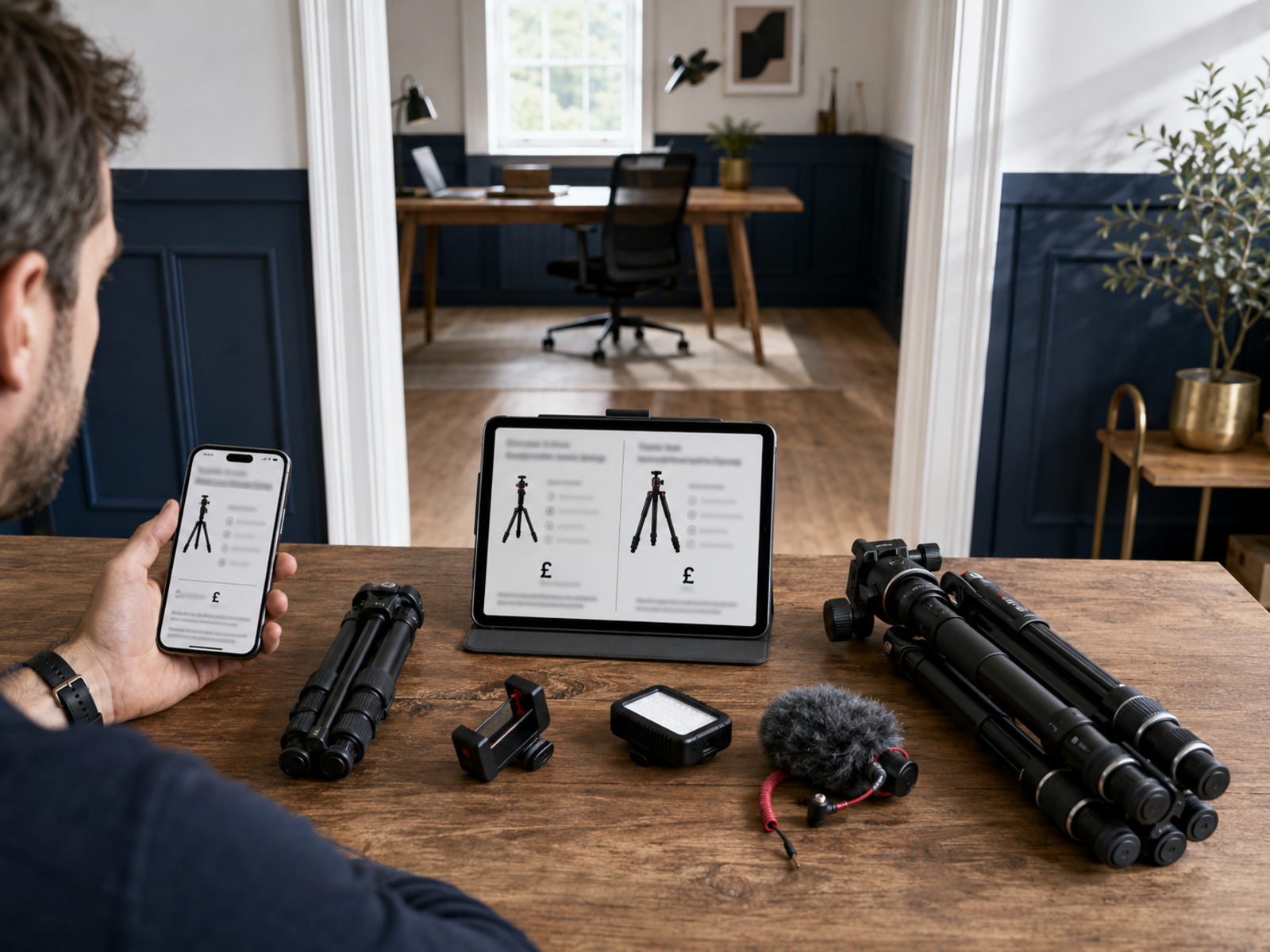
The biggest tripod mistake is buying only by price without checking device weight, height, use case, and portability. A cheap phone tripod may be perfect for reels but frustrating for a mirrorless camera. A heavy professional tripod may be brilliant but annoying for everyday content. The right tripod should match how you actually film, not the fantasy version where every video becomes a cinematic mountain documentary.
Readers also enjoyed: Best tablets for bloggers and creators
Which Tripod Should You Buy?
Best For Beginners
Choose UBeesize if you mainly film with a smartphone, want generous height, need a remote, and do not want to spend heavily. It solves the basic stability problem without making content creation feel expensive.
Best For Travel Creators
Choose Joby if flexibility matters most, or K&F Concept if height and low weight matter more. Joby wins for awkward mounting. K&F wins for lightweight standing shots.
Best For Video Creators
Choose SmallRig if you use a proper camera setup and want smoother video movement from a fluid head. It suits planned filming far better than casual handheld replacement.
Best For Professionals
Choose Gitzo if you use heavy gear, film outdoors, or need maximum stability for demanding work. Most creators do not need it, but professionals may appreciate the strength.
Pros And Cons Of Creator Tripods
Pros
Cons
FAQs
What is the best tripod for content creators?
The best tripod depends on your filming setup. UBeesize suits beginner smartphone creators, Joby suits flexible travel filming, K&F Concept offers lightweight value, SmallRig suits video creators, and Gitzo targets professional heavy-camera work.
Are smartphone tripods worth buying?
Yes. Stable smartphone footage often looks more professional than shaky footage from expensive cameras. A basic smartphone tripod can improve framing, consistency, and watchability almost immediately.
What tripod do YouTubers use?
YouTubers use a wide range of tripods depending on budget and setup. Joby, Manfrotto, SmallRig, K&F Concept, UBeesize, and Gitzo are all common options across different creator levels.
How tall should a tripod be for video recording?
For talking-head videos, a tripod should ideally place the camera close to eye level. Sitting creators may need less height, while standing presenters often need tripods reaching around 150cm or higher.
Can a cheap tripod produce professional-looking videos?
Yes, if it holds the device steady and matches the filming setup. Good lighting, stable framing, clean audio, and thoughtful composition often matter more than buying the most expensive tripod immediately.
Final Verdict
A tripod is one of the simplest upgrades content creators can make because it fixes a problem viewers notice immediately. UBeesize is best for beginner smartphone creators, Manfrotto suits compact desk setups, Joby is strongest for flexible travel filming, SmallRig works best for video-focused creators, K&F Concept offers excellent lightweight value, and Gitzo is built for serious professional stability. For most creators, better stability will improve video quality faster than another camera upgrade.


