


Host a Virtual Halloween Party: Audio,…

20 Minimalist Halloween Nail Ideas for…

Can Free Affinity Help You Build…

12 Lower-Sugar Halloween Treat Swaps Worth…

Can Hostinger AI Builder Launch a…

A 5-Step Screen-Free Autumn Reading Ritual…

Plug-In Solar Panels UK: Are They…

15 Last-Minute Zoom Halloween Costumes for…

Meta One Explained: Is the Subscription…

10 Low-Fuss Dog Halloween Ideas: Comfort…

Plaud One Explained: Can AI Earbuds…

9 Gothic Dinner Table Ideas for…

Namecheap vs Dynadot

7 UK Ghost Tours and How…

Convertkit Vs Beehiiv

Do You Really Need a £420…

Bluehost vs Siteground

15 Gentle Spooky Autumn Books to…

Namecheap review

How to Remove Halloween Face Paint…
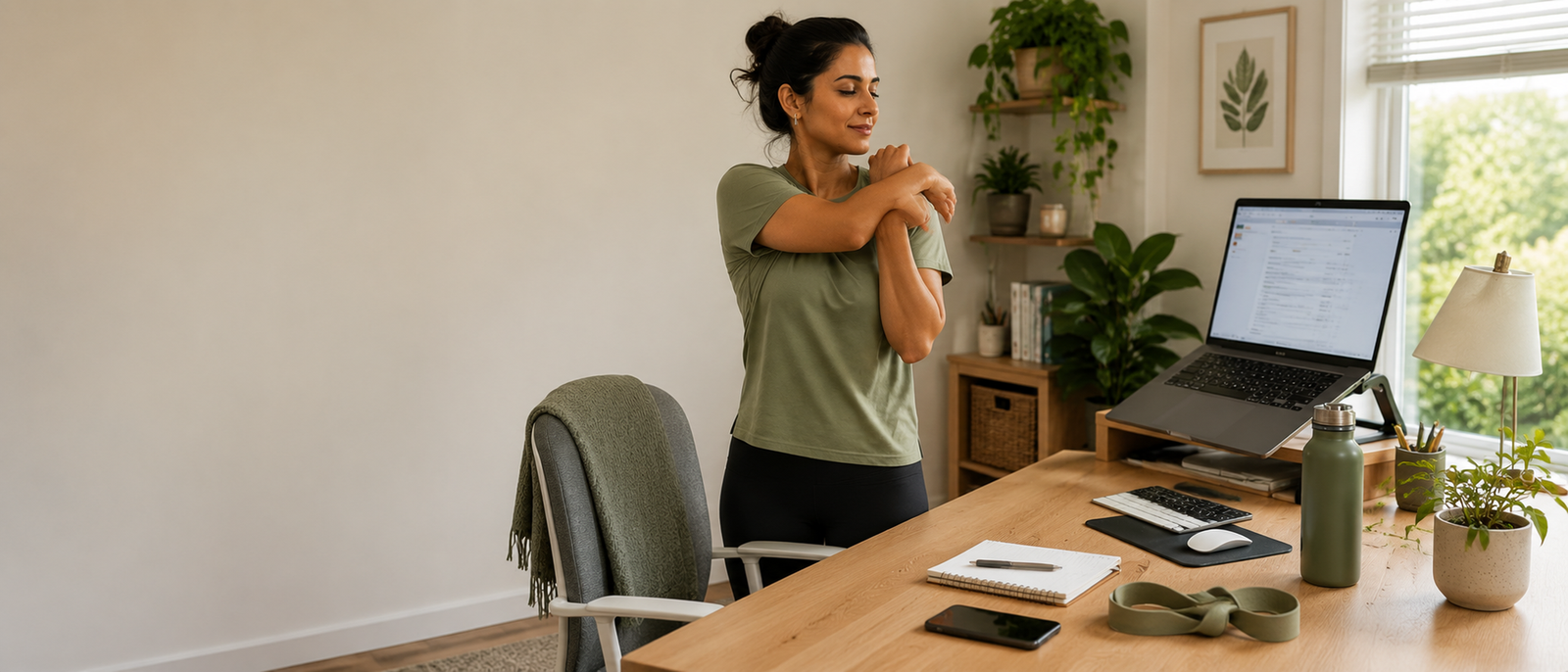
Stretching between emails is a simple way to interrupt the tension that builds during inbox-heavy work. You do not need a mat, a full routine or a perfectly calm day. You need a small reset you can attach to moments that already happen: after sending a reply, before opening a difficult message, while waiting for an upload or between email blocks. The stretch matters, but the cue matters more.
Email stress often shows up physically
Inbox pauses can become reset cues
Thirty seconds is enough to start
Shoulders and wrists need attention
Hips tighten during long sitting
Bands and straps are optional
The habit matters more than equipment
Most Relevant Audience
This guide is for remote workers, home workers, freelancers, bloggers, creators, side hustlers, parents, carers and small business owners who spend too much time replying, checking, refreshing and reacting to messages.
It is especially useful if inbox work leaves you tense, hunched, stiff or mentally scattered, and you want a physical reset that fits between tasks instead of another routine to manage.
The Inbox Can Become A Movement Cue
After sending a tense reply
After sending a difficult email, pause before moving straight to the next message. Roll your shoulders, unclench your jaw, open your hands and take one slow breath.
This small reset helps stop tension carrying into the next reply. It also creates a clearer boundary between one email problem and the next.
Before opening a difficult email
Before opening a message you already know may be stressful, sit or stand tall and gently turn your head from side to side.
Keep the range small and comfortable. This is not about preparing perfectly. It is about giving your body a calmer starting point before your attention goes back into the inbox.
After ten minutes of typing
Typing-heavy inbox sessions can tighten wrists, forearms, shoulders and upper back. After a block of replies, stretch one arm forward and gently guide the fingers back with the other hand.
Switch sides and keep the stretch light. This is most useful when you have been typing, clicking or switching between tabs without noticing your posture.
While waiting for an attachment
Waiting time is useful reset time. While an attachment uploads, a page loads or a file opens, stand and roll your shoulders or stretch your calves.
These moments are easy to waste by refreshing or checking something else. Use the pause as a small physical interruption before the next screen task begins.
Before refreshing the inbox again
Before checking the inbox again, do one short reset. Stand, breathe, open your chest or walk to refill water.
This helps break the automatic loop of checking, reacting and checking again. The aim is not to avoid email. It is to return to it with less tension in your body.

This guide is not trying to replace a complete desk-stretch routine. It is about using small inbox moments as cues. Reply, stretch, breathe, continue. When the reset is tied to something you already do, it becomes easier to repeat without needing extra motivation.
Simple Inbox Stretch Resets
The 30-Second Shoulder Reset
Sit or stand tall. Roll your shoulders slowly backward five times. Then gently draw your shoulder blades together, pause for two breaths and release.
Use this after sending replies or reading a tense thread. Keep it soft. You are not trying to force perfect posture; you are reminding your upper body to stop holding the inbox in your shoulders.
Wrist And Forearm Reset
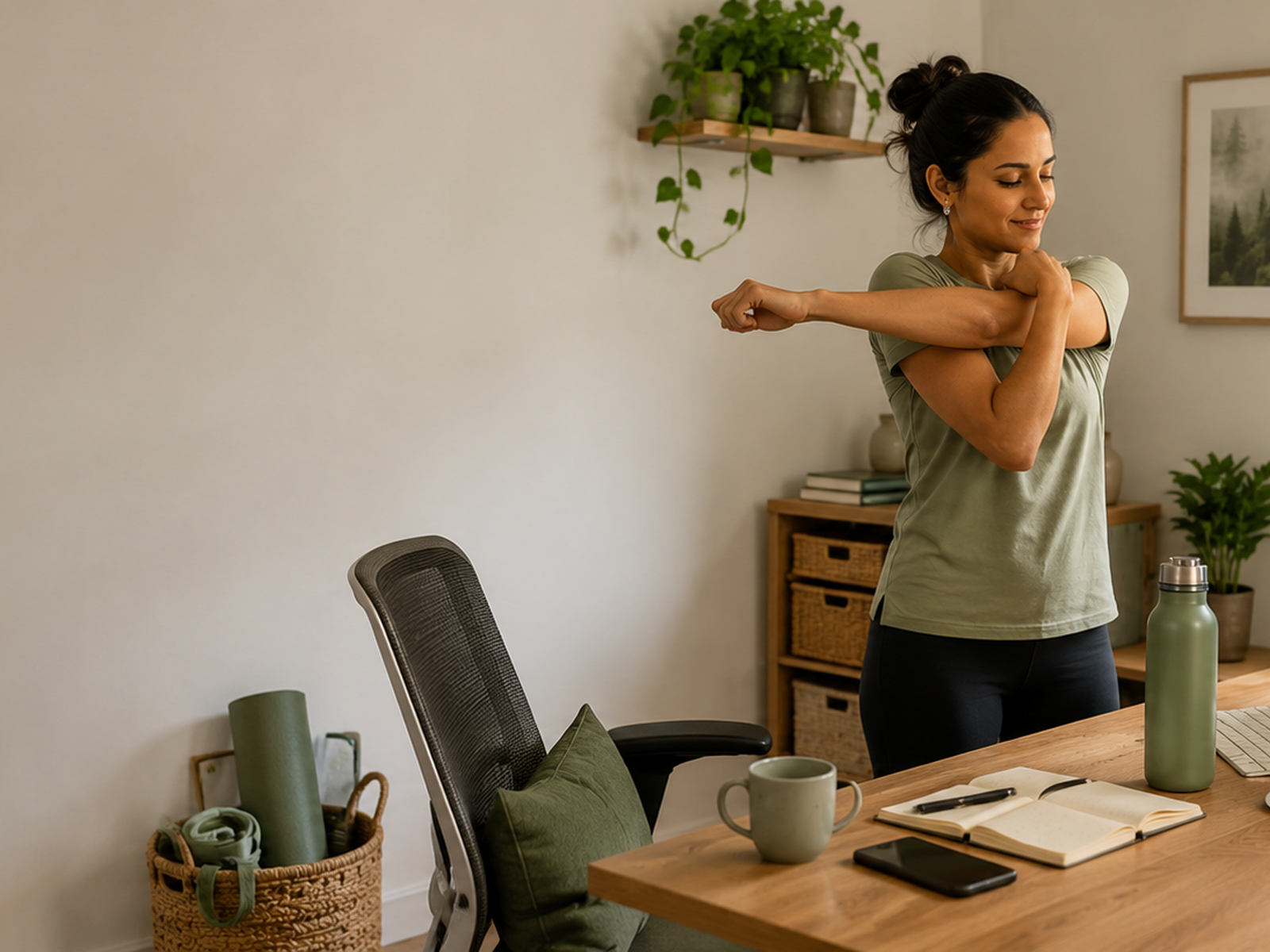
Stretch one arm forward with the palm facing down. Use the other hand to gently guide the fingers back. Then turn the palm up and repeat lightly.
Use this after typing several replies or editing a long message. Keep the stretch mild, especially if your wrists are already sore.
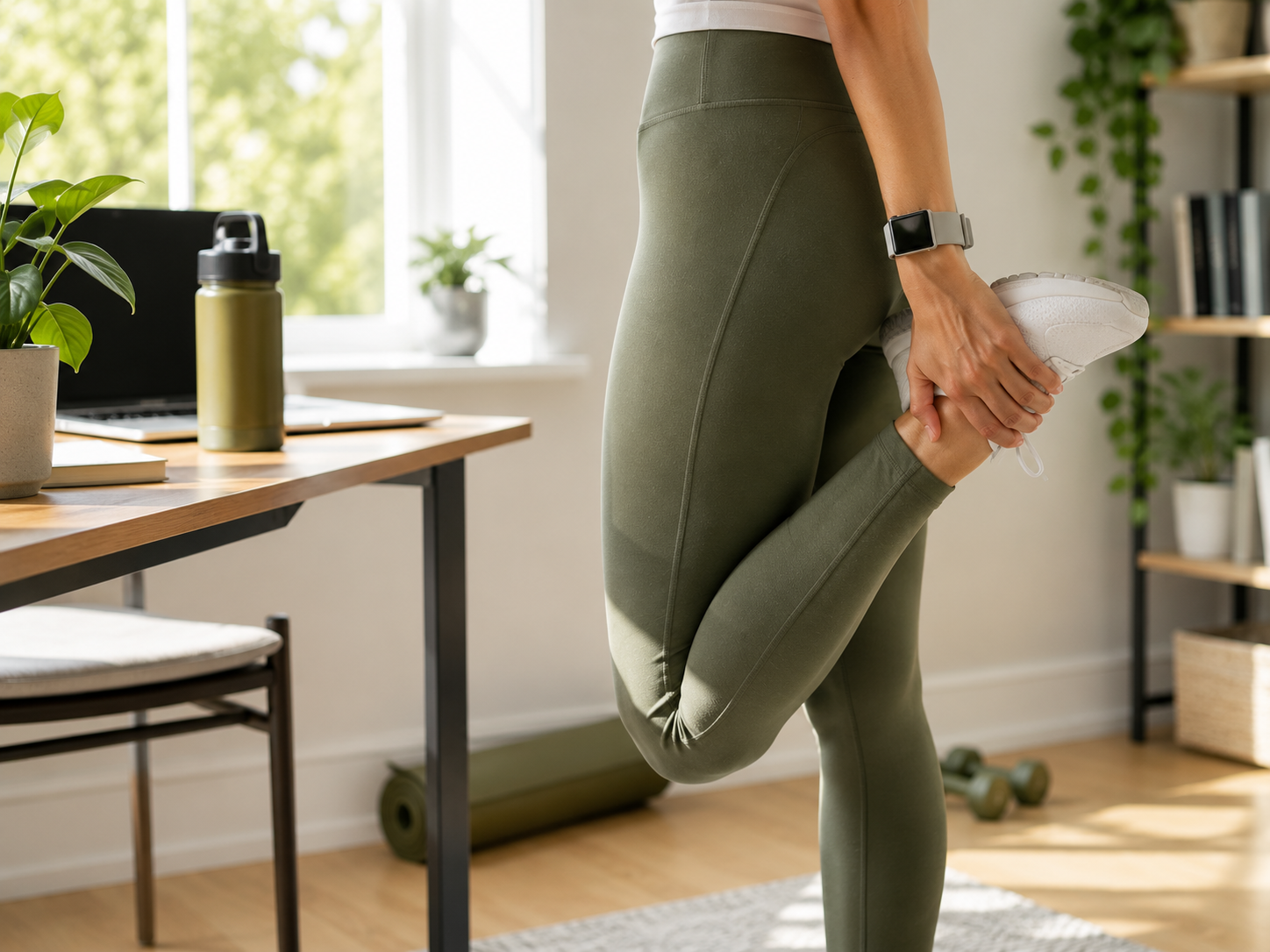
Optional Stretching Helpers
No-Equipment Stretches
No-equipment stretches are enough for most people to begin. Shoulder rolls, neck turns, wrist stretches, chest openers and short standing resets need no product at all.
Start here if you want the lowest-friction habit. Equipment can add variety later, but it should not become a reason to delay moving.
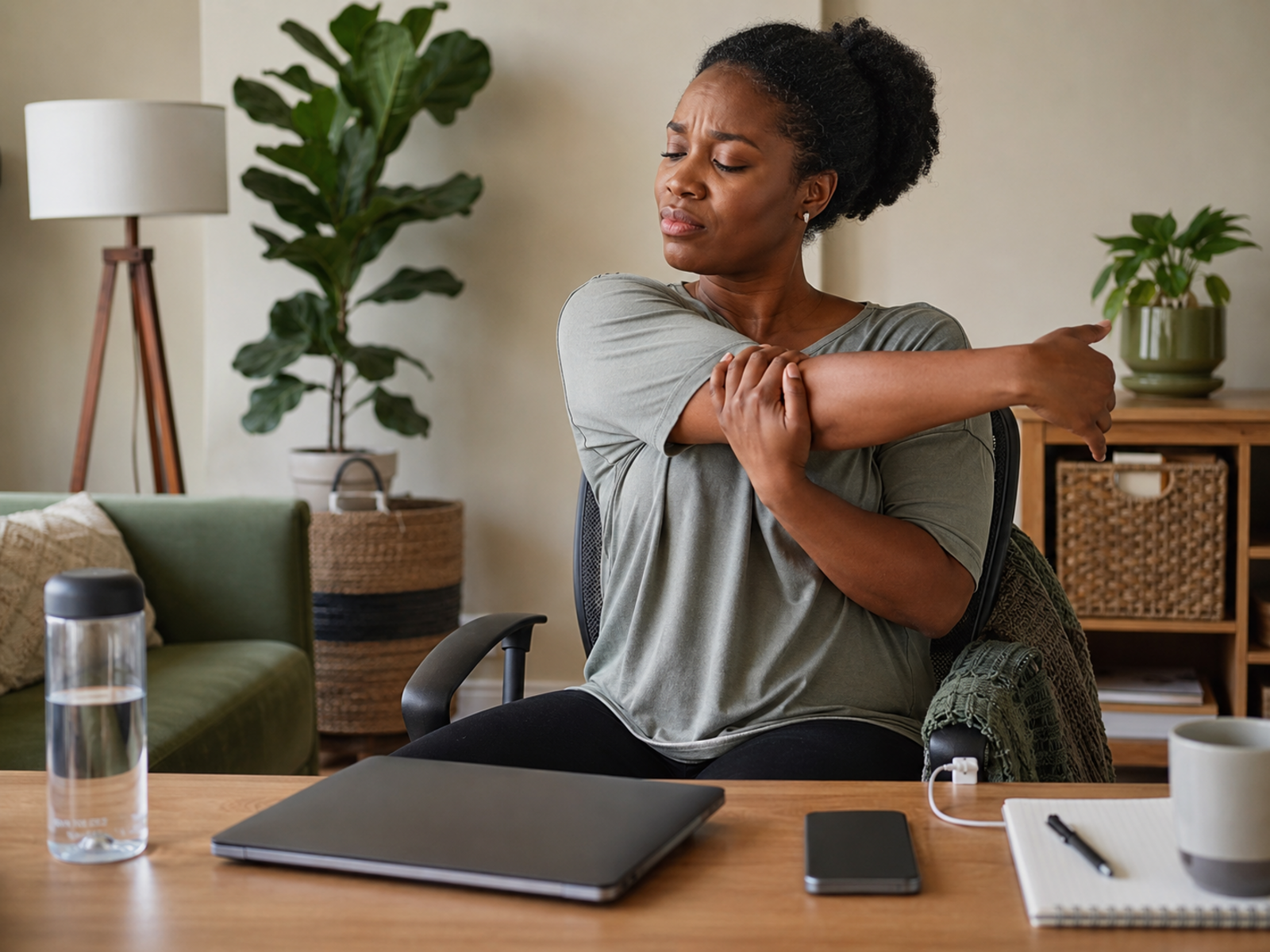
What To Keep Near The Desk
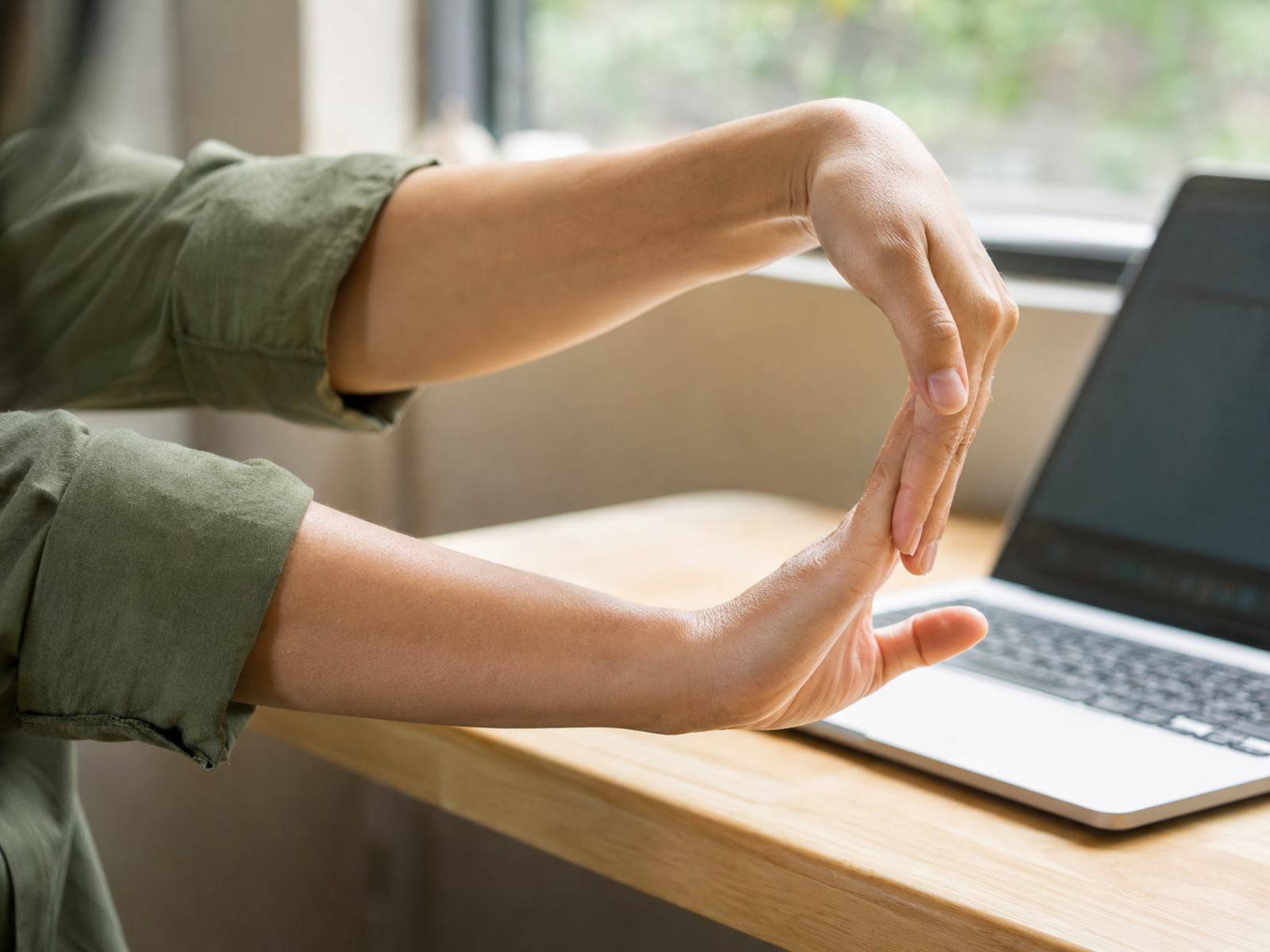
If you use tools, keep them visible and simple: one light resistance band, one strap or one short stretch routine.
Do not build a desk drawer full of good intentions. The best helper is the one you can reach quickly after an inbox block and put away just as easily.

How To Build Stretching Into Inbox Checks
Stretch after difficult emails
After sending or reading a difficult message, pause before the next task. Roll your shoulders, stretch your wrists or stand for a few breaths.
This creates a small boundary between emotional tasks. It can stop one tense reply from setting the tone for the next ten minutes.
Stretch during waiting moments
Use waiting moments instead of filling them with more checking. Attachment uploads, slow pages and file downloads are easy places to add a tiny reset.
Choose one stretch only. Shoulder roll, calf stretch, wrist release or chest opener. Keep the cue simple so it becomes automatic.
Stretch before inbox catch-up
Before starting a planned inbox block, do one reset first. Sit tall, open the chest or stand and stretch your hips.
This helps you enter the task with less physical tension. It also reminds you that email is one work block, not the place your posture goes to disappear.
Stretch between calls and email
Many home workers move straight from calls into inbox catch-up. That is when tension can stack quickly.
Use the transition to move for one minute. Stretch your neck, open your chest or walk to refill water before replying to the next batch of messages.
Stretch before you react quickly
If an email makes you want to reply immediately, pause for one body reset first. Unclench your hands, roll your shoulders and breathe once before typing.
This is not a full mindfulness routine. It is a short gap that helps you avoid carrying physical tension into the reply.

Common Stretching Mistakes Desk Workers Make
Stretching too hard
A desk stretch should feel comfortable. Forcing a stretch can create more tension, especially around the neck, shoulders and wrists.
Keep the movement gentle. You should feel a light stretch or release, not pain, sharpness or strain.
Waiting until everything hurts
It is easier to interrupt tension early than to wait until your shoulders, neck or back feel locked up.
Use email cues before discomfort builds: after a reply, before reopening the inbox, between message batches or while something loads.
Turning stretching into another task
If stretching becomes too complicated, it may not happen. You do not need a full sequence every time.
Choose one stretch for the area that feels tightest. Thirty seconds done often can be more realistic than a ten-minute routine you keep postponing.
Ignoring your setup
Stretching can help, but it will not fully fix a poor desk setup. If your laptop is too low, your keyboard is awkward or your chair is wrong, tension may keep returning.
Pair stretching with basic setup improvements where possible. Screen height, keyboard position and chair support still matter.
Buying tools before building the cue
Resistance bands and straps can be useful, but they are optional. Do not wait to buy equipment before starting.
First build the cue: email moment, small stretch, continue. Add a band or strap later if it genuinely makes the reset easier or more varied.

FAQ
Can stretching between emails help desk workers?
Stretching between emails can help desk workers interrupt stiffness, change position and notice tension earlier during screen-heavy work.
It is not a cure for pain or poor ergonomics, but it can be a useful reset when repeated through the day.
What are easy stretches to do at a desk?
Easy desk stretches include shoulder rolls, neck turns, wrist stretches, chest openers, seated ankle circles, calf stretches and standing hip resets.
For email-heavy days, attach one stretch to a cue such as sending a reply, waiting for an upload or finishing an inbox block.
How often should desk workers stretch?
A practical starting point is to stretch briefly every hour or between work blocks. You can also stretch after long typing sessions, calls or inbox catch-ups.
Keep it realistic. A short reset you repeat is better than an ideal routine you never start.
Are resistance bands useful for desk stretching?
Resistance bands can be useful for light shoulder, back and arm movement. They add variety and can support gentle active stretches.
Start with light resistance and simple movements. Stop if anything feels sharp, strained or uncomfortable.
Is a yoga strap worth it for mobility?
A yoga strap or stretching strap can be worth it if it helps you stretch gently without forcing your range. It can support shoulder, chest and leg stretches.
It is not required. Many desk stretches work without equipment, so treat a strap as an optional helper.
Can stretching help with email stress?
Stretching can help create a pause between stressful email moments and the next task. It gives your body something physical and calming to do before you continue.
It will not solve workload, boundaries or inbox pressure by itself, but it can reduce the habit of carrying tension from one message into the next.
Final Verdict
Stretching between emails works because it uses a moment that already exists. After a reply, before checking the next message or while waiting for something to load, you can roll your shoulders, stretch your wrists, open your chest, reset your hips or stand for a few breaths.
You do not need equipment to begin. Resistance bands and yoga straps can add variety later, but the real win is using the inbox as a reminder to move instead of another reason to tense up.


