


Host a Virtual Halloween Party: Audio,…

20 Minimalist Halloween Nail Ideas for…

Can Free Affinity Help You Build…

12 Lower-Sugar Halloween Treat Swaps Worth…

Can Hostinger AI Builder Launch a…

A 5-Step Screen-Free Autumn Reading Ritual…

Plug-In Solar Panels UK: Are They…

15 Last-Minute Zoom Halloween Costumes for…

Meta One Explained: Is the Subscription…

10 Low-Fuss Dog Halloween Ideas: Comfort…

Plaud One Explained: Can AI Earbuds…

9 Gothic Dinner Table Ideas for…

Namecheap vs Dynadot

7 UK Ghost Tours and How…

Convertkit Vs Beehiiv

Do You Really Need a £420…

Bluehost vs Siteground

15 Gentle Spooky Autumn Books to…

Namecheap review

How to Remove Halloween Face Paint…
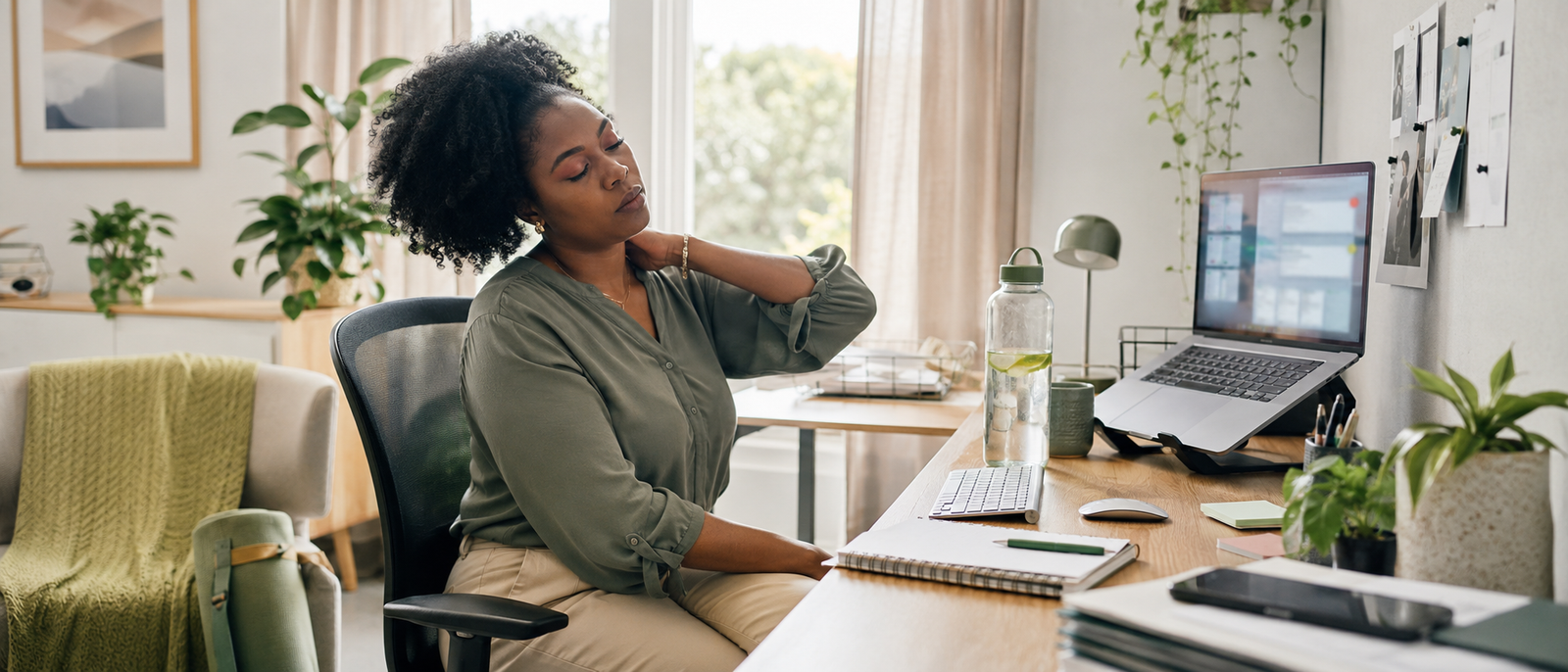
Desk worker fatigue is real, even if your calendar insists you were “just sitting”. Your eyes work, your brain switches tasks, your posture holds tension and your body barely moves. Notifications keep poking your attention like tiny digital elbows. The problem is not that you are lazy for feeling tired. The problem is that desk work can drain energy through stillness, screens, posture, stress and mental load.
Desk work can drain real energy.
Sitting still is not recovery.
Screens tire the eyes and brain.
Poor posture creates hidden tension.
Low movement makes energy sluggish.
Notifications add mental load.
Small resets beat dramatic routines.
Most Relevant Audience
This article is for desk workers, remote workers, home workers, freelancers, bloggers, creators and small business owners who feel tired despite spending most of the day sitting down. It is especially useful if you finish work stiff, foggy, tense or confused about why “not moving much” feels so draining.
Why Desk Worker Fatigue Happens
Sitting still is not resting
Rest gives your body and mind a chance to recover. Sitting at a desk usually does not. Your muscles still hold posture, your eyes keep focusing and your attention keeps responding to work. That is why a desk day can leave you tired even without physical labour. Stillness is not the same as recovery.
Mental load keeps running
Desk work often means constant small decisions. Reply now or later? Check the message? Switch tasks? Open the file? Fix the problem? These choices stack up quietly. By the afternoon, your brain may feel slow because it has spent the day sorting, filtering and deciding while pretending seventeen open tabs are normal.
Screens create fatigue
Screen fatigue builds through hours of reading, typing, scrolling, calls and visual focus. Your eyes rarely get a proper break, especially if every pause becomes phone time. The result can be tired eyes, dull focus and that strange end-of-day feeling where your body sat still but your brain feels like it ran errands.
Posture holds tension
Poor posture makes desk work more tiring than it looks. A low laptop, unsupported chair or awkward keyboard setup can keep your neck, shoulders and back working harder than they should. Tension often builds slowly, then appears at the end of the day like your body has been keeping receipts.
Low movement lowers energy
When movement drops, energy can feel flat. The body likes changes in position, short walks, stretches and natural resets. Desk workers often lose those without noticing. A day built around chair, screen, chair, screen and emergency tea is not exactly a rich movement programme.

The Tiredness Makes Sense
Desk worker fatigue happens because your body is under-used while your mind is over-used. That mismatch matters. You are not tired because you did nothing. You are tired because the workday asked different parts of you to work in awkward, uneven ways.
Resting Vs Sitting Still
Rest reduces demand
Real rest reduces demand on your attention, body and nervous system. Sitting at a desk usually keeps those demands active. You are still reading, deciding, replying, planning and reacting. That is why a lunch break spent at the same screen may not feel like a break at all.

Mental fatigue feels physical
Mental fatigue can show up in the body. You might feel heavy, tense, slow or restless after a long desk day. That does not mean the tiredness is imaginary. Mental load, screen time and stress can affect how the body feels, especially when movement has been low all day.
Recovery needs movement and closure
A proper recovery needs more than shutting the laptop. Your body may need movement, your eyes may need a screen break and your mind may need loose tasks captured. Without that closing step, desk fatigue can follow you into the evening wearing your workday like a backpack.
The Real Fix
The fix is not usually one dramatic lifestyle overhaul. It is smaller movement breaks, better posture support, calmer screen habits, cleaner digital boundaries and a workday that stops treating your body like office furniture with Wi-Fi.
Simple Energy Resets During The Workday
Move before you feel awful
Do not wait until your back, hips or shoulders are shouting. Stand after calls, walk after finishing a task or stretch when the kettle boils. Small movement breaks work because they interrupt fatigue early. The aim is not fitness theatre. It is keeping your body involved in the day.
Give your eyes real breaks
Looking away from the laptop and straight into your phone is not much of an eye break. Try looking across the room, stepping outside, closing your eyes briefly or doing a screen-free reset between tasks. Your eyes need distance and softness, not another glowing rectangle with a different logo.
Reduce task switching
Task switching can drain energy faster than people realise. Keep one main task visible where possible. Batch messages. Close distracting tabs. Use short focus blocks. Fewer switches help your brain settle, which makes the day feel less scattered and less mentally expensive.
Reset your posture often
A perfect posture held all day is still too much stillness. Change position regularly. Raise the screen if needed, support your back and keep your keyboard comfortable. Then move anyway. The goal is not to sit like a statue with excellent ergonomics. The goal is to reduce strain and add variation.
Recover after desk-heavy work
After a heavy desk day, choose a reset that changes your state. Walk, stretch, shower, cook, tidy the desk or step away from screens for a while. Collapsing is understandable, but your body may need gentle movement before real rest begins. Recovery works better when it reaches the body too.

Make Energy Support Boring
The best desk fatigue fixes are usually boring enough to repeat. Stand up. Look away. Drink water. Move your shoulders. Close extra tabs. Write tomorrow’s first task. None of this sounds revolutionary, which is exactly why it can work on a normal day.
Common Desk Worker Fatigue Mistakes
Blaming yourself
Feeling tired after desk work does not mean you are weak. Desk jobs can combine mental load, screen fatigue, posture strain and low movement in a way that genuinely drains energy. Blame is not useful. Better routines are useful.
Saving all movement for later
A workout after work can help, but it does not fully replace movement during the day. If you sit for long uninterrupted blocks, your body still spends hours stuck in one pattern. Add tiny breaks before the end of the day instead of asking one evening walk to fix everything.
Taking screen breaks on your phone
Phone scrolling after laptop work may feel like a break, but your eyes and attention are still working. Choose at least a few breaks that are genuinely screen-free. Look away, move, breathe, tidy something or step outside. Let your brain leave the digital room for a moment.
Ignoring digital noise
Notifications, tabs and messages can create fatigue even when your body is still. If your day feels urgent from start to finish, reduce the noise. Turn off low-value alerts, batch email and close unused tabs. Energy improves when attention is not being tugged every few minutes.
Related Money Note
Best Time-Saving Tech for Small Business Owners is the natural Money Growth follow-up here. Better tools can reduce repetitive admin, cut unnecessary switching and make desk work feel less scattered. The goal is not more gadgets for the sake of it. It is fewer avoidable drains on your working energy.
Related Wellness Guides
Sitting Too Long
Sitting Too Long is the best next read if fatigue comes with stiffness, heavy legs, tight hips or low movement. It explains how long sitting affects posture, circulation, energy and focus, with realistic movement habits for desk-based work.
Why Your Desk Job Makes You Tired Even When You Sit Still
Why Your Desk Job Makes You Tired Even When You Sit Still is the companion explainer if you want the deeper “why” behind desk tiredness. It focuses on stillness, mental load, eye strain and the difference between sitting and real rest.
Working From Home Without Wrecking Your Health
Working From Home Without Wrecking Your Health is the broader pillar guide for remote workers. It covers movement, posture, screen breaks, food, hydration, boundaries and energy so home working feels less physically and mentally expensive.
The Best End-of-Day Reset For Desk Workers
The Best End-of-Day Reset For Desk Workers is useful if fatigue follows you into the evening. A simple reset can help clear open loops, ease stiffness and give work a proper finish line instead of letting it sit beside you all night.
FAQ
What is desk worker fatigue?
Desk worker fatigue is the tired, drained or foggy feeling that can come from long desk-based work. It may involve screen fatigue, poor posture, low movement, mental load, notifications and task switching. It can affect remote workers, office workers, freelancers, creators and anyone working mostly at a screen.
Why am I tired after sitting at a desk all day?
You may feel tired after sitting at a desk because sitting still is not true rest. Your eyes, brain, posture and attention have been working for hours. Low movement can also make energy feel sluggish, while constant messages and decisions add mental strain.
Can working at a desk make you physically tired?
Yes, desk work can make you physically tired. Holding posture, staying still, looking at screens and carrying tension in your neck, shoulders or back can all create physical fatigue. You do not need heavy labour to feel worn out after a desk-heavy day.
How can desk workers get more energy?
Desk workers can get more energy by moving between tasks, taking real screen breaks, improving desk setup, drinking water, reducing task switching and creating a clear end-of-day reset. Small habits repeated through the day usually work better than one dramatic fix.
How do I reduce fatigue when working from home?
Reduce fatigue when working from home by adding movement breaks, keeping your screen and keyboard at a better height, limiting notifications and creating clearer work boundaries. A simple shutdown routine also helps your brain and body leave work behind properly.
Final Verdict
Desk worker fatigue drains energy through stillness, screens, posture, stress and mental load. It can make you feel tired even when your body barely moves, because sitting at a desk is not the same as resting.
The fix is not to overhaul your whole life by Monday. Start with practical resets: move before you feel awful, rest your eyes, reduce task switching, improve the obvious desk strain and close work properly. You are not lazy for feeling tired. Your desk routine needs better support.
Article: Desk Worker Fatigue: Why You’re Tired All Day and How to Fix It


