



Host a Virtual Halloween Party: Audio,…

20 Minimalist Halloween Nail Ideas for…

Can Free Affinity Help You Build…

12 Lower-Sugar Halloween Treat Swaps Worth…

Can Hostinger AI Builder Launch a…

A 5-Step Screen-Free Autumn Reading Ritual…

Plug-In Solar Panels UK: Are They…

15 Last-Minute Zoom Halloween Costumes for…

Meta One Explained: Is the Subscription…

10 Low-Fuss Dog Halloween Ideas: Comfort…

Plaud One Explained: Can AI Earbuds…

9 Gothic Dinner Table Ideas for…

Namecheap vs Dynadot

7 UK Ghost Tours and How…

Convertkit Vs Beehiiv

Do You Really Need a £420…

Bluehost vs Siteground

15 Gentle Spooky Autumn Books to…

Namecheap review

How to Remove Halloween Face Paint…
10 minute stretch routines are useful because they sit in the middle of the wellness gap: longer than a quick shoulder roll, shorter than a full workout. For remote workers, home workers and screen-heavy people, that matters. You may not have time for a class, a long walk or a dramatic lifestyle reset, but you can often find ten minutes before work, at lunch or after closing the laptop. The goal is not perfect flexibility. It is a proper reset you can repeat.
Ten minutes can feel complete
Short routines suit busy workdays
Morning stretches wake the body
Lunch routines interrupt sitting
Evening stretches support shutdown
Equipment is optional
Gentle consistency matters most

Most Relevant Audience
This guide is for remote workers, home workers, freelancers, bloggers, creators, side hustlers, parents, carers and small business owners who feel stiff from long sitting blocks.
It is especially useful if you want a short stretch routine before work, after work or between screen-heavy sessions without committing to a full workout, yoga class or complicated mobility plan.
Why 10 Minutes Is Long Enough To Help
It creates a proper pause
Ten minutes is long enough to feel different from a quick stretch between tasks.
It gives you time to move through several areas: neck, shoulders, back, hips, hamstrings and breathing. That makes it feel like a reset, not just a brief interruption.
It fits real workdays
A routine only helps if you can actually repeat it.
Ten minutes can fit before the first meeting, during lunch, after school drop-off, between client tasks or after work. It is short enough for normal days, not just ideal ones.
It interrupts sitting patterns
Long sitting can make the body feel stiff, compressed or restless.
A short routine may help by changing position, moving joints gently and giving tight areas attention. It will not undo every sitting habit, but it can interrupt the pattern.
It supports transitions
Stretching can help mark a shift in the day.
A morning routine can help you start. A lunch routine can reset the middle. An evening routine can help your body understand that work is finished, even if the desk is still nearby.
It lowers the pressure to be perfect
You do not need to become a stretching person with a full identity and matching mat.
Ten minutes is manageable. The routine can be simple, quiet and imperfect. That makes it easier to repeat when the workday is messy.
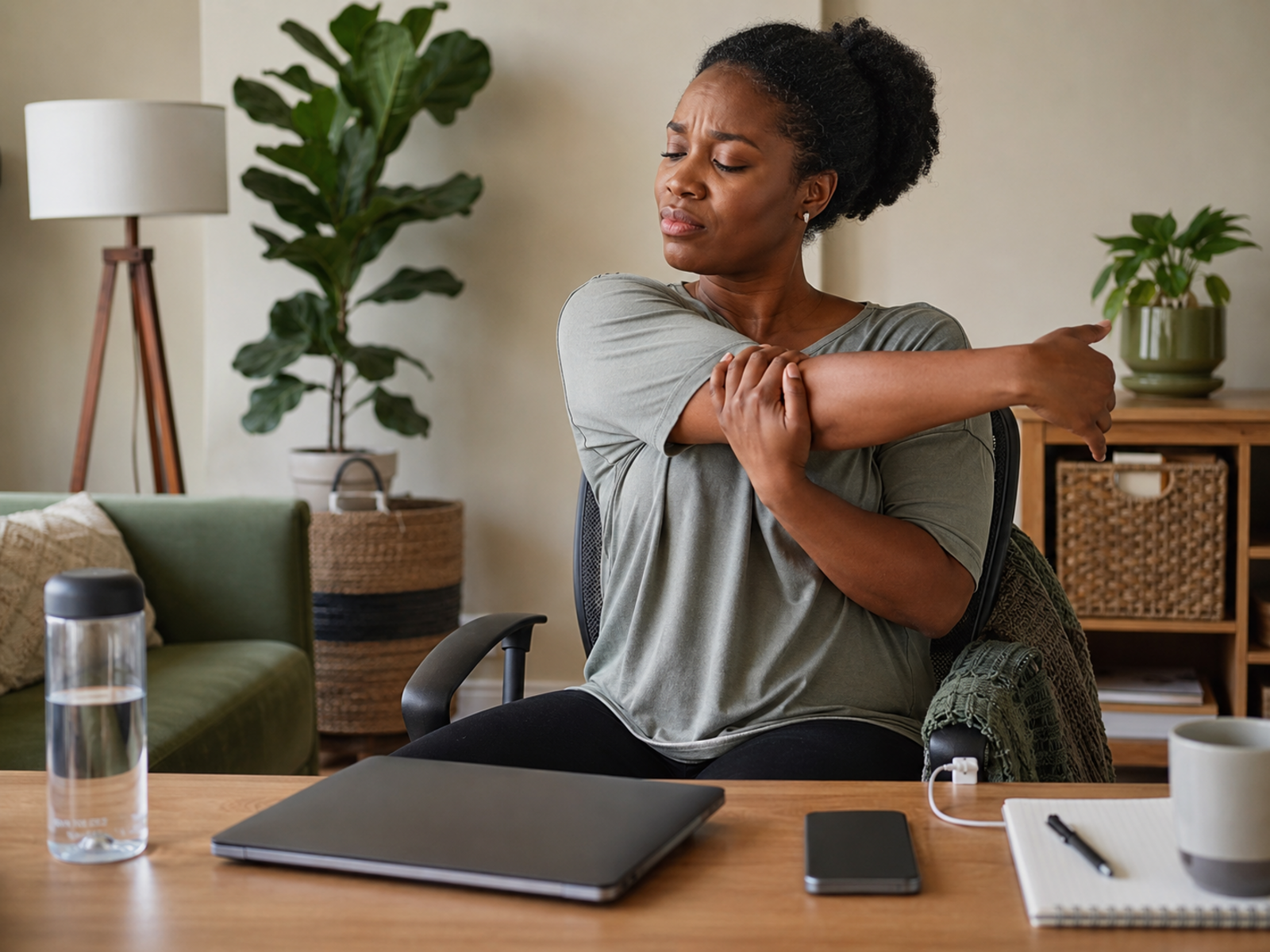
This guide is about complete 10-minute stretch routines, not single desk stretches or tiny email-triggered resets. If you only have 30 seconds, a quick desk stretch can help. If you want a fuller reset without doing a workout, use one of these short sequences.
What A Good Short Stretch Routine Includes
A gentle start
Do not jump straight into the strongest stretch.
Start with easy movement, breathing or slow joint motion. This helps the body settle into the routine instead of feeling surprised by it.
A mix of areas
A good 10-minute routine should not only focus on one tight spot unless that is the goal.
For desk workers, useful areas often include the neck, shoulders, chest, back, hips and hamstrings. The body works as a system, not a collection of annoyed parts.
Comfortable intensity
Stretching should feel gentle to moderately strong, not sharp, painful or forced.
Ease out if you feel pain, numbness, tingling, dizziness or anything that feels wrong. If symptoms are persistent, intense or linked to an injury, get professional advice.
Simple timing
Use a timer so the routine does not become another decision.
Try five moves for two minutes each, or ten moves for one minute each. The exact structure matters less than having a clear start and finish.
A clear purpose
Choose the routine based on the moment.
Morning stretching should wake the body gently. Lunch stretching should interrupt sitting. Evening stretching should support winding down. A routine works better when it matches the problem.
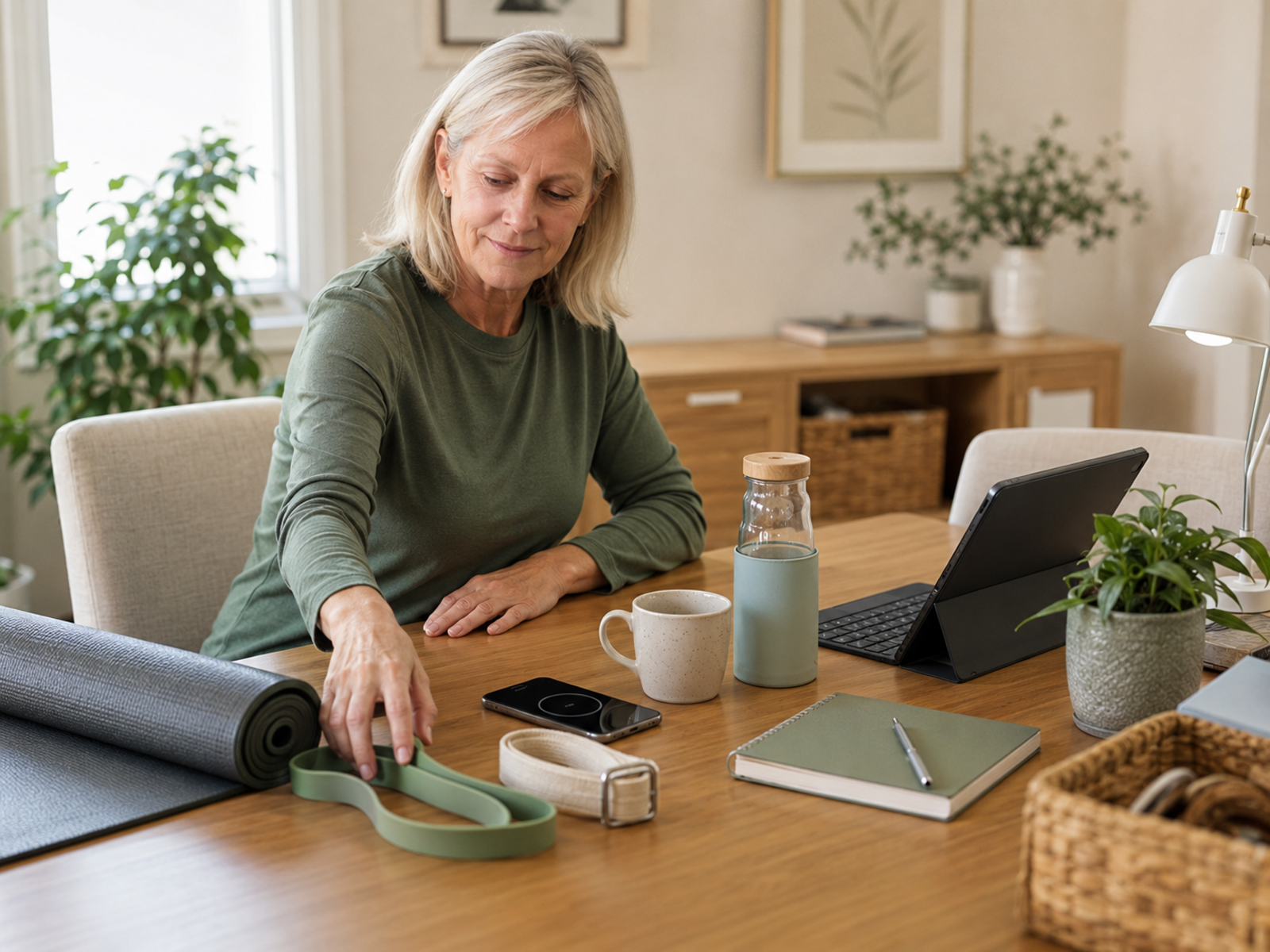
10 Minute Stretch Routines
Morning 10 Minute Stretch Routine
Use this before work when your body feels stiff but your day has not fully started.
Try: slow neck turns, shoulder rolls, standing chest opener, gentle side bends, hip circles, standing hamstring stretch and a slow forward fold. Keep everything easy. The goal is to wake the body, not win the morning before breakfast.
Lunch Break 10 Minute Stretch Routine
Use this when you have been sitting for a long block and need to reset before the afternoon.
Try: standing back bends, doorway chest stretch, seated or standing spinal twists, hip flexor stretch, calf stretch and gentle wrist stretches. This routine should feel practical and energising, not so relaxing that returning to work feels illegal.
After Work 10 Minute Stretch Routine
Use this after closing the laptop to create a work-to-home transition.
Try: child’s pose or supported forward fold, chest opener, seated hamstring stretch, figure-four hip stretch, gentle spinal twist and slow breathing. Keep the pace calm. This routine is less about performance and more about telling your body the workday is over.
Neck And Shoulder 10 Minute Routine
Use this when screen work has made your upper body feel tense or guarded.
Try: chin tucks, slow neck side bends, shoulder rolls, doorway chest stretch, upper-back stretch, wrist flexor stretch and gentle breathing. Do not yank the neck or force range. Small, steady movements are usually more useful than dramatic pulling.
Lower Back And Hip 10 Minute Routine
Use this when sitting has made the lower back, glutes or hips feel tight.
Try: pelvic tilts, knees-to-chest, figure-four stretch, hip flexor stretch, seated hamstring stretch and a gentle spinal twist. Keep the routine comfortable. Lower-back discomfort can have many causes, so avoid forcing any movement.
Full-Body 10 Minute Desk Worker Reset
Use this when everything feels a bit stuck.
Try: neck rolls, shoulder rolls, chest opener, cat-cow, hip flexor stretch, hamstring stretch, calf stretch, wrist stretch and one minute of slow breathing. This is the best general routine when you do not want to think too much.
A 10-minute stretch works best when it has a job. Use morning routines to start gently, lunch routines to break up sitting, after-work routines to wind down, and targeted routines when one area needs more attention. The point is not doing every stretch. It is choosing the reset your workday actually needs.
Optional Stretching Aids
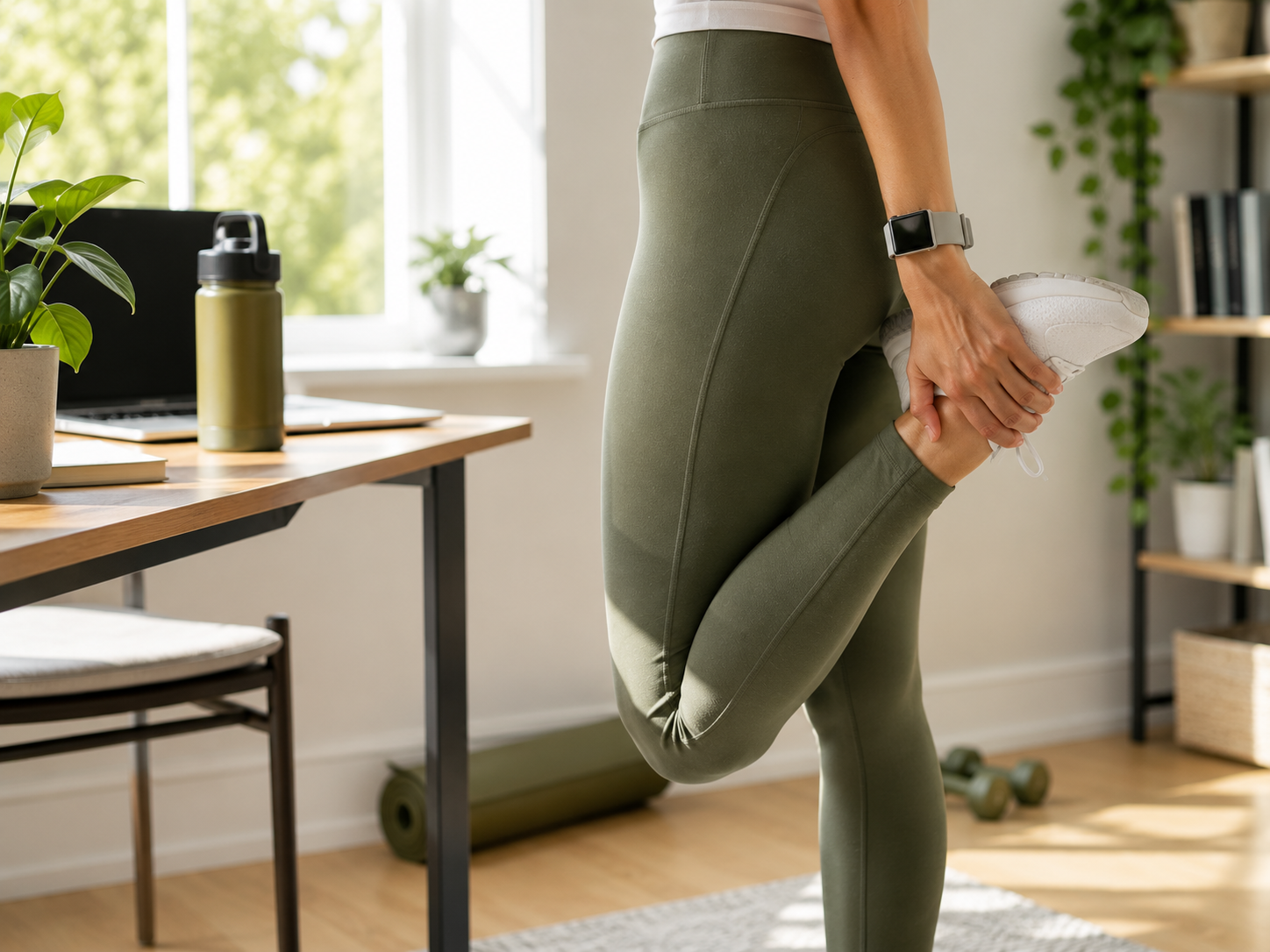
How To Make Stretching A Repeatable Habit
Attach it to an existing moment
A routine is easier to repeat when it has a trigger.
Try stretching after brushing your teeth, before opening email, after lunch, after school drop-off or immediately after shutting the laptop. Do not rely on motivation alone.
Keep one default routine
Too many options can make stretching easier to avoid.
Choose one default 10-minute routine for normal days. You can swap it when needed, but having a go-to sequence removes the “what should I do?” barrier.
Make the space easy
If stretching requires moving furniture, finding equipment and negotiating with cables, it will not happen often.
Keep a mat, strap or clear floor space ready if possible. The easier the setup, the more likely the routine survives busy weeks.
Use gentle progress
You do not need to stretch harder every time.
Progress might mean repeating the habit, breathing more slowly or feeling less stiff afterwards. For desk workers, consistency usually matters more than chasing impressive flexibility.
Stop before it becomes a project
A 10-minute stretch routine should not expand into a 45-minute obligation unless you want it to.
Keep it short enough to trust. The best routine is one you can do when the day is already crowded.

Common Stretching Routine Mistakes
Stretching through pain
Stretching should not feel sharp, alarming or painful.
Mild tension can be normal. Pain is information. Stop, reduce the range or choose a gentler option. Get professional advice for ongoing pain, injury symptoms, numbness, weakness or unexplained discomfort.
Going too hard too soon
A short routine does not need to be intense to be useful.
Forcing a stretch can make the body guard more, not relax. Ease in slowly, especially first thing in the morning or after long sitting.
Only stretching the sore spot
The area that complains is not always the only area involved.
Neck tension may relate to shoulders and chest. Lower-back stiffness may involve hips and hamstrings. A balanced routine can be more useful than chasing one tight spot.
Forgetting to breathe
Holding your breath can make stretching feel more strained.
Use slow, steady breathing as part of the routine. This can help the stretch feel calmer and more controlled.
Expecting one routine to fix everything
A 10-minute routine can support comfort, but it cannot replace movement, breaks, sleep, setup changes or medical care when needed.
Use stretching as one helpful tool, not the whole wellness plan.
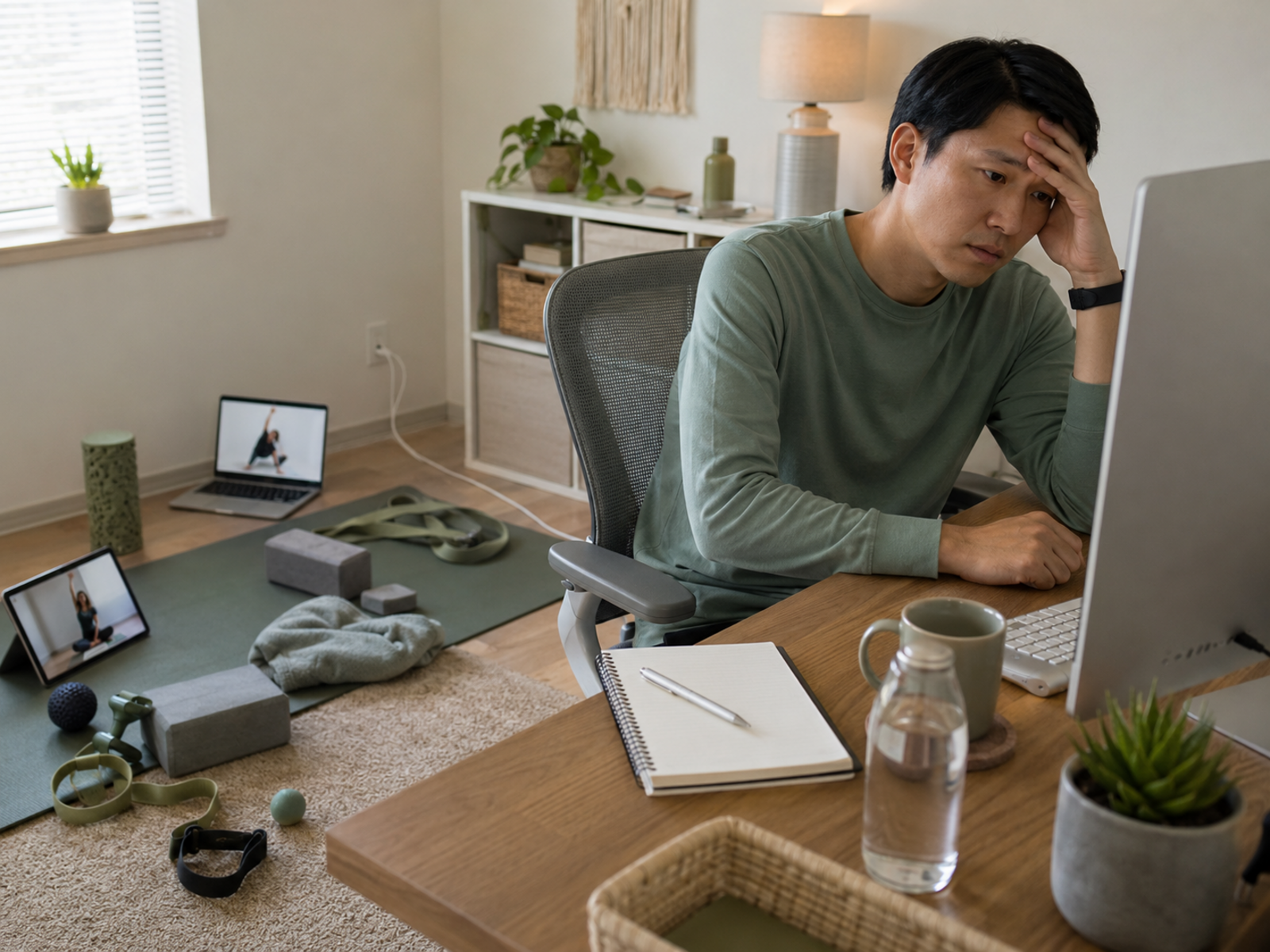
FAQ
Are 10 minute stretch routines worth doing?
Yes, 10 minute stretch routines can be worth doing because they are long enough to feel structured but short enough to repeat.
They may help interrupt stiffness, support transitions and give your body a break from sitting. They work best when done gently and consistently.
What is the best 10 minute stretch routine for desk workers?
A good desk-worker routine includes the neck, shoulders, chest, back, hips, hamstrings and wrists.
Try a full-body reset if you are not sure where to start. If one area feels especially tight, choose a targeted neck-and-shoulder or lower-back-and-hip routine.
Should I stretch before or after work?
You can stretch before or after work depending on the goal.
Morning stretching can help you start gently. After-work stretching can help create a shutdown transition. Lunch stretching is useful if sitting has made the day feel stiff.
Can stretching help with stiffness from sitting?
Stretching may help with stiffness from sitting by changing position and moving areas that have stayed still for a long time.
It is not a cure-all. Regular movement breaks, a better desk setup and enough recovery also matter.
Do I need equipment for a 10 minute stretch routine?
No, you do not need equipment for a 10 minute stretch routine.
A yoga mat, strap, resistance band, timer or foam roller can help, but they are optional. Bodyweight stretches and a clear floor or standing space are enough to begin.
How often should desk workers do a stretch routine?
Desk workers can try a 10-minute stretch routine a few times a week, or daily if it feels good and fits the routine.
The best frequency is one you can repeat without making it feel like another chore. Start small and build from there.
Final Verdict
10 minute stretch routines are a practical middle ground for stiff, screen-heavy workdays. They are more complete than a quick desk stretch, but less demanding than a full workout. A morning routine can help you start, a lunch routine can break up sitting, and an after-work routine can create a softer landing after the laptop closes.
You do not need perfect flexibility or a full wellness overhaul. You need a short routine that helps your body feel less trapped by the workday, and simple enough that you will still do it when the day is busy.


