




Host a Virtual Halloween Party: Audio,…

The Calm Autumn Reset: 10 Small…

Can Free Affinity Help You Build…

The Best Lighting for Darker Autumn…

Can Hostinger AI Builder Launch a…

Heated Throw vs Heated Blanket vs…

Plug-In Solar Panels UK: Are They…

Autumn Sleep Reset: Light, Temperature and…

Meta One Explained: Is the Subscription…

The Best Ways to Dry Washing…

Plaud One Explained: Can AI Earbuds…

Dehumidifiers Explained: When Are They Actually…

Namecheap vs Dynadot

A Realistic Autumn Walking Routine for…

Convertkit Vs Beehiiv

Autumn Social Reset: Small Plans for…

Bluehost vs Siteground

Sekonda Smart Ring vs Oura Ring…

Namecheap review

Make Your Home Cosier Without Turning…
The clocks go back at 2am on Sunday 25 October 2026, and evenings will get dark sooner. If your laptop lives on the kitchen table, work and home can blur fast. This guide gives you a short, flexible wind-down routine in four steps, using NHS wording where it applies. Try one or two steps first, borrow the shutdown script, and treat kit as optional.
Quick Overview
- Step 1 gives work a clear end: a shutdown cue and a daytime 'commute' slot.
- Step 2 is a screen-light hour, with a menu of wind-down ideas to choose from.
- Writing tomorrow's list on paper parks open work tasks before they follow you into the evening.
- Step 3 makes the room feel like evening with softer light and work tidied away.
- Step 4 is to start with one or two steps and treat a missed night as normal.
- Any kit is optional; a lamp, a notebook and music you already own are enough.
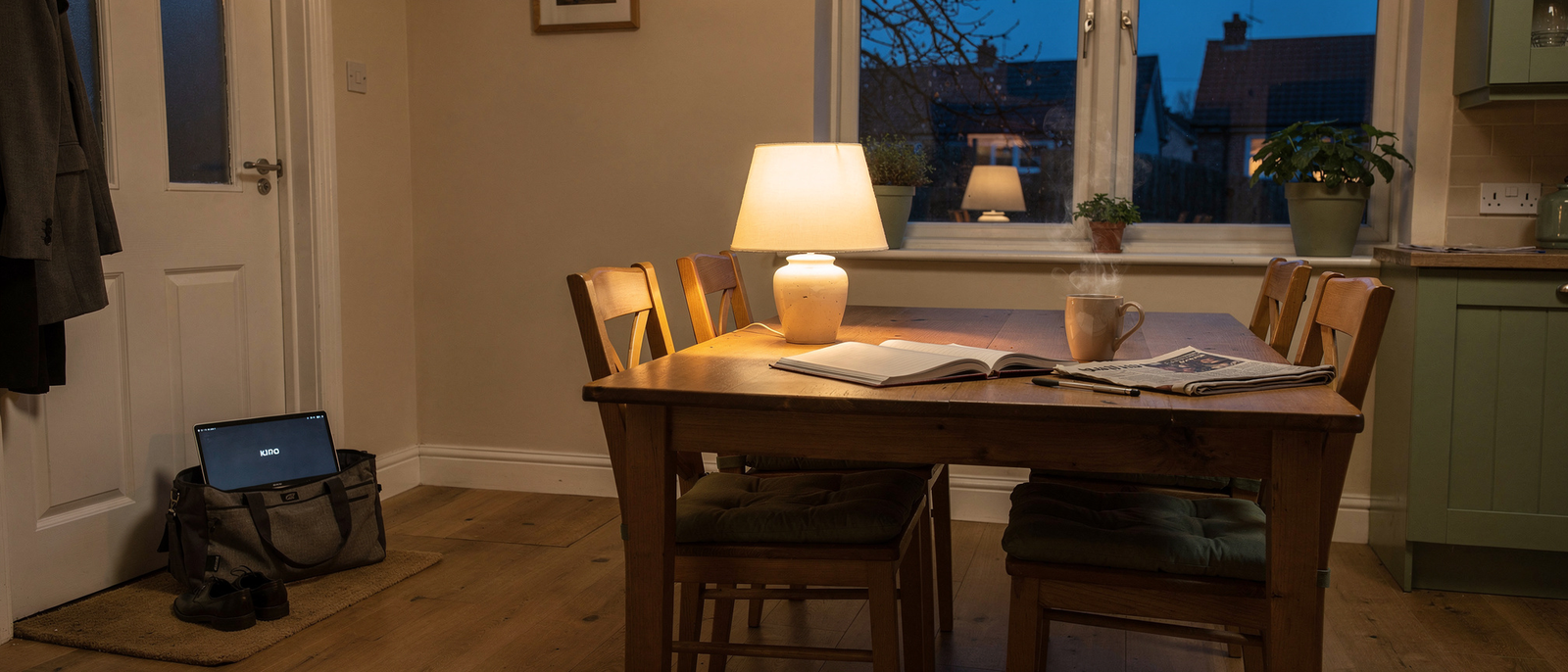
Step 1: Give the working day a clear end
Use a shutdown cue
NHS Every Mind Matters advice for working from home says that when your workday ends, you should stop working: shut down your computer, stop checking emails and focus on your home life.
That is not a fixed-hour rule. If you freelance or run a side business, your end point can move; what helps is having one you recognise and repeat.
A copyable shutdown script
This script is our own practical idea rather than NHS wording. It turns the NHS advice into four moves you can repeat in the same order every day:
- Close the tabs you no longer need.
- Write the next task on a sticky note.
- Shut the lid.
- Put the laptop out of sight, in a bag or cupboard.

Schedule a 'commute'
The same NHS page suggests scheduling your 'commute time' for exercise, reading or music. If yours is a walk, note that the NHS advises avoiding exercise in the 4 hours before bed and suggests being active in the morning or early afternoon. Keep the walk earlier and save reading or music for the evening version.
NHS Every Mind Matters also says going to bed and getting up at similar times can make it easier to fall asleep. And 5 to 10 minutes of short breaks each hour can help your productivity, though the NHS ties that to work, not sleep.
Step 2: Make the last hour screen-light
What the NHS advises
NHS Every Mind Matters advises trying not to use phones, tablets or computers for an hour before bed, because the blue light from screens can make it harder to fall asleep. Notice the wording: try not to.
That page does not say night mode or blue-light glasses solve the problem, so we are not claiming that either. The simplest version is just less screen time at the end of the evening.
A decision rule for your phone
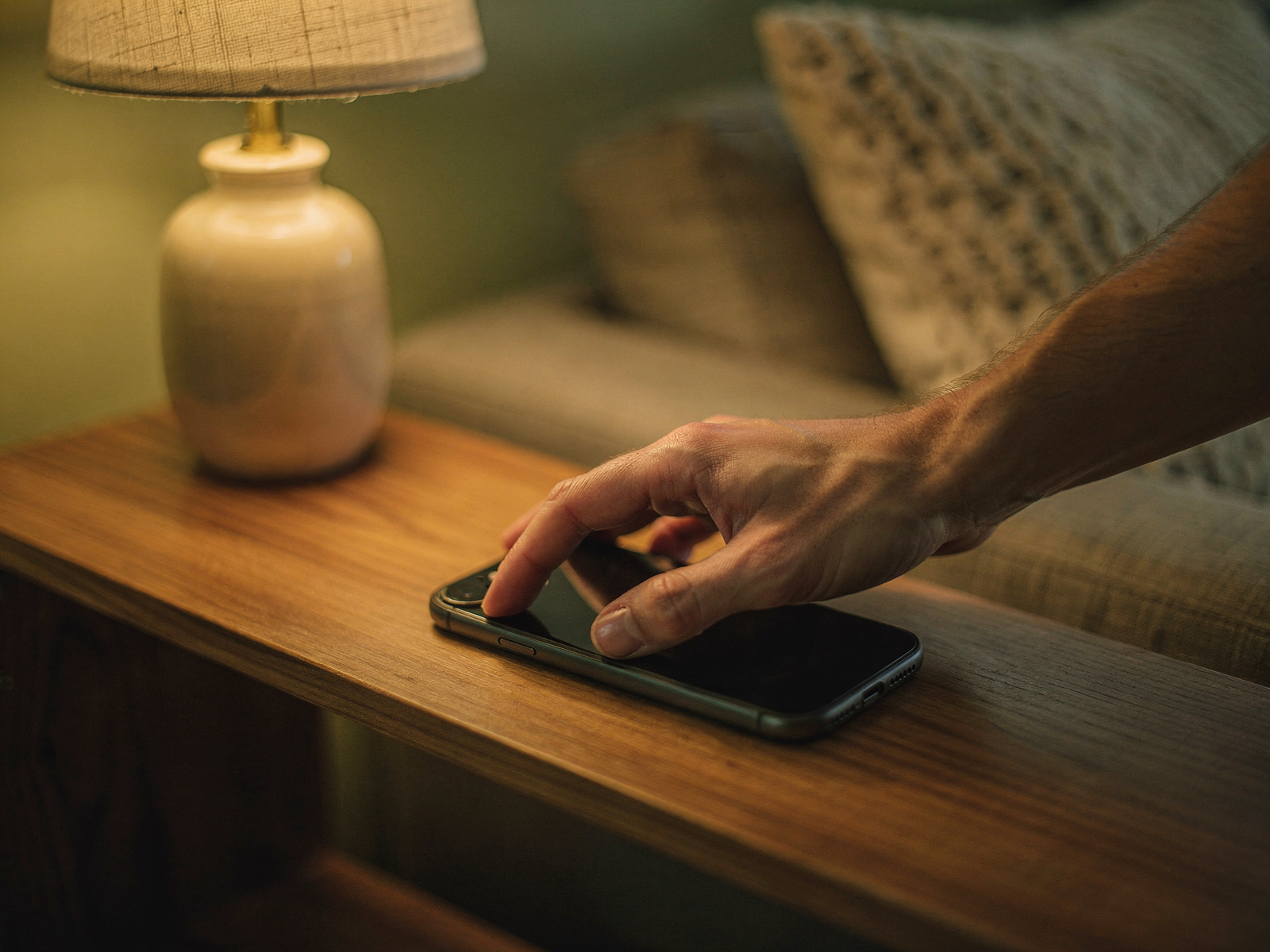
Pick the time you normally start getting ready for bed and set a phone alarm an hour earlier. When it goes off, put the phone down, face down, away from your chair. That is the whole rule.
NHS inform (Scotland) suggests setting a specific time each night to stop looking at your phone, and says these ideas are good habits, not strict rules. If you share a home, agree a screen-light corner or time with the others.
Close the loops with tomorrow's list
Why write it down
NHS Every Mind Matters says that if you often worry in bed, you can make a list of things to do the next day before you go to sleep, and that writing things down can help clear your mind before bed.
For anyone whose work tends to follow them into the evening, it is a quick way to park open tasks somewhere other than your head.
A three-line template
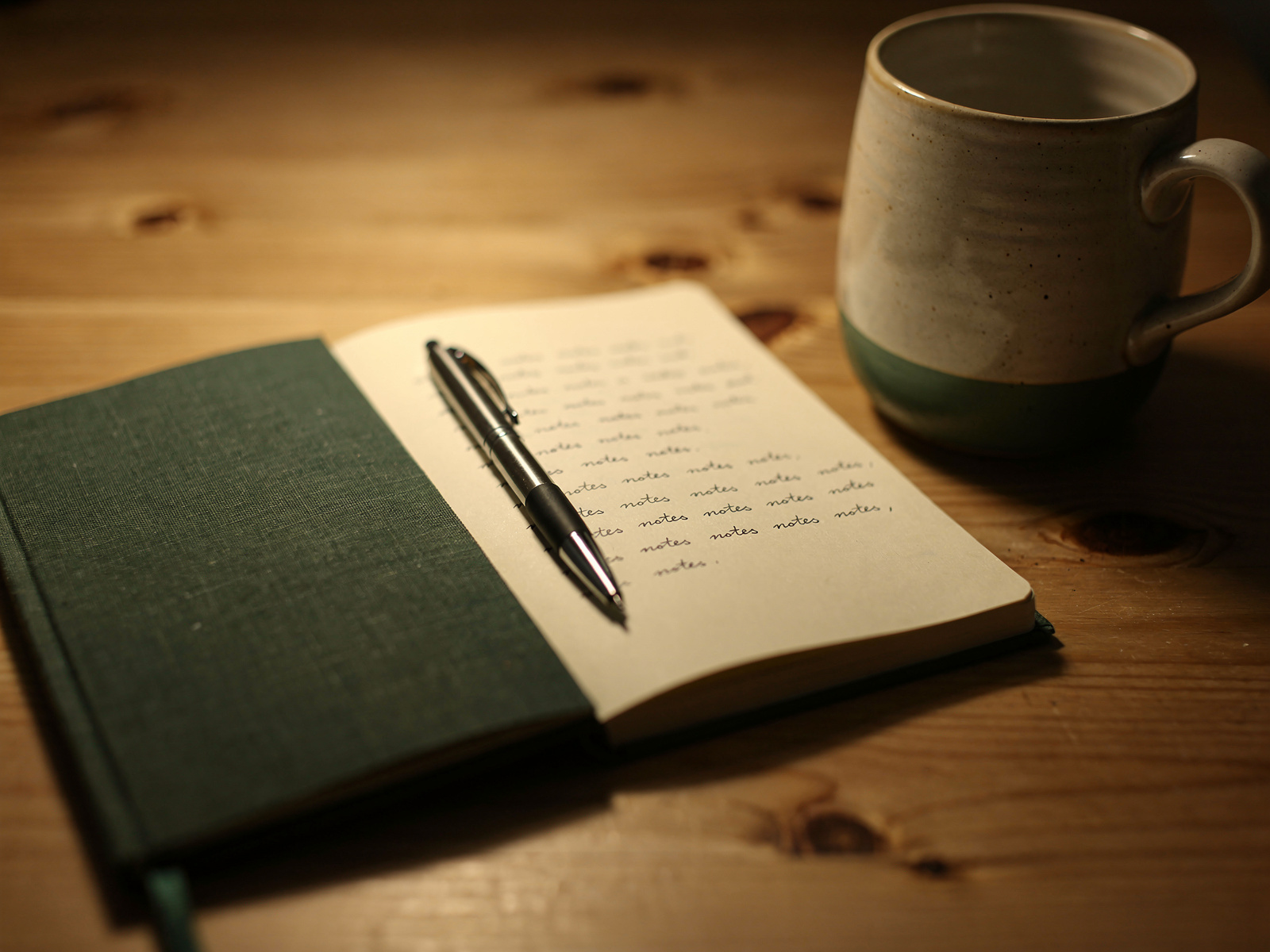
Use paper or a notes app and spend only a few minutes on it. Three lines are enough. A notebook is optional kit, not a requirement:
- Top three tasks for tomorrow
- One thing waiting on someone else
- The first thing I will do when I sit down
Step 3: Make the room feel like evening
Dim the light
A University Hospitals Southampton NHS Foundation Trust sleep factsheet says too much light in the evening can prevent you feeling sleepy, while morning and early-afternoon light helps maintain a healthy sleep-wake cycle.
So once the clocks have gone back and evenings are darker sooner, try a lamp instead of the overhead light. A lamp or a sunrise and sunset style light are optional types, not requirements.
Tidy work away
Our own idea: give the laptop and paperwork a box or cupboard, as a 'shop closed' signal for the room.
At bedtime, NHS Every Mind Matters suggests fully closing the curtains to keep the room dark, keeping clocks out of view and placing your phone face down. Those are the NHS's bedroom tips, so treat them as a bedtime extra.
Step 4: Start with one or two steps
A worked example
Say you start on the Monday after the clocks change. This is a hypothetical plan, not a prescription.
Week one: only the shutdown script, at whatever time your working day ends. Week two: add either the screen-light hour or tomorrow's list, not both. If an evening goes sideways, you simply do the script the next day. Starting with one or two steps keeps the routine light enough to survive a tired Thursday.

How long habits take
In one UCL study of 96 volunteers (Lally et al., 2010, with figures taken from a secondary summary), the median time for a new daily behaviour to become close to automatic was around 66 days, with a range of 18 to 254. That is not a rule or a promise, and the study was not about wind-down routines.
NHS inform (Scotland) describes ideas like these as good habits, not strict rules.
When the routine slips
You missed a night
Carry on tomorrow with the smallest step, usually the shutdown script. In the UCL study above, missing one opportunity did not materially affect habit formation.
The NHS inform (Scotland) framing helps here too: good habits, not strict rules. One missed evening is data, not failure.
You are awake in bed
NHS Every Mind Matters says that if you are still awake after around 20 minutes, you can get up and sit somewhere comfortable.
It suggests something relaxing such as gentle yoga, reading or quiet music, then going back to bed when you feel sleepy. This is a tip for an off night, not a treatment for any sleep condition.
Your start-this-week checklist
The checklist
The clocks go back at 2am on Sunday 25 October 2026 (GOV.UK, checked on 18 October 2026). Tick off what you can, and leave the rest:
- Choose one or two steps to start with
- Write the four-line shutdown script where you will see it
- Pick a daytime 'commute'
- Pick a phone cut-off time
- Choose one item from the menu
- Write tomorrow's list
- Dim one lamp
If sleep difficulty continues
If sleep difficulty continues, the NHS Every Mind Matters sleep pages cover more, or you can talk to a GP. This guide is general information, not personal advice.
FAQ
Do I need to stop work at a fixed time?
NHS Every Mind Matters says to stop working when your workday ends, but it does not set an hour. If your hours vary, pick an end point you can recognise on most days and use the same shutdown script each time.
Do I have to give up my phone for a full hour?
The NHS advises trying not to use screens for an hour before bed. NHS inform (Scotland) calls such ideas good habits, not strict rules. A cut-off time you can actually keep is a sensible place to start.
Is a workout a good wind-down?
The NHS advises avoiding exercise in the 4 hours before bed and suggests being active in the morning or early afternoon. For the evening, choose something from the menu, such as reading or calming music.
How long until it feels automatic?
In one UCL study the median was around 66 days, with a range of 18 to 254. That is not a promise for any routine, and the study was not about wind-down habits. Expect it to vary.
When should I talk to a GP?
If sleep difficulty continues, look at the NHS Every Mind Matters sleep pages or talk to a GP. A wind-down routine is general information and cannot replace personal advice from a health professional.
Verdict
Start with one or two steps this week. The shutdown script is the easiest first move: it costs nothing and needs no kit. Add the screen-light hour or tomorrow's list once it feels ordinary. The biggest reservation is that habits take time and vary widely, so judge the routine by whether you can repeat it on a tired night. Next step: use the script on the first dark evening after the clocks change.


