

Host a Virtual Halloween Party: Audio,…

20 Minimalist Halloween Nail Ideas for…

Can Free Affinity Help You Build…

12 Lower-Sugar Halloween Treat Swaps Worth…

Can Hostinger AI Builder Launch a…

A 5-Step Screen-Free Autumn Reading Ritual…

Plug-In Solar Panels UK: Are They…

15 Last-Minute Zoom Halloween Costumes for…

Meta One Explained: Is the Subscription…

10 Low-Fuss Dog Halloween Ideas: Comfort…

Plaud One Explained: Can AI Earbuds…

9 Gothic Dinner Table Ideas for…

Namecheap vs Dynadot

7 UK Ghost Tours and How…

Convertkit Vs Beehiiv

Do You Really Need a £420…

Bluehost vs Siteground

15 Gentle Spooky Autumn Books to…

Namecheap review

How to Remove Halloween Face Paint…
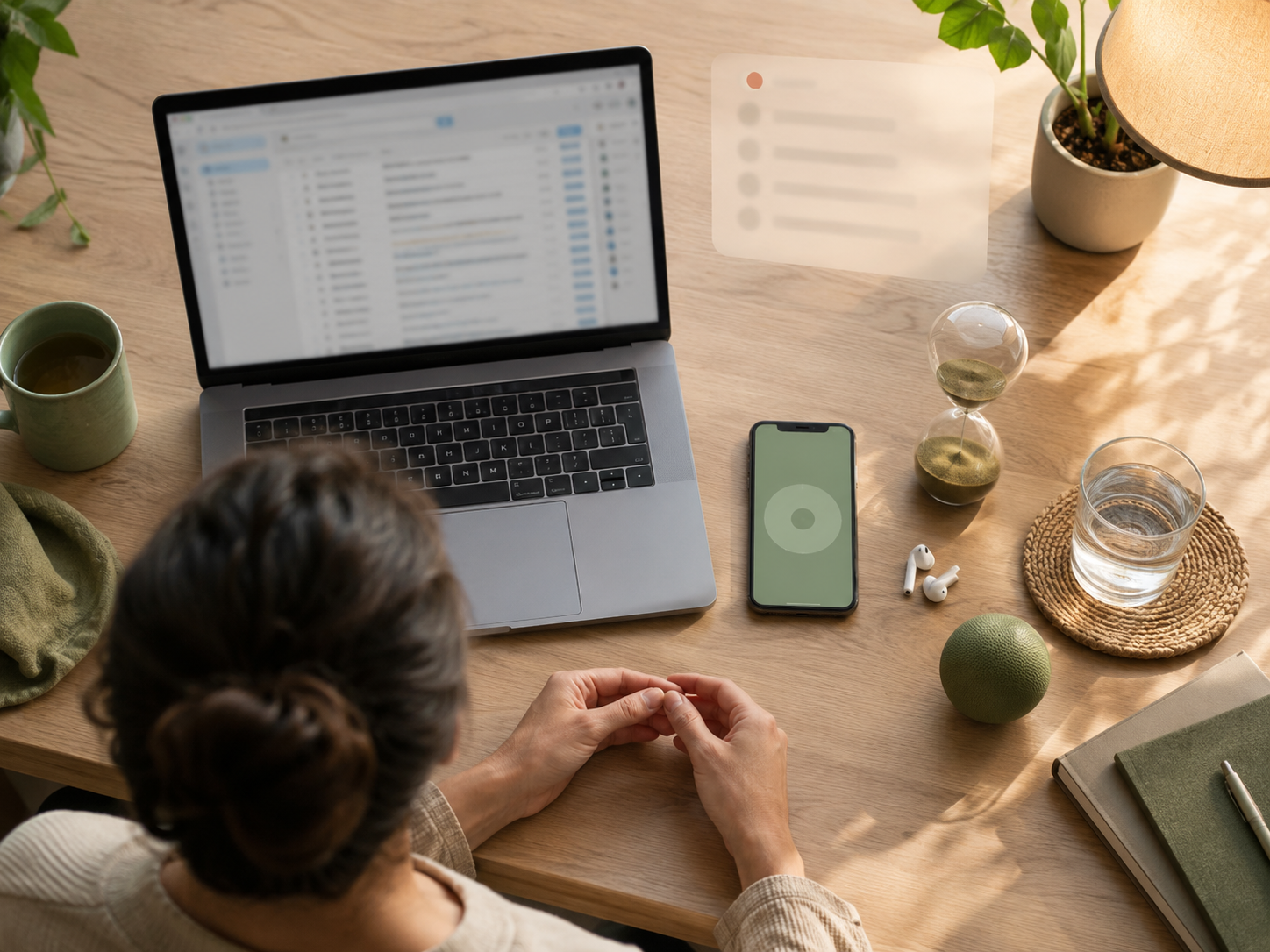
Email stress does not always begin with workload. Sometimes it begins with one vague “just checking in,” one strange tone, one “quick question” that is clearly not quick, or one inbox reload that makes your shoulders move closer to your ears.
Micro-recovery is the broader idea of adding tiny restorative pauses throughout the real working day. Micro meditations are one way to do it. A breathing reset, short walk, screen break, shoulder release or quiet pause between email batches can all count too.
The goal is not a candlelit life transformation. It is enough space to stop one message from becoming your whole mood, your lunch problem and possibly the reason you type “Sure!” with emotional damage.
Use tiny pauses before replying
Try 30 seconds after tense emails
Mix breathing, movement and screen breaks
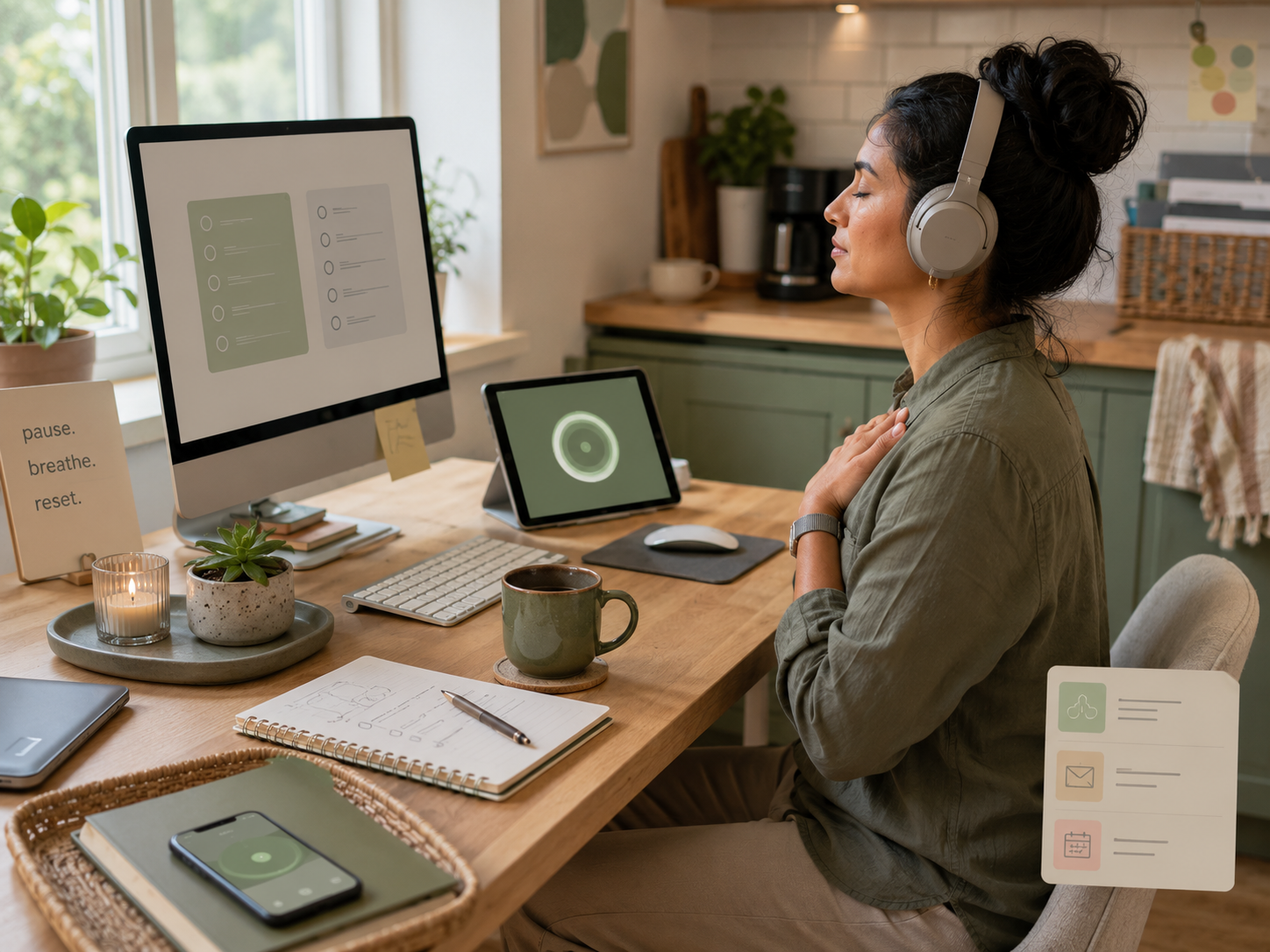
Guided meditation can help thought spirals
Calendar blocks protect inbox recovery
Tools and apps are optional support
Boundaries still matter
Most Relevant Audience
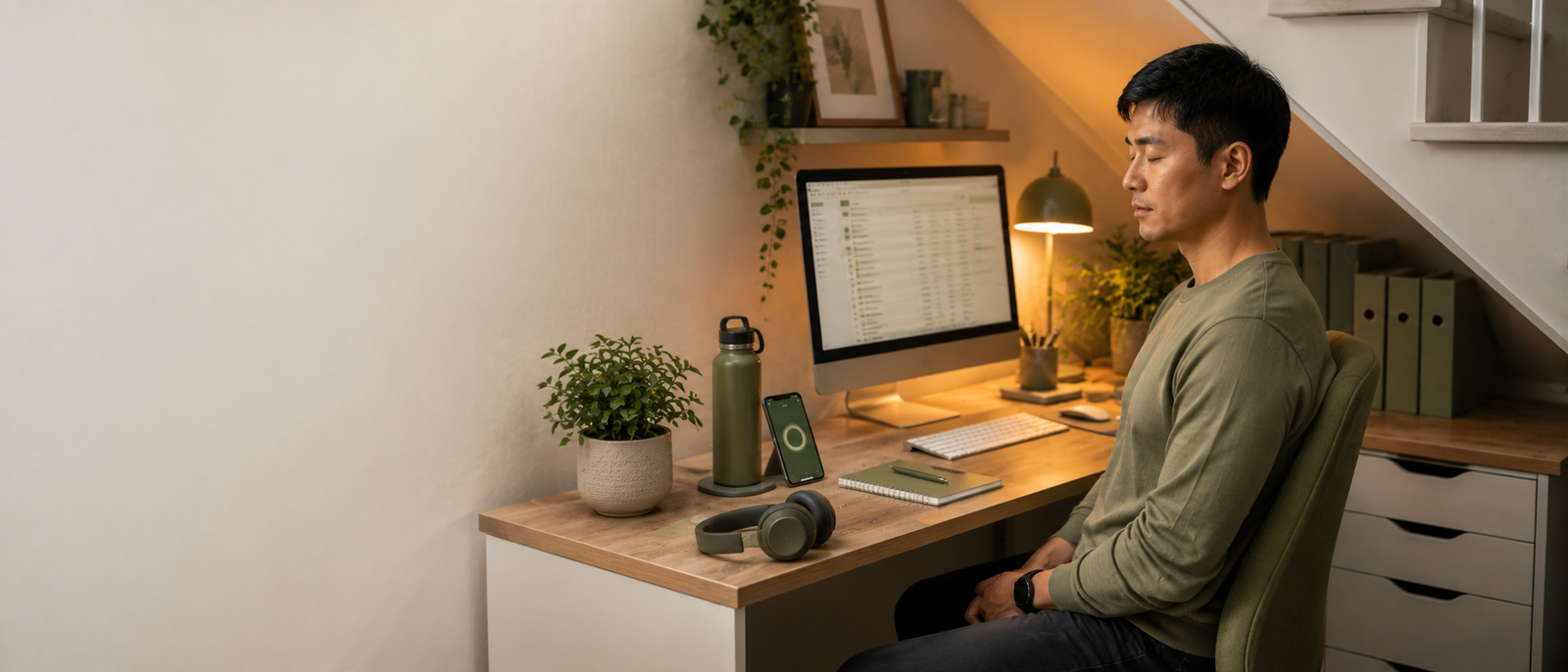
This guide is for remote workers, home workers, freelancers, bloggers, creators, side hustlers, parents, carers and small business owners who feel stress rise every time the inbox reloads, pings or quietly produces another problem.
It is especially useful if you check email before school pickup, read tense messages while making lunch, reply too quickly between client work and family admin, or open the inbox for one attachment and lose 40 minutes to digital fog.
Micro-recovery suits people who cannot—or do not want to—build a long morning routine around meditation. The pauses can sit inside the day you already have, including the messy one where somebody needs an answer, a snack or a missing shoe.
Choose Your Email Recovery Type
Use breathing when stress hits your body
Choose a breathing reset if email stress shows up physically. Tight chest, clenched jaw, lifted shoulders, shallow breathing and restless hands are signs your body has reacted before your brain has finished reading.
Try three slower breaths before replying. Let the exhale feel unhurried without forcing an exact count. A guided breathing tool can help if following a rhythm alone feels distracting, but you do not need an app or device for the basic reset.
Use a micro meditation when thoughts spiral
Choose a short guided or unguided meditation if the problem is mental looping. Maybe you keep rereading the same sentence, imagining the sender’s tone or drafting five replies in your head without sending any of them.
Headspace, Calm and Insight Timer can help if guided audio makes it easier to step back. Keep sessions short. The point is to return to the email calmer, not disappear into a wellness rabbit hole.
Use movement or distance when screens feel heavy
Choose a movement or visual reset if sitting still makes the stress worse. Stand up, walk into another room without your phone or look towards the furthest comfortable point in the room.
This is still micro-recovery. Meditation is not compulsory. Sometimes the most restorative thing you can do is stop looking directly at the problem for 90 seconds.
Use calendar blocks when email leaks everywhere
Choose calendar blocking if email keeps taking over the whole day. The issue may not be one stressful message. It may be that the inbox is always open, always available and always allowed to interrupt.
Google Calendar can help protect reply windows, admin batches and short reset breaks. It is boundary support, not a meditation app.
Micro meditation is a useful technique, but micro-recovery is the wider habit. It means allowing small moments of restoration during the actual day instead of saving all recovery for the evening, weekend or imaginary morning when everybody wakes peacefully at 5am.
What The Micro-Recovery Trend Adds
The pause can match the problem
A breathing reset can help when the reaction feels physical. A micro meditation can help when thoughts loop. A short walk can help when the screen feels claustrophobic. An inbox boundary can help when the real issue is constant access.
This makes micro-recovery more flexible than treating meditation as the only correct response. The most useful reset is often the smallest one that matches what is happening now.
Short breaks have evidence behind them
The fashionable phrase is new, but short breaks are not. A PLOS ONE systematic review and meta-analysis found that micro-breaks were associated with lower fatigue and greater feelings of energy. Performance benefits were less consistent and depended partly on the task and the length of the break.
That matters because recovery does not have to earn its place by producing more work. Feeling less depleted is a valid outcome even when the inbox is still the inbox.
Email habits affect how stressful the day feels
In a two-week experiment involving 124 adults, participants reported lower daily stress when they limited email checking to three times a day compared with a week of unrestricted checking.
Not every role can use the same rule, and urgent work still exists. The useful point is that email stress is shaped by access patterns as well as message volume. How often the inbox is allowed to interrupt can matter.
Repeated recovery is more realistic than one perfect reset
A 20-minute meditation in the morning cannot automatically cancel 12 hours of rushing, notifications and unfinished admin. Micro-recovery spreads small pauses across the day instead.
This is why the idea is attracting attention now. It feels achievable for people who want calmer routines without turning wellness into another demanding project.
The 30-Second Inbox Reset
Step one: stop touching the keyboard
Take your hands off the keyboard or phone. This matters because the body often starts replying before the brain has finished understanding.
One pause can stop a tense message from turning into a tense response. The keyboard will survive being ignored for half a minute. It has had a full life.
Step two: slow the exhale
Take one normal breath in, then make the exhale slightly longer. Repeat three times.
You do not need perfect counting. Just make the out-breath comfortable and unhurried enough to remind yourself that this email is not a tiger, even if it has used the phrase “circling back.”
If deliberate breathing feels uncomfortable, stop and breathe normally. Looking away, standing up or changing rooms can provide the same pause without forcing a breathing exercise.
Step three: name the next action
Ask what the next sensible action is: reply now, wait, clarify, schedule, delegate, save for admin time or leave until the proper block.
Naming the next action helps stop the email from becoming a mood. It turns the moment back into a decision.
Inbox Recovery Moments That Actually Help
Before opening your inbox
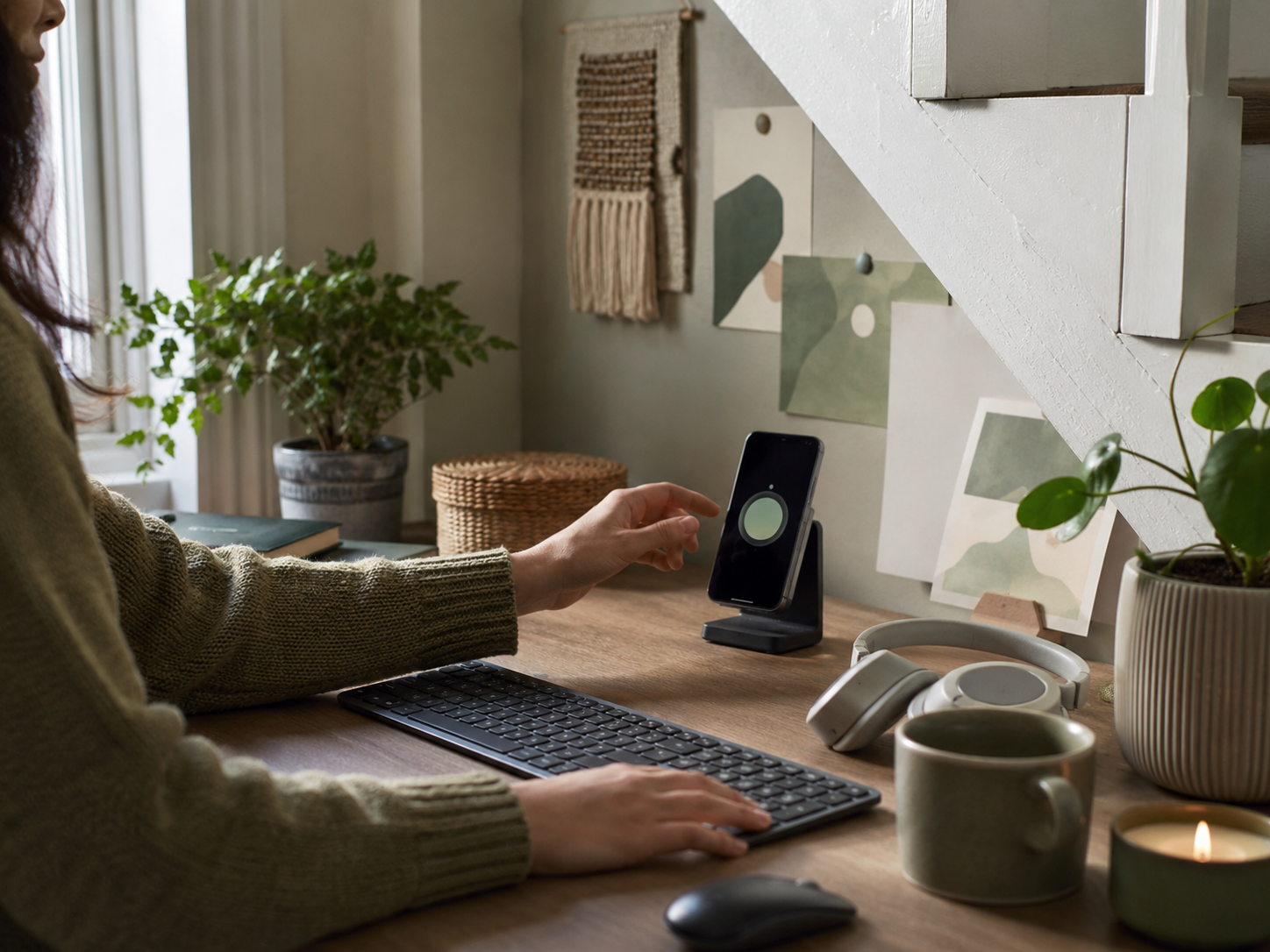
Before opening email, pause for 30 seconds. Put both feet on the floor, relax your shoulders and take three slower breaths or simply sit without new information arriving.
Then decide what kind of inbox session this is: quick scan, reply block, admin batch or deep follow-up. This stops email becoming a trapdoor you fall through while looking for one attachment.
After reading a stressful email
After a stressful email, do not reply immediately. Look away from the screen. Notice the first reaction without obeying it.
Then summarise the message in one plain sentence: “They are asking for a deadline update.” This helps separate the actual request from the emotional weather around it.
Before replying too quickly
Before replying, pause and ask what the message needs: clarity, reassurance, boundary, answer, delay, refusal or next step.
This is useful when you feel defensive, rushed or overly eager to make the problem disappear. A slower reply is often shorter, kinder and less likely to require a second email apology.
Between email batches
After a batch of replies, take 60 seconds before switching tasks. Stand up, breathe, stretch your hands or look across the room.
This helps prevent inbox residue from following you into writing, calls, parenting, client work or lunch. Email should not get to season the whole afternoon.
Before finishing work
Use a two-minute closing reset after the final inbox batch. Note anything that genuinely needs tomorrow’s attention, close the inbox and change something physical: location, lighting, posture or clothing.
This creates a clearer edge between work and home time, particularly when both happen in the same room.

The point of micro-recovery is not length. It is timing. A 30-second pause before opening the inbox, after a tense message or before a fast reply can be more useful than an ideal routine you never reach.
Tools For Short Email Stress Resets
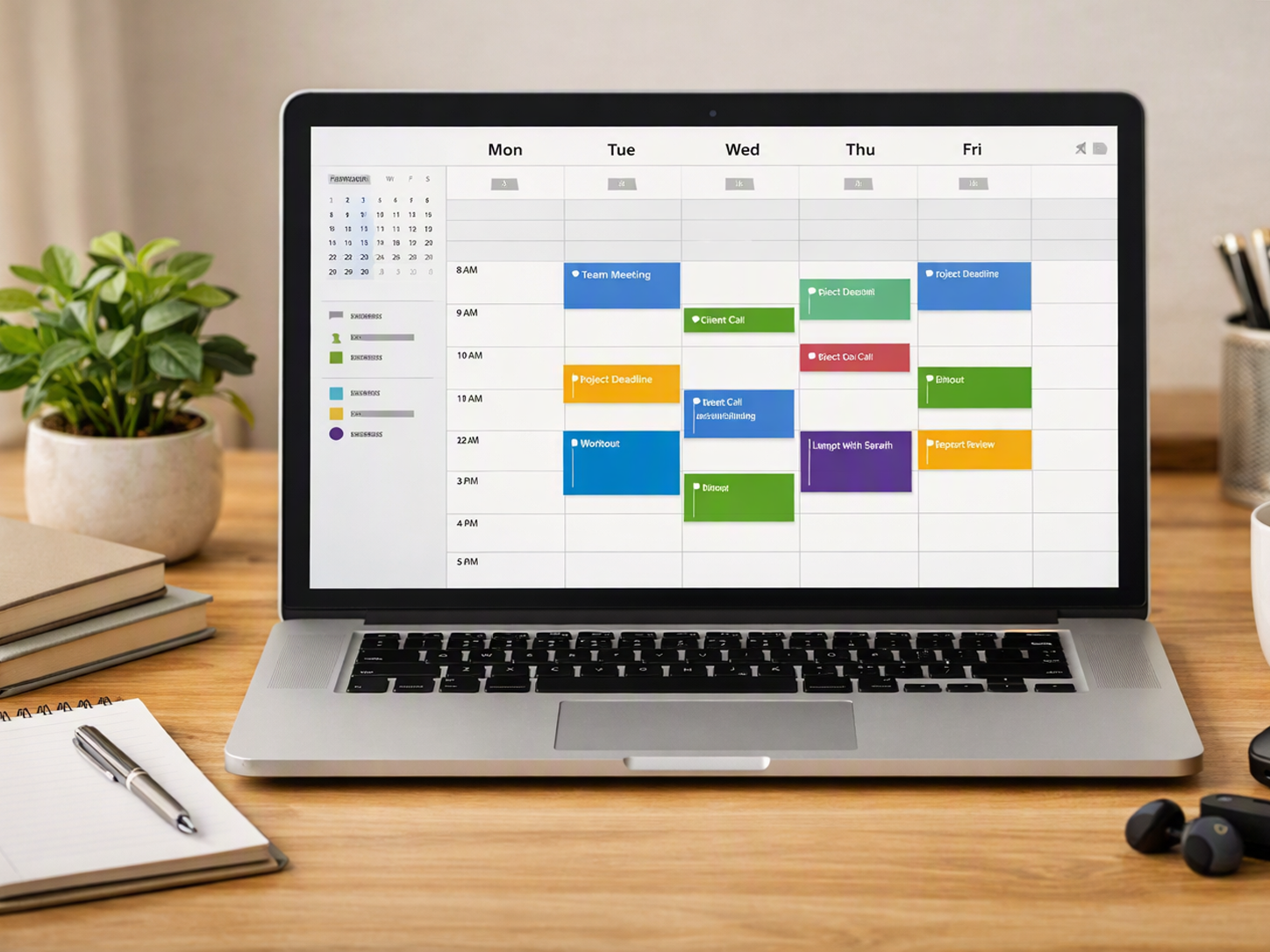
Google Calendar
Google Calendar is best for scheduling inbox boundaries and recovery breaks. It is not a meditation app. Its job here is to stop email leaking across the whole day.
Use it to block reply windows, admin time and short reset gaps. Avoid turning it into a colour-coded pressure system. Check current notification, sharing and reminder settings so the calendar supports calm instead of creating more pings.
Which Email Reset Should You Choose?
Breathing helps when stress feels physical
Breathing exercises are useful when the email reaction is immediate and physical. If your chest tightens, shoulders rise or breathing becomes shallow, a gentle breathing reset may be the fastest first step.
This is where a tactile guide or breathing-focused app may help, or a simple three-breath reset without any product at all.
Meditation helps when thoughts spiral
Meditation can help when the stress becomes mental looping: rereading, imagining tone, predicting conflict or drafting five replies in your head.
Guided options may help you step back from the thought spiral before replying. Keep the goal practical: notice the reaction, then respond more clearly.
Movement helps when stillness feels irritating
Walking away from the screen, looking through a window or changing posture can be more useful when breath counting or guided meditation feels like another task.
Micro-recovery does not require stillness. The purpose is to reduce input and interrupt the reaction, not to perform meditation correctly.
Calendar breaks help when email takes over
If email keeps swallowing the whole day, the problem may be access rather than calm. Your inbox may need containers.
Use calendar blocks to protect email batches, reply windows and short recovery pauses. Sometimes the best reset is not checking email every four minutes like it owes you rent.
Common Mistakes That Make Email Stress Worse
Replying from the first reaction
The first reaction is often tension, defensiveness, urgency or people-pleasing. It may not be your clearest response.
Pause before replying to anything that makes your body tense. A 30-second reset can prevent a rushed email from creating a longer problem.
Keeping the inbox open all day
An always-open inbox keeps your attention half-captured. Every reload becomes a tiny invitation to abandon whatever you were doing.
Batch email where possible. Keep the inbox closed during focused work. Your nervous system was not designed to be lightly startled by admin forever.
Meditating instead of setting boundaries
A micro meditation can calm the moment, but it should not replace boundaries. If people expect instant replies all day, breathing alone will not fix that.
You may need reply windows, clearer expectations, automation, templates or a better task system. Calm is useful. So is not being endlessly available.
Choosing too many reset tools
Do not download five apps and buy three devices to create a stress-reset system that now needs managing. That is how wellness becomes admin wearing softer trousers.
Pick one method first: three breaths, one saved meditation, one tactile guide or one calendar break. Small and repeatable beats elaborate and abandoned.
Turning every email into emotional archaeology
Some emails are genuinely stressful. Others are simply unclear, boring or badly written. Not every message needs deep inner work.
Use micro-recovery to pause, not to analyse every sender’s soul. Sometimes the next step is just “reply with the deadline and move on.”
Expecting tiny breaks to fix a damaging workload
Micro-recovery can create breathing room, but it cannot repair chronic understaffing, unclear responsibilities, permanent availability or a workload that does not fit into the day.
Small pauses should support better systems and boundaries. They should not make an unhealthy situation appear acceptable.
FAQ
What is micro-recovery?
Micro-recovery means taking short, intentional moments of restoration throughout the day. It can include slower breathing, a short walk, looking away from a screen, changing posture or sitting quietly without more information arriving.
The practice is flexible. It does not require a specific app, product, meditation style or perfect routine.
Is micro-recovery the same as a micro meditation?
No. A micro meditation is one type of micro-recovery. Micro-recovery is the broader category and can include movement, visual breaks, quiet transitions and practical boundaries as well as meditation.
Both ideas work well around email because they create space between a trigger and the next automatic action.
Can meditation help with email stress?
Meditation can help by creating space between a stressful message and your response. It may help you notice tension, slow down and avoid replying from the first emotional spike.
It will not fix an overloaded inbox by itself. Boundaries, batching, automation and clearer expectations may still matter.
How long should a micro-recovery break be?
Start with 30 seconds to five minutes. The point is not length. The point is interruption and restoration.
A short pause you actually use is more valuable than a perfect 20-minute routine that never fits the day.
What should I do before replying to a stressful email?
Stop typing, take three comfortable slower breaths or look away from the screen, then name what the email actually needs. Is it asking for information, a decision, a boundary, a delay, a clarification or a next step?
Reply to the request, not only the feeling it created. If you are too tense, draft the response and return later.
Are breathing exercises better than meditation for email anxiety?
Breathing exercises may suit moments when the stress feels physical and immediate. Meditation may suit mental spirals or repeated thoughts about tone and conflict.
Neither is automatically better. Choose the shortest comfortable reset that matches the moment. If deliberate breathing feels unpleasant, use movement or a visual break instead.
Do I need a breathing device or meditation subscription?
No. Free breathing cues, a timer, a short walk and calendar boundaries can all support micro-recovery.
A tactile breathing device or paid app may be useful if guidance improves consistency, but it should solve a real problem rather than become another subscription or object to manage.
What if closing email is not possible in my job?
Use the smallest boundary available. Pause before replying, deal with one message at a time, disable non-essential pop-ups or take a minute away from the screen after an intense exchange.
Micro-recovery is meant to fit reality, not demand ideal working conditions before it counts.
Final Verdict
Micro-recovery and micro meditations for email stress work because they create space between inbox trigger and automatic response. A few breaths, a short walk, a screen break or 30 seconds with your hands away from the keyboard may stop one annoying email from hijacking the next three hours.
Guided apps and tactile breathing tools can support the habit, while calendar blocks can protect inbox boundaries. But the real reset is simple: pause before the inbox turns a message into a mood.
The trend name may eventually change. The underlying habit has lasting value because it fits real working days and does not require recovery to wait until everything else is finished.


