


Host a Virtual Halloween Party: Audio,…

20 Minimalist Halloween Nail Ideas for…

Can Free Affinity Help You Build…

12 Lower-Sugar Halloween Treat Swaps Worth…

Can Hostinger AI Builder Launch a…

A 5-Step Screen-Free Autumn Reading Ritual…

Plug-In Solar Panels UK: Are They…

15 Last-Minute Zoom Halloween Costumes for…

Meta One Explained: Is the Subscription…

10 Low-Fuss Dog Halloween Ideas: Comfort…

Plaud One Explained: Can AI Earbuds…

9 Gothic Dinner Table Ideas for…

Namecheap vs Dynadot

7 UK Ghost Tours and How…

Convertkit Vs Beehiiv

Do You Really Need a £420…

Bluehost vs Siteground

15 Gentle Spooky Autumn Books to…

Namecheap review

How to Remove Halloween Face Paint…
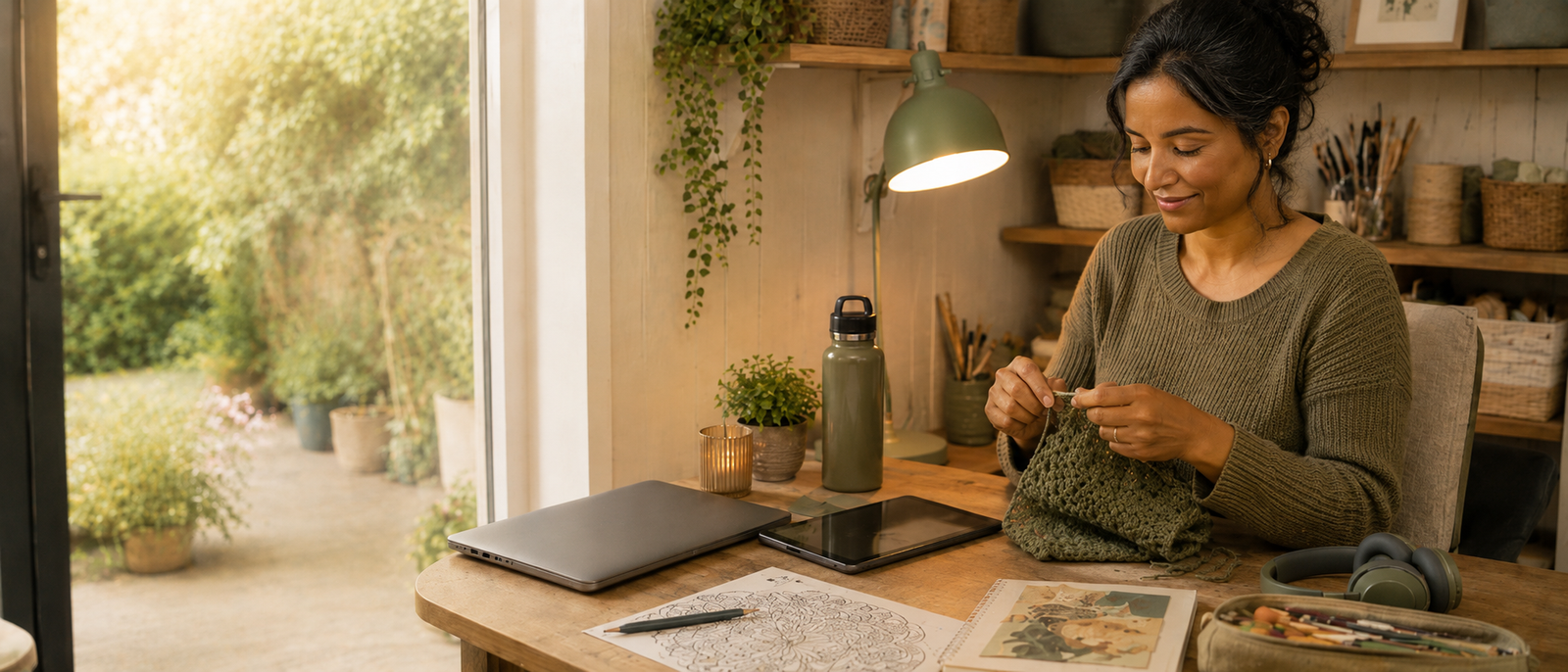
Crafting for mindfulness can be a gentle way to switch off when sitting still feels difficult. Knitting, colouring, journaling, doodling or making something small gives your hands a simple task while your mind slowly settles. It does not need an app, a course or a self-improvement plan. It just needs to feel calm, repeatable and easy enough to return to after a busy work-from-home day.
Knitting and crochet add rhythm
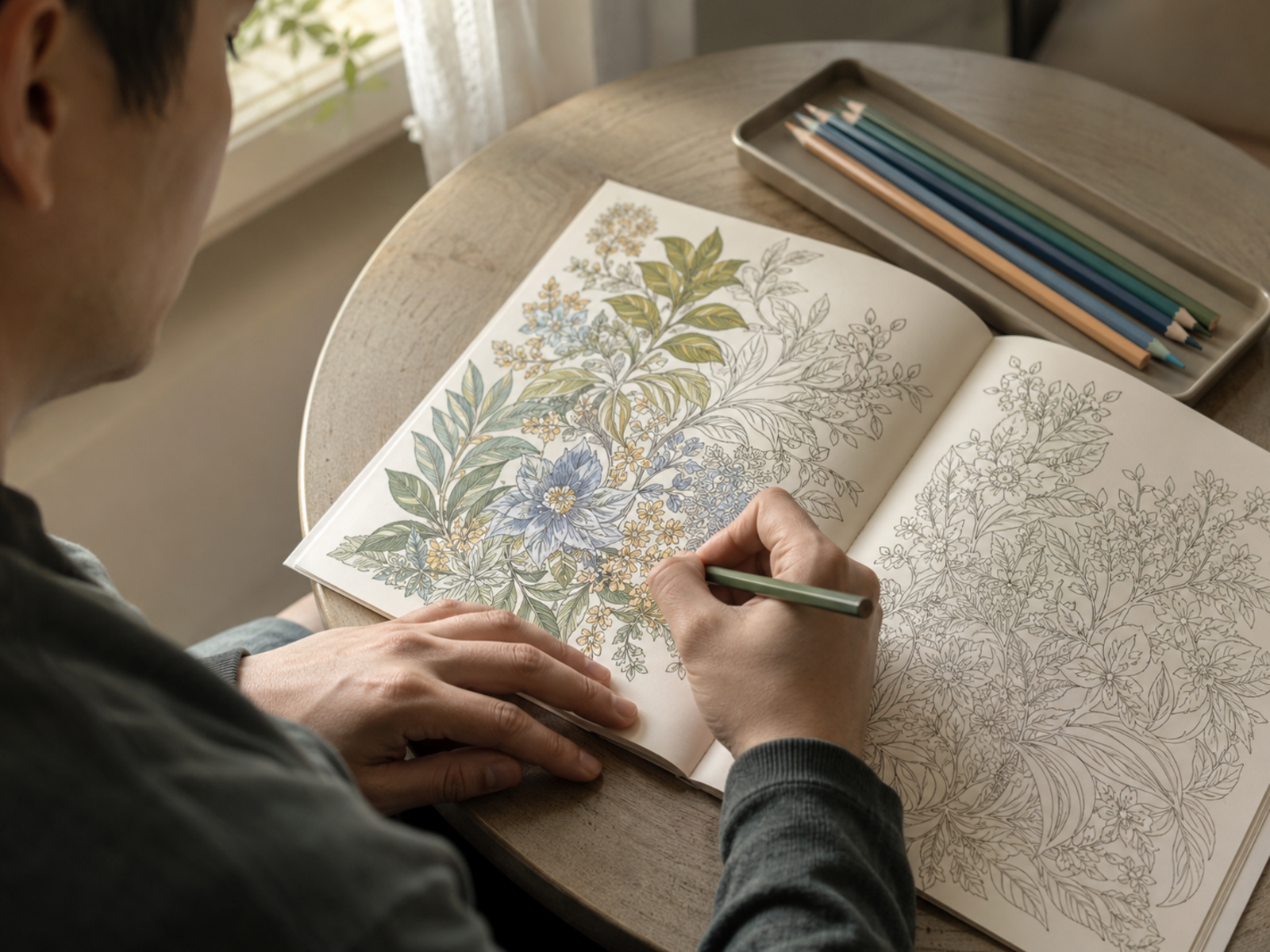
Colouring is the easiest reset
Journaling helps busy thoughts land
Drawing and painting support expression
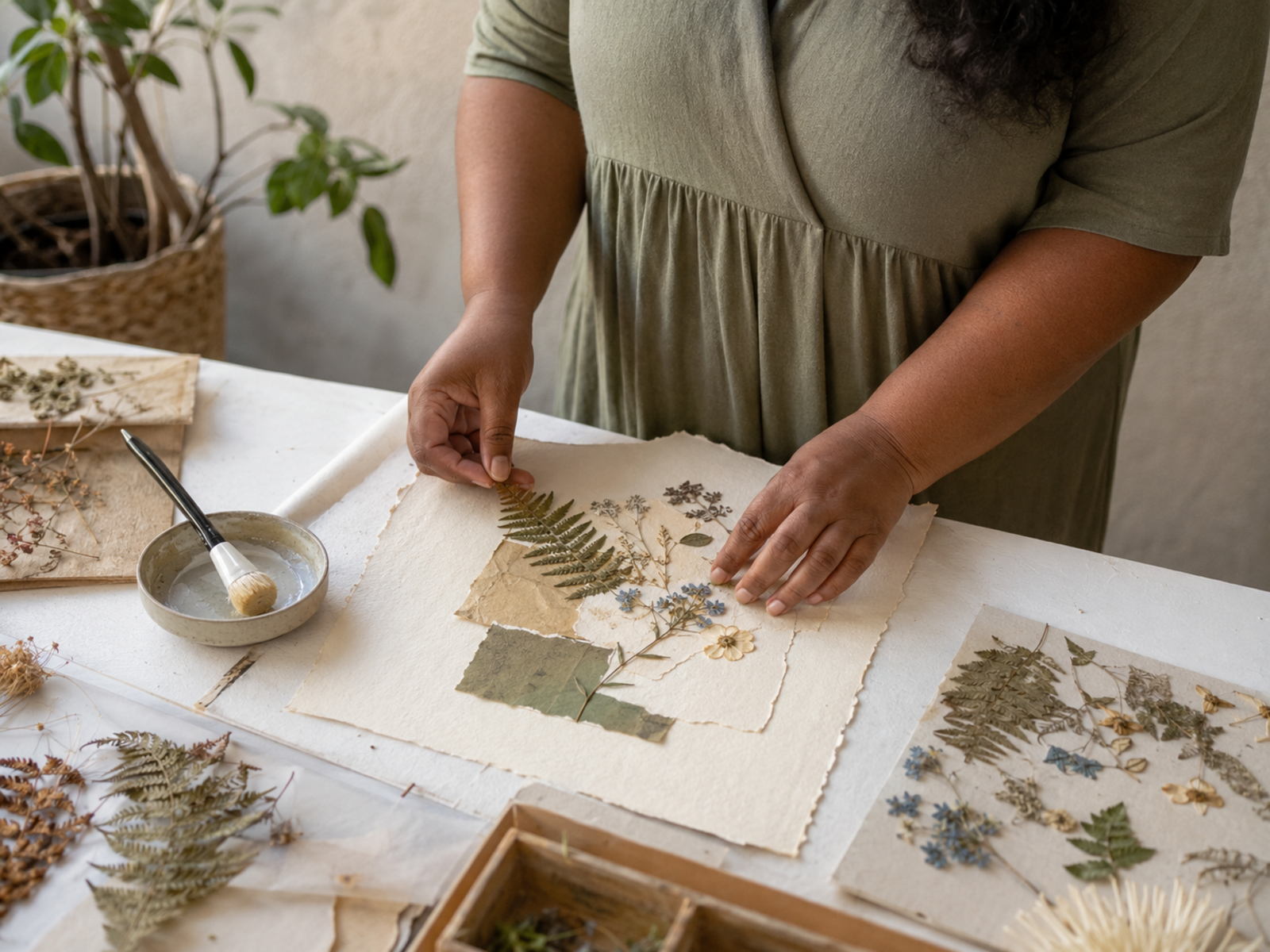
DIY projects suit weekend resets
Start with cheap beginner supplies
The result does not need to impress
Most Relevant Audience
This guide is for remote workers, home workers, freelancers, bloggers, creators, side hustlers, parents, carers and small business owners who want a calmer way to switch off.
It is especially useful if your evenings disappear into scrolling, your brain stays in work mode after the laptop closes, or traditional meditation makes you suddenly remember every email, sock, bill and life decision waiting for attention.
Why Crafting Helps Busy Brains Switch Off
It gives attention somewhere softer to land
Crafting can feel calming because it gives your mind a gentle focus. Your attention moves toward the stitch, colour, line, word, shape or small repeated action.
That softer focus matters after screen-heavy work. It is not empty rest. It is guided rest with texture, movement and a visible stopping point, which can feel easier than telling your brain to relax and watching it immediately file a complaint.
It slows the work-home blur
Working from home can make the day feel like one long digital corridor. Messages, tabs, meals, laundry and evening scrolling all blend together.
A small craft can act like a transition. Ten minutes of colouring, knitting or sketching tells your brain that the workday has changed gear. No dramatic ceremony required. Just hands busy, screen away, shoulders slightly less committed to living near your ears.
It works without perfect stillness
Some people find sitting meditation helpful. Others close their eyes and immediately enter a meeting with every unfinished task they have ever ignored.
Mindful crafting is useful because it does not demand total stillness. You can be present while moving your hands. The rhythm, repetition and mild concentration create a practical route into calm for people who need something to do.
It creates rest with a visible endpoint
Some rest feels difficult because it has no shape. Crafting gives you a small endpoint: finish a row, colour one section, write ten lines, paint one wash or complete one tiny project.
That endpoint helps busy brains stop negotiating. You do not have to rest perfectly. You only have to do this small thing for a little while.
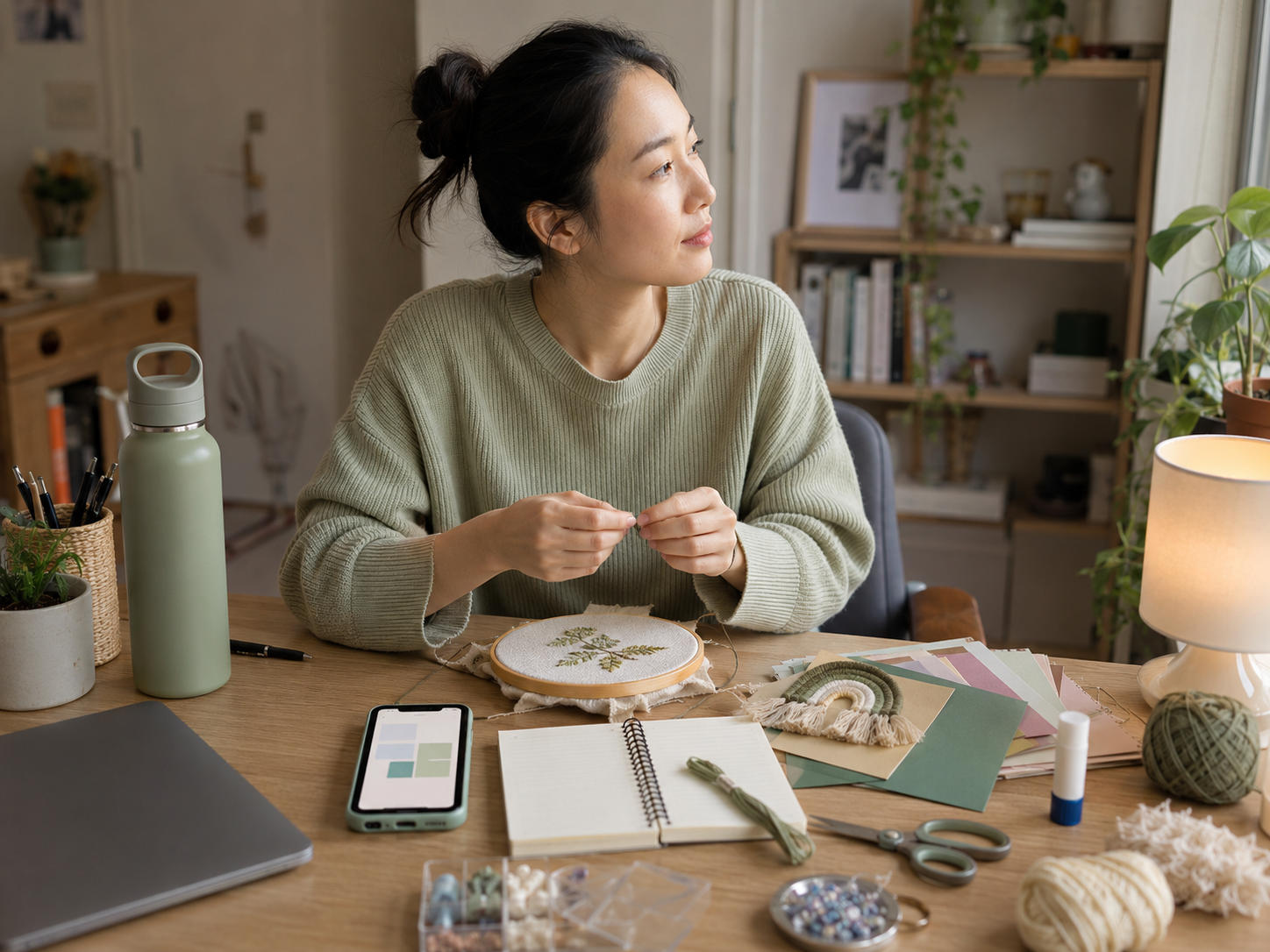
Crafting helps most when it stays simple. You do not need a craft cupboard, specialist tools or a spare room called “the studio.” You need one small activity that feels easy to start, easy to pause and kind enough to repeat when your brain is tired.
Best Mindful Crafts To Try First
Simple Painting And Drawing
Simple painting and drawing are best for expressive screen-free activity. Doodling, watercolour washes, pencil sketches or drawing from your desk can help your mind shift out of work mode.
Start with a small sketchbook, pencil, black pen or basic watercolour set. Avoid buying a full art department before you know what feels calming. The goal is expression, not becoming an artist by Thursday.
Beginner Supplies To Buy Without Overdoing It
For knitting and crochet
Buy one beginner pattern, one ball of suitable yarn and one hook or pair of needles that matches the pattern. That is enough to begin.
Do not buy a mountain of yarn because future-you briefly imagined a handmade blanket era. Start small. Let the habit prove it deserves more supplies.
For colouring
Buy one colouring book and one basic coloured pencil set. Choose designs that feel spacious rather than fiddly if your brain is already overloaded.
You do not need alcohol markers, blending tools or a pencil collection arranged like a tiny rainbow boardroom. Low-pressure colouring works because the choice is limited.
For journaling
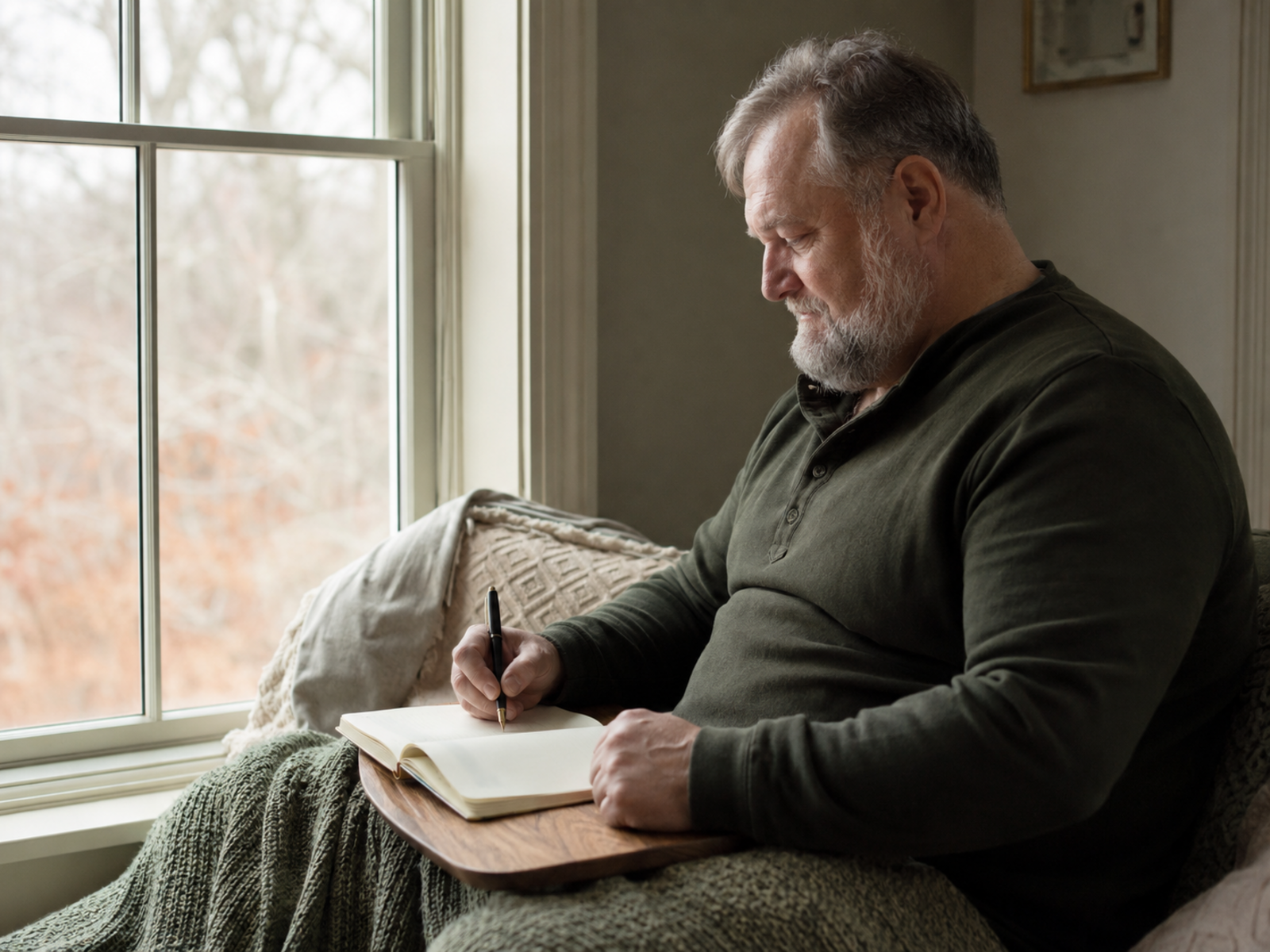
Buy a plain notebook and a pen that feels nice to use. That is the entire starter kit.
A beautiful journal can help, but it can also create pressure. If you are afraid to ruin the first page, the notebook has become too powerful and should be humbled with messy handwriting immediately.
For drawing and painting
Buy a small sketchbook, pencil set or basic watercolour kit. Choose supplies that can live in one drawer or basket.
Avoid anything that needs a long setup or careful cleanup at first. The easier it is to begin, the more likely you are to use it after work instead of falling into scrolling.
For DIY projects
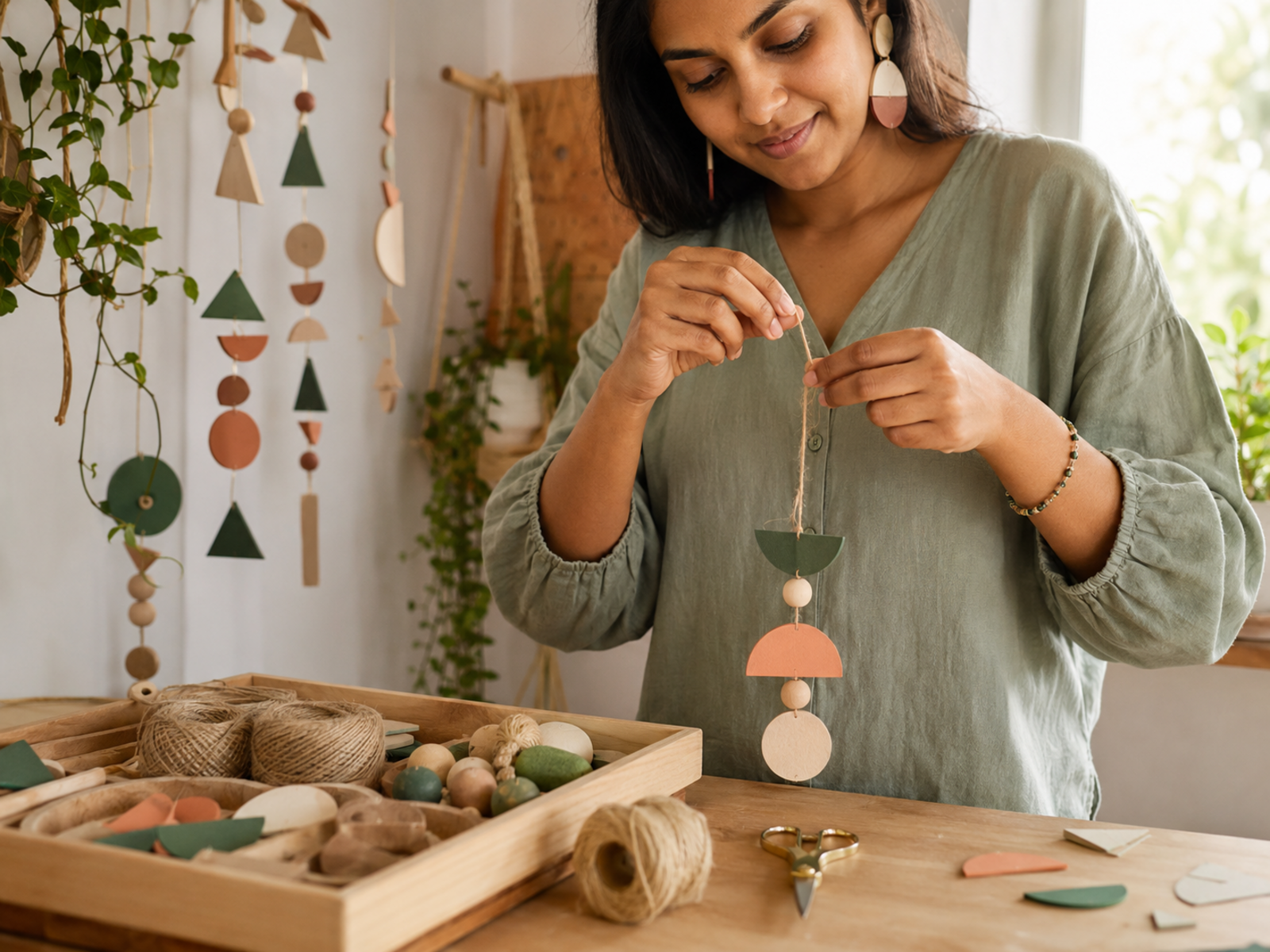
Buy one small kit with clear instructions, low mess and a realistic finish time. Look for projects you can pause without your table becoming a hazard zone.
A mindful DIY project should feel satisfying, not like you accidentally enrolled in a weekend course with glue warnings.
Best Crafts For Screen-Heavy Workers
Best for tired evenings
Adult colouring, crochet and simple knitting work well when you are tired because they can be repetitive and low decision.
Choose something you can pick up for ten minutes without rereading instructions every time. After a long screen day, your brain may not want a challenge. It may want a gentle loop.
Best for busy brains
Journaling, creative writing and doodling can help when thoughts feel crowded. They give the mind somewhere to unload without needing a full emotional audit.
Try a five-minute brain-dump page, three lines about the day or a small drawing of whatever is nearby. It does not need meaning. It needs somewhere to go.
Best for fidgety rest
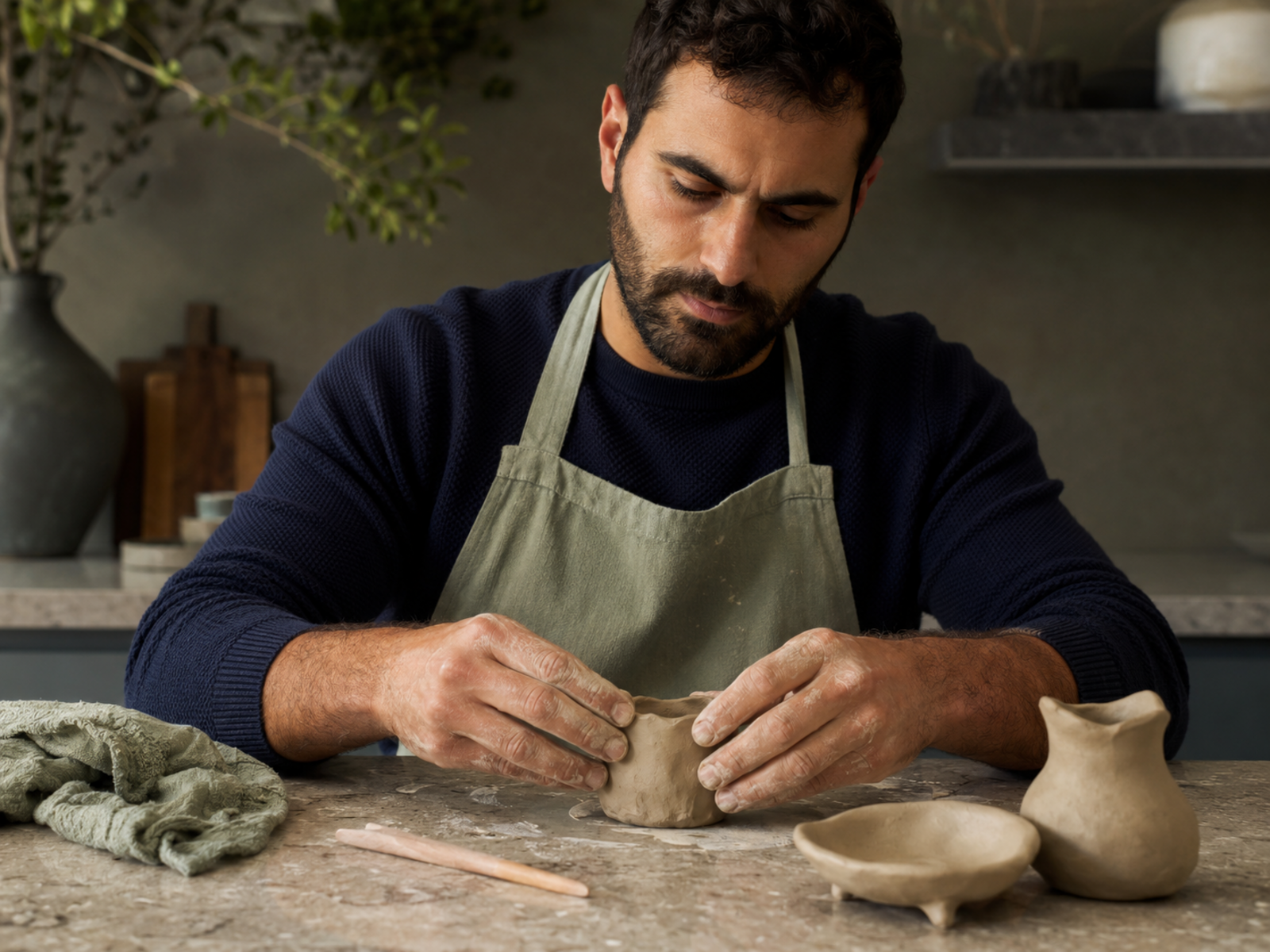
Knitting, crochet, clay, collage and small DIY crafts can help if rest feels uncomfortable unless your hands are doing something.
This is useful for people who struggle to sit through TV, meditation or quiet time without reaching for the phone. Hands busy does not always mean mind busy. Sometimes it means the opposite.
Best for weekend resets
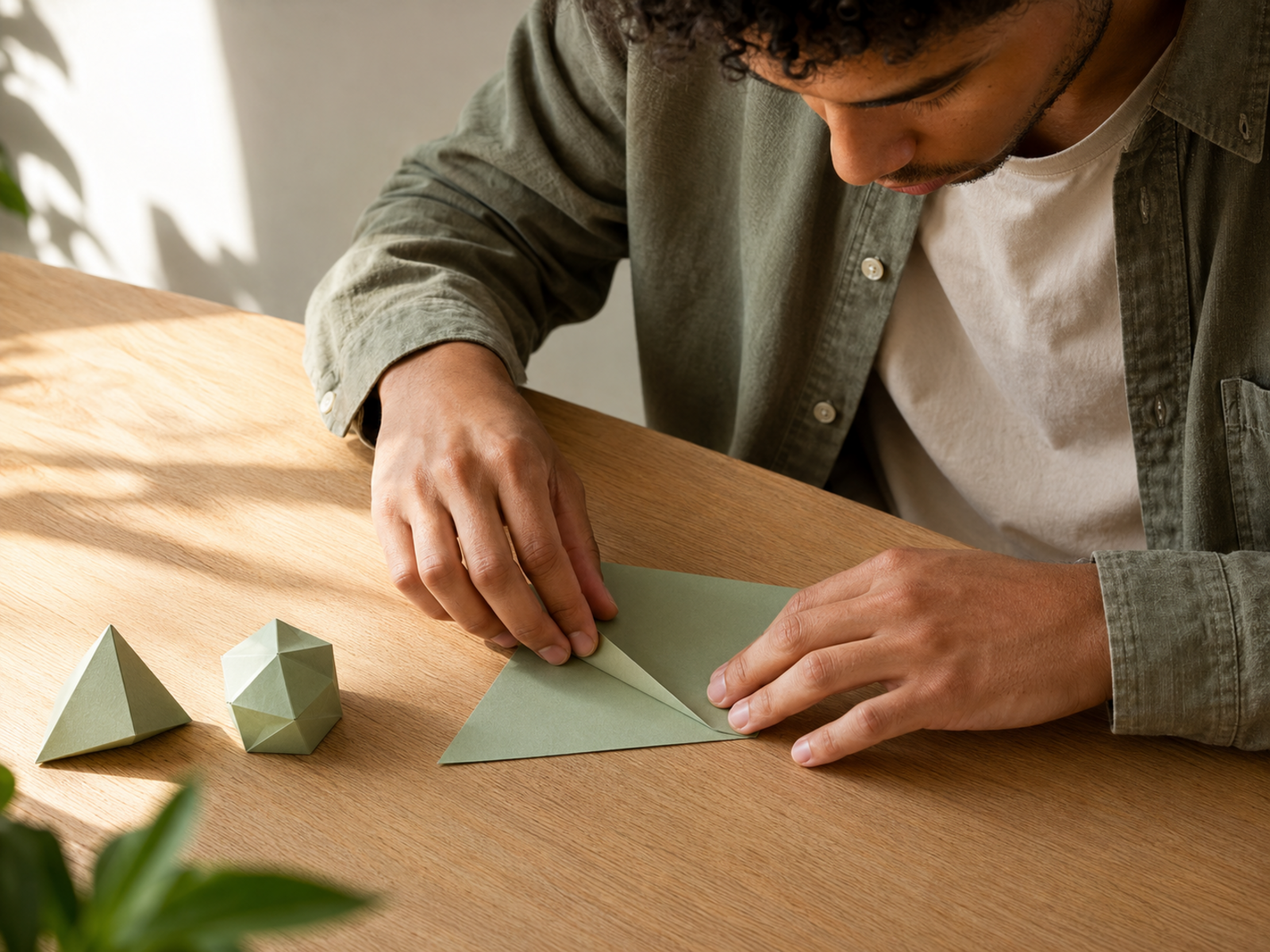
DIY craft projects, painting and slightly longer creative activities can work well at weekends when you want a reset that is not just more screen time.
Keep the project small enough to finish or pause easily. Weekend crafting should not become another open tab in physical form.
Common Mistakes That Make Crafting Feel Like Work
Choosing projects that are too ambitious
A huge project can be exciting, but it can also become another responsibility. If the craft needs hours, planning, measurements and emotional courage, it may not be the best mindfulness starter.
Choose something small and repeatable first. Calm usually enters through the side door, not through a 47-step project with glue warnings.
Turning results into performance
Mindful crafting stops working when every result needs to be impressive, shareable or useful. You are allowed to make something wonky, plain, messy or completely unphotogenic.
The benefit is in the doing. Social media does not need evidence that you rested correctly.
Buying too many supplies
Craft supplies are dangerously good at multiplying. One notebook becomes six. One yarn becomes a small sheep-based investment portfolio.
Buy slowly. Let the habit prove itself before building a supply shelf. Otherwise, crafting becomes clutter with nicer colours.
Using crafting to avoid real rest
Crafting can support calm transitions, but it should not replace sleep, breaks, food, boundaries or proper recovery.
If you are exhausted, the answer may not be a mindful craft. It may be going to bed, asking for help, reducing workload or admitting that the day has taken enough from you already.
Making it another self-improvement project
Crafting for mindfulness is not a challenge, streak, achievement system or proof that you are becoming a better person.
Keep it human. Miss days. Make odd things. Restart badly. The point is a calmer place for your attention, not another project manager for your soul.
FAQ
Can crafting help with mindfulness?
Crafting can help with mindfulness because it gives your attention a simple, present-focused activity. Repeated movements, colours, textures and small creative choices can help the mind settle.
It will not treat stress, anxiety or burnout by itself, but it can support calmer transitions, screen breaks and evening wind-downs.
What crafts are best for stress relief?
Good crafts for stress relief include knitting, crochet, colouring, journaling, doodling, simple painting and small DIY projects.
The best choice is the one that feels low-pressure. If the craft creates frustration, clutter or perfectionism, choose something simpler.
Is colouring good for mindfulness?
Colouring can be good for mindfulness because it gives your mind a gentle focus without requiring advanced skill. It is especially useful when you want a screen-free reset after work.
Choose designs that feel relaxing rather than overly detailed. The goal is calm attention, not finishing the page like an exam.
Can journaling count as a mindful craft?
Yes. Journaling and creative writing can count as mindful crafts when they help you slow down, notice thoughts and engage with words in a present-focused way.
It does not need to be polished. A messy paragraph, short poem, list or brain dump can still be useful.
What is the easiest mindful craft for beginners?
Adult colouring books, simple doodling and basic journaling are the easiest starting points because they need very few supplies and little setup.
Knitting, crochet and painting can also work well, but start with beginner projects. The easier the first step, the more likely you are to return.
How do I start crafting without spending too much?
Choose one craft and buy only basic supplies. Try one colouring book, one notebook, one small paint set or one beginner crochet project.
Avoid buying a full craft ecosystem before you know what you enjoy. Mindful crafting should calm your mind, not create a receipt pile with glitter.
Final Verdict
Crafting for mindfulness works best when it gives your brain somewhere calmer to land. Knitting, crochet, colouring, journaling, drawing, painting and small DIY projects can all create a gentler kind of attention after screen-heavy workdays.
Do not turn it into another performance project. Start with one craft, keep supplies simple and let the result be imperfect. If the activity helps you feel calmer, more present and less glued to the screen, it is already doing the job.


