Working from home offers flexibility that traditional offices rarely provide. You can control your schedule, design your workspace, and remove the daily commute. But home working also introduces new health challenges. Many people spend longer sitting than they realize. Screens dominate the workday. Meals become irregular, and small physical movements that once happened naturally in office environments disappear. Over time these small changes can affect posture, energy levels, and mental focus. Healthy home work is about building an environment and routine that supports both productivity and wellbeing.
This cornerstone guide introduces the key ideas behind healthier remote work so you can create a workspace that supports your body and mind rather than draining them.
Related guide: Working from home without wrecking your health
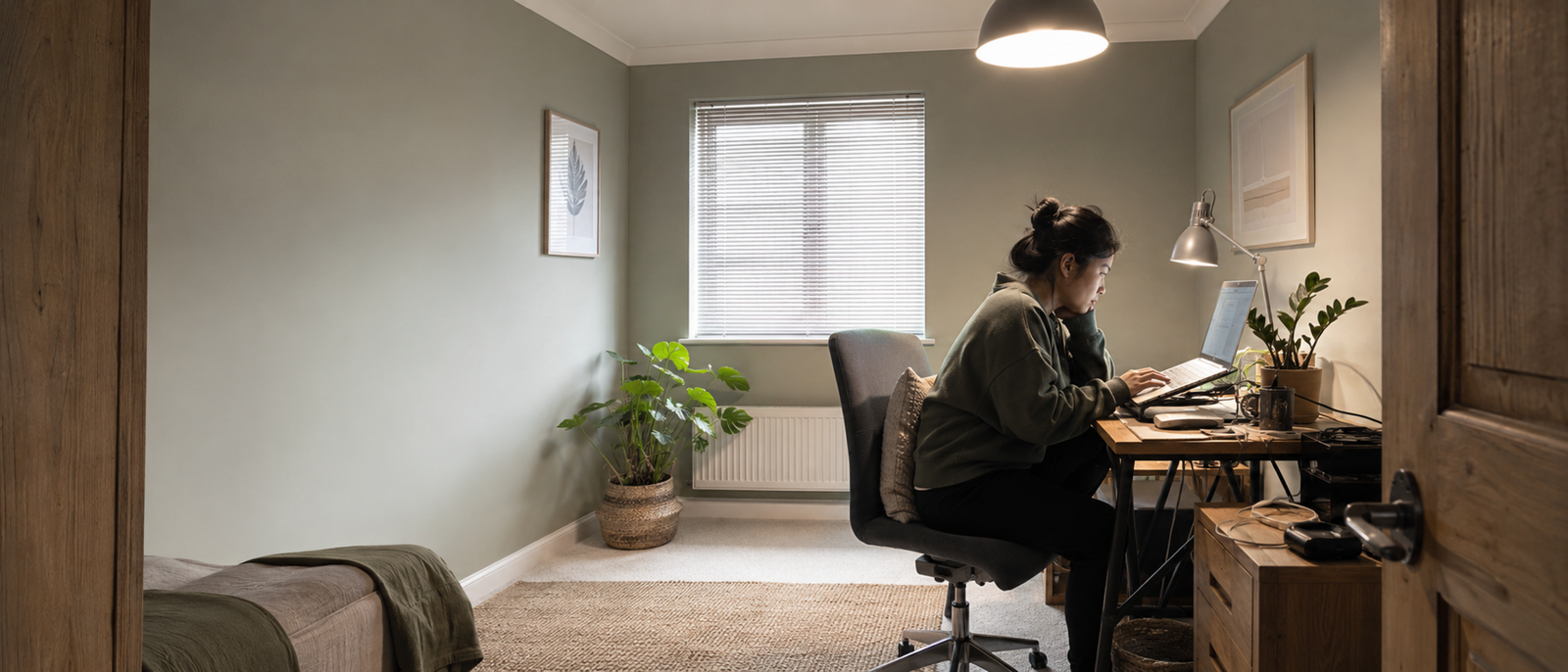
Quick Overview
In this guide you will discover:
Common Health Challenges for Home Workers
Prolonged Sitting
Remote workers often sit longer than traditional office employees because daily movement decreases.
Without commuting, walking to meetings, or leaving the house for lunch, it becomes easy to remain seated for hours.
Related guide: Sitting too long and its effects

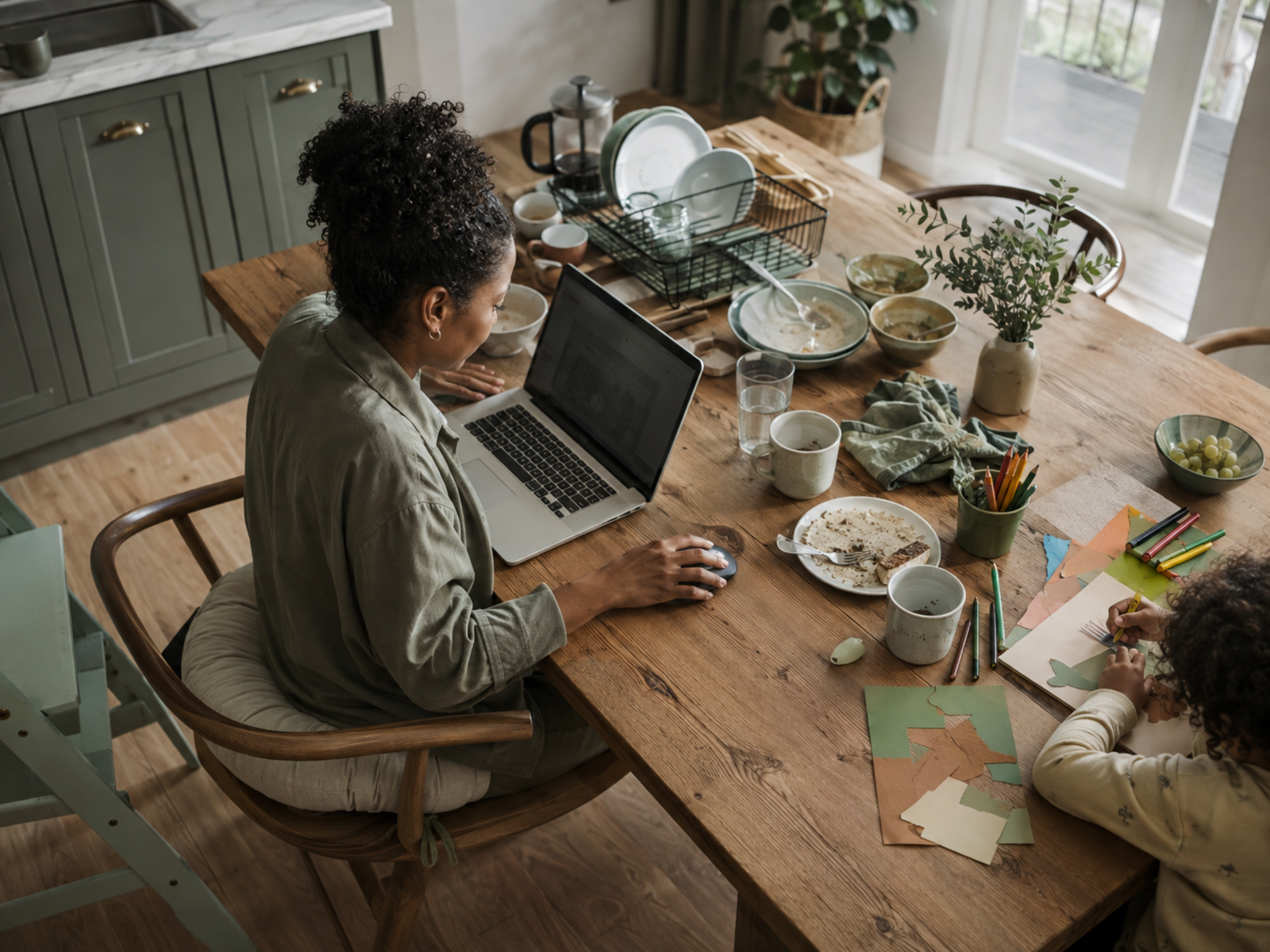
Poor Workspace Ergonomics
Many home offices were created quickly when remote work became common.
Improvised setups such as working from kitchen tables or sofas can place strain on the back, neck, and shoulders.
Helpful guide: Home office ergonomics without spending a fortune
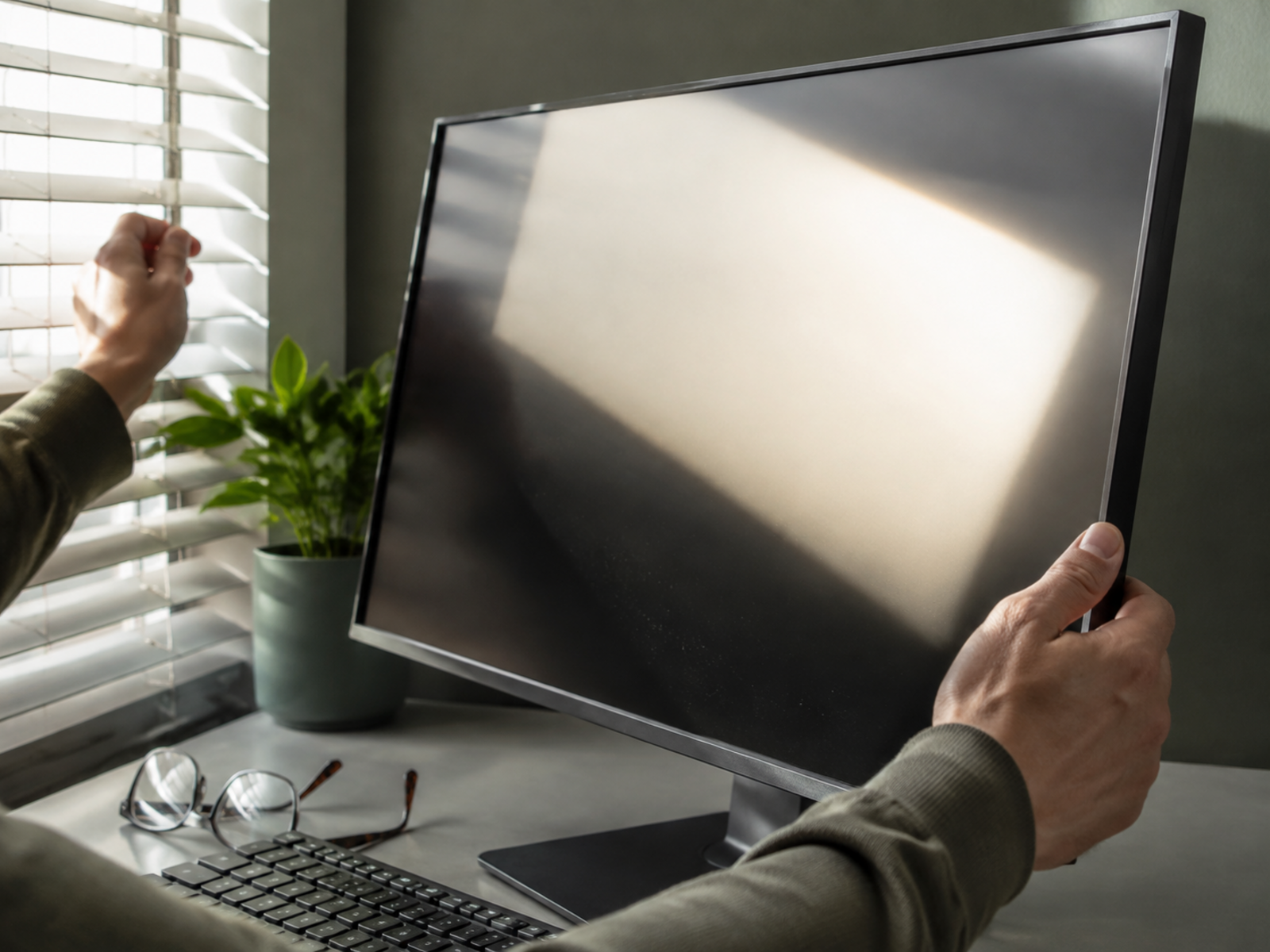
Screen Fatigue
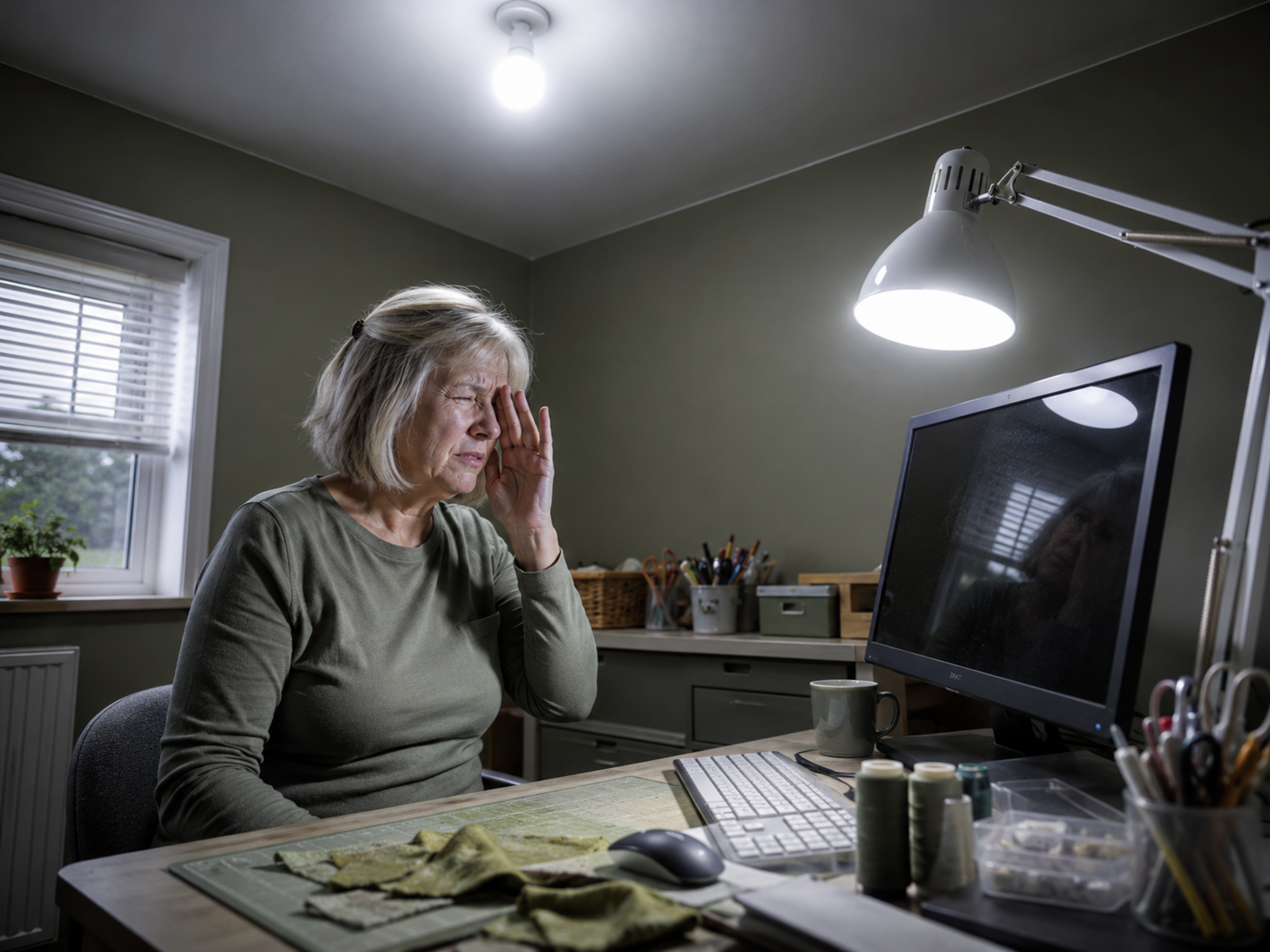
Long hours of screen exposure can lead to eye strain and headaches.
This is especially common when lighting is poor or breaks are infrequent.
Related guide: Blue light glasses and screen fatigue
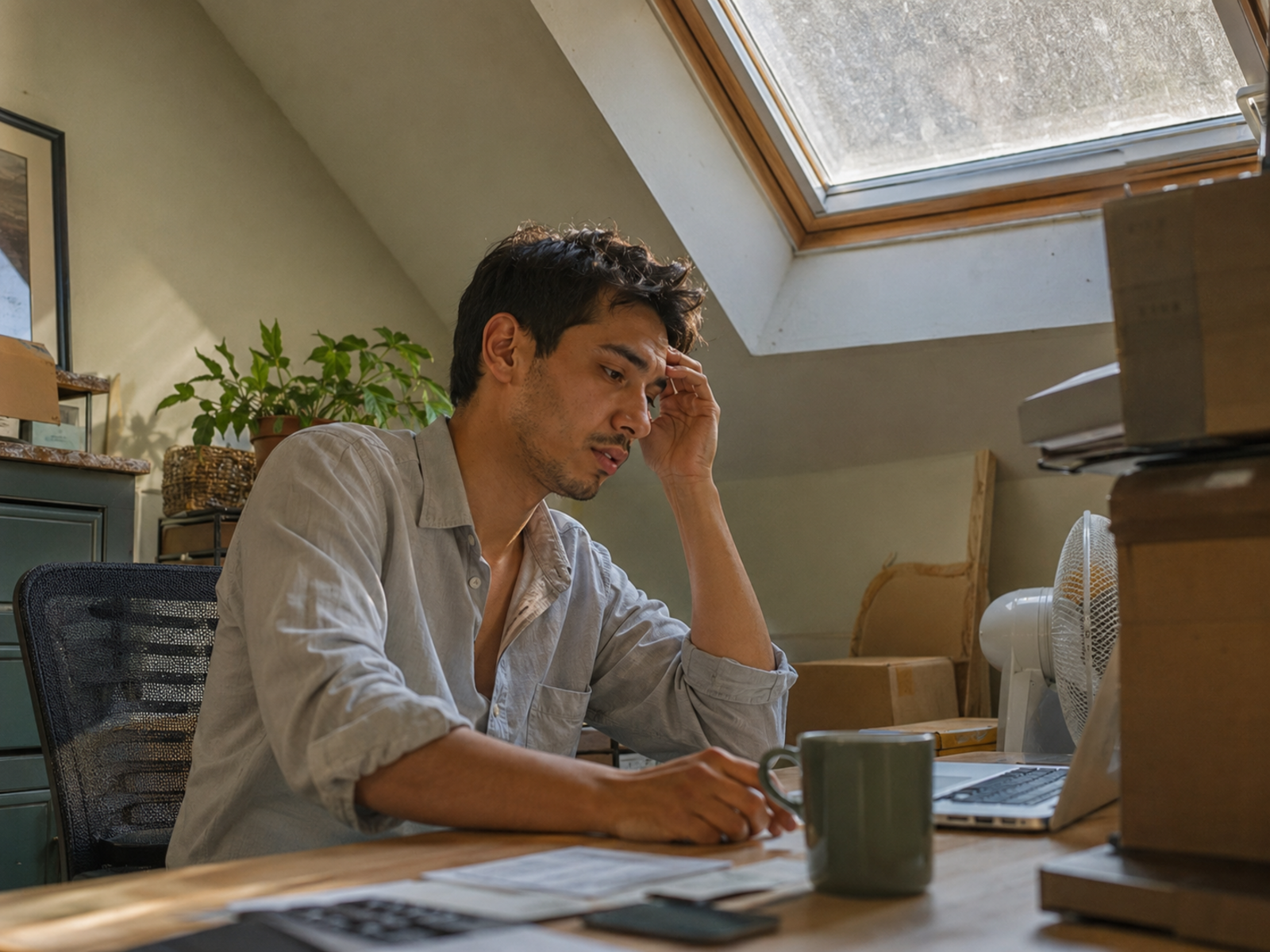
Mental Overload
Digital work often involves juggling emails, notifications, meetings, and tasks across multiple platforms.
This constant information flow can increase stress and mental fatigue.
Related guide: Digital clutter and mental load when working from home
Elements of a Healthier Home Workspace
Supportive Seating
A comfortable chair supports the spine and encourages good posture during long workdays.
Product guide: Best desk chairs for home workers
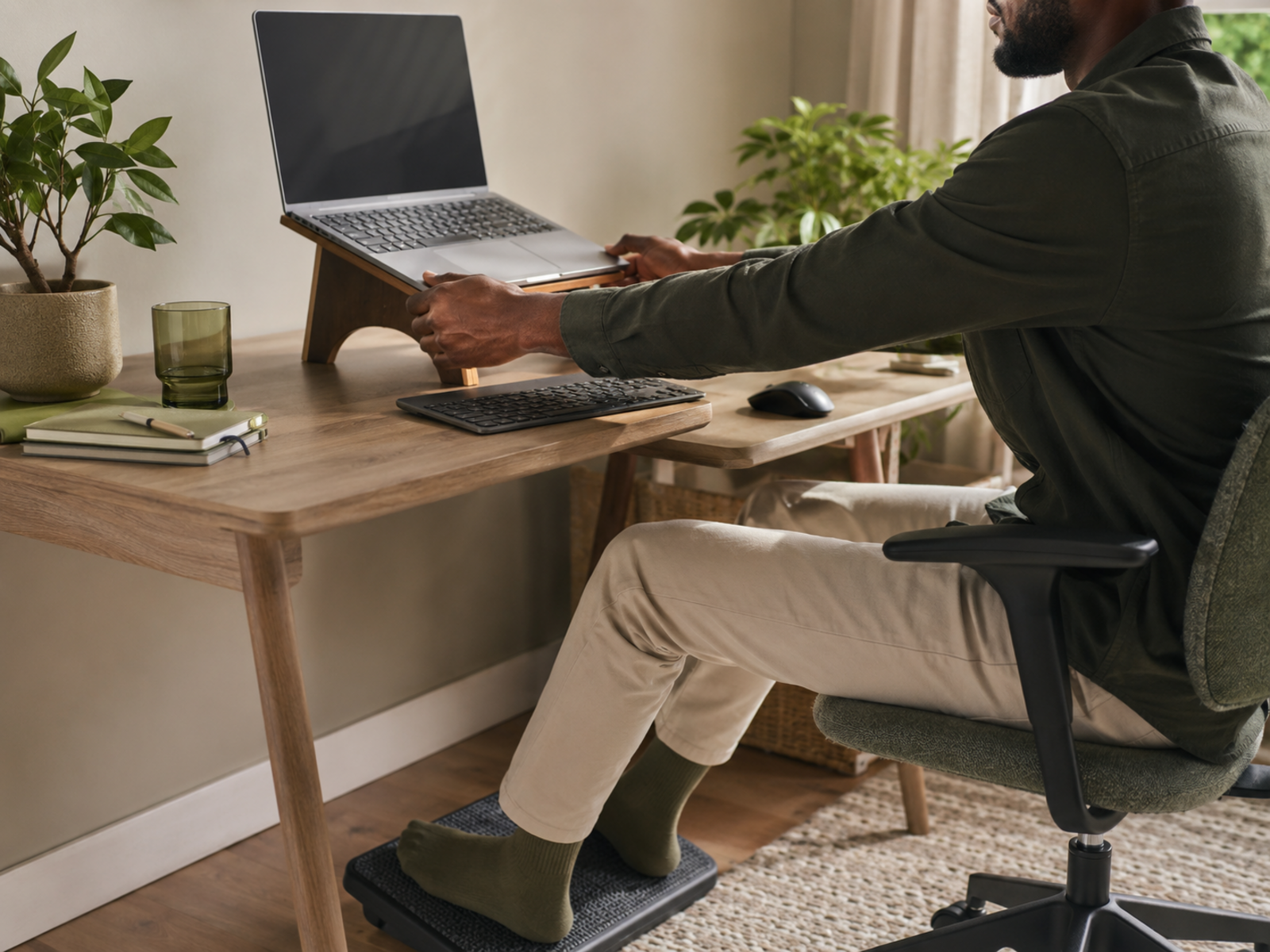
Proper Screen Height
Positioning the screen at eye level helps prevent neck strain and improves posture.
Setup guide: Laptop stands and keyboard setup for better posture
Lighting and Environment
Lighting affects both productivity and mood.
Soft, balanced lighting reduces eye strain and makes the workspace feel calmer.
Helpful guide: Best lighting ideas for a calmer home office
Movement Opportunities
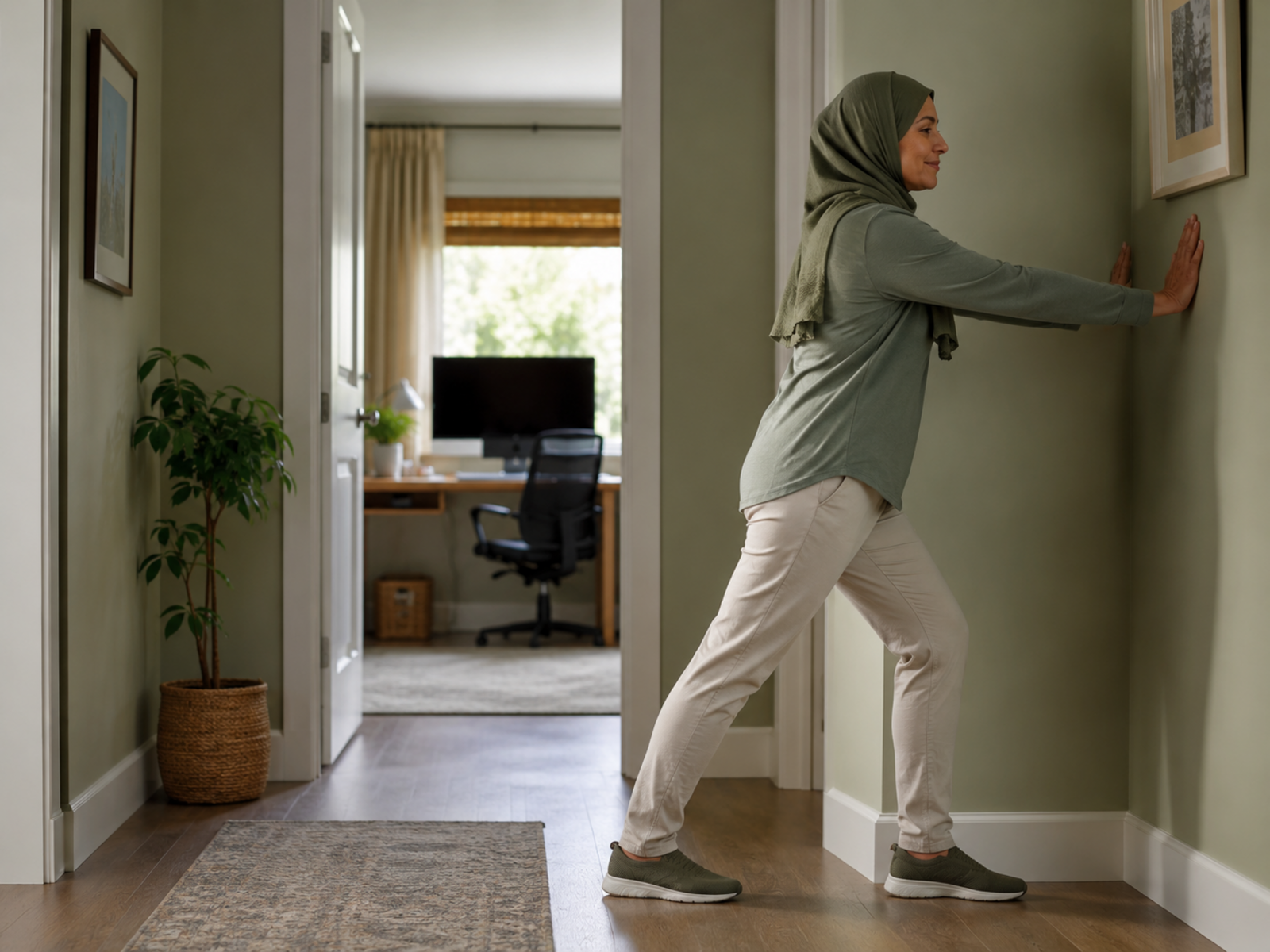
Healthy home work environments encourage regular movement rather than long static work sessions.
Related guide: Mini movement breaks for desk workers
Small Habits That Make a Big Difference
Healthy work routines are usually built through small daily habits rather than large lifestyle changes.
Examples include:
These simple actions help maintain energy and reduce the physical strain of long workdays.
Related guide: How to build a healthier work‑from‑home routine
Final Thoughts
Working from home can support both productivity and wellbeing when the right habits and environment are in place.
Healthy home work is not about perfection. It is about creating a workspace that supports your body, managing digital demands, and building routines that keep energy levels stable throughout the day.
Small adjustments to your desk setup, movement habits, and work structure can significantly improve how your workdays feel.
FAQ
What does healthy home work mean?
Healthy home work refers to creating a workspace and routine that supports physical comfort, mental focus, and long‑term wellbeing.
Why do remote workers often experience discomfort?
Many home workspaces are not ergonomically designed, which can lead to posture problems and fatigue.
How often should remote workers take breaks?
Many experts recommend standing or moving every 30 to 60 minutes.
What is the easiest way to improve a home office?
Improving chair support, screen height, and lighting can quickly improve comfort.







