


Email Deliverability Tools for Bloggers: Free…

Redbubble vs Printify: Which Print-on-Demand Platform…

TikTok Shop Affiliate in the UK:…

How to Spot a Good Black…

Top 10 Best SEO Tools for…

YouTube Shopping Affiliate in the UK:…

Shopify Canvas Explained: Can UK Beginners…

Vinted vs eBay in 2026: Fees,…

Top 10 Best Email Tools for…

Top 10 Website Builders in the…

Top 10 Scheduling and Productivity Tools…

Top 10 Best Microphones for Zoom…
The £3,000 trading allowance was announced in the Budget on 28 October 2026 to start on 6 April 2027, replacing today's £1,000. It is proposed, not yet law, and depends on the Finance Bill 2026-27, so it is not in force today. This is general information, not personal tax advice.
Quick Overview
- Allowance and reporting threshold both announced to rise to £3,000.
- Both start 6 April 2027, but need the Finance Bill.
- Claim the allowance or deduct expenses, not both.
- Making Tax Digital is separate and starts above £30,000.
- A spreadsheet may do if your income is simple.

What is changing with the trading allowance, and what is not yet law?
Now: £1,000
Under the existing rules, if your gross trading income is £1,000 or less you generally do not need to tell HMRC, though some exceptions apply and you must keep records. If it is over £1,000 you must register for Self Assessment by 5 October after the end of the tax year.
The GOV.UK guidance page carrying these rules shows a last-updated date of 8 May 2019, so check GOV.UK for current detail.
Announced: £3,000
HMRC's policy paper, published on 28 October 2026, says both the trading allowance and the Self Assessment reporting threshold for trading income rise to £3,000. It estimates about 400,000 people would see a lower tax bill, averaging £380, about 100,000 may no longer need to report this income, and up to 1.4 million individuals with small amounts of trading or miscellaneous income could benefit.
It is not yet law: the Finance Bill 2026-27 will amend Chapter 1, Part 6A of the Income Tax (Trading and Other Income) Act 2005.
Who could be affected: resellers, crafters and freelancers
A reseller under £3,000
Say a reseller's gross sales for the year come to less than £3,000. The test is gross income, meaning income before expenses, so costs do not bring the figure down. If the law passes, they may no longer need to report it. Selling your own unwanted belongings is usually not trading at all, so this applies to buying to resell or making to sell.

A crafter over £3,000
Say a crafter's gross sales come to more than £3,000. The higher reporting threshold would not remove the need to report, so the allowance-versus-expenses choice in the next section is the question that matters.
A freelancer close to £3,000
Say a freelancer invoices just under £3,000 in a year. They may no longer need to report, but may is the key word, so check GOV.UK for your own case. If you use the trading allowance you must keep a record of your income, so keep those records either way.
Allowance or actual expenses: which route if you earn over the threshold?
How it works today
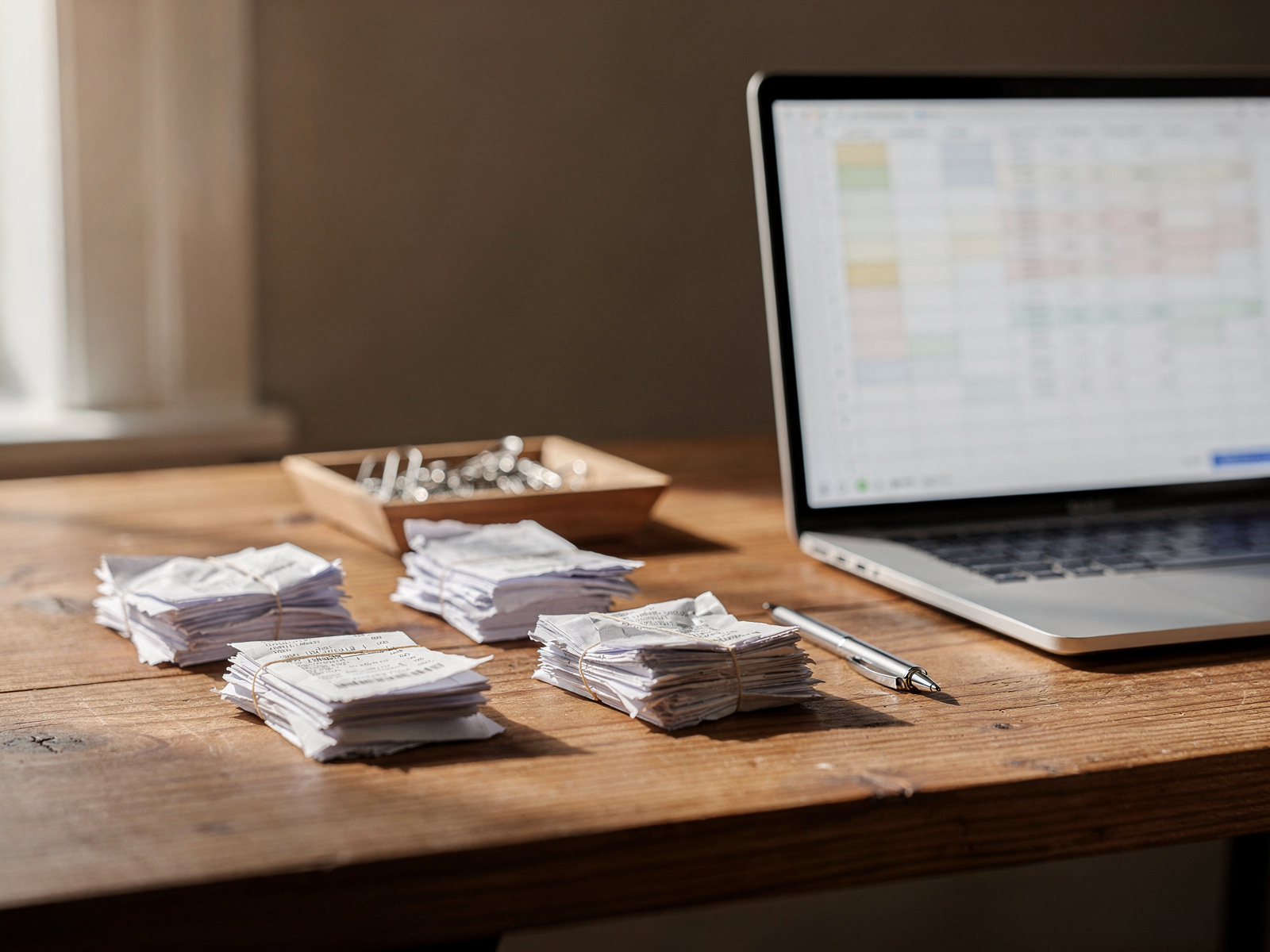
GOV.UK's guidance says that if your gross trading income is over £1,000, you can deduct the allowance instead of your actual expenses, but you cannot deduct any other expenses or allowances if you claim it. If your expenses exceed your income, claiming expenses may be better than claiming the allowance.
What may apply at £3,000
The policy paper raises the amount in these existing rules from £1,000 to £3,000 rather than replacing them. If it passes as announced, someone earning more than £3,000 would still register, then choose between deducting the £3,000 allowance or their actual expenses, not both. As a rough guide, the allowance wins if your expenses are under £3,000.
HMRC says those who still file can simplify their expense calculations under the change. Check the final rules once the change is legislated.
How is Making Tax Digital different from the trading allowance?
MTD runs on a separate test
Making Tax Digital for Income Tax is a separate system from the trading allowance. Sole traders and landlords whose qualifying income was over £30,000 in the 2025 to 2026 tax year need to use it from 6 April 2027.
Qualifying income is total self-employment and property income before expenses (turnover), taken from your tax return. Voluntary sign-up is allowed before you are required to.
The October 2026 Budget confirmed that if you must use MTD from 6 April 2027, you will not get penalty points for late quarterly updates in your first tax year. Penalties still apply for late tax returns or late payments.
A simple rule: compare your turnover, not your profit, with £30,000, then check GOV.UK to see whether MTD applies to you.
When is a tax app worth paying for, and when will a spreadsheet do?
When an app may help
An app may help if you have many expenses, several income streams, or MTD ahead of you.
When a spreadsheet or no app may do
A spreadsheet or no app may be enough if you have one income stream and few costs. Whether a paid app is worth it depends on your own situation.
Accounting and tax software: one example, FreeAgent
Prices checked on 20 November 2026: FreeAgent's sole trader plan was listed at £19 a month excluding VAT, or £9.50 a month for the first six months with its 50% introductory discount. Paid yearly, it is £190 a year, or £95 for the first year. Prices and offers can change.
FreeAgent says the plan is free with a business current account from NatWest, Royal Bank of Scotland or Ulster Bank, or with a Mettle account if you make at least one transaction a month, and that it includes MTD for Income Tax. Free access depends on banking with those providers and is not a reason to switch banks. FreeAgent is one example, not a recommendation.
What can you do now, before April 2027?
Record gross income by month
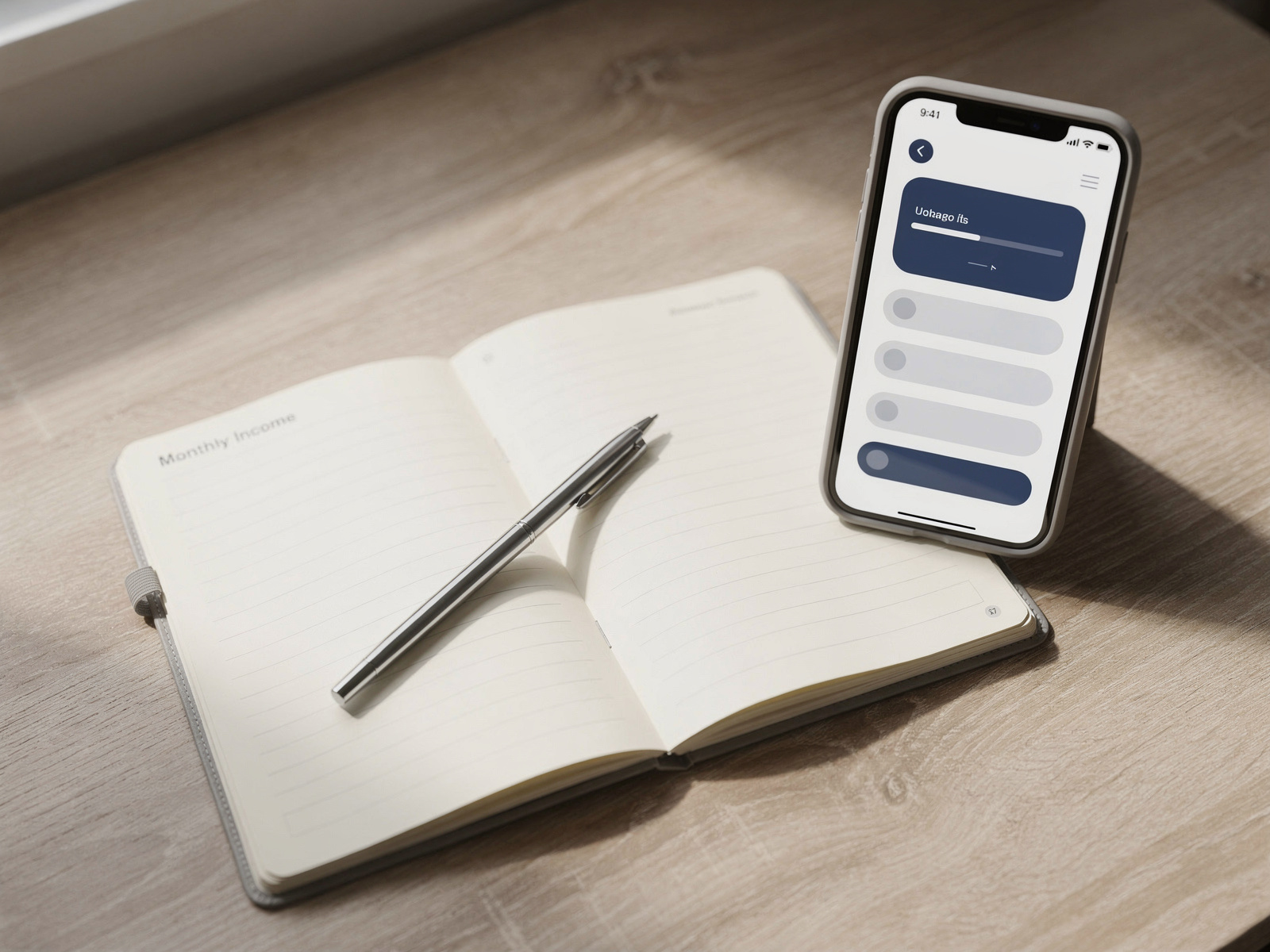
Use invoices, statements and payment confirmations.
Keep receipts for your costs
They matter in case expenses turn out to beat the allowance.
Re-check GOV.UK
Do it once the Finance Bill 2026-27 has passed, because the change is proposed and not yet law.
Ask about your own case
Ask HMRC or an accountant about your own circumstances.
FAQ
Is the £3,000 trading allowance law yet?
No. It depends on the Finance Bill 2026-27, as covered at the top of this guide.
Do I need to report income under £3,000 from April 2027?
Possibly not, if the law passes and no exception applies. The examples above show how the gross income test works, and GOV.UK has the detail for your own case.
Can I claim the allowance and expenses?
No, it is one or the other. The allowance-or-expenses section above explains how to choose.
Does Making Tax Digital apply to me?
Only above the £30,000 turnover test in the Making Tax Digital section. It is separate from the trading allowance.
Do I need FreeAgent or a similar app?
No. The app-or-spreadsheet section above sets out when each makes sense.
Verdict
If the law passes, some people with trading income under £3,000 may be able to skip reporting it to HMRC, and those above it can deduct £3,000 instead of their expenses. The change is proposed and depends on the Finance Bill 2026-27, so the £1,000 rules still apply to the 2026 to 2027 tax year. Next, read the GOV.UK policy paper and check with HMRC or an accountant about your own circumstances.