

Host a Virtual Halloween Party: Audio,…

20 Minimalist Halloween Nail Ideas for…

Can Free Affinity Help You Build…

12 Lower-Sugar Halloween Treat Swaps Worth…

Can Hostinger AI Builder Launch a…

A 5-Step Screen-Free Autumn Reading Ritual…

Plug-In Solar Panels UK: Are They…

15 Last-Minute Zoom Halloween Costumes for…

Meta One Explained: Is the Subscription…

10 Low-Fuss Dog Halloween Ideas: Comfort…

Plaud One Explained: Can AI Earbuds…

9 Gothic Dinner Table Ideas for…

Namecheap vs Dynadot

7 UK Ghost Tours and How…

Convertkit Vs Beehiiv

Do You Really Need a £420…

Bluehost vs Siteground

15 Gentle Spooky Autumn Books to…

Namecheap review

How to Remove Halloween Face Paint…
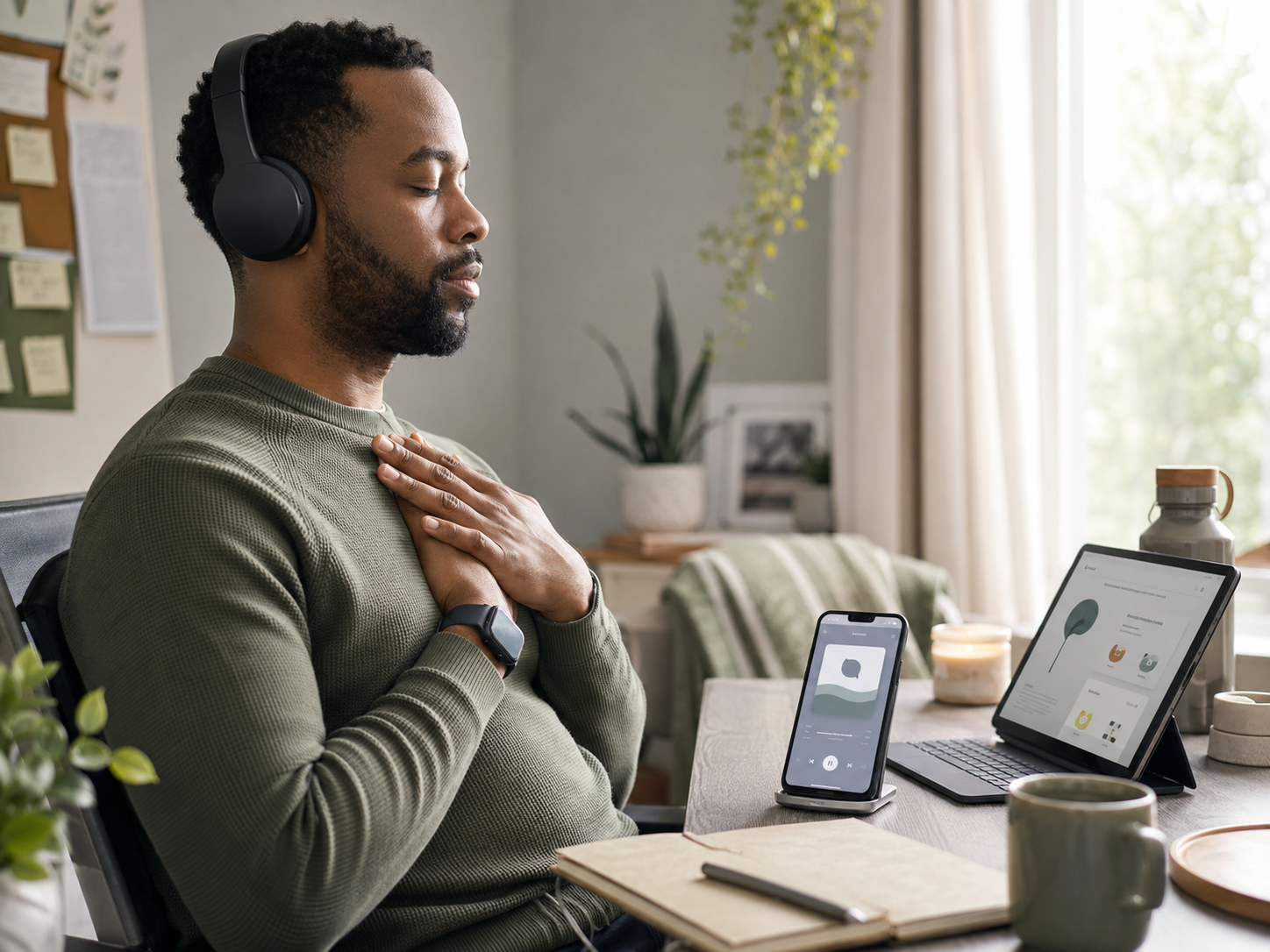
Most meditation advice sounds like it was written by someone whose calendar has never been attacked by school emails, Slack pings, client requests, laundry, invoices and a child asking where the blue thing is. The best meditation apps for busy workers should help you calm down in the tiny gaps your real workday actually gives you. You do not need to meditate perfectly. You need one app that helps you pause, breathe, sleep better and stop treating every workday like a small emergency.
Choose short sessions first.
Use structure if you are new.
Pick sleep content for evenings.
Try free libraries before paying.
Check platform fit before subscribing.
Calm should fit real life.

Most Relevant Audience
This article is for remote workers, home workers, desk workers, freelancers, bloggers, creators, side hustlers, parents, carers and small business owners who want calmer workdays but do not have spare hours to sit peacefully beside a decorative plant. It is especially useful if your brain keeps buzzing after calls, deadlines, school admin, client messages and all the tiny tasks that apparently require emotional supervision.
What Makes A Meditation App Worth Using?
Short sessions matter most
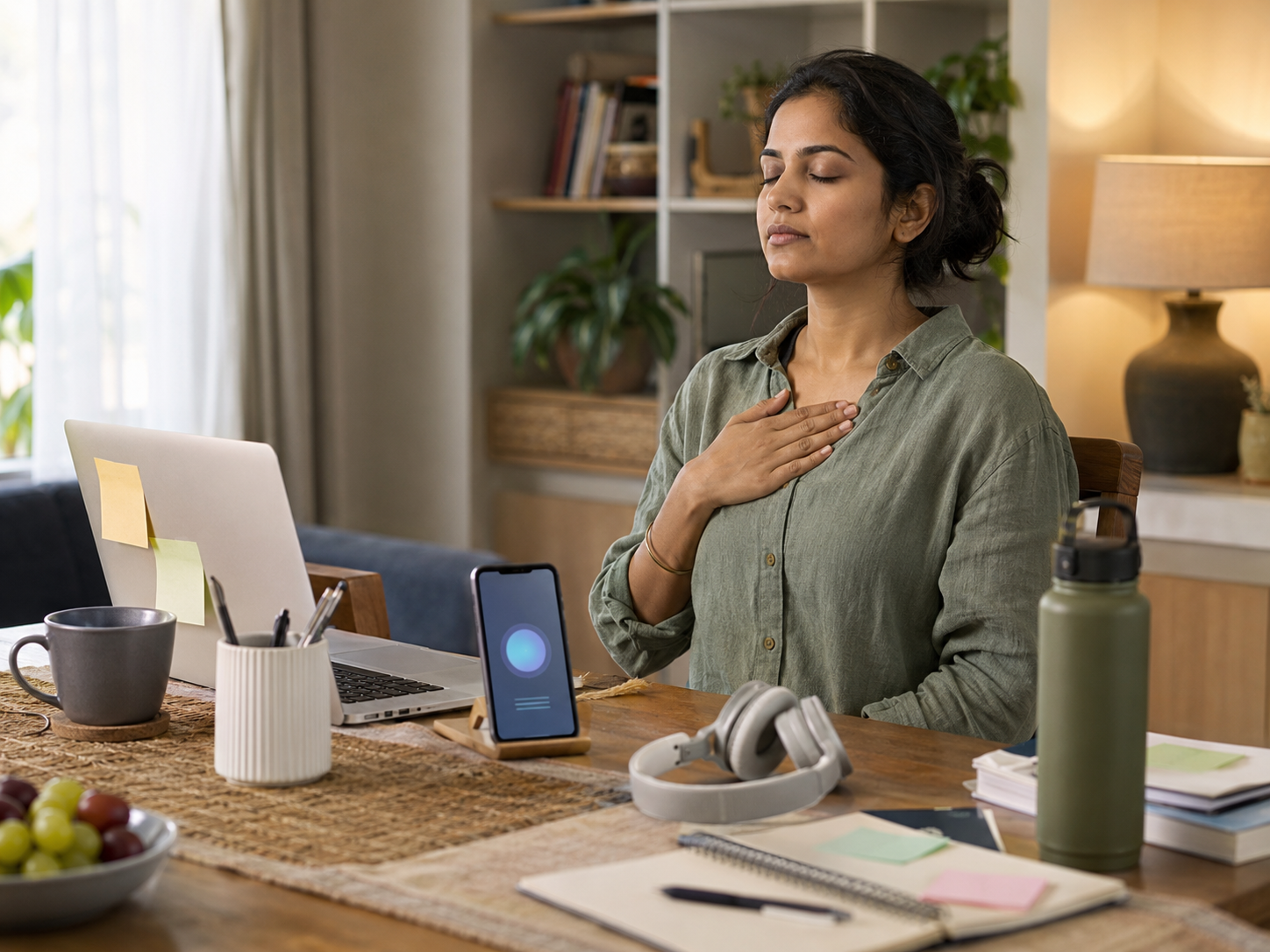
A meditation app for busy workers has to work in five minutes, not just forty. Short breathing exercises, quick resets and simple guided sessions are easier to use between tasks. The app should help you pause before the next demand arrives, not require a full ceremony involving candles and unrealistic silence.
Beginner guidance should feel kind
The best meditation apps explain what to do without making you feel as if you have already failed at being calm. Clear voices, structured courses, gentle reminders and simple breathing sessions matter. Busy workers need help starting, not a spiritual performance review with background chimes.
Sleep support can be more useful than daytime calm
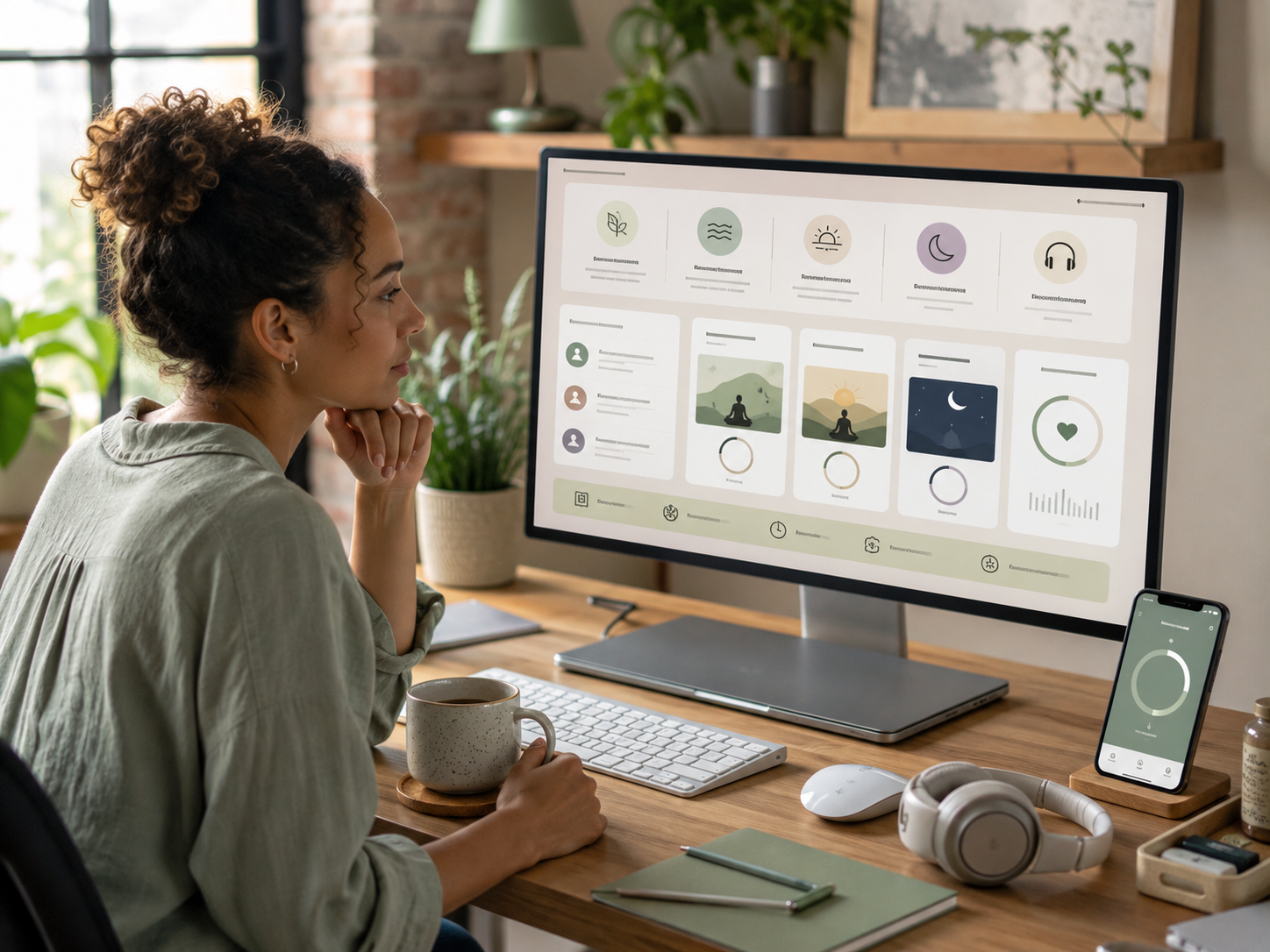
Many people do not need another productivity hack. They need their nervous system to stop hosting a meeting at bedtime. Sleep stories, wind-down meditations, breathing exercises and evening routines can be useful if work stress follows you from the laptop to the pillow like an unpaid intern.
Reminders should not become pressure
Good reminders nudge you gently. Bad reminders become another notification asking why you have not improved yourself yet. Choose an app with reminder settings you can control. Calm is less helpful when it arrives as one more badge on a screen already behaving like a small crisis centre.
The Real Buying Question
Do not choose the app with the longest feature list first. Ask which one you will open when your body is tense, the inbox feels rude and the day has somehow become twelve separate emergencies wearing a cardigan. The best meditation app is the one you will actually use.
Choose By Situation
New to meditation
Choose Headspace if you are new to meditation and want a clear starting point. It gives structure, beginner-friendly guidance and a more organised path than randomly searching for calm while already frazzled. This suits workers who want to be led gently rather than left alone with a giant library.

Cannot switch off at night
Choose Calm if your main problem is bedtime, evening wind-down or screen-heavy days that follow you into the pillow. Sleep stories, relaxing audio and breathing tools can make it easier to shift out of work mode when the laptop is closed but your brain is still emailing.

Want free sessions first
Choose Insight Timer if you want a large free meditation library before committing to a paid app. It gives plenty of teachers, topics and session lengths. Save favourites quickly, because too much choice can turn a five-minute reset into a calm-content shopping trip.
Hate choosing from huge libraries
Choose Balance if you want personalised guidance. Balance builds a guided plan around your goals and experience level, which can help if you dislike browsing endless sessions. It suits busy workers who want the app to narrow the path instead of handing them another decision.
Need five-minute work breaks
Headspace and Balance are strong options for short guided work breaks because they reduce the amount of choosing involved. Use them before a client call, after school admin or between demanding tasks. The best app makes the pause easy enough to start while your brain is still noisy.
Need bedtime audio
Calm and Insight Timer are strong options for bedtime audio. Calm is more sleep-focused and polished, while Insight Timer gives more free variety. Choose based on whether you want a smoother paid-feeling wind-down experience or a wider library to explore first.
Choose By Your Main Stress Point
Choose Headspace if you want structure. Choose Calm if evenings and sleep are the problem. Choose Insight Timer if free variety matters most. Choose Balance if personalisation helps you stick with things. The right app should reduce decision fatigue, not make calm feel like another research project.
Best Meditation Apps for Busy Workers
Check The Practical Details Before Paying
Meditation apps change pricing, trials, free access and content bundles often. Before subscribing, check the current plan, iPhone or Android availability, offline sessions, wearable support, sleep audio options and family plan details if they matter to you. Calm should not become another subscription you forgot to question.
Best Apps For Short Work Breaks
Headspace for guided resets
Headspace works well for short guided resets because it is structured and beginner-friendly. It can suit a five-minute pause between meetings, a breathing break after a difficult email or a quick focus reset before writing. This is useful if your brain prefers being told what to do next.
Balance for personalised pauses
Balance can work well for short breaks because its personalised approach can make sessions feel more relevant. If you want support that adapts to stress, focus or relaxation goals, it may feel easier than browsing a huge library. That matters when your break is shorter than the kettle’s patience.
Insight Timer for variety
Insight Timer gives you many short-session options, which is useful if you like choice. The trade-off is that choice can become scrolling. Save favourites quickly so your five-minute reset does not turn into ten minutes of comparing calm voices like you are casting a documentary.
Calm for softer breaks
Calm can work for short work breaks when you want breathing, relaxation or gentle audio rather than a structured meditation path. It is especially useful if your workday feels overstimulating and you need a softer sensory reset before the next task.
Tiny Pauses Count
A useful meditation habit does not have to look impressive. One breathing session after school admin, one reset before a client call or one short pause after closing the laptop can help. Busy workers often need nervous-system punctuation, not a dramatic new identity as someone who meditates at sunrise.
Best Apps For Sleep And Wind-Down
Calm for bedtime support
Calm is the strongest choice for sleep and wind-down content. Its sleep stories, relaxing audio and evening-focused tools suit people whose brains stay loud after the workday ends. Choose it if your main problem is switching off rather than starting meditation from scratch.
Headspace for sleep plus structure
Headspace is useful if you want sleep support alongside structured meditation guidance. It can suit people who want help with stress during the day and wind-down support at night. Choose it if you want one app that feels organised across several wellness needs.
Balance for tailored evening routines
Balance can suit evening wind-down if you prefer personalised guidance. It may feel helpful if your sleep problems are linked to stress, racing thoughts or inconsistent routines. A tailored session can reduce the sense that you are randomly picking something while already tired.
Insight Timer for free sleep options
Insight Timer offers plenty of free sleep and relaxation content. It is a strong option if you want to try different styles before paying for an app. Save sessions that work, because bedtime is not the ideal moment to audition fifteen new meditation teachers.
Sleep Calm Is Different From Work Calm
Daytime meditation may help you reset between tasks. Evening meditation may help you leave work behind. If your laptop closes but your mind keeps sending follow-up emails, choose an app with strong wind-down support rather than only quick focus sessions.
Best Free vs Paid Meditation Apps
Best free starting point
Insight Timer is the best free starting point in this guide because of its large meditation library. It gives beginners room to explore different teachers, session lengths and topics without committing immediately. This suits people who want to test whether guided meditation fits their life before paying.
Best paid structure
Headspace is a strong paid option if you value structure, polish and beginner guidance. It may be worth paying for if you want an app that reduces choice and gives you a clear path. This suits workers who do not want calm to involve homework.
Best paid sleep support
Calm is worth considering if sleep and wind-down content are your main reasons for using a meditation app. If better evenings matter more than daytime productivity, its relaxation-first feel may be a better match than a purely structured meditation course.
Best personalised value
Balance is worth considering if personalisation helps you stick with things. Some people do better when the app shapes the experience around their goals rather than handing over a giant library. This can be useful if you get overwhelmed by too many choices.
Try Before You Commit
Most busy workers should test an app before paying. Notice whether you open it when stressed, tired or overstimulated. A meditation app is only good value if it fits the moments when you actually need support, not the calm imaginary version of your life.
Meditation Apps For Focus And Stress
Use breathing before difficult tasks
Breathing exercises can help before client calls, tricky emails, invoices or school-admin chaos. A short guided session can create a pause between the trigger and your reaction. This does not make the task delightful. It just stops your nervous system from entering with a clipboard and siren.
Use focus sessions before deep work
Meditation apps can help create a transition into deep work. A short focus session before writing, planning or recording can help your brain stop carrying the previous task into the next one. This is especially useful when your day has no natural boundaries.
Use resets after overstimulation
If calls, notifications and household interruptions leave you wired, a guided reset can help you come back down. Calm, Headspace, Balance and Insight Timer can all support this in different ways. The key is choosing a session before you start rage-clicking through your inbox.
Use wind-down to end the workday
A short evening meditation can act as a closing cue. This is useful for home workers because the laptop may be physically close all evening. A wind-down session says, “work is done,” even if the desk is still sitting there looking available and smug.
Calm Is A Transition Tool
Meditation apps are most useful when they help you move from one state to another: wired to steady, scattered to focused, tense to softer, work mode to evening mode. That makes them practical for busy workers, not just people with perfect morning routines and suspiciously peaceful homes.
What Not To Expect From A Meditation App
It will not remove your workload
A meditation app will not answer emails, reduce invoices, fold laundry or make clients suddenly concise. It can help you respond with more steadiness, but it cannot fix an overloaded calendar. Calm is support, not a magic admin assistant in a soothing voice.
It will not make every session peaceful
Some sessions will feel restless, distracted or mildly annoying. That does not mean meditation is not working. Busy minds do not become quiet on command. The useful part is practising a pause, even when your thoughts arrive carrying snacks and a to-do list.
It will not replace proper support
Meditation apps can support stress management, sleep routines and focus, but they are not a replacement for professional help if anxiety, low mood, trauma, panic or sleep problems feel serious or persistent. Use apps as support, not as pressure to manage everything alone.
Common Meditation App Mistakes
Starting with long sessions
Long sessions can feel impressive, but they are not always realistic. Start with three to ten minutes. A short session you repeat is more useful than a long session you avoid because you are waiting for the mythical quiet hour nobody has seen since 2017.
Letting reminders become guilt
Reminders should help, not nag. If meditation notifications start feeling like another thing you are failing at, change them. Calm should not arrive as a digital eyebrow raise. Use reminders that fit your routine rather than interrupting the very peace they are meant to support.
Using the app only when desperate
Meditation can help during stressful moments, but it works better when used before everything hits crisis point. Try small sessions during ordinary transitions: before work, after lunch, after a call or before bed. Tiny regular use builds a more useful habit.
FAQ
What is the best meditation app for busy workers?
The best meditation app for busy workers depends on what you need most. Headspace is best for beginners and structured guidance, Calm is best for sleep and evening wind-down, Insight Timer is best for free variety, and Balance is best for personalised guided meditation.
Are meditation apps worth it?
Meditation apps can be worth it if they help you pause, breathe, sleep better or reset during stressful workdays. They are most useful when the sessions are short, easy to find and realistic enough to use between real tasks.
What is the best free meditation app?
Insight Timer is the best free meditation library in this guide because it offers a wide range of free guided meditations, teachers, topics and session lengths. It is a good starting point if you want to explore meditation before paying.
Is Headspace better than Calm?
Headspace is usually better for beginners who want structure and guided meditation courses. Calm is usually better for sleep, relaxation and evening wind-down content. Choose Headspace for a clearer learning path and Calm if sleep support is your main goal.
What meditation app is best for sleep?
Calm is the best meditation app for sleep and wind-down in this guide. It suits people who want sleep stories, relaxing audio, breathing exercises and evening calm. Headspace and Insight Timer can also be useful depending on your preferred style.
How long should busy workers meditate for?
Busy workers can start with three to ten minutes. Short sessions are easier to repeat and fit between tasks. A five-minute breathing session after a stressful email can be more useful than waiting for a perfect thirty-minute quiet block that never arrives.
Final Verdict
The best meditation apps for busy workers are not the ones that make calm look impressive. They are the ones you can open when the inbox feels rude, the day feels loud and your brain is carrying every task in its nervous system.
Choose Headspace if you want beginner-friendly structure, Calm if sleep and wind-down matter most, Insight Timer if you want a strong free library, and Balance if personalised guidance helps you stick with it. You do not need to meditate perfectly. You need one short, realistic pause that helps you breathe, reset, sleep better and stop carrying every work task in your shoulders.


