



Host a Virtual Halloween Party: Audio,…

20 Minimalist Halloween Nail Ideas for…

Can Free Affinity Help You Build…

12 Lower-Sugar Halloween Treat Swaps Worth…

Can Hostinger AI Builder Launch a…

A 5-Step Screen-Free Autumn Reading Ritual…

Plug-In Solar Panels UK: Are They…

15 Last-Minute Zoom Halloween Costumes for…

Meta One Explained: Is the Subscription…

10 Low-Fuss Dog Halloween Ideas: Comfort…

Plaud One Explained: Can AI Earbuds…

9 Gothic Dinner Table Ideas for…

Namecheap vs Dynadot

7 UK Ghost Tours and How…

Convertkit Vs Beehiiv

Do You Really Need a £420…

Bluehost vs Siteground

15 Gentle Spooky Autumn Books to…

Namecheap review

How to Remove Halloween Face Paint…
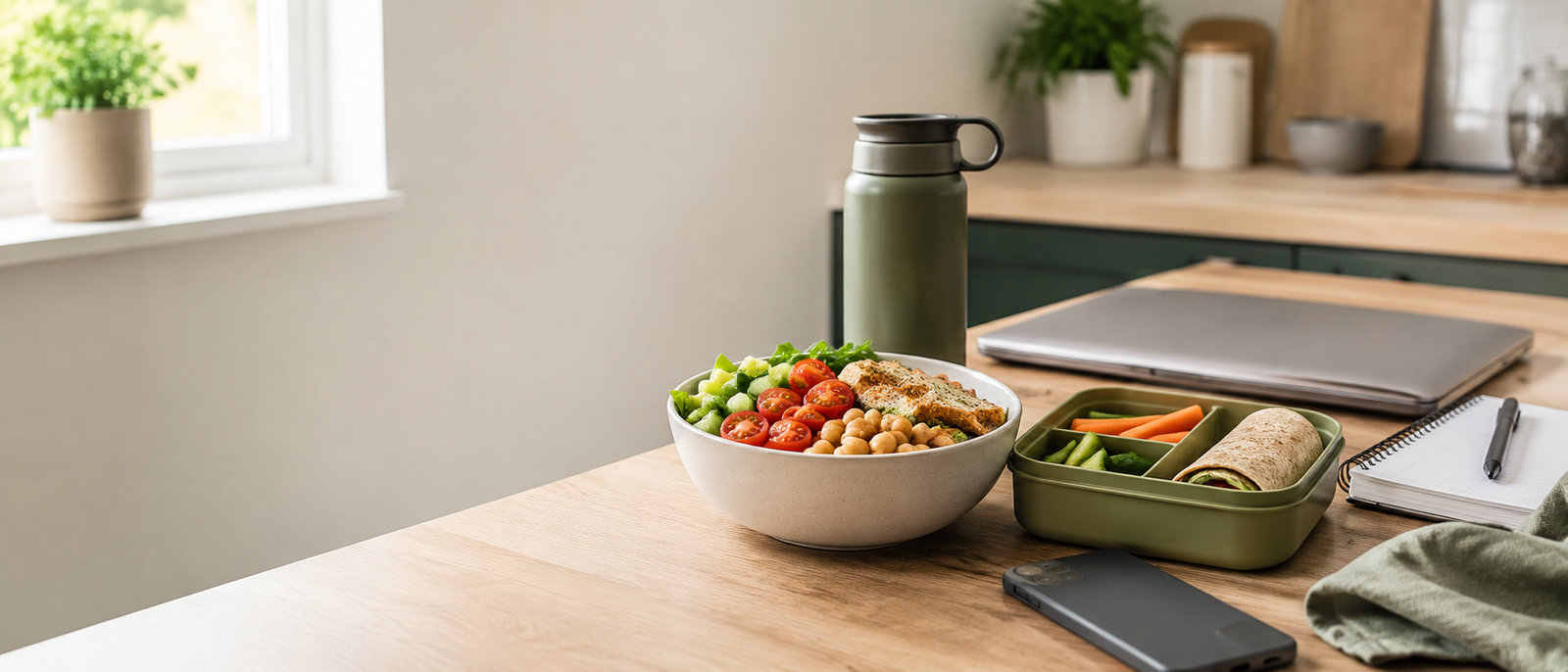
Quick meal prep for busy home workers should make tomorrow’s food easier, not take over your weekend. You do not need twenty identical containers, a perfect weekly menu or a long session of chopping and regret. You need a few useful shortcuts: cooked grains, washed salad, boiled eggs, snack boxes, smoothie bags, leftovers and simple lunch bases that help the next workday feel less chaotic.
Prep enough to reduce food friction
Ingredients beat perfect meals
Twenty minutes can be enough
Breakfasts and snacks matter too
Leftovers can become lunches
Tools should support the system
Keep prep small and useful
Most Relevant Audience
This guide is for remote workers, home workers, freelancers, bloggers, creators, side hustlers, parents, carers and small business owners who want easier food during busy workdays. It is especially useful if lunch keeps drifting, snacks become random, breakfast disappears into the first call or dinner leftovers never quite become the helpful lunch you thought they would.
Why Meal Prep Fails Busy People
It tries to prep too much
Meal prep often fails because the plan is too big. A full week of breakfasts, lunches, snacks and dinners can sound efficient, then become exhausting before it begins. Quick meal prep works better when it solves tomorrow’s friction. Prep one or two helpful things first. You can build from there if they actually help.
It depends on a perfect Sunday
A meal-prep system that only works after a long Sunday session is fragile. Busy home workers often have family needs, errands, chores, rest or recovery to fit in too. Prep should be flexible enough to happen on a weeknight, after shopping or during a quiet gap. Small prep beats no prep.
It creates food you do not want
Prepared food only helps if you still want to eat it later. Dry lunches, boring boxes or meals that feel too heavy can sit in the fridge untouched. Choose simple food you already like. Meal prep is not a personality change. It is support for a workday that gets full quickly.
It ignores snacks and breakfast
Lunch matters, but breakfast and snacks often decide how chaotic the day feels. If those are missing, you may still end up grazing or relying on coffee. Quick prep should cover the pressure points: a fast breakfast, an easy lunch, a simple snack and something useful when the afternoon gets messy.
It adds too much cleanup
If prep creates a mountain of washing up, you may stop doing it. Containers, pans, chopping boards and blender parts all count. Choose prep that is easy to clean and easy to store. The system should lower effort across the week, not move all the effort into one dramatic kitchen session.
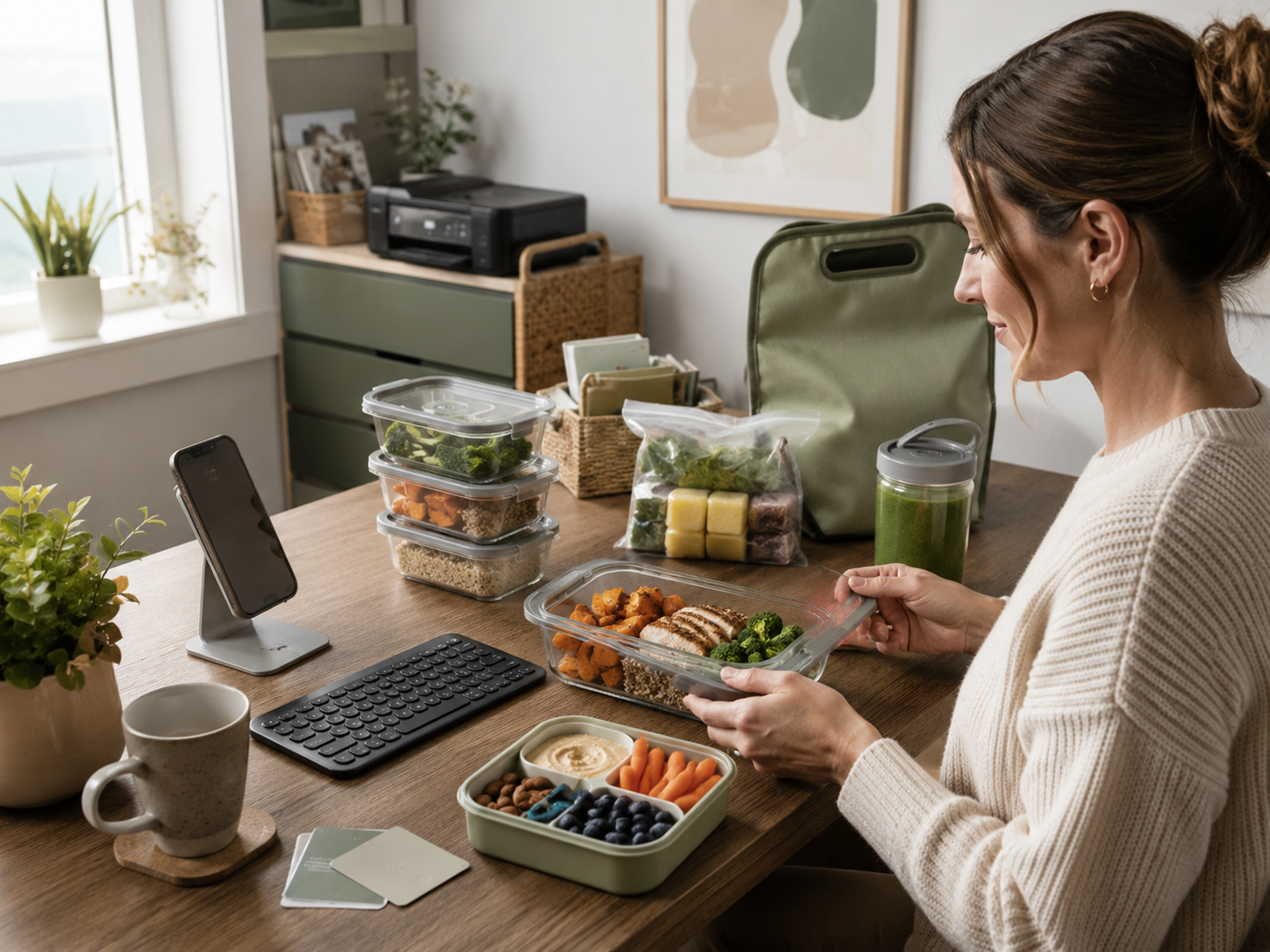
The useful starting point is not a perfect weekly menu. It is the one food problem that keeps disrupting your workday. Maybe breakfast disappears, lunch drifts too late, snacks become random or leftovers never turn into anything useful. Quick meal prep works best when it removes one of those problems first.
What Quick Meal Prep Actually Means
Prep ingredients, not perfect meals
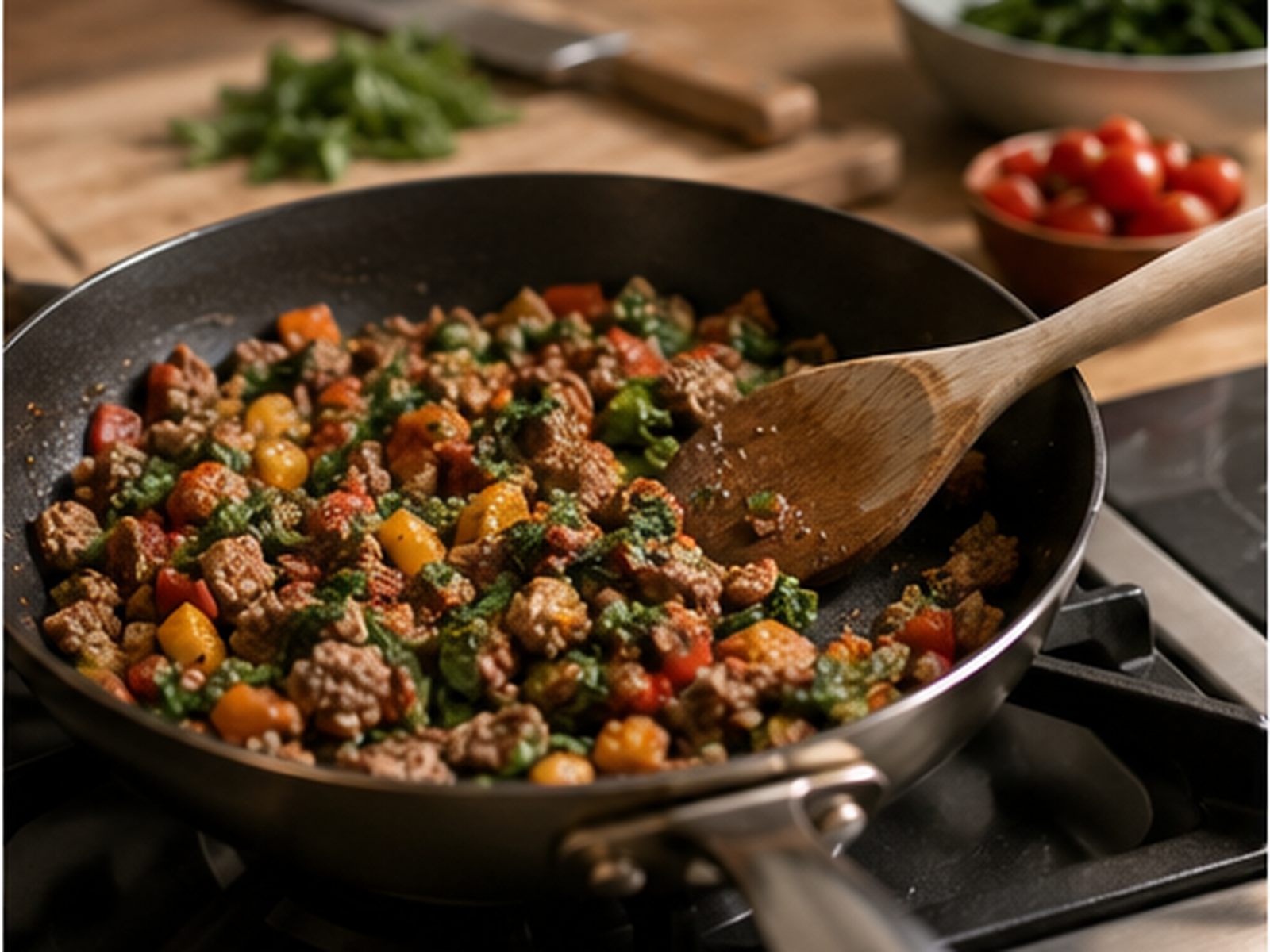
You do not have to build complete meals in advance. Ingredients are often more flexible. Cook a grain, wash salad, chop vegetables, boil eggs, portion yoghurt toppings or prepare one protein. Tomorrow, those pieces can become bowls, wraps, plates, snacks or leftovers without starting from zero.
Keep the prep window short
Set a realistic limit, such as 20 minutes. That makes the task easier to start and easier to repeat. A short prep window also forces useful choices. Instead of trying to cook everything, you focus on the few jobs that make the biggest difference.
Prep around your weak points
Look at where food usually breaks down. Do you skip breakfast? Delay lunch? Snack randomly? Forget to defrost anything? Avoid chopping during work hours? Prep for that problem first. The best system is the one that removes a real workday obstacle.
Make food visible
Prepared food is more useful when you can see it. Put ready-to-eat snacks, lunch parts and breakfast options where they are easy to find. Visibility matters because busy workers often choose what is obvious. A labelled container or front-of-fridge snack box can change the whole day.
Keep backups basic
Backups stop the workday becoming a food emergency. They do not need to be exciting.
Tinned tuna, beans, wraps, frozen smoothie fruit, microwave rice, eggs, yoghurt, cottage cheese, oats and soup can all save lunch when the day gets crowded.
Helpful Prep Tools Worth Considering
Grocery List Apps
A grocery list app can help if meal prep fails because you forget the basics. Keep a simple repeat list for breakfasts, lunches, snacks and backup meals. The app does not need to be complex. Its job is to stop you reaching Tuesday with no eggs, no wraps and too much confidence in cupboard improvisation.
Simple Prep Ideas For Busy Home Workers
Easy Breakfast Prep
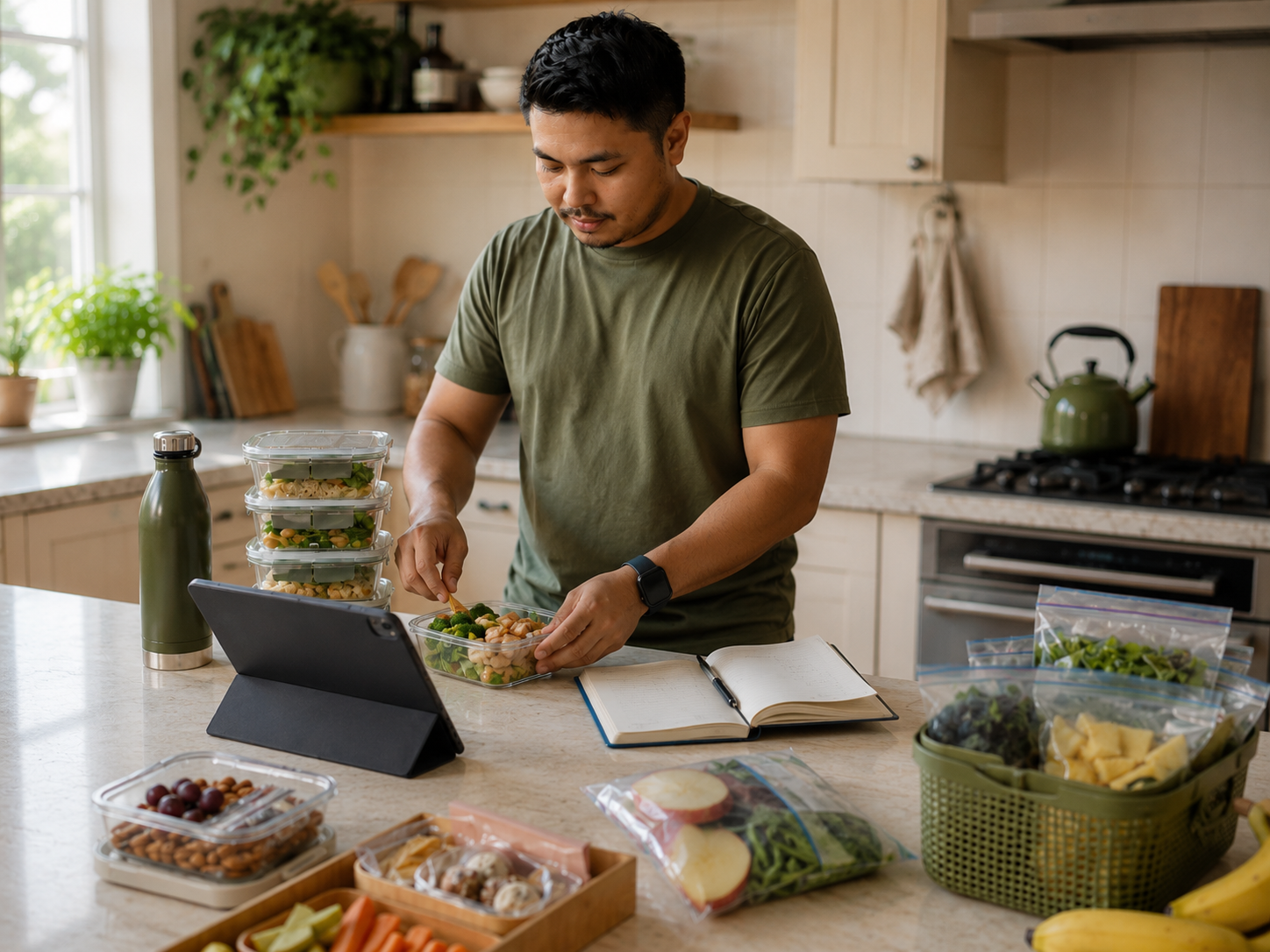
Prep breakfasts that can survive a busy morning. Overnight oats, yoghurt bowls, boiled eggs, smoothie bags, fruit portions or toast toppings can all help. The aim is to remove the first food decision of the day. Breakfast does not need to be impressive. It needs to be available before work starts pulling attention away.
Simple Lunch Prep
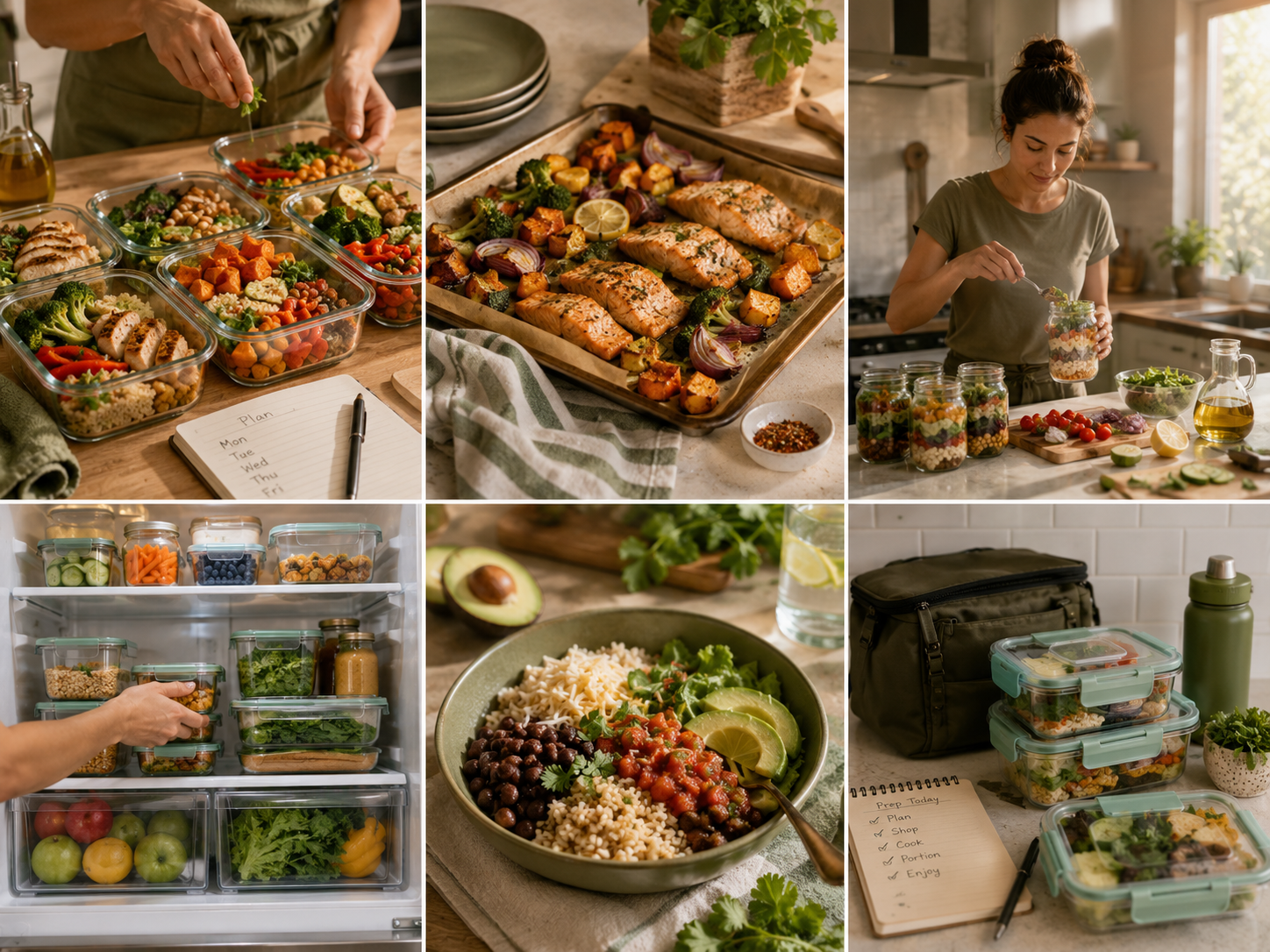
Prep lunch parts rather than full meals. Cook rice, roast vegetables, wash salad, boil eggs, make tuna mix, cook lentils or save dinner leftovers. These pieces can become bowls, wraps, toast, plates or reheated lunches. Flexibility keeps prep from feeling like a strict plan you have to obey.
Snack Prep For Desk Days
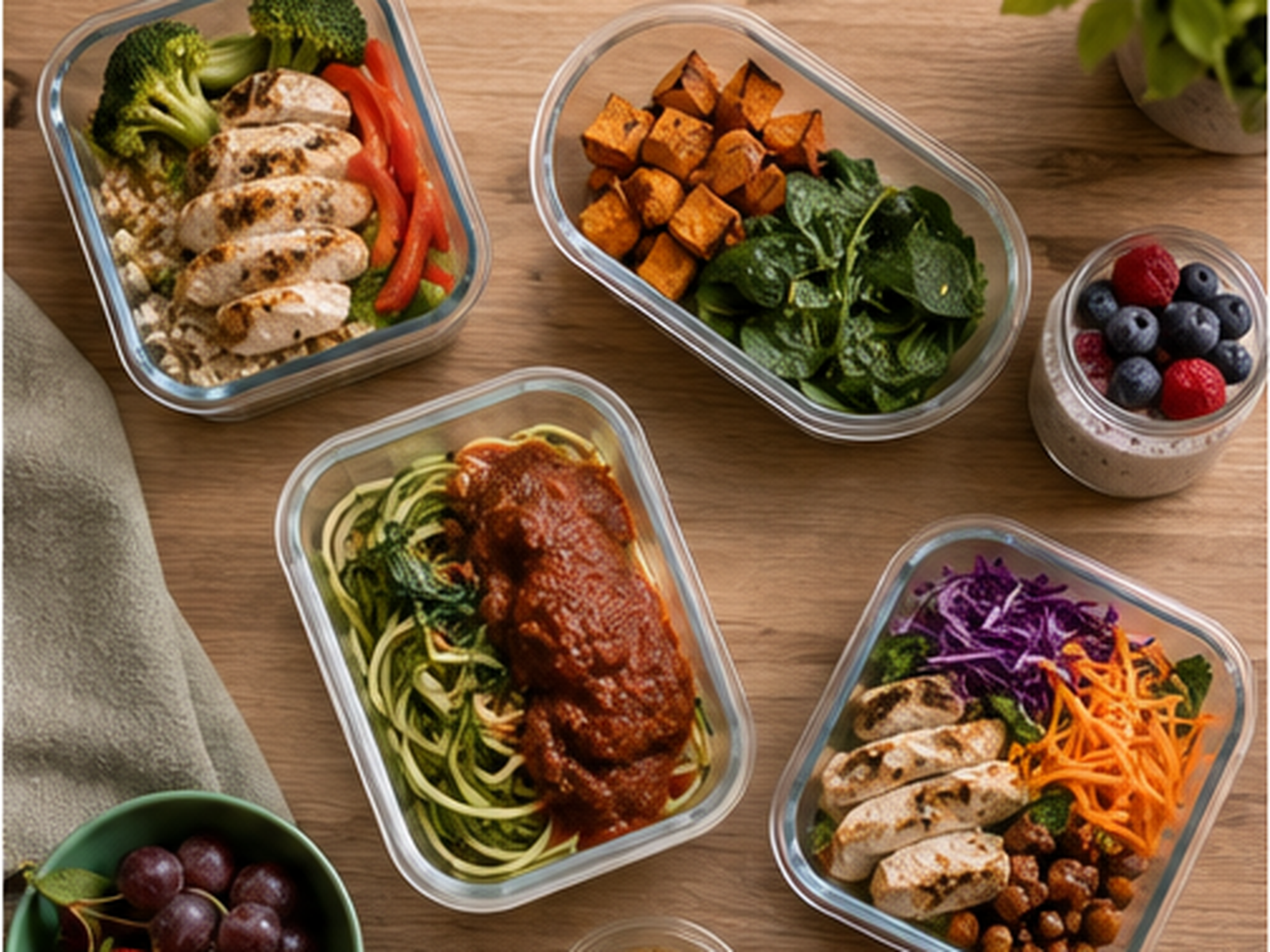
Snack prep helps when the kitchen is always nearby. Portion nuts, chop fruit, make hummus pots, prepare yoghurt toppings or keep boiled eggs ready. This is not about controlling every bite. It is about making the better snack easier to choose when work gets tiring.
Smoothie Prep And Freezer Bags
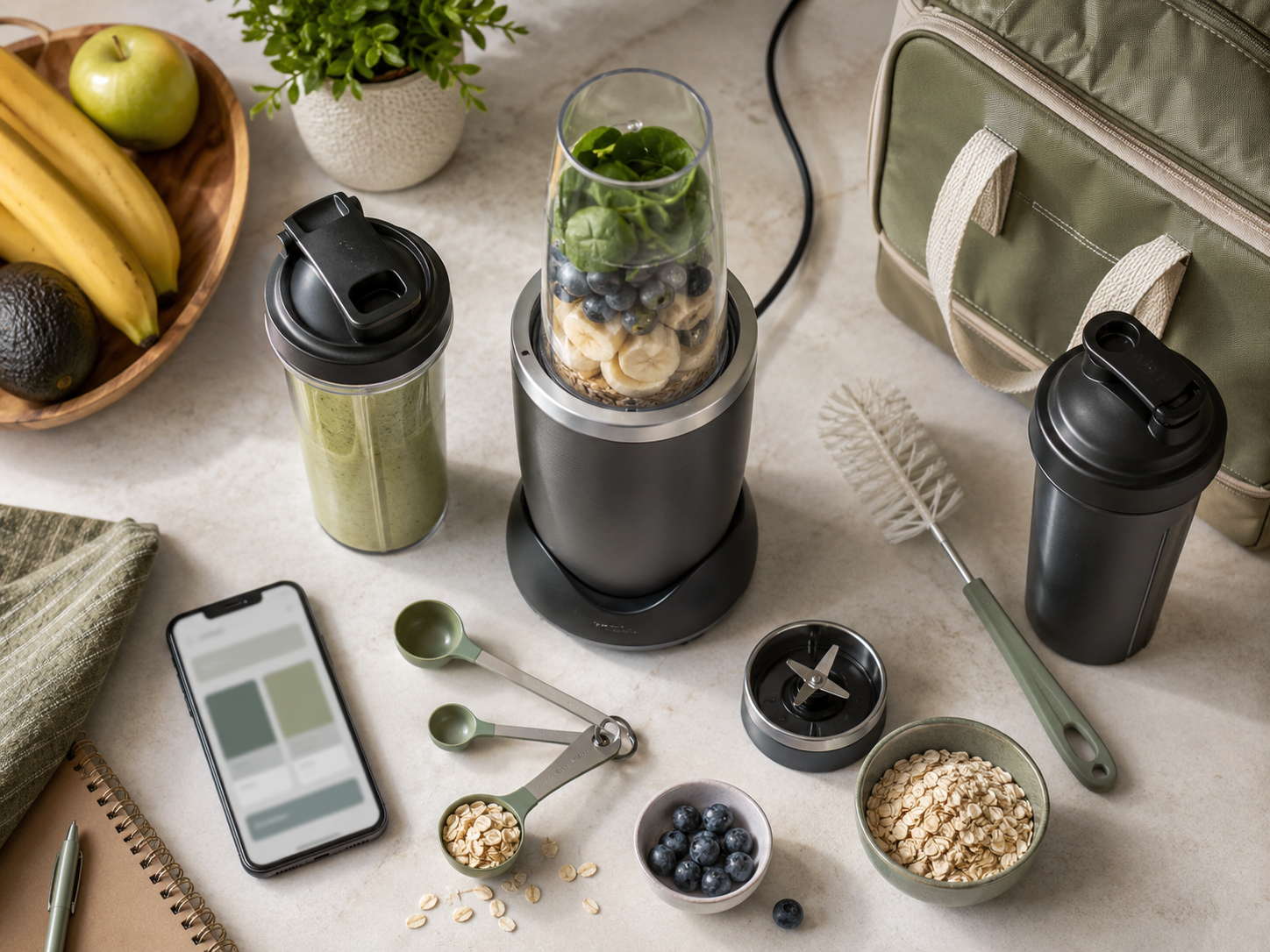
Smoothie prep works well if mornings are rushed or lunch sometimes needs to be light. Portion fruit, spinach, oats or other add-ins into freezer bags. Then blend with yoghurt, milk or your preferred liquid when needed. Keep recipes simple so the smoothie does not become another project.
Leftovers That Become Workday Meals
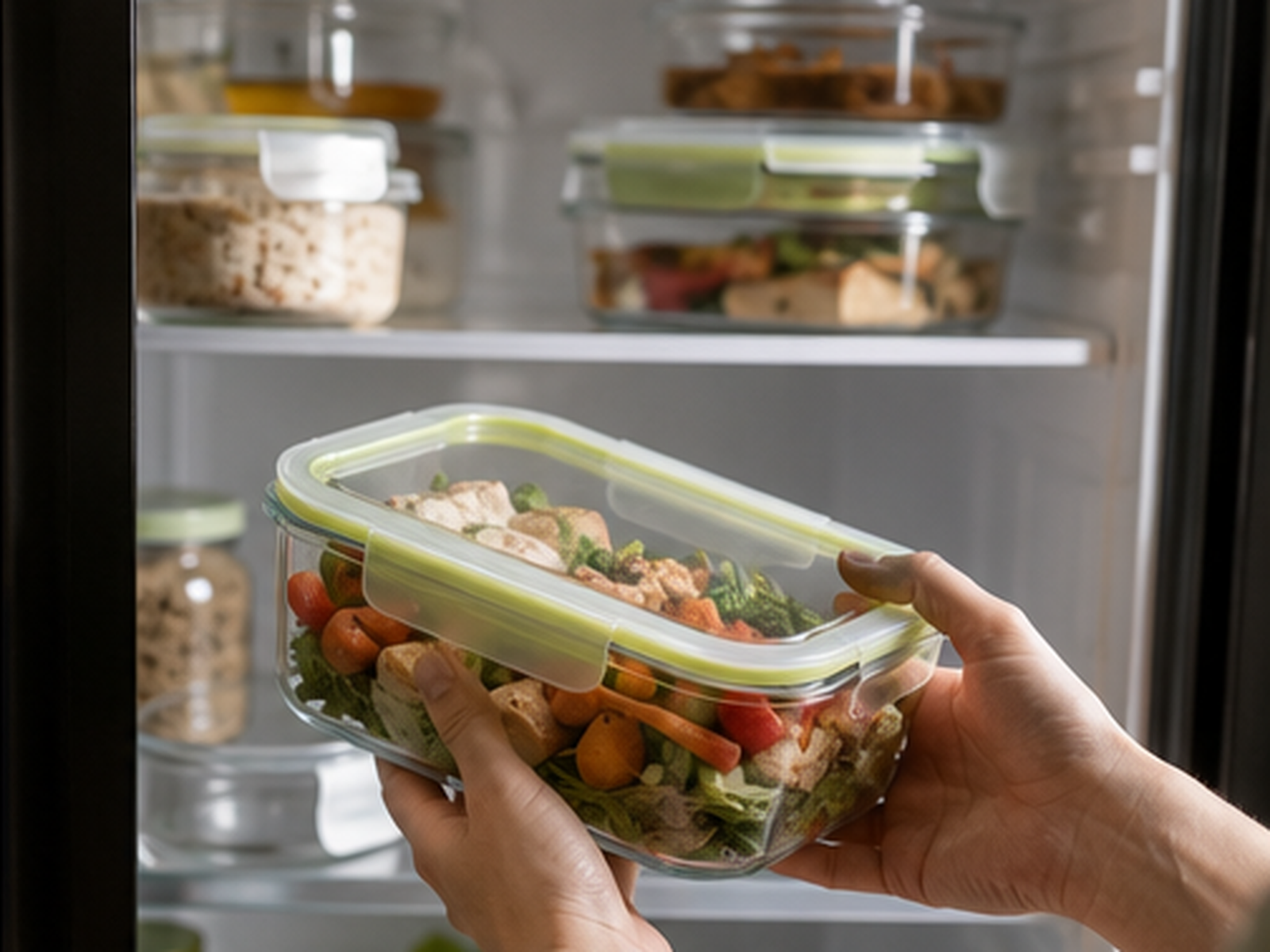
Leftovers are one of the easiest forms of meal prep. Cook one extra portion at dinner and give it a clear lunch job. Chilli, curry, pasta, roasted vegetables, chicken, tofu, beans, lentils and grains can all become fast workday meals. Store them so tomorrow’s lunch is obvious.
What To Prep On A Tight Budget
Start with cheap staples
Budget meal prep works best with staples that can become several meals. Oats, rice, pasta, potatoes, eggs, beans, lentils, frozen vegetables and tinned fish can all help. Choose foods that fit your actual eating habits. Cheap food only saves money if it gets eaten.
Use leftovers deliberately
Leftovers reduce waste and lower the pressure to buy separate lunch foods. Before putting dinner away, decide whether it can become lunch. Add rice, salad, toast, wraps or vegetables if needed. A small plan makes leftovers more useful.
Prep one snack type
Instead of buying lots of snack options, prep one simple snack for the next few days. Try fruit portions, yoghurt toppings, hummus and veg, boiled eggs, oat pots or a small trail mix. One reliable snack can reduce random cupboard spending.
Avoid specialist ingredients at first
You do not need unusual powders, expensive sauces or specialist foods to start meal prepping. Begin with ordinary foods you already understand. Once the habit works, you can add variety. The first goal is easier workday food, not a perfect fridge.
Common Meal Prep Mistakes
Turning prep into a full project
If meal prep takes hours, creates stress and leaves you tired, it may not be helping.
Reduce the target. Prep one breakfast, one lunch base or one snack. A small habit you repeat is better than a big plan you abandon.
Making identical meals you resent
Eating the same box every day works for some people, but not everyone. If repetition makes you avoid lunch, build flexibility into the prep. Prep ingredients, sauces and bases that can combine differently. Variety does not need to mean cooking from scratch.
Forgetting the workday schedule
A lunch that needs reheating, assembling and cleaning may not suit a day packed with calls. Prep for your actual schedule. Some days need no-cook food. Some need leftovers. Others need a snack box and a backup meal.
Buying containers before knowing the system
Containers help, but they are not the system. Buying more boxes will not fix unclear meals, missing groceries or food you do not want. Work out what you prep first. Then choose containers that support that habit.
Ignoring drinks and snacks
Meal prep can focus so much on lunch that hydration and snacks are forgotten. Prepare the support around the meal too: water nearby, fruit ready, snack boxes prepared or yoghurt available. Small extras can prevent afternoon chaos.
FAQ
What is quick meal prep?
Quick meal prep means preparing a few useful foods ahead so meals are easier during busy workdays. It does not have to mean cooking every meal for the week. It can be as simple as chopping fruit, cooking rice, boiling eggs, saving leftovers or preparing snack boxes.
How do I meal prep when I work from home?
Start with the meal or snack that causes the most friction. Prep oats or smoothie bags for rushed breakfasts, leftovers or lunch bowls for drifting lunches, and small snack boxes for afternoons when grazing gets random. Keep the system small enough to repeat.
What meals are easiest to prep ahead?
Easy meals to prep ahead include overnight oats, yoghurt bowls, lunch bowls, wraps, soups, chilli, curry, pasta, roasted vegetables, boiled eggs, lentil salads and smoothie bags. Meals that reheat well, store well or assemble quickly usually work best.
How can I meal prep without spending Sunday cooking?
Prep in small windows instead of one long session. Cook one extra dinner portion, boil eggs while making breakfast, chop fruit after shopping or prepare snack boxes while putting groceries away. Quick prep works best when it attaches to things you already do.
What should busy home workers prep first?
Prep the food problem that causes the most disruption. For many people, that is lunch, snacks or breakfast. Start with one helpful item: a lunch base, a protein, a snack box or a smoothie bag. Add more only if it reduces stress.
How do I stop meal prep becoming overwhelming?
Make the prep smaller. Choose one or two foods, set a time limit and repeat simple combinations. Avoid trying to build a perfect week of meals. Meal prep should make the workday easier, not become another demanding system.
Final Verdict
Quick meal prep for busy home workers is not about filling the fridge with perfect containers. It is about preparing just enough food to make the next workday easier. Cook one extra portion, prep one protein, wash salad, chop fruit, make snack boxes or set up smoothie bags.
The best system is small, repeatable and useful. Meal prep does not need to take over your weekend. It just needs to lower the friction between being busy and eating something that helps the day feel steadier.


