



Host a Virtual Halloween Party: Audio,…

20 Minimalist Halloween Nail Ideas for…

Can Free Affinity Help You Build…

12 Lower-Sugar Halloween Treat Swaps Worth…

Can Hostinger AI Builder Launch a…

A 5-Step Screen-Free Autumn Reading Ritual…

Plug-In Solar Panels UK: Are They…

15 Last-Minute Zoom Halloween Costumes for…

Meta One Explained: Is the Subscription…

10 Low-Fuss Dog Halloween Ideas: Comfort…

Plaud One Explained: Can AI Earbuds…

9 Gothic Dinner Table Ideas for…

Namecheap vs Dynadot

7 UK Ghost Tours and How…

Convertkit Vs Beehiiv

Do You Really Need a £420…

Bluehost vs Siteground

15 Gentle Spooky Autumn Books to…

Namecheap review

How to Remove Halloween Face Paint…
Working from home can be brilliant. No commute, more control, softer trousers and fewer awkward office kitchen conversations. Lovely. The problem is that flexibility can quietly become expensive when your body barely moves, your screen never gets a break and your laptop starts behaving like the most demanding housemate you never agreed to live with. Working from home without wrecking your health starts with small repeatable habits, not a perfect wellness routine.
Flexibility can hide unhealthy habits.
Sitting too long drains energy.
Poor posture builds up slowly.
Screens need proper breaks.
Movement must fit real workdays.
Boundaries protect rest and focus.
Small routines beat perfect plans.
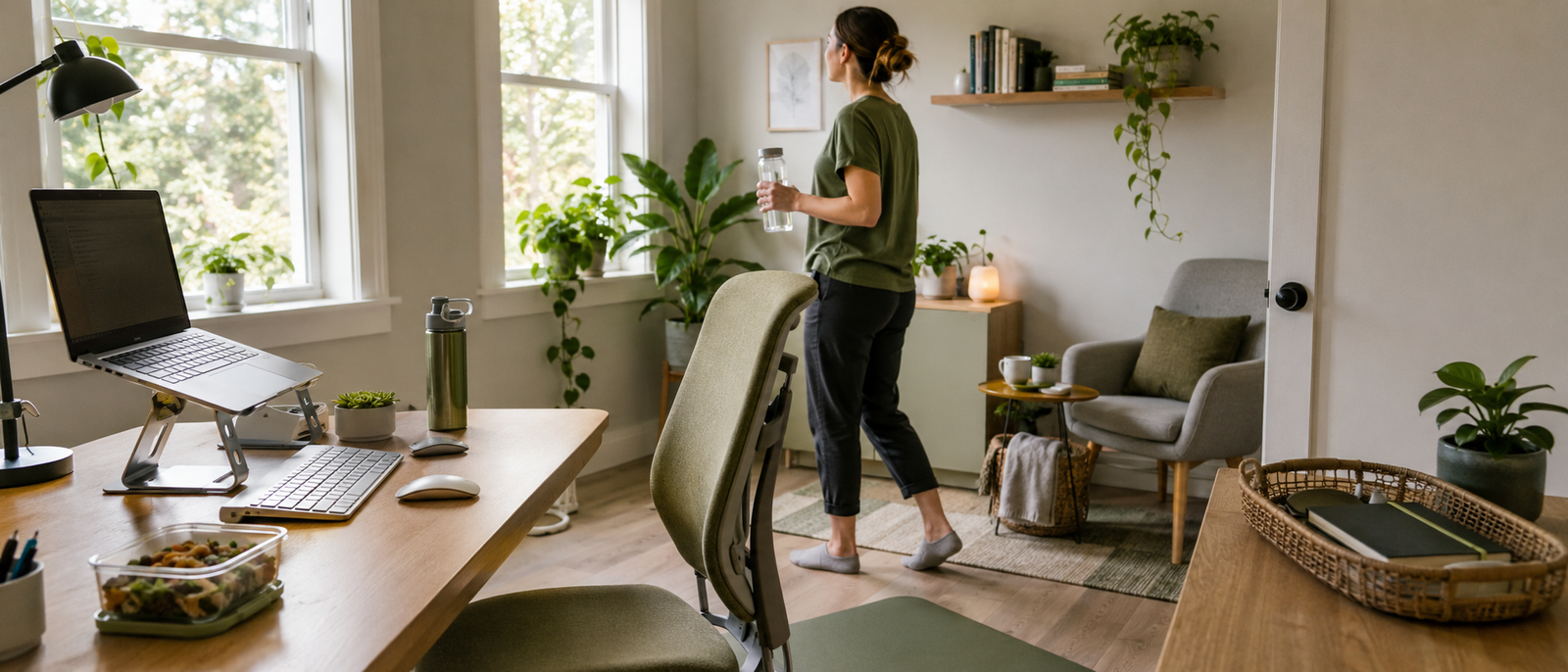
Working from home without wrecking your health
Sitting too long
Sitting too long is one of the easiest work-from-home traps because the day has fewer natural interruptions. No commute. No walk to a meeting room. Very little reason to leave the chair except tea, parcels or mild panic. Start with short standing breaks, quick stretches or tiny walks between work blocks. Movement does not need to be dramatic to be useful.
Poor posture and desk setup
Poor posture usually arrives slowly. A laptop on the sofa becomes a tight neck. A low screen becomes rounded shoulders. The dining chair starts negotiating with your lower back. You do not need an expensive setup immediately, but your screen height, chair support and keyboard position should not make your body do unpaid overtime.
Screen fatigue and eye strain
Screen fatigue builds when work, messages, meetings, research, entertainment and admin all happen through the same glowing rectangle. Your eyes get tired. Focus becomes scratchy. Patience starts making unusual noises. Build in small screen breaks, look away regularly and avoid filling every pause with another app, tab or “quick check”.
Food, hydration and energy
Food and hydration can become oddly chaotic at home. Some people skip proper meals, snack through stress or forget water until their brain starts operating like a tired printer. Keep simple routines nearby: a water bottle, proper lunch, easy snacks and fewer emergency desk biscuits. This is not about perfect eating. It is about fewer energy crashes.
Always-on work
The home office has a sneaky way of staying open. A message after dinner. A “quick” task before bed. One last dashboard check that somehow becomes twenty minutes. Always-on work drains health because your mind never gets a clean ending. A small shutdown routine can protect rest more than another productivity app.
The quiet problem
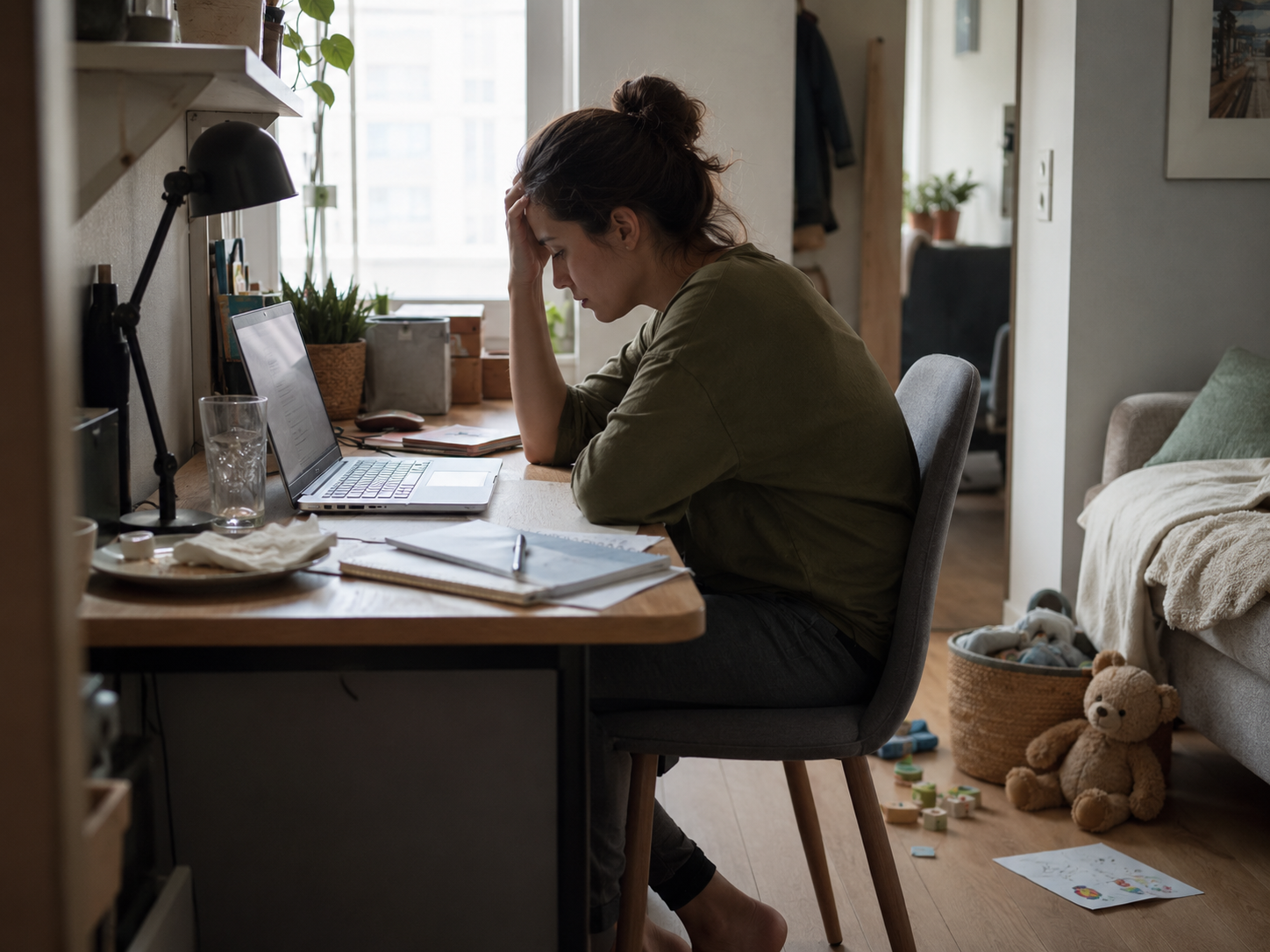
Remote work rarely wrecks health in one dramatic moment. It usually happens through small repeats: too much sitting, awkward posture, constant checking, poor breaks and work leaking into rest. The good news is that small repeats can also fix it. You do not need a perfect life. You need a few habits that happen often enough to matter.
Why working from home can become unhealthy
Flexibility removes natural movement
Office days often include accidental movement. People walk to transport, meetings, lunch, printers or conversations. At home, the whole workday can shrink to a chair, desk and kettle. That convenience feels wonderful until your body realises the commute has been replaced by six steps and a long stare at a screen.
Comfort can become collapse
Home comfort is one of the best parts of remote work, but it can blur standards. The sofa becomes a desk. The bed becomes a planning area. The kitchen table becomes permanent office territory. Comfort is fine. Staying twisted, hunched or unsupported for hours is where the bill starts arriving.
Boundaries disappear quietly
When your office is at home, work can spread into mornings, evenings, weekends and rest spaces. That creates mental load because the day never feels fully finished. Clear boundaries help your brain understand when you are working and when you are allowed to stop carrying the laptop around emotionally.
Notifications keep the body tense
Messages, calls, emails and app alerts can keep your nervous system slightly on duty all day. Nothing urgent has to happen for your attention to feel shallow. Fewer alerts and clearer check-in times can make the day feel less like one long waiting room for other people’s priorities.
The real health question
The question is not whether working from home is good or bad. The better question is whether your setup supports your body and mind. Flexibility should give you more control, not quietly drain your energy, posture, focus, sleep and mood. A healthier routine starts by noticing what the current routine is costing.
How to build a healthier work-from-home routine
Most Relevant Audience
This article is for remote workers, hybrid workers, freelancers, creators, bloggers, side hustlers and home business owners who spend long hours working from home. It is especially useful if you feel stiff, tired, distracted, always available or unsure where work ends and normal home life begins.
Start with movement breaks
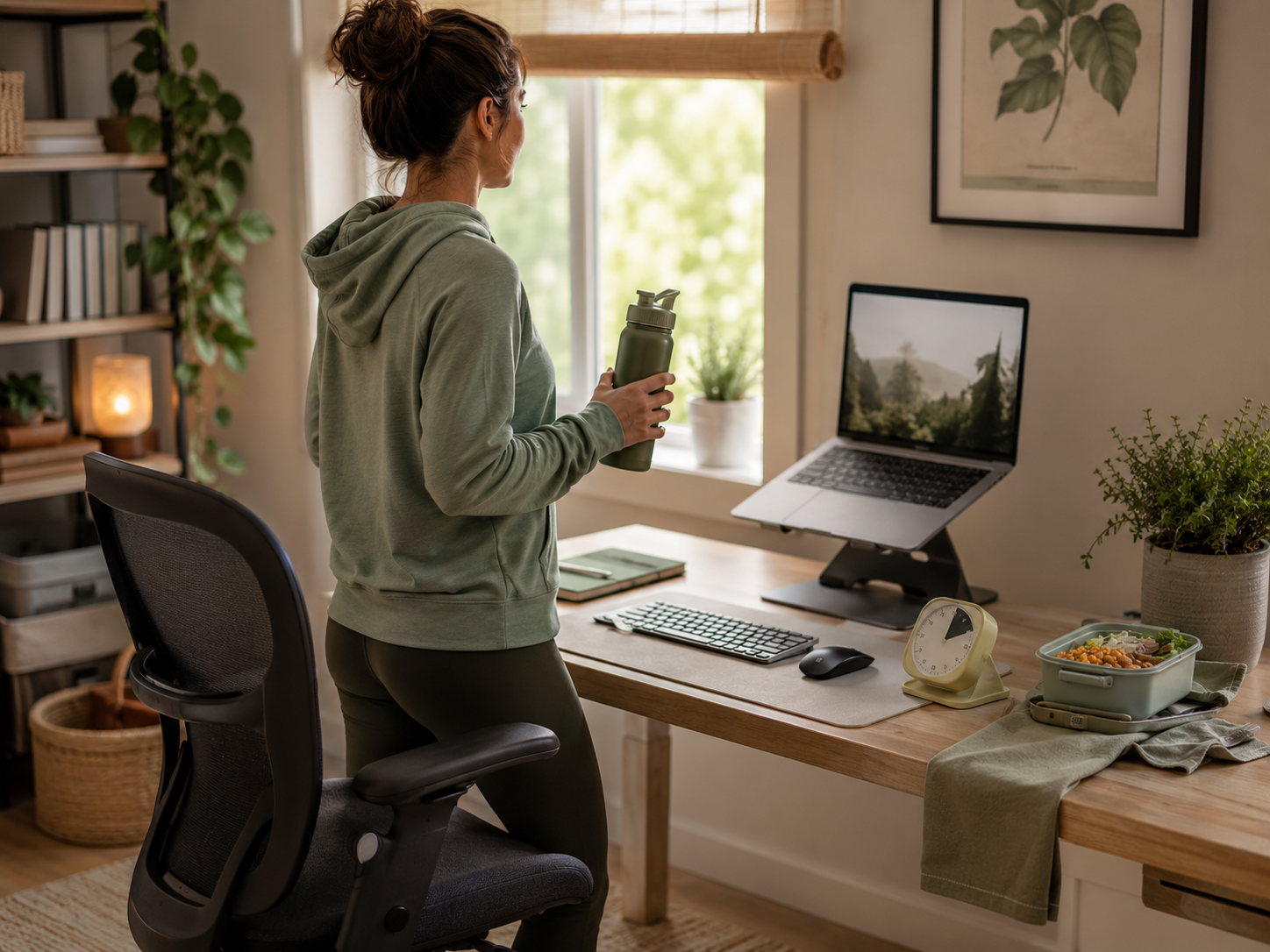
Movement breaks work best when they fit the day you actually have. Stand during a call. Walk after finishing a task. Stretch while the kettle boils. Do a short reset between deep work blocks. The goal is not to become a different person by Tuesday. It is to stop sitting from becoming your default setting.
Fix the obvious desk problem first
Do not redesign the whole workspace at once. Fix the most obvious problem first. Raise the laptop. Improve the chair. Move the screen closer. Add a separate keyboard. Clear the surface. Small ergonomic improvements can reduce daily strain without turning your home into a showroom office with emotional lighting.
Give screens a stopping point
Create moments where your eyes and brain are not being asked to process another screen. Look away between tasks. Step outside briefly if possible. Let short breaks be genuinely screen-free. Swapping a laptop for phone scrolling may feel like rest, but your tired eyes know exactly what happened.
Create a shutdown routine
A shutdown routine tells your brain the workday has ended. Close the laptop, write tomorrow’s first task, clear one surface and stop checking messages after a chosen time. This does not need drama or a scented candle ceremony. It just needs to happen regularly enough that your home stops feeling permanently open for business.
Protect one rest space
Choose one part of the home that work does not get to claim. It might be the bed, sofa, dining table or a corner of the living room. In a small home, this boundary matters even more. Rest needs at least one place where the laptop, charger and unfinished task list do not automatically follow.
The healthier routine test
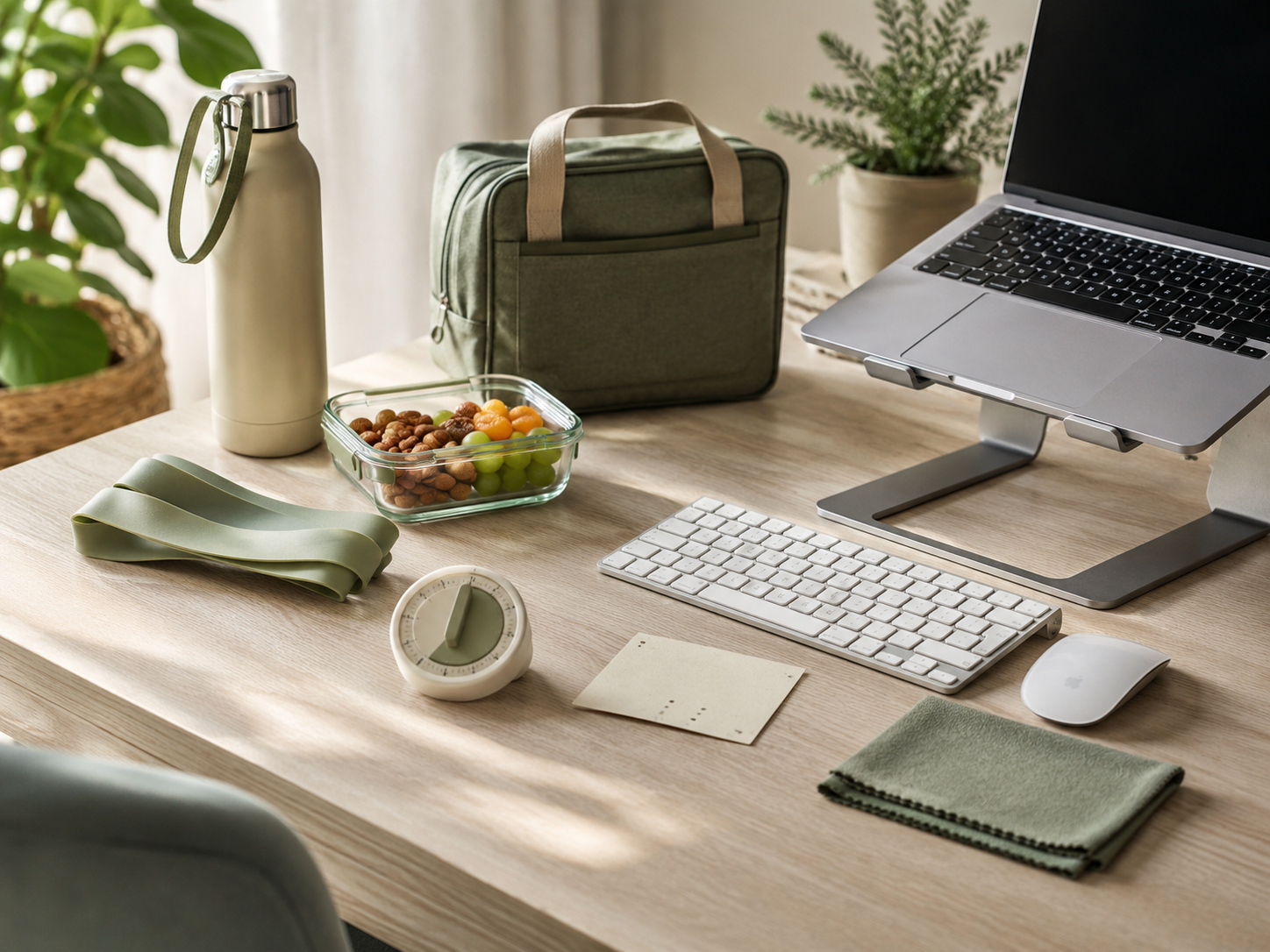
A healthier work-from-home routine should work on a normal busy day, not only during an imaginary week when everything is calm. Any habit that needs perfect motivation will probably fail. A habit that takes two minutes and solves a real irritation has a much better chance.
Common work-from-home health mistakes
Waiting until something hurts
Many people only change their setup after discomfort becomes impossible to ignore. That is understandable, but not ideal. Stiffness, tired eyes, low energy and constant tension are early signals. Treat them as useful feedback. Your body is not being dramatic. It is leaving customer service notes.
Working from the sofa every day
The sofa is fine for occasional light work. It is not a long-term desk. Daily sofa work can encourage awkward neck, back and wrist positions. If you love a softer setup, use it for reading, planning or short tasks. Keep longer typing sessions somewhere with better support.
Treating breaks as rewards
Breaks should not only happen after you have earned them. Your body needs them because long screen-based work is demanding. A short walk, stretch, water refill or eye break can make the next work block better. Breaks are not laziness. They are maintenance.
Letting work invade evenings
Evening work happens sometimes, especially for side hustlers and busy home workers. Trouble starts when it becomes the default. If every evening gets swallowed by “one quick task”, rest disappears. Decide what genuinely needs doing today and what can wait until the next work block.
Related money note
Better tools can reduce repetitive admin, make workflows smoother and protect energy. The goal is not to buy gadgets for the sake of it. It is to stop avoidable digital friction from making home working more physically and mentally expensive.
Related wellness guides
Sitting Too Long
Sitting Too Long is the natural next read if your biggest issue is stiffness, low energy or hours disappearing in the chair. It can help you build more movement into the day without pretending you have time for a full routine between every email and meeting.
Home Office Ergonomics Without Spending A Fortune
Home Office Ergonomics Without Spending A Fortune is useful if your desk setup is causing strain but your budget is not ready for luxury furniture. Small changes to screen height, chair support, keyboard position and lighting can make home working feel much less punishing.
Work From Home Boundaries That Actually Stick
Work From Home Boundaries That Actually Stick matters if your main problem is not posture, but work spilling into everything. Better boundaries help protect evenings, rest spaces and mental recovery so your home does not become one long open office with a kettle.
How To Build A Healthier Work-From-Home Routine
How To Build A Healthier Work-From-Home Routine is the practical follow-up if you want a simple system for movement, food, focus, screen breaks and shutdown habits. Start there if you know what is wrong but need the day to feel easier to manage.
What to read next
This pillar topic connects to the smaller problems that make home working feel expensive: sitting too long, poor desk setup, weak boundaries and messy daily routines. You do not need to fix everything today. Pick the issue that is costing you the most energy, then use the related guide that solves that specific friction first.
FAQ
How can I stay healthy while working from home?
Stay healthy while working from home by building small habits into the day: move regularly, improve your desk setup, take screen breaks, drink water, eat properly and create a shutdown routine. You do not need a perfect wellness plan. Simple habits that repeat are more useful than dramatic plans that vanish by Wednesday.
Why does working from home make me feel tired?
Working from home can make you feel tired because movement drops, screen time increases and boundaries blur. Notifications, messages and unfinished tasks can also add mental load. The tiredness is often not caused by one huge problem. It usually comes from several small drains happening all day.
How often should I move when working from home?
Move more often than feels automatic. A short stand, stretch or walk between work blocks can help. Link movement to things you already do: finishing a call, making tea, sending a draft or ending a focus session. Tiny movement habits are easier to keep than ambitious routines that need a whole new personality.
How can I improve my posture at home?
Improve posture by raising your screen, supporting your back, keeping your keyboard and mouse comfortable and avoiding long sessions hunched over a laptop. Start with the most obvious problem first. A separate keyboard, laptop stand or better chair position can make a noticeable difference.
What are the biggest health risks of working from home?
The biggest work-from-home health risks are sitting too long, poor posture, eye strain, low movement, blurred boundaries, always-on work and weak daily routines. These issues build slowly, which is why they are easy to ignore until your energy, focus or comfort starts dropping.
Final verdict
Working from home without wrecking your health does not require a perfect routine, expensive office or dramatic lifestyle overhaul. Start with small changes: move more often, improve the obvious desk problem, protect your eyes, drink water, eat properly and end the workday on purpose.
The real goal is to make flexibility less expensive. Remote work should give you more control over your day, not quietly drain your posture, focus, sleep and mood. Choose one change you can repeat tomorrow, then build from there.


