



Host a Virtual Halloween Party: Audio,…

20 Minimalist Halloween Nail Ideas for…

Can Free Affinity Help You Build…

12 Lower-Sugar Halloween Treat Swaps Worth…

Can Hostinger AI Builder Launch a…

A 5-Step Screen-Free Autumn Reading Ritual…

Plug-In Solar Panels UK: Are They…

15 Last-Minute Zoom Halloween Costumes for…

Meta One Explained: Is the Subscription…

10 Low-Fuss Dog Halloween Ideas: Comfort…

Plaud One Explained: Can AI Earbuds…

9 Gothic Dinner Table Ideas for…

Namecheap vs Dynadot

7 UK Ghost Tours and How…

Convertkit Vs Beehiiv

Do You Really Need a £420…

Bluehost vs Siteground

15 Gentle Spooky Autumn Books to…

Namecheap review

How to Remove Halloween Face Paint…
Poor email performance is not always caused by weak copywriting or bad offers. In many cases, the real problem is deliverability. Emails quietly land in spam folders, promotions tabs, or low-visibility inbox placements long before businesses realise what is happening. InboxAlly became popular because it focuses directly on sender reputation and inbox placement instead of only helping users send more campaigns.
Quick Overview
In this review you will learn:
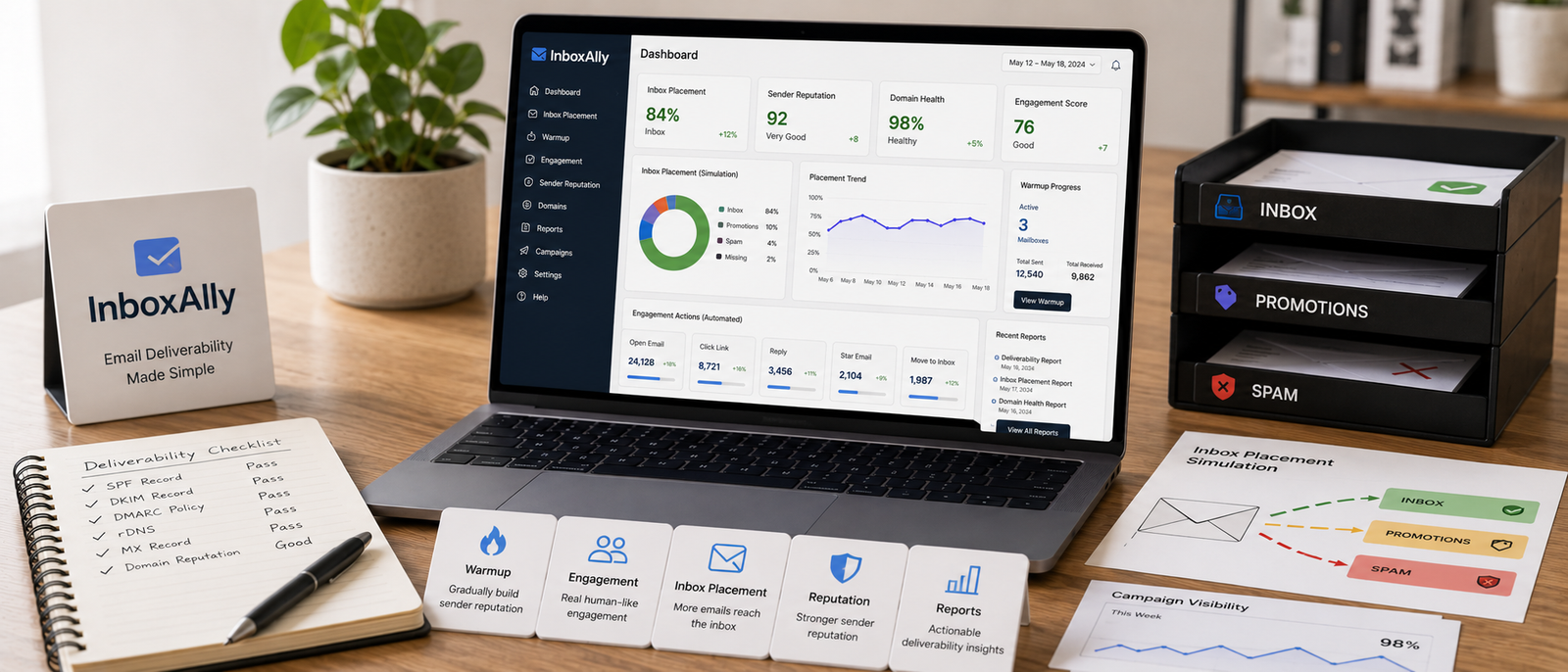
Email inbox placement workflow supporting creators and businesses.
Helpful next reads: Email deliverability tools
Most Deliverability Problems Stay Hidden At First
Many businesses spend weeks rewriting subject lines, rebuilding funnels, and changing sales emails while the real issue sits underneath everything: inbox placement. If emails rarely reach the primary inbox, even strong campaigns can struggle. Deliverability problems slowly damage open rates, engagement, launch performance, and customer trust over time, which is why InboxAlly focuses heavily on improving sender reputation instead of simply increasing sending volume.
Related guide: Email marketing automation explained
What InboxAlly Actually Does
InboxAlly Focuses On Inbox Placement
Unlike standard email platforms that mainly focus on automations and newsletters, InboxAlly is designed to improve inbox placement. The platform works on sender reputation, engagement signals, and deliverability patterns that influence how providers like Gmail and Outlook treat incoming emails.

Engagement Signals Matter More Than Most Creators Expect
Inbox providers constantly monitor opens, replies, spam complaints, deletion behaviour, and interaction patterns. Weak engagement can quietly push emails toward spam or promotions folders over time. InboxAlly helps businesses improve those engagement signals gradually instead of relying only on technical email settings.

The Platform Helps Warm Domains And Sending Reputation
InboxAlly is especially useful for businesses launching new domains, scaling outreach, changing providers, or increasing sending volume quickly. Domain warming matters because inbox providers often become suspicious when sending behaviour changes too aggressively.

Sender reputation system supporting deliverability improvement.
Reporting Visibility Feels Useful
One reason users value InboxAlly is visibility. Businesses can finally see whether inbox placement itself is damaging campaigns instead of endlessly guessing why open rates collapsed.
Related comparison: ConvertKit vs Mailchimp

InboxAlly Makes More Sense Once Email Revenue Matters
InboxAlly can feel expensive if a business only sends occasional newsletters or runs a small subscriber list. The value becomes easier to understand once email directly affects launches, ecommerce revenue, customer retention, or subscriber monetisation. Poor deliverability quietly costs businesses money long before the issue becomes obvious. That does not mean every creator needs advanced deliverability software immediately, but businesses heavily dependent on email usually notice the impact much faster.
Related guide: Email funnel with GetResponse
Where InboxAlly Feels Frustrating
Pricing Feels Premium Quickly
InboxAlly is aimed more at businesses already experiencing deliverability problems than casual newsletter creators. Smaller businesses may struggle to justify the cost before email becomes revenue-critical.

Beginners May Feel Overwhelmed
Deliverability already feels technical for many creators. Concepts like sender reputation, domain warming, engagement quality, and inbox placement trends can initially feel confusing without prior experience.

Better Deliverability Cannot Fix Weak Emails
InboxAlly can help emails reach inboxes more reliably, but it cannot repair weak offers, poor targeting, low-value newsletters, or inconsistent communication. Deliverability improves visibility, not the quality of the message itself.

Some Businesses Need Simpler Fixes First
Many businesses improve deliverability substantially by cleaning subscriber lists, removing inactive contacts, authenticating domains properly, and avoiding purchased lists before needing advanced deliverability software.

Which Businesses Usually Fit InboxAlly Best?
Ecommerce Businesses
Ecommerce stores often depend heavily on promotions, abandoned-cart emails, launches, and customer communication. Poor inbox placement can directly affect sales performance.
High-Volume Email Senders
Businesses sending large newsletters, launch sequences, automated funnels, and daily campaigns usually benefit more because deliverability sensitivity increases with higher sending volume.
Businesses Recovering From Spam Problems
InboxAlly is commonly used by businesses trying to recover from spam-folder placement, domain reputation damage, or collapsing open rates.
Related review: GetResponse review

Businesses Dependent On Email Revenue
InboxAlly makes the most sense once businesses realise inbox placement directly affects revenue consistency.

Deliverability Problems Usually Build Gradually
Most businesses do not lose sender reputation overnight. Problems usually build through inconsistent sending, unhealthy subscriber lists, weak engagement, aggressive promotions, and poor email hygiene. The difficult part is that campaigns may still appear functional while performance quietly declines month after month. That is why many businesses eventually focus on protecting deliverability proactively instead of reacting after major damage already exists.
Frequently read together: Email subject lines that increase open rates
Pros And Cons Of InboxAlly
InboxAlly Pros
InboxAlly Cons
FAQs
What does InboxAlly actually do?
InboxAlly helps businesses improve sender reputation and inbox placement so emails reach inboxes more reliably.
Who benefits most from InboxAlly?
High-volume senders, ecommerce stores, publishers, and businesses heavily dependent on email revenue usually benefit most.
Can InboxAlly improve open rates?
Yes. Better inbox placement often improves open rates before changing copy or campaign structure.
Is InboxAlly beginner-friendly?
Some beginners may find deliverability concepts technical at first, especially without prior email marketing experience.
Does InboxAlly replace email marketing software?
No. InboxAlly focuses on deliverability improvement rather than automations, newsletters, or standard email campaign management.
Final Verdict
InboxAlly is best for businesses that already depend heavily on email performance and cannot afford weak inbox placement quietly damaging launches, promotions, ecommerce revenue, or subscriber engagement.
The platform stands out because it focuses directly on sender reputation, engagement quality, and inbox placement instead of simply helping businesses send more campaigns. That makes it especially valuable for ecommerce brands, publishers, high-volume senders, and businesses recovering from spam-folder problems or falling open rates.
Smaller creators may not need InboxAlly immediately. Many businesses can improve deliverability significantly through healthier list management, consistent sending habits, stronger engagement, and proper email authentication first. Once email becomes revenue-critical, though, InboxAlly can feel far more valuable than the pricing initially suggests.


