



Autumn Comfort Food: How to Eat…

Soup Maker vs Saucepan: Which Suits…

The Best Lighting for Darker Autumn…

Create an Autumn Wind-Down Routine That…

Heated Throw vs Heated Blanket vs…

Autumn Sleep Reset: Light, Temperature and…

Dehumidifiers Explained: When Are They Actually…

A Realistic Autumn Walking Routine for…

Autumn Social Reset: Small Plans for…

Sekonda Smart Ring vs Oura Ring…

Make Your Home Cosier Without Turning…

Heated Airer vs Dehumidifier: Which Is…
The main choice here is whether you want a screen. The Fitbit Edge has one; the Fitbit Air and Garmin Cirqa do not.
This comparison sets out the upfront prices, checked on 25 and 26 October 2026, then treats the two optional subscriptions separately, so you can see what you would pay and what the free apps already cover. Prices can change.
Quick Overview
- The Fitbit Edge is the only one of the three with a screen; National World lists built-in GPS for it, while the Cirqa uses your phone's GPS (Women's Running).
- Prices checked on 25 and 26 October 2026: Edge £159.99, Air about £85, Cirqa £179.99.
- The Garmin Cirqa leans on your phone's GPS instead of carrying its own.
- Trusted Reviews puts the Cirqa at around £100 more than the Air.
- Google Health Premium and Garmin Connect+ are optional paid extras, listed at £7.99 and £6.99 a month.
- Settle the screen question first, because the rest of the comparison follows from it.
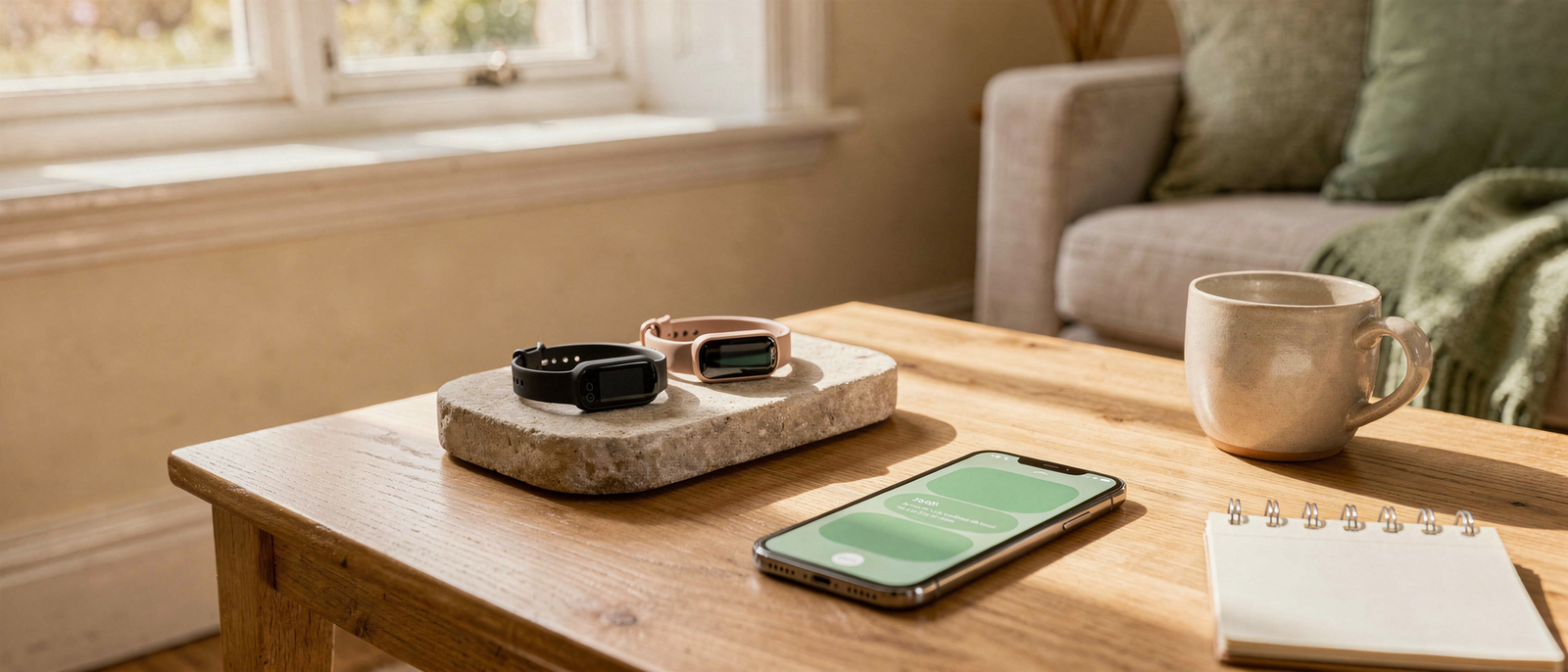
Price, screen, GPS and battery at a glance
Fitbit Edge
Tech Advisor gives the UK launch price as £159.99, checked on 25 October 2026, with general release on 27 October. The5KRunner lists a 1.34-inch AMOLED screen and up to seven days of battery life. Specifications reported by National World include built-in GPS and an altimeter. Google describes it as its first repairable fitness tracker, with a replaceable battery.
Fitbit Air
The Air is listed at £84.99 at UK retailers including Argos and Amazon UK (listing seen on 26 October 2026), and Which? gives it as £85 upfront. It has no screen, so you read your data in the phone app. Google Health Premium is an optional extra, covered in its own section below.
Garmin Cirqa
TechRadar gives the UK price as £179.99 (page seen on 26 October 2026). It has no screen. Women's Running lists up to 10 days of battery life and GPS via your smartphone. There is no mandatory subscription; the optional Garmin Connect+ plan is covered below.
Before you rely on these figures
Prices can change, especially in launch week. The sources used here do not cover the Fitbit Air's GPS or battery life, so check the retailer listing for those details before buying.
Is a screen worth paying extra for?
The case for a screen
Tech Advisor says the main appeal of the Edge over the Air is the better software experience that comes with the display. The practical gain is built-in GPS: you can record a walk or run without taking your phone, which the Cirqa does not offer because it borrows the phone's GPS. There are trade-offs too. The5KRunner says the Edge drops NFC payments and the EDA stress sensor found on the Charge 6, so if you used either, weigh that outlet's reading.
The case for going screenless
The Air and Cirqa have no display, so your numbers live in the phone app rather than on your wrist. If a wrist display is itself a distraction at your desk, that can suit a calmer day. The cost is that anything you want to check mid-walk means taking out the phone, and Cirqa route tracking relies on that phone's GPS, as Women's Running lists.
Fitbit Air or Garmin Cirqa: what the price gap buys
Fitbit Air
The Air has the lowest upfront price of the three, which is its main case. Which? says the free app shows raw numbers with little guidance, and that Premium unlocks an AI Coach. That does not make Premium necessary, since the app still covers the basics, but a reader who wants guidance may find themselves weighing a monthly fee. If all you want is a step and sleep record, the lower price may be enough on its own.
Garmin Cirqa
Trusted Reviews puts the Cirqa at around £100 more than the Air. For that, TechRadar reports no mandatory subscription, Women's Running lists up to 10 days of battery life, and GPS comes from your phone. Both brands put coaching behind an optional plan, so the upfront gap is the part you can count on. A full single-product read is linked below.
Google Health Premium and Garmin Connect+: what the optional plans cost
Google Health Premium
Which? gives Premium as £7.99 a month or £79.99 a year, and the annual price is the cheaper way to pay if you choose it. Google's UK page, checked on 26 October 2026, says eligible new and returning users get three months with a Fitbit or Pixel Watch, then it renews at £7.99 a month unless cancelled. The offer on that page ends on 26 May 2027. Prices can change, and the trial is for eligible users only.
Garmin Connect+
TechRadar gives Connect+ as £6.99 a month or £69.99 a year (page seen on 26 October 2026). Garmin Coach features sit behind it, and it is optional.
Side by side, the optional plans are Premium at £7.99 a month or £79.99 a year (Which?) and Connect+ at £6.99 a month or £69.99 a year (TechRadar). The upfront prices are £159.99 for the Edge (Tech Advisor, 25 October 2026), about £85 for the Air (retail listings, 26 October 2026) and £179.99 for the Cirqa (TechRadar, 26 October 2026). All of these prices can change.
What the free apps already do, and what Premium adds
A free-versus-paid checklist
Before paying for anything, set each plan against what is already included. Android Authority's summary is a starting point, so check Google's own page for the current feature list:
- Free Google Health app: according to Android Authority, it stays available to all Fitbit and Pixel Watch users for activity tracking, sleep tracking, heart rate monitoring and wellness logging.
- Google Health Premium: the same report says it adds Gemini-powered coaching, adaptive plans and deeper sleep insights.
- Garmin: core metrics are free according to Garmin's launch messaging, and Connect+ adds Garmin Coach features.
Trend features and Google's caveat
9to5Google's release notes say Fitbit Air and Edge users with Premium can set up blood pressure and insulin resistance trends. Google's caveat, as reported by AndroidPure, is that these metrics do not pre-screen for hypertension, diabetes or sleep apnea. Treat them as trends, not a diagnosis, and do not read them as a way to monitor or manage a condition.
The late-October app update
Android Headlines reports that Google Health app version 5.11 began rolling out on 23 October 2026. It expands automatic activity detection from 10 to up to 100 activities on Fitbit Air and Pixel Watch 3, 4 and 5, with the Edge getting it from launch on 27 October. Detection is an app feature as described by Google and Android Headlines; treat it as a convenience, not a measurement.
Who suits which tracker

The desk worker who wants simple tracking
If you want a quiet record of steps and sleep and a calmer day, go screenless. Then decide between the Air and the Cirqa by weighing the upfront gap against the chance you will later want a monthly plan. If you expect the free app to be enough, the cheaper band is the lower-risk route.
The gift buyer
A fixed cost is easier to give. Both the Air and the Cirqa work without a mandatory plan, as Premium and Connect+ are both optional. Premium's three-month trial is only for eligible users, and Google's page names a Fitbit or Pixel Watch, so check eligibility for the exact model before relying on it.
The reader who wants a screen and built-in GPS
That is the Edge, at its £159.99 launch price (checked on 25 October 2026). National World lists built-in GPS for it, and the display is where Tech Advisor sees its appeal over the Air.
If none of these fits
A full smartwatch or a smart ring is a different category. If tracking without a watch or band appeals, this ring comparison is a natural next step.
Before you buy: a short checklist

Five checks that protect your money
Launch weeks move quickly, and trials roll into paid plans without a reminder. Work through these before you pay:
- Re-check the retailer price on the day, because offers can appear and prices change.
- Decide whether you want a screen, then whether built-in GPS matters to you.
- Write down the date a trial ends and the date any plan renews.
- Check that the features you want are named in the provider's own feature list.
- Ask whether the free app alone is enough before paying monthly.
Fitbit Edge: pros and cons
Pros
- Has a screen, with a 1.34-inch AMOLED display listed by The5KRunner.
- Built-in GPS and an altimeter, so a run needs no phone.
- Up to seven days of battery life, per The5KRunner.
- Google describes it as repairable, with a replaceable battery.
Cons
- Tech Advisor calls its price a slight increase on the Charge 6 launch price.
- The5KRunner says it drops NFC payments and the EDA stress sensor found on the Charge 6.
- Coaching and some trend features sit behind optional Premium.
FAQ
Do I need a subscription for the Fitbit Edge or Air?
Not for basic tracking. According to Android Authority, the free Google Health app stays available to Fitbit users for activity, sleep and heart rate tracking. Premium is an optional extra for coaching, adaptive plans and deeper sleep insights.
Does the Garmin Cirqa have GPS?
It uses your phone's GPS, according to Women's Running, so you carry the phone for route tracking. Trusted Reviews says plainly that it has no built-in GPS. The Edge lists built-in GPS (National World); the sources used here do not confirm GPS for the Air, so check its listing.
How long is the Google Health Premium trial?
Three months for eligible users, per Google's UK page checked on 26 October 2026. It then renews automatically unless cancelled, so note the end date. The offer shown on that page closes on 26 May 2027.
Is the Edge a big price jump from the Charge 6?
Tech Advisor calls £159.99 a slight increase on the Charge 6 launch price of £139.99. That is launch context only, as the Charge 6 may sell for a different price now. What the extra buys depends on how much you value a screen.
Are the new trend features a diagnosis?
No. Google says the blood pressure and insulin resistance trends available with Premium do not pre-screen for hypertension, diabetes or sleep apnea. Treat them as trends. If you have a health concern, speak to a GP or pharmacist.
Verdict: which tracker suits which reader
Choose the Edge if you want a screen and built-in GPS, the Air if the lowest upfront cost matters most, and the Cirqa if you prefer a longer listed battery (up to 10 days, according to Women's Running) and accept phone GPS. The biggest reservation is that these are launch-week prices, so re-check on the day. Your next step is to settle the screen question first, then ask whether any optional plan names a feature you would actually use.
