



Plug-In Solar Panels UK: Are They…

Lifesum Review UK: Is Premium Worth…

Meta One Explained: Is the Subscription…

Garmin CIRQA Review: Screen-Free Tracking Without…

Plaud One Explained: Can AI Earbuds…

Garden Gatherings – Summer Is The…

Namecheap vs Dynadot

Portable Outdoor Speakers for Garden Offices

Convertkit Vs Beehiiv

Outdoor WiFi Extenders For Garden Offices

Bluehost vs Siteground

Portable Pools For Home Workers This…

Namecheap review

Best Polarised Sunglasses

Cloudways Vs WP Engine

Best Office Desks For Small Spaces

Dropshipping Explained

Cooling A Garden Office During Summer

Email Subject Lines That Improve Open…

Best Portable Power Stations For Garden…
A sunrise lamp brightens your bedroom gradually before your alarm is due, replacing the sudden jump from darkness to noise with a slower transition. That can be appealing on dark mornings, but it does not guarantee better sleep or effortless waking. Here is how these lamps work, which features matter and how to decide whether one would earn its place beside your bed.
Quick Overview
- Sunrise lamps introduce light before a chosen waking time; many also offer an audible alarm.
- Sunset settings gradually dim the light for an evening routine.
- Adjustable brightness, accessible controls and a dimmable clock display matter more than a long feature list.
- Your sleeping position, room layout and anyone sharing the bed affect suitability.
- A wake-up light is not interchangeable with a dedicated light-therapy device.
- UK examples checked on 26 September 2026 include Lumie Glow 150 at £119 and Tala Wake at £255.
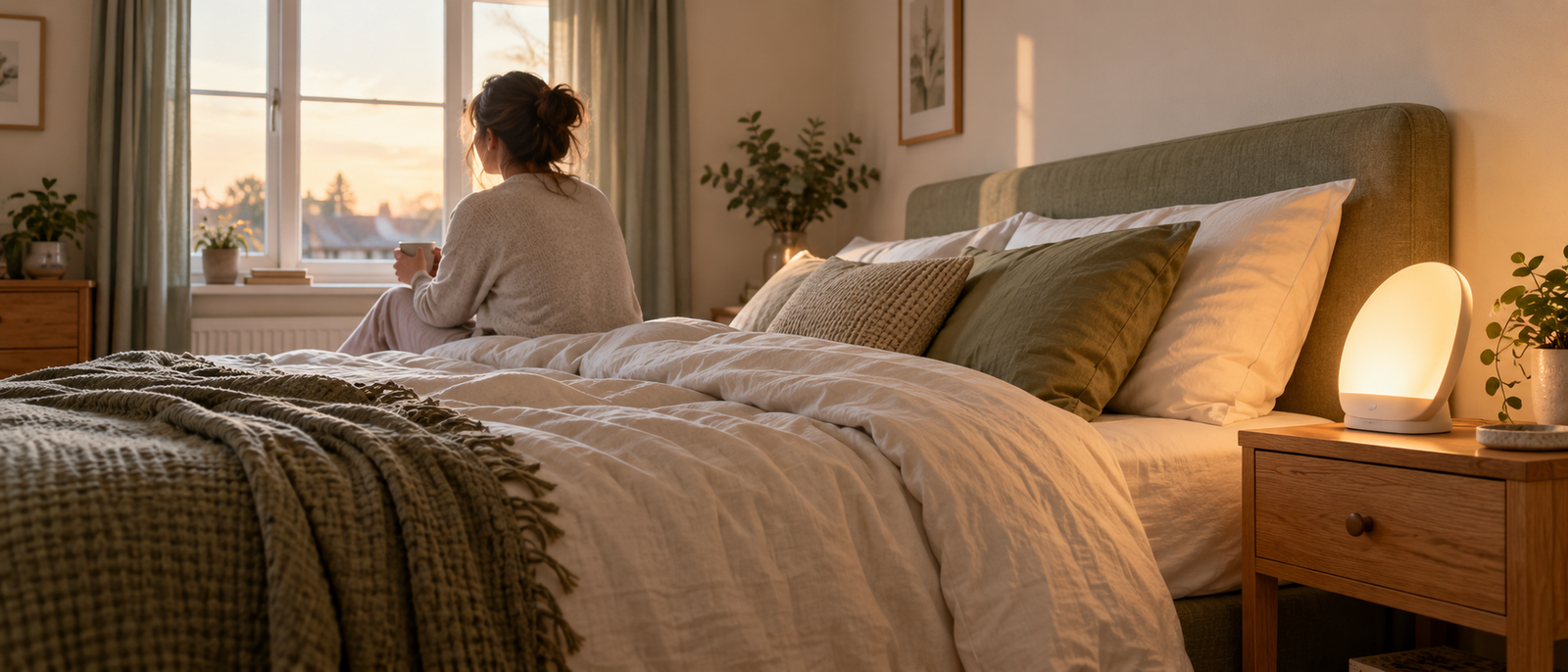
How Sunrise Lamps Work
Light Before The Alarm
You choose when you want to wake up and the lamp begins its brightening sequence beforehand. Depending on the model, you can adjust the duration, final brightness and accompanying sound. Some move through warmer colours as the light increases; others offer a simpler fade.
The practical purpose is to make the bedroom less dark by waking time. It is not a sleep-stage measurement system, and it cannot know that you have had enough rest. Keep a separate, dependable alarm while you establish whether the light and sound wake you reliably.
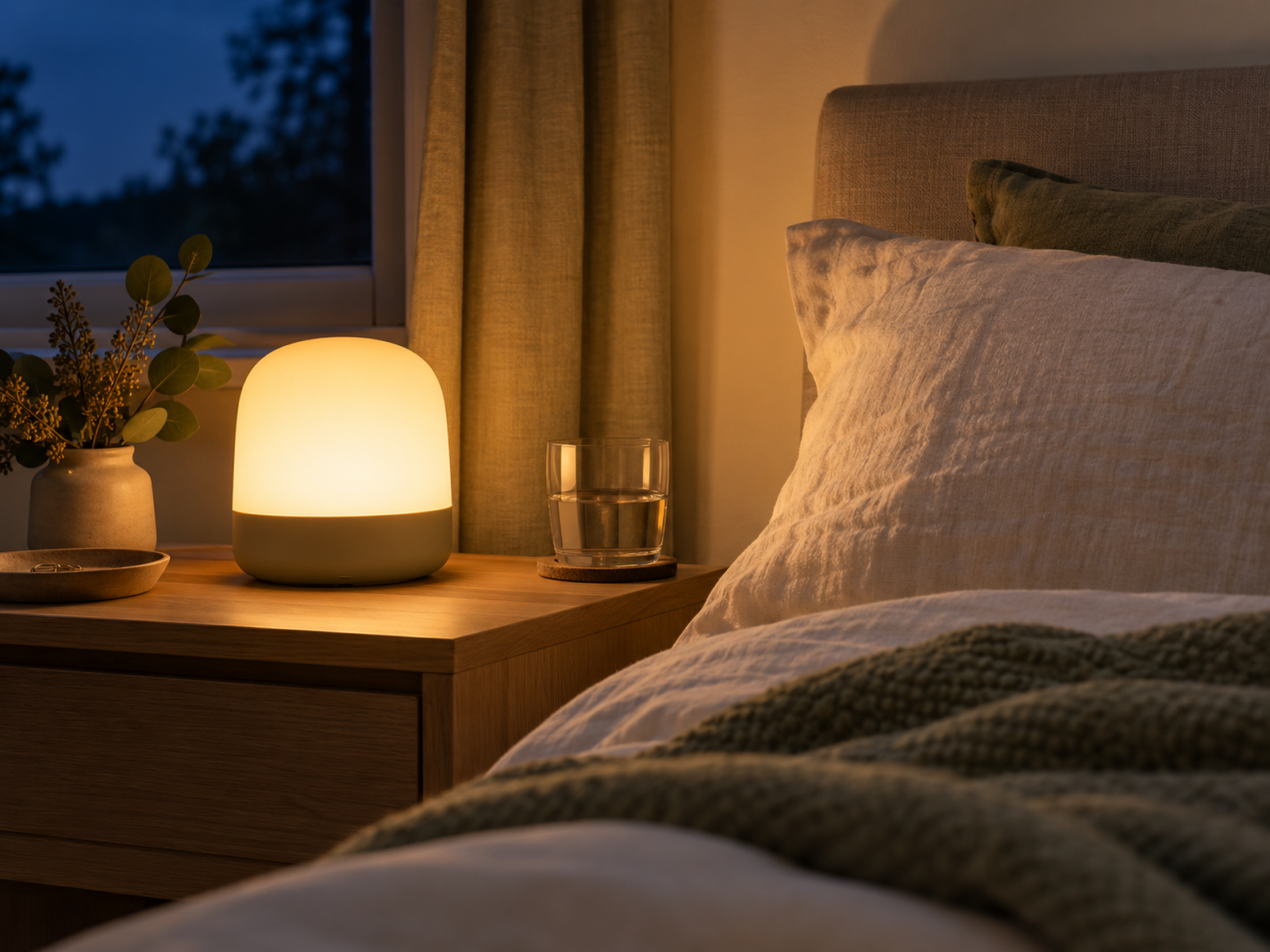
A Sunset Setting Does A Different Job
A sunset routine gradually reduces the light rather than increasing it. You might use it while reading or getting ready for bed, giving the evening a predictable end. Check whether the lamp fades completely off or leaves a nightlight, because those are different experiences in a dark room.
This is a cue, not an instruction your body must obey. If work messages continue on a bright phone after the lamp dims, the routine has barely changed. NHS sleep guidance emphasises regular habits and winding down; buying a particular lamp is optional.
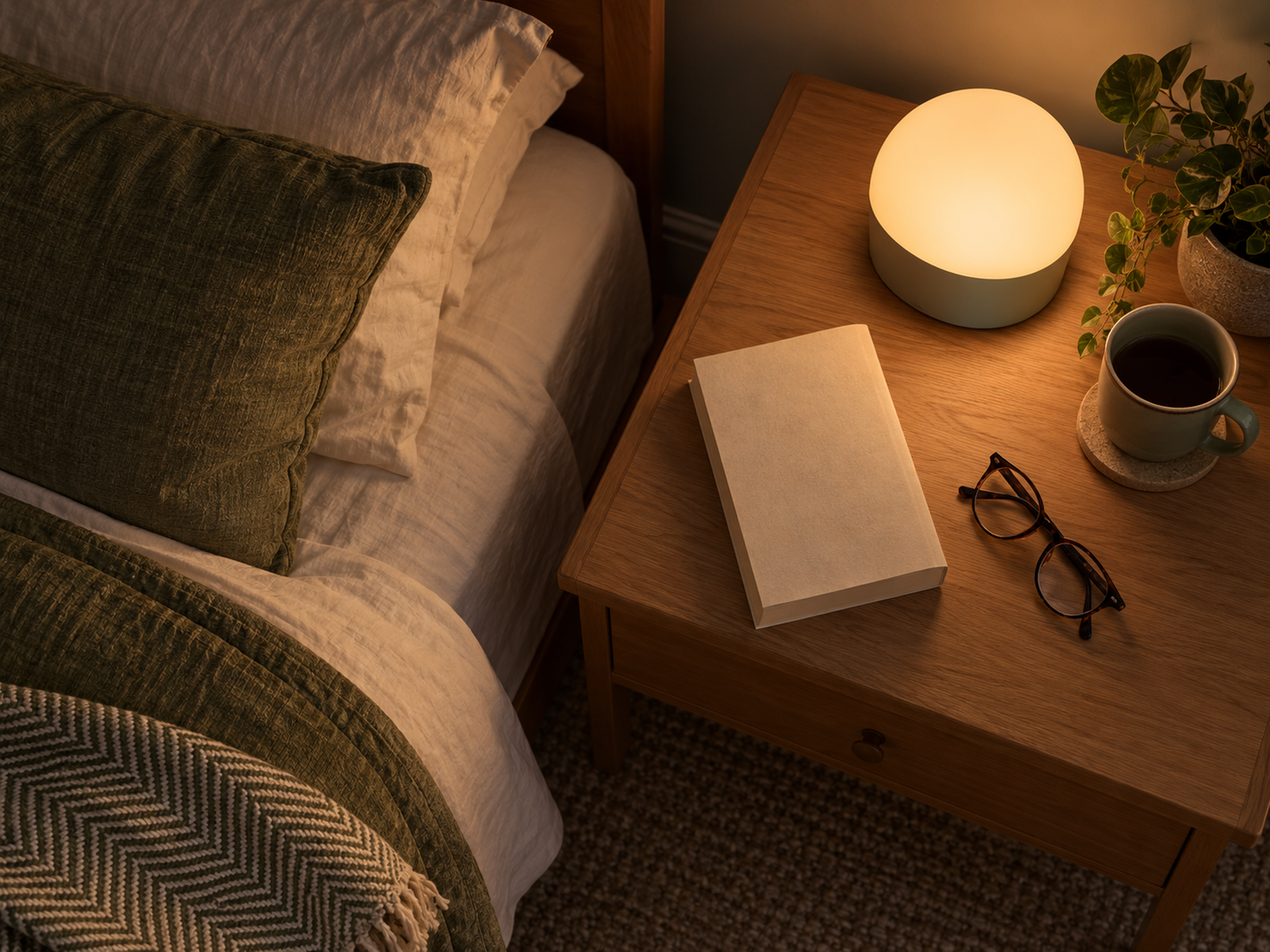
Who Might Find A Sunrise Lamp Useful?
A Dark Bedroom And A Predictable Start
A lamp is worth considering if your specific frustration is waking in darkness at roughly the same time each day. It may also suit someone who wants a dedicated alarm so their phone can charge elsewhere. Those are identifiable uses you can evaluate without monitoring a sleep score.
Before shopping, finish this sentence: “I want the lamp to make this part of my morning easier.” If the answer is simply that you feel exhausted, first consider whether the issue is insufficient sleep, interruptions or an ongoing health concern. A different alarm cannot create missing sleep time.
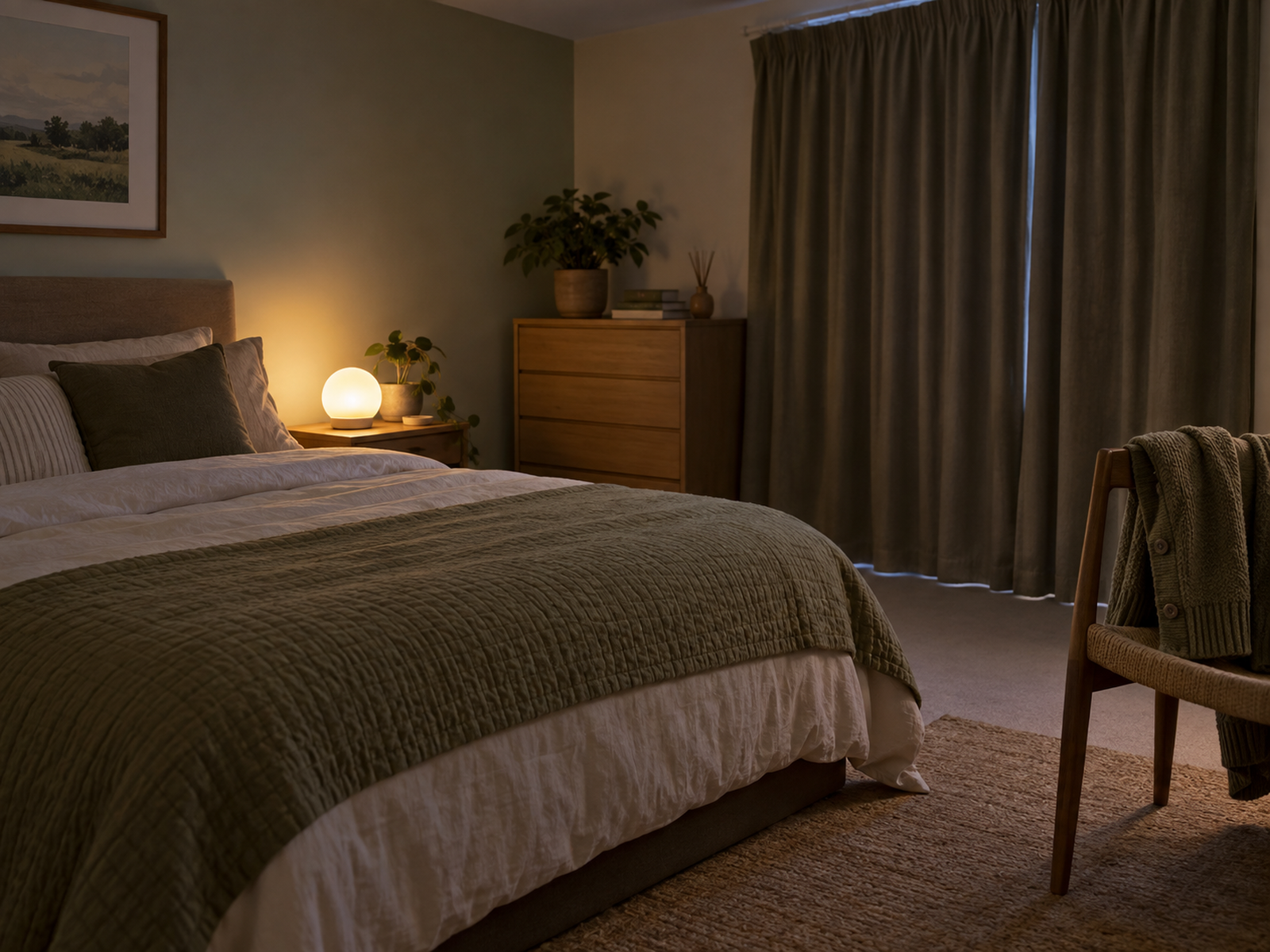
Shared Rooms Need A Shared Decision
A lamp illuminates a space, not just one person's side of it. A partner with a later alarm may find your gradual sunrise unwelcome, while an eye mask or sleeping facing away can change your own experience. Check placement before assuming the lamp will suit both of you.
Ask about weekend schedules, how easily the alarm can be cancelled and whether brightness is adjustable. For rotating shifts or complicated sleep difficulties, a simple clock-time routine may not match what you need. Do not improvise a light-treatment schedule from a bedside product's marketing.
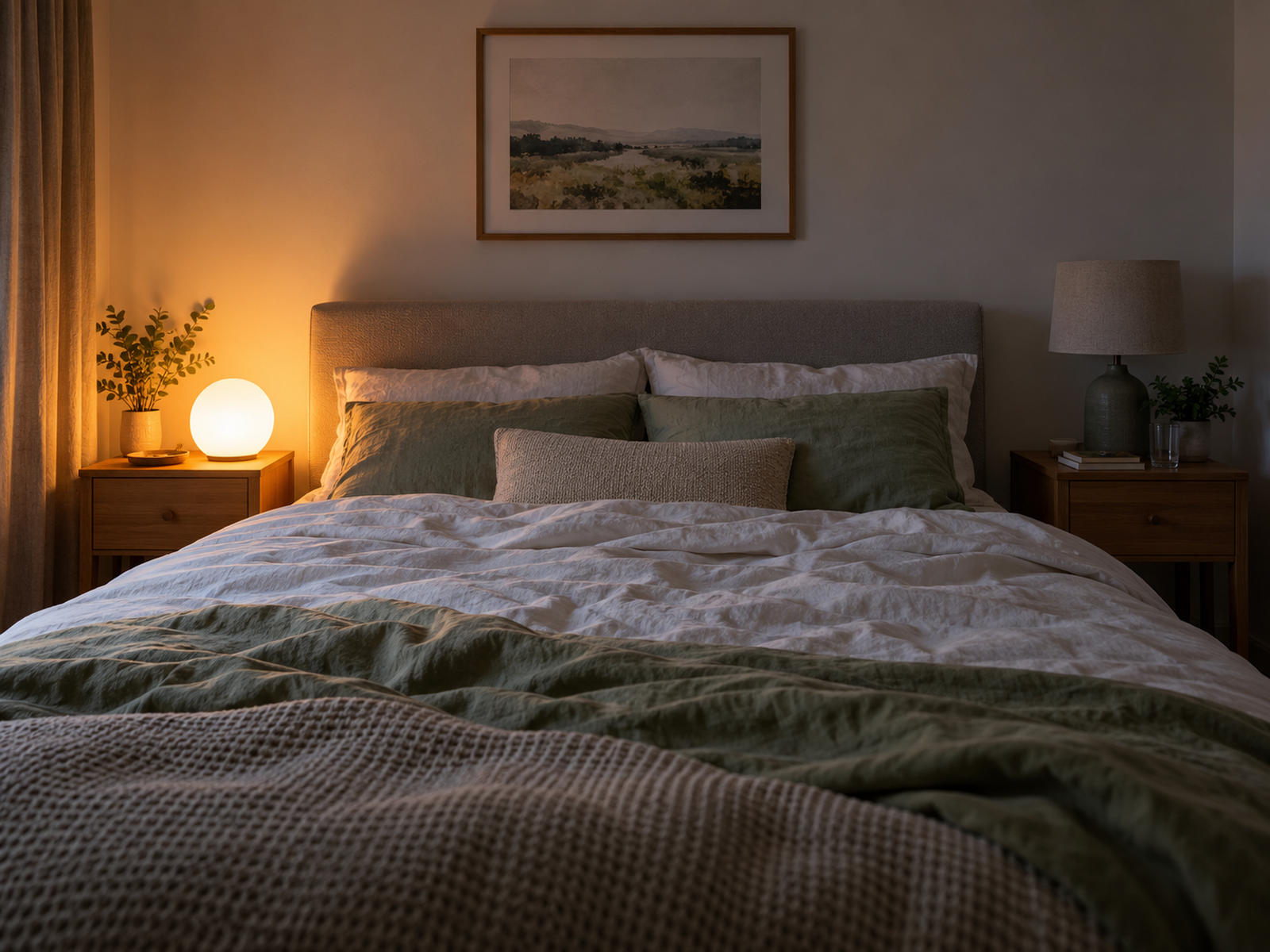
Features Worth Checking Before You Buy
Check What Happens At Night
The most useful specifications answer ordinary bedroom questions. Look for:
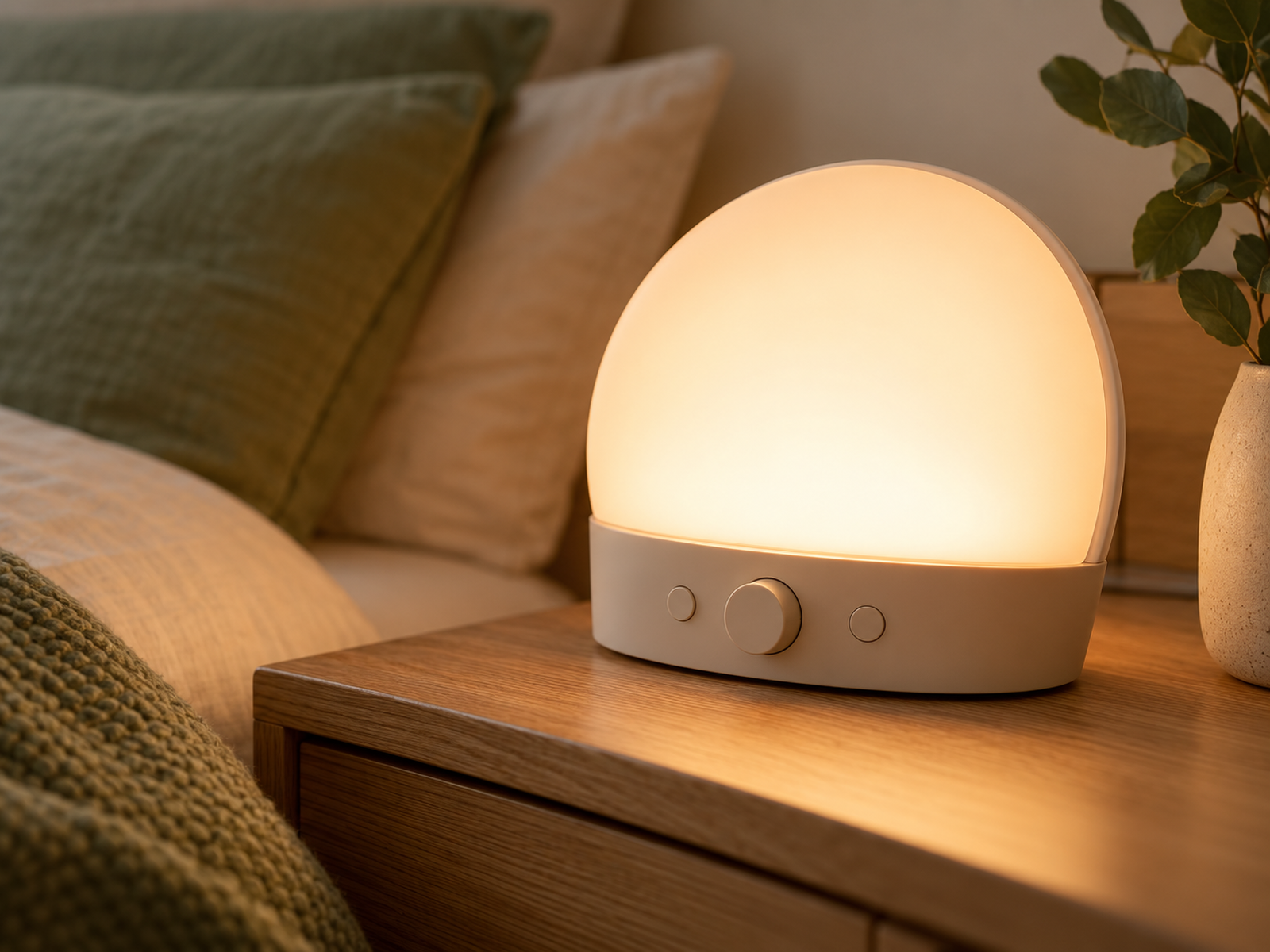
- Adjustable final sunrise brightness and a choice of fade duration.
- A clock display that dims enough for your preference.
- A straightforward way to silence or snooze the alarm.
- A sound option you would tolerate every morning.
- Controls you can use without reaching for your phone.
Read the instructions, not just the headline feature count. A lamp can have attractive lighting and still be awkward to reset when your plans change. Physical dimensions and cable length also matter on a small bedside table.
Check What Happens When Something Changes
Find out whether schedules work without Wi-Fi, whether an app is required for setup or updates, and what survives a power interruption. An alarm-memory feature does not necessarily mean the light will operate during a power cut. Check the exact model's instructions before relying on it.
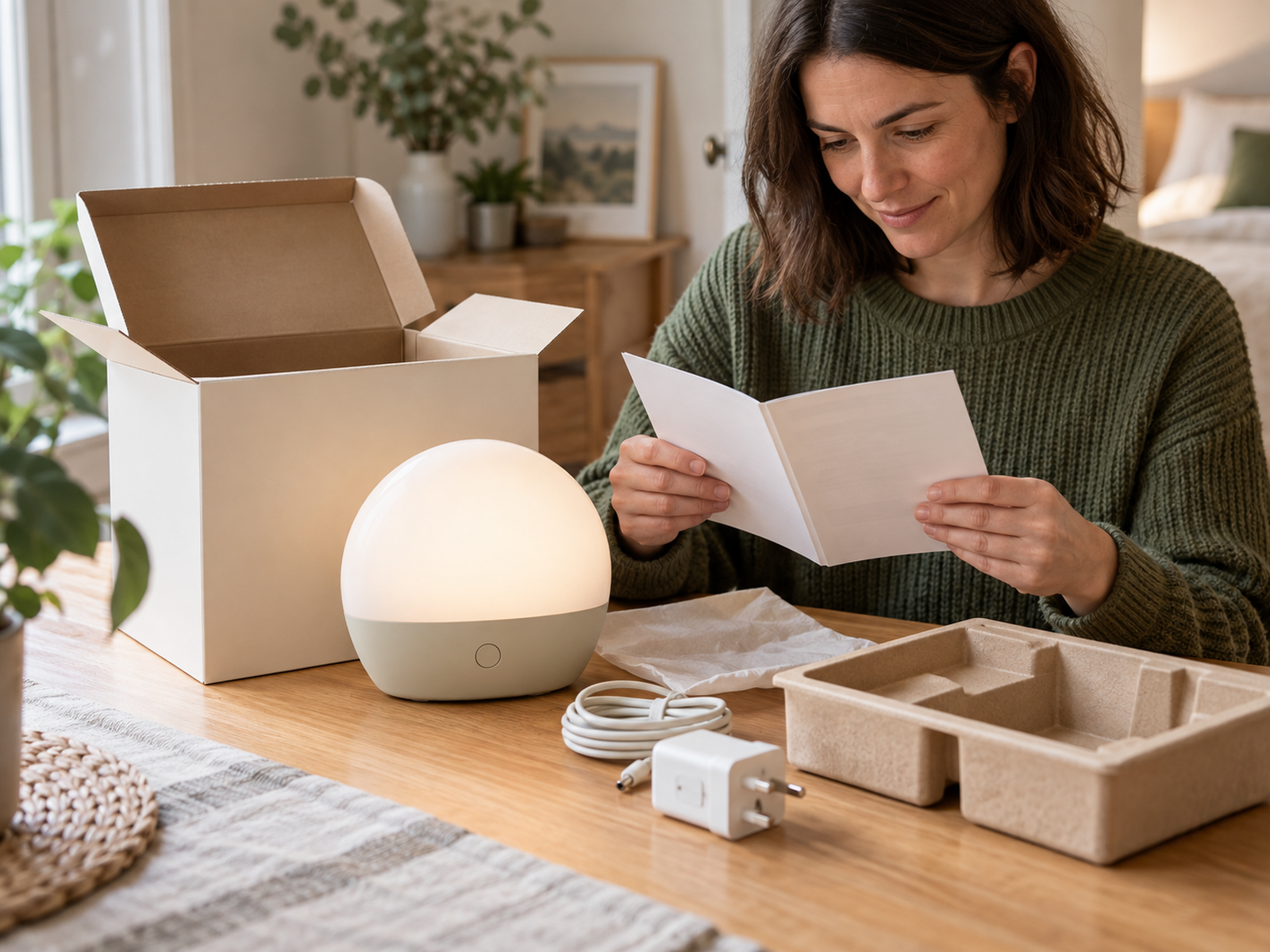
Returns are particularly useful when comfort and personal response determine value. Lumie's direct-store 45-day trial currently covers wake-up lights; keep the original packaging and read the conditions. Delivery charges are not refunded. A purchase from another retailer may have different terms.
Two UK Examples Of Different Priorities
These are specification-based examples, not a hands-on ranking. Both provide scheduled light routines, but their appeal and cost differ. Choose around controls, placement and the way you will use the lamp rather than assuming the more expensive option produces better sleep.
Lumie Bodyclock Glow 150
The Glow 150 offers 20-, 30- or 45-minute sunrise and sunset periods, adjustable sunrise intensity and ten sounds. Its auto-dimming display and tap-control snooze make it a useful example of a dedicated wake-up clock with familiar bedside functions.
It is the lower-priced option here. Check that its available durations and controls fit your routine; more functions are not automatically more useful. The direct-store trial may matter more than an extra sound if you are unsure how you will respond to gradual light.
Tala Wake
Tala Wake combines glass and ceramic construction with a rotatable base, four wake sounds and seven sleep sounds. Settings can be configured on the lamp or through the app. Its appeal includes being a design-led bedside light as well as an alarm.
That makes it a different purchase proposition, rather than evidence of a better health outcome. If the look, materials and everyday controls do not matter much to you, there is little reason to pay extra for them. Check the current setup and update requirements before buying.
Sunrise Lamp Costs At A Glance
Prices below were checked on 26 September 2026 and may change. These are purchase prices, not a measure of effectiveness. The difference between the two lamps is £136.
Lumie Glow 150: £119
A dedicated sunrise and sunset alarm. Consider it if the practical clock functions meet your needs without paying for a premium decorative finish.
Tala Wake: £255
A design-led lamp with scheduled light and sound. Consider it if its appearance and materials matter alongside its bedside functions.
Existing Setup: £0 Extra
Keep your current alarm and try a steadier routine or different placement for lighting you already own. This will not reproduce a programmed sunrise, but it may solve the problem you actually have.
How To Give A Sunrise Lamp A Fair Trial
Start With Placement And A Backup
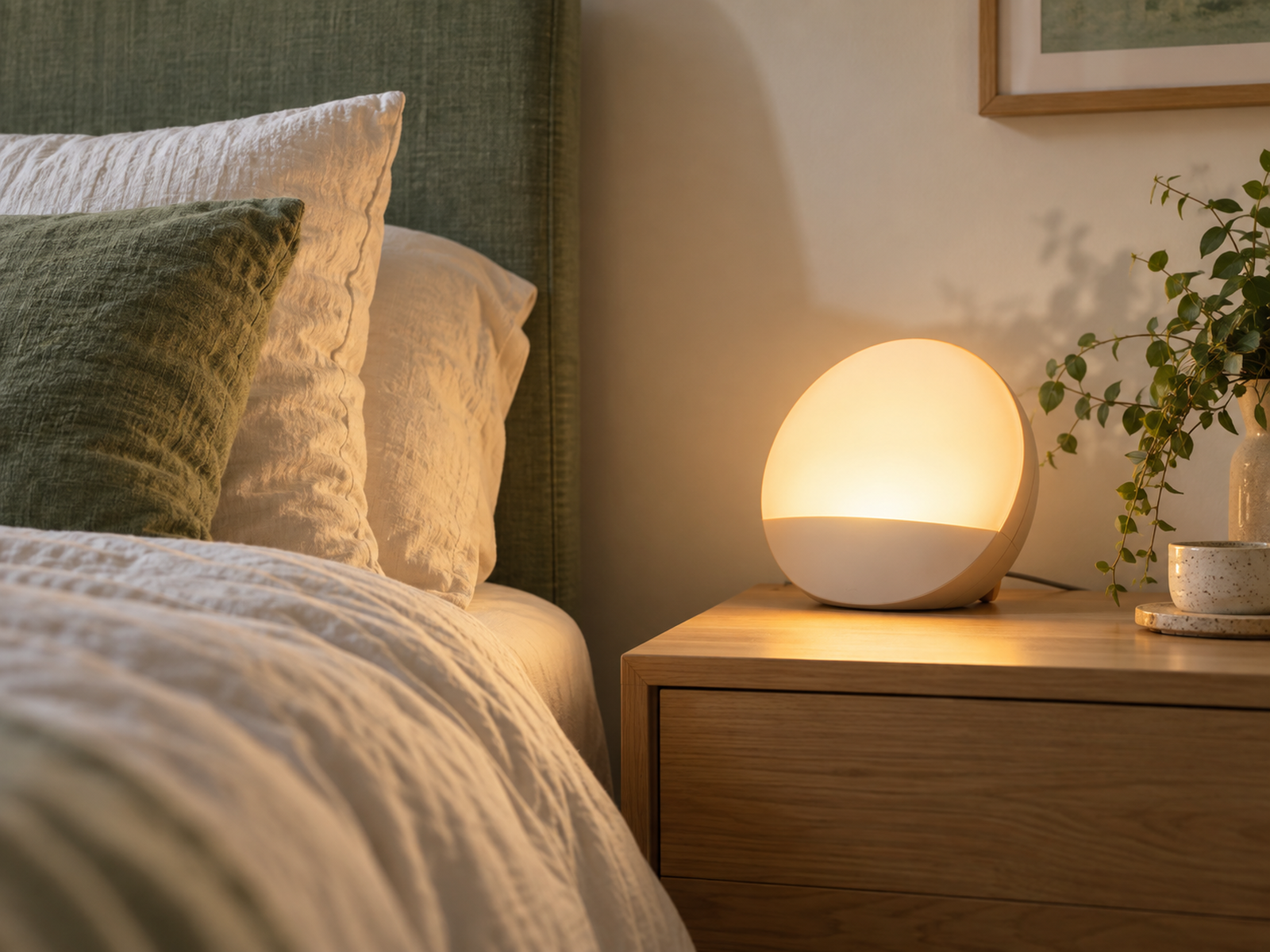
Use a stable surface and follow the manufacturer's positioning instructions. Keep the lamp clear of bedding, leave controls within reach and route the cable where it will not be pulled. Do not cover it to reduce brightness; use its settings instead.
Test the sequence while awake before relying on it the next morning. Keep your normal alarm available and change one setting at a time. If the room becomes uncomfortably bright, adjust it rather than treating discomfort as proof that the lamp is working.
Judge A Practical Outcome
Choose a simple test: is the transition out of bed less abrupt, and is the alarm dependable? You do not need another app or a complicated diary. Notice whether you actually keep using the lamp and whether it disturbs anybody else.
Try to keep the surrounding routine reasonably consistent so you are not changing everything at once. If the benefit is unclear, use the return period rather than persuading yourself to keep an expensive object. Our anti-optimisation article explores the wider decision to reduce unnecessary tracking.
What Sunrise Lamps Cannot Promise
- They cannot replace adequate sleep or remove the effects of repeated sleep disruption.
- Light alone may not wake you reliably; keep an audible backup until you know.
- They cannot isolate their brightness from somebody sharing the room.
- Higher prices and more sounds do not demonstrate a stronger health benefit.
- They should not be treated as a diagnosis or treatment for persistent tiredness, insomnia or low mood.
A Sunrise Alarm Is Not A Light-Therapy Prescription
Dedicated light-therapy devices have their own specifications, intended uses and instructions. A sunrise alarm's gradual bedroom lighting does not establish that it provides an equivalent treatment. NHS guidance on seasonal affective disorder discusses light therapy; it does not amount to a recommendation for these two sunrise lamps.
Speak to a GP before trying light therapy, particularly with relevant eye conditions or medicines that increase light sensitivity. If light triggers migraines or marked discomfort, seek appropriate advice rather than increasing the brightness. Persistent sleep problems or low mood deserve support beyond a shopping decision.
Frequently Asked Questions
Will A Sunrise Lamp Wake Me Without Sound?
It may, but you should not assume it will. Your room, positioning and personal response matter. Test the lamp with a dependable backup alarm before relying on light alone for an important start.
Is A Smart Bulb The Same Thing?
A compatible bulb and schedule may provide a gradual lighting routine. A dedicated sunrise alarm can add bedside controls, sound and alarm-specific functions. Compare the complete setup, including what happens if the connection or power fails.
Does A Sunrise Lamp Treat SAD?
Do not assume that it does. A wake-up alarm and a dedicated light-therapy device are different product categories. Follow healthcare advice and the relevant device instructions when considering treatment.
Do I Need To Track My Sleep To Use One?
No. You can judge whether the alarm is comfortable and dependable without collecting sleep data. If you prefer to investigate patterns, our sleep-app guide covers that separate approach.
The MyHotips Verdict
Choose The Morning You Want To Change
Sunrise lamps make most sense when a gradual transition from a dark room is the specific improvement you want. Start with practical controls, comfortable brightness and a useful return policy; pay for design only if you value it. Keep your existing alarm while testing, and judge the purchase by whether it makes an ordinary morning easier. If your main problem is insufficient sleep or ongoing exhaustion, the next step is understanding that problem rather than upgrading the bedside table.






