



Host a Virtual Halloween Party: Audio,…

20 Minimalist Halloween Nail Ideas for…

Can Free Affinity Help You Build…

12 Lower-Sugar Halloween Treat Swaps Worth…

Can Hostinger AI Builder Launch a…

A 5-Step Screen-Free Autumn Reading Ritual…

Plug-In Solar Panels UK: Are They…

15 Last-Minute Zoom Halloween Costumes for…

Meta One Explained: Is the Subscription…

10 Low-Fuss Dog Halloween Ideas: Comfort…

Plaud One Explained: Can AI Earbuds…

9 Gothic Dinner Table Ideas for…

Namecheap vs Dynadot

7 UK Ghost Tours and How…

Convertkit Vs Beehiiv

Do You Really Need a £420…

Bluehost vs Siteground

15 Gentle Spooky Autumn Books to…

Namecheap review

How to Remove Halloween Face Paint…
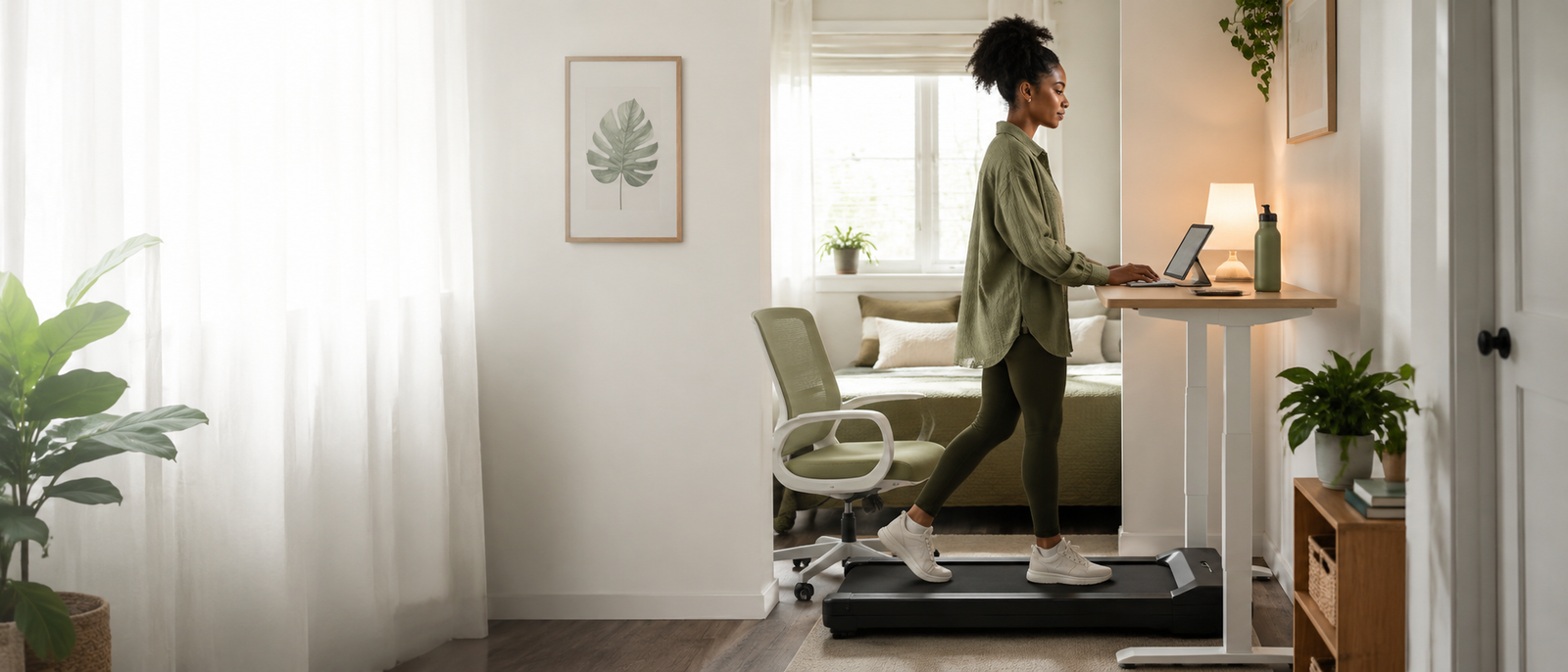
Walking pads for home workers can be useful, but only when they fit the way you actually work. This guide is not a walking pad model comparison. It helps you decide whether a walking pad belongs in your room, routine and workday before you start comparing brands, prices and features. If your main problem is long sitting, a walking pad may help. If your space, desk height, tasks or habits do not support it, a simpler movement habit may be the better first step.
Walking pads suit some home workers
They work best for light tasks
Space and desk height matter
Noise can be a dealbreaker
Habits matter more than equipment
Cheaper alternatives may be enough
Read reviews after deciding fit
Most Relevant Audience
This guide is for remote workers, home workers, freelancers, bloggers, creators, side hustlers, parents, carers and small business owners who sit for long stretches and wonder whether a walking pad would genuinely help.
It is especially useful if you are interested in more movement, but you are not sure whether walking while working fits your room, routine, calls, focus level or budget.
What A Walking Pad Actually Changes
A walking pad is worth considering when it solves a clear sitting problem and fits your room, desk, tasks and habits. This article answers the earlier question: should you buy one at all? Once that answer is yes, a dedicated walking pad review can help with specific models.
Who Walking Pads Help Most
People who sit for long blocks
Walking pads can help people whose workdays involve long stretches at a desk. If you regularly lose track of movement, short walking blocks can break up sitting without requiring a major schedule change.
This works best when the walking pad has a defined role: morning admin, reading time, planning, light email or a post-lunch reset.
People with suitable desk setups
A walking pad is easier to use if you already have a standing desk or stable standing desk converter. Desk height, keyboard position and screen height all affect comfort.
If your current setup only works while seated, you may need to fix that first. Otherwise the walking pad may arrive before the workspace is ready for it.
People who like gentle movement
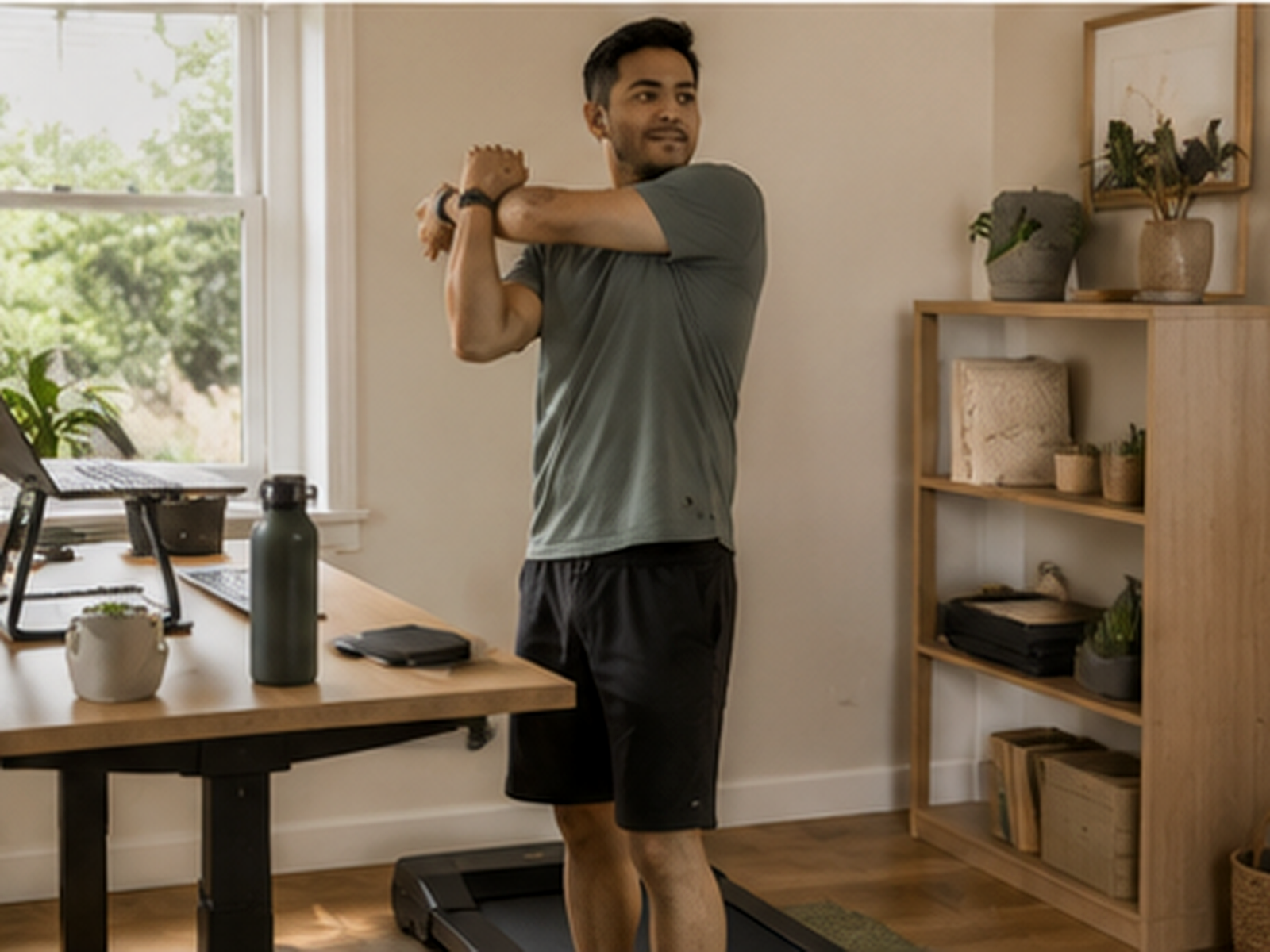
Some home workers find slow walking helpful for low-pressure tasks. It can make admin or reading feel less sedentary without requiring a separate exercise session.
The pace should be calm. Walking pads are most useful during work when the movement is gentle enough to stay in the background.
People who already respond to routines
A walking pad helps most when it becomes part of a simple routine. That might be 10 minutes after breakfast, 15 minutes during admin or a short walk before the afternoon slump.
If routines rarely stick for you, test smaller movement habits first. The walking pad should support a habit, not be expected to create one from nothing.
Who Should Probably Skip One
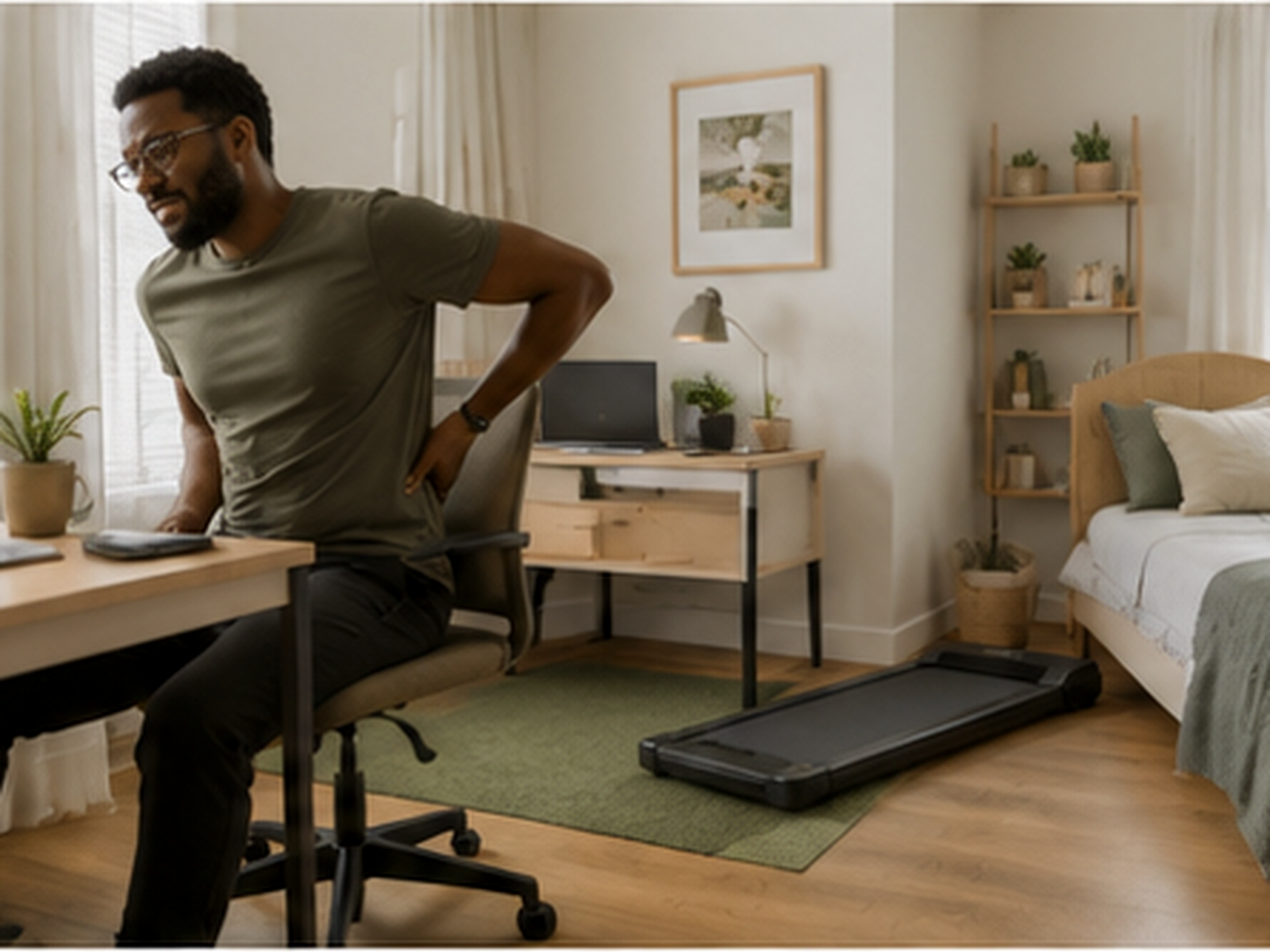
People with very small rooms
If your room is already cramped, a walking pad may be hard to store, move or use safely. This is especially true in bedroom offices, shared rooms and narrow desk corners.
Measure the real space, not the imagined space. Include the walking area, storage spot, cable route and room to step on and off safely.
People who mainly do deep-focus work
Walking while working can be distracting for tasks that need fine concentration. Writing, editing, coding, design work, accounts or complex decision-making may feel harder while moving.
You may still use a walking pad between tasks, but it may not be something you use while doing your hardest work.
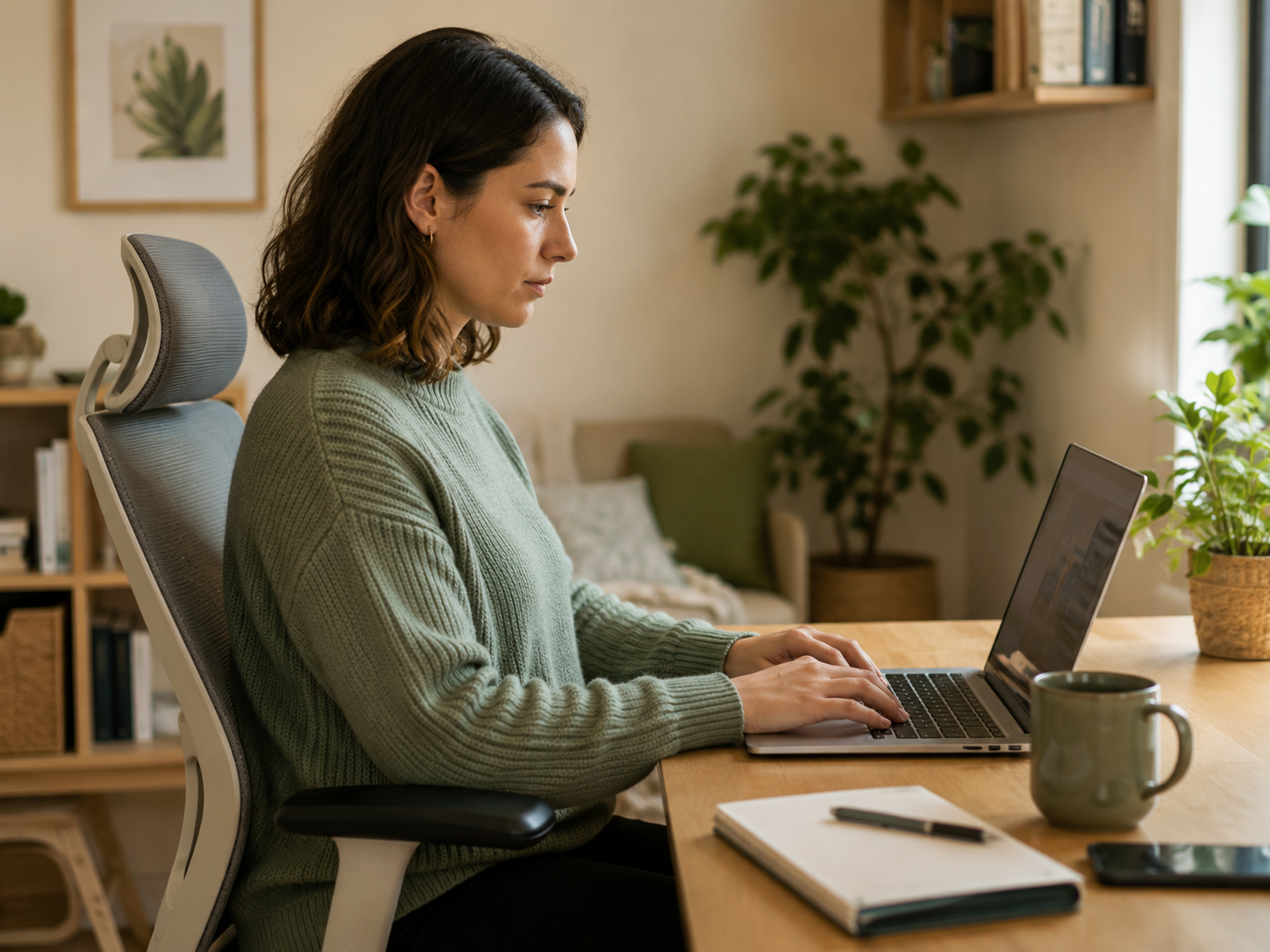
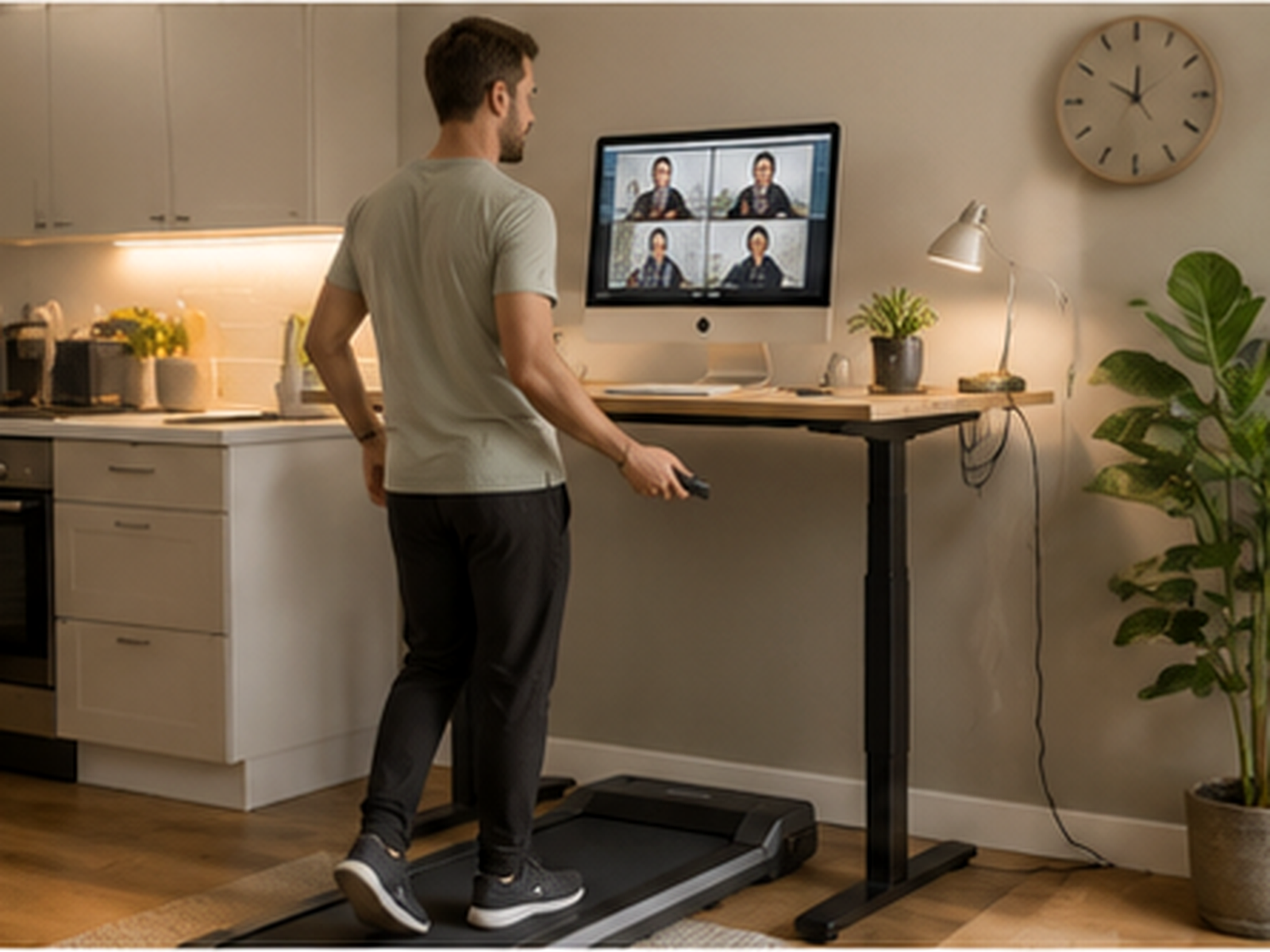
People on frequent video calls
Walking during video calls can feel distracting or unsuitable, depending on your work. It may also affect camera framing, microphone noise and how settled you feel on screen.
If your day is call-heavy, be honest about whether the walking pad would get enough use outside meetings.
People expecting one product to fix habits
A walking pad cannot fix an overloaded calendar, no breaks, poor boundaries or a routine that leaves no room for movement.
It can make movement easier, but it still needs a place in the day. If you already ignore every break, start with a simpler movement system first.
Walking While Working vs Walking Between Tasks
Walking while working
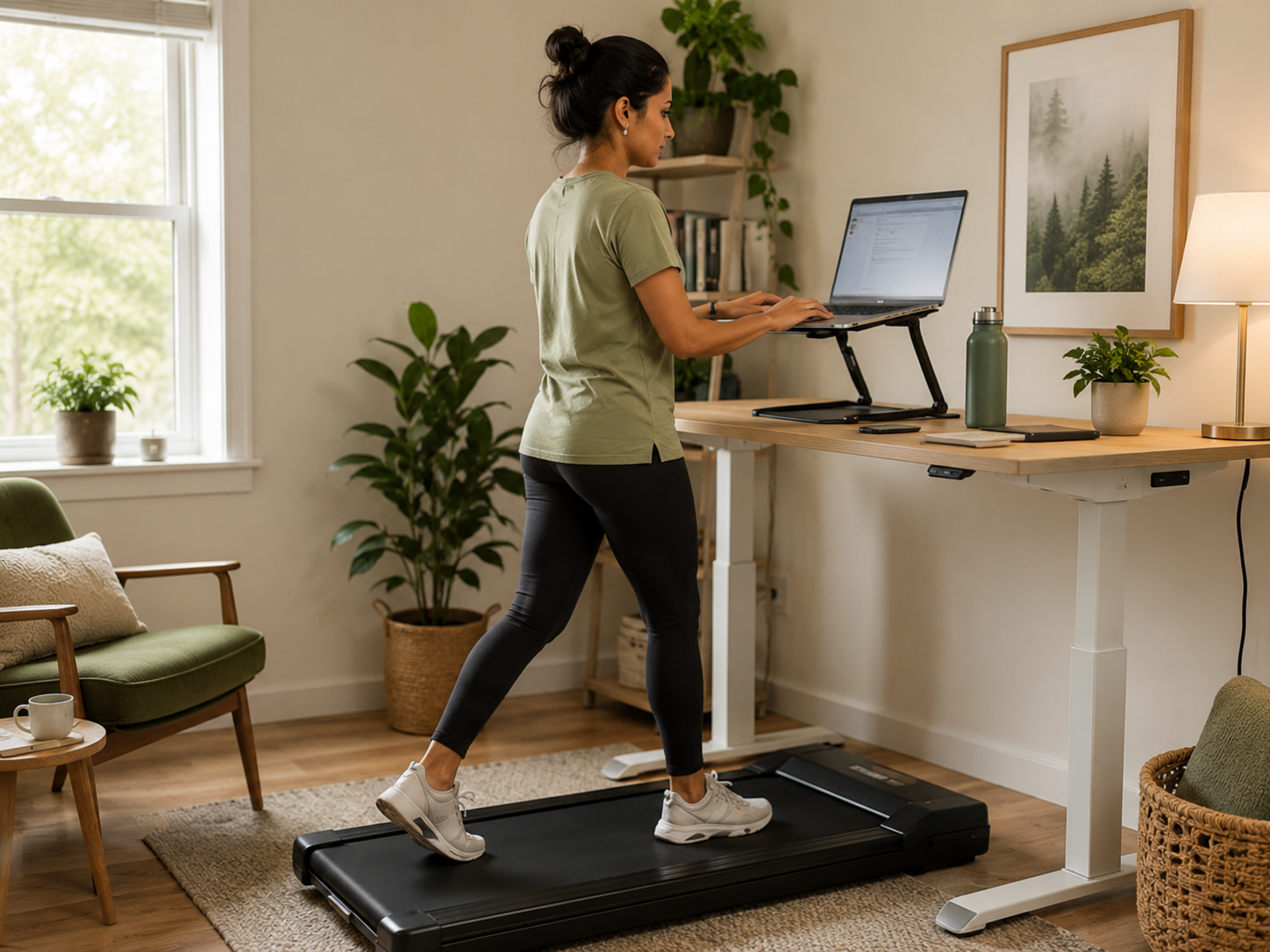
Walking while working suits light tasks: email sorting, reading, webinars, simple admin, planning or reviewing documents.
Keep the pace low and the setup comfortable. If typing becomes awkward or focus drops, save walking for easier tasks. The walking pad should reduce sitting, not make work feel less controlled.
Walking between tasks
Walking between tasks may be more realistic for many home workers. Use the walking pad for five to fifteen minutes after calls, before lunch, after lunch or between work blocks.
This still breaks up sitting and may feel easier than trying to walk while typing. It can also create a clearer transition between tasks.
Mixing both approaches
The best approach may be a mix. Walk during easy tasks, sit for focused work and use short walking breaks when the day feels heavy.
That makes the walking pad a flexible movement tool rather than a rule you have to follow all day.
Setup Support To Consider First
Supportive Indoor Shoes
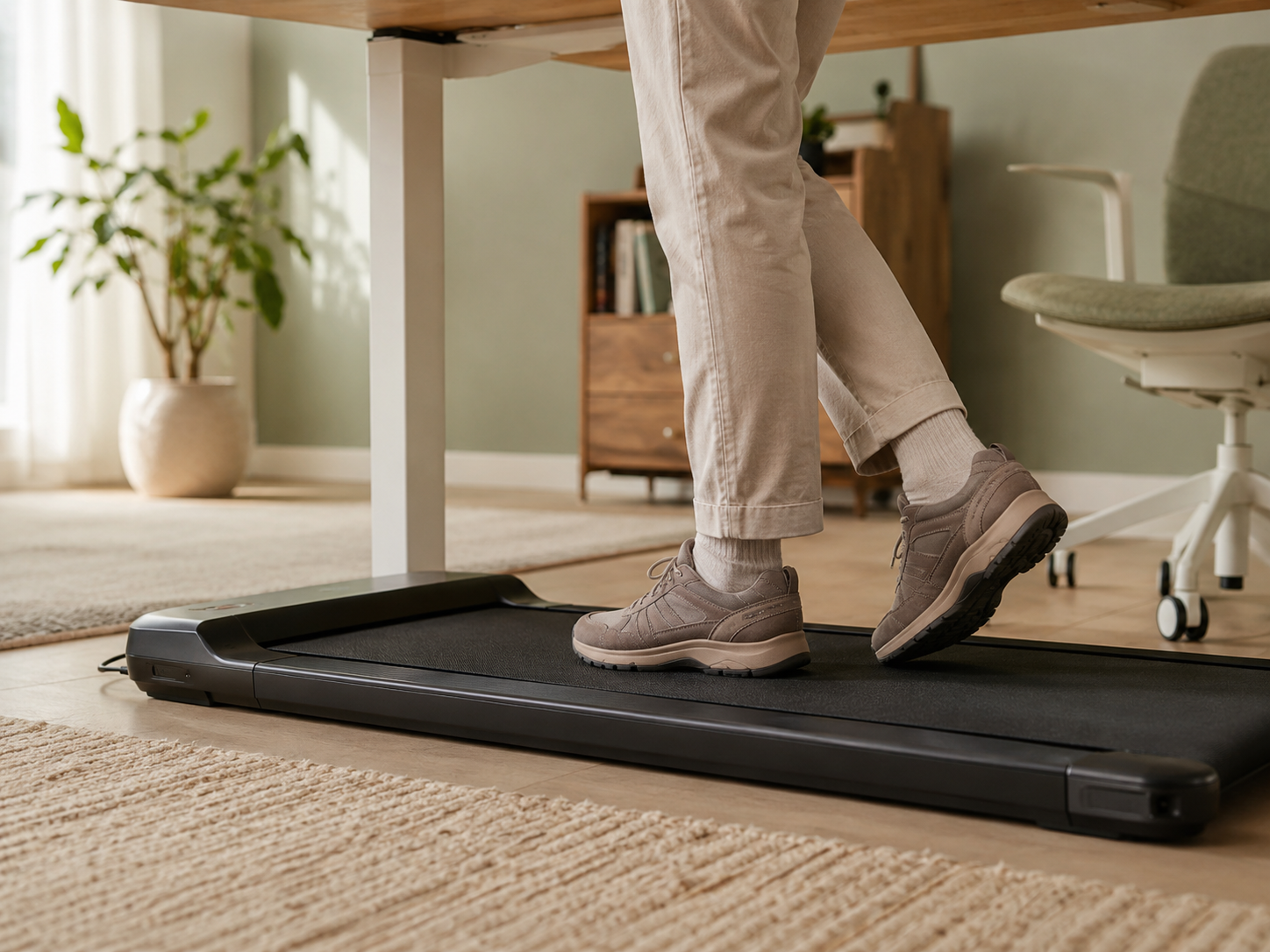
Supportive indoor shoes can make longer walking blocks more comfortable. Barefoot walking may be fine for very short sessions, but not everyone enjoys it repeatedly.
Choose comfort, grip and support over appearance. The easier walking feels, the more likely you are to use the pad consistently.
Cheaper Alternatives To Try First
Scheduled walking breaks
Try two or three short walking breaks before buying a walking pad. Walk around the room, garden, street or stairs for five to ten minutes.
If those breaks help, a walking pad may make that habit easier to repeat. If you never take them, the issue may be routine rather than equipment.
A smartwatch nudge
Use a smartwatch, fitness tracker or timer to remind you to stand or walk. This is a lower-cost way to test whether movement prompts work for you.
If reminders are enough, you may not need a walking pad yet. If reminders help but leaving the desk is the barrier, a walking pad becomes more logical.
Standing breaks
Try standing for short work blocks before buying walking equipment. This can show whether your desk height, screen position and body tolerate upright work.
If standing feels useful but too still, then walking may be worth exploring.
Better lunch and break habits
Sometimes movement improves when the day has clearer pauses. A real lunch break, short walk after eating or planned afternoon reset may do more than equipment.
A walking pad works best inside a routine that already gives movement somewhere to fit.
Common Decision Mistakes
Buying before measuring
Measure your space before buying. Check where the walking pad would go during use and where it would be stored afterwards.
A walking pad that technically fits but makes the room harder to use may not feel like a wellness upgrade. Space fit matters as much as motivation.
Ignoring noise in shared spaces
Noise matters in flats, shared homes, calls and quiet rooms. Think about motor sound, footfall, floor type and whether other people will hear it.
This is not about finding the quietest model yet. It is about deciding whether your home environment can handle a walking pad at all.
Forgetting desk height
A walking pad needs a desk setup that supports comfortable standing work. If your desk height is wrong, walking may feel awkward quickly.
Do not treat the walking pad as a standalone fix. It has to work with your screen, keyboard, mouse and posture.
Overestimating how much you will use it
It is easy to imagine walking through hours of work. Real use may be shorter: 10 minutes here, 15 minutes there, a few blocks on lighter days.
That is not failure. It may still be useful. The key is buying for realistic use, not the most ambitious version of yourself.
Comparing models too early
Do not start with product rankings if you are not sure a walking pad fits your life. First decide whether your space, tasks and habits support the idea.
After that, read a full walking pad review for model details. This keeps the decision cleaner and reduces impulse buying.
FAQ
Are walking pads worth it for home workers?
Walking pads can be worth it for home workers who sit for long stretches, have enough space and can use them during light tasks or between work blocks.
They are less worth it if your room is cramped, your desk setup is unsuitable or your work requires deep focus most of the day.
Can you really work while using a walking pad?
Yes, but it depends on the task. Walking works better for light admin, reading, webinars, simple email and planning than for detailed writing, design work or complex tasks.
Many people may find walking between tasks more realistic than walking through the whole workday.
Do walking pads help with sitting too long?
Walking pads can help break up long sitting if you use them consistently. They make light movement easier to access during the workday.
They are not a cure for sedentary work by themselves. You still need realistic habits, breaks and a setup that makes movement easy.
Are walking pads noisy in a home office?
Some walking pads are quiet enough for home offices, but noise varies by model, floor type, speed, shoes and room setup.
Before comparing specific models, decide whether noise would be a problem in your home. Shared rooms, flats and call-heavy schedules need extra thought.
What should I try before buying a walking pad?
Try scheduled walking breaks, standing breaks, a smartwatch movement reminder, a standing desk converter or short post-lunch walks first.
If those help but you still want movement without leaving your desk area, a walking pad may make more sense.
Is a walking pad better than a standing desk?
A walking pad is better if your main goal is gentle movement. A standing desk is better if you mainly want position changes between sitting and standing.
For many home workers, the best setup is not one or the other. It is using sitting, standing, walking and breaks at the right moments.
Final Verdict
Walking pads for home workers are worth it when they fit your space, desk height, work tasks and habits. They can help break up long sitting and add gentle movement to low-intensity parts of the day.
They are not the right first purchase for everyone. Try simpler movement habits first, be honest about your room and routine, then read a dedicated walking pad review if the idea still makes sense. The best decision is not whether walking pads are popular. It is whether one belongs in your actual workday.


