



Host a Virtual Halloween Party: Audio,…

20 Minimalist Halloween Nail Ideas for…

Can Free Affinity Help You Build…

12 Lower-Sugar Halloween Treat Swaps Worth…

Can Hostinger AI Builder Launch a…

A 5-Step Screen-Free Autumn Reading Ritual…

Plug-In Solar Panels UK: Are They…

15 Last-Minute Zoom Halloween Costumes for…

Meta One Explained: Is the Subscription…

10 Low-Fuss Dog Halloween Ideas: Comfort…

Plaud One Explained: Can AI Earbuds…

9 Gothic Dinner Table Ideas for…

Namecheap vs Dynadot

7 UK Ghost Tours and How…

Convertkit Vs Beehiiv

Do You Really Need a £420…

Bluehost vs Siteground

15 Gentle Spooky Autumn Books to…

Namecheap review

How to Remove Halloween Face Paint…
Most businesses do not struggle because they lack marketing ideas. They struggle because follow-up becomes inconsistent once leads arrive from several places at once. Someone downloads a guide, joins a newsletter, books a call, visits a sales page, then quietly disappears because nobody follows up at the right moment. Marketing automation helps businesses communicate consistently without manually chasing every interaction.
Quick Overview
In this guide you will learn:
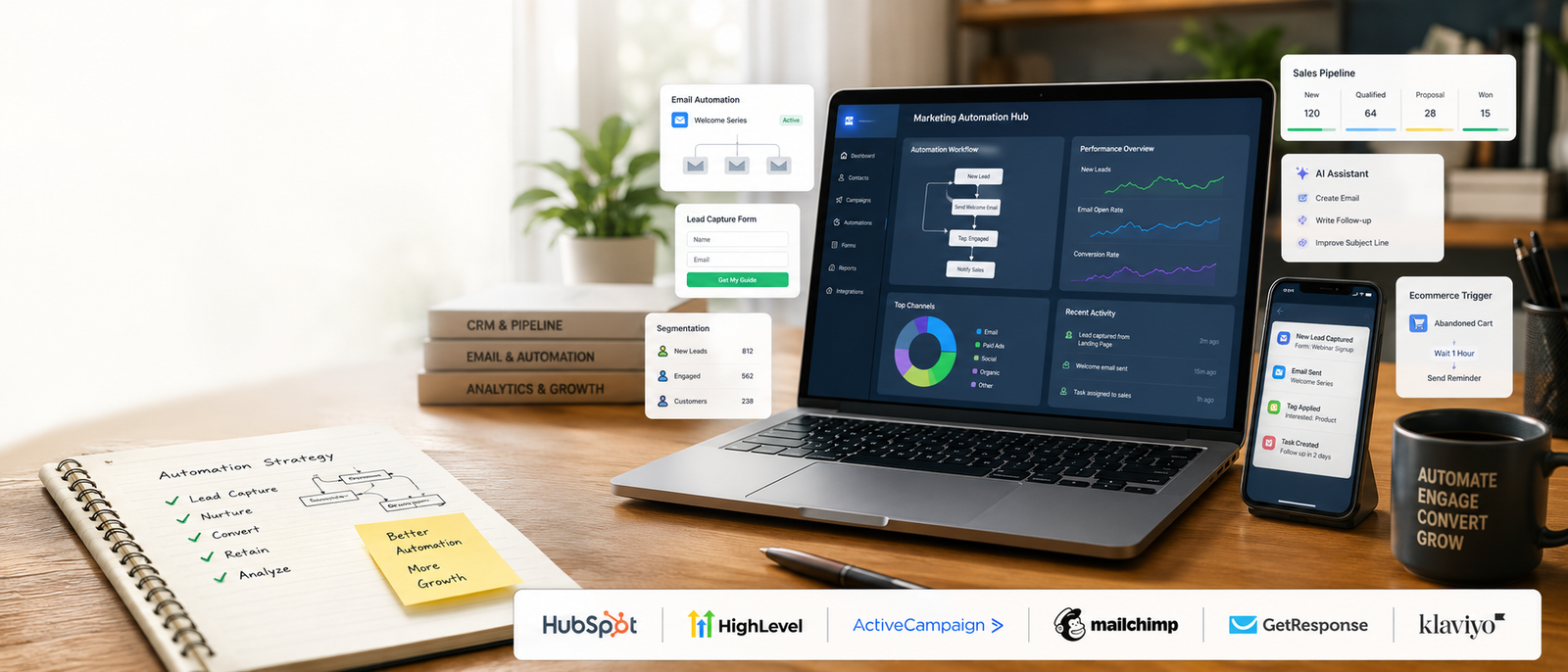
Business growth systems supporting lead nurturing and customer communication.
Helpful next reads: Email marketing automation explained
What Is Marketing Automation?
Automation Solves Follow-Up Problems
Marketing automation allows businesses to send emails, trigger actions, segment contacts, score leads, and guide prospects through planned customer journeys automatically. Instead of remembering every follow-up manually, the system responds when people join a list, click a link, submit a form, or make a purchase.
It Is More Than Email Blasts
Email marketing usually means sending campaigns to subscribers. Marketing automation goes further by reacting to behaviour. A subscriber who downloads a lead magnet may receive one journey, while someone who visits a pricing page may receive a different follow-up.
Customer Journeys Become Clearer
Good automation helps businesses decide what should happen next. New subscribers can receive welcome emails, interested leads can receive useful education, customers can receive onboarding, and inactive contacts can be gently re-engaged before they vanish into the digital cupboard.
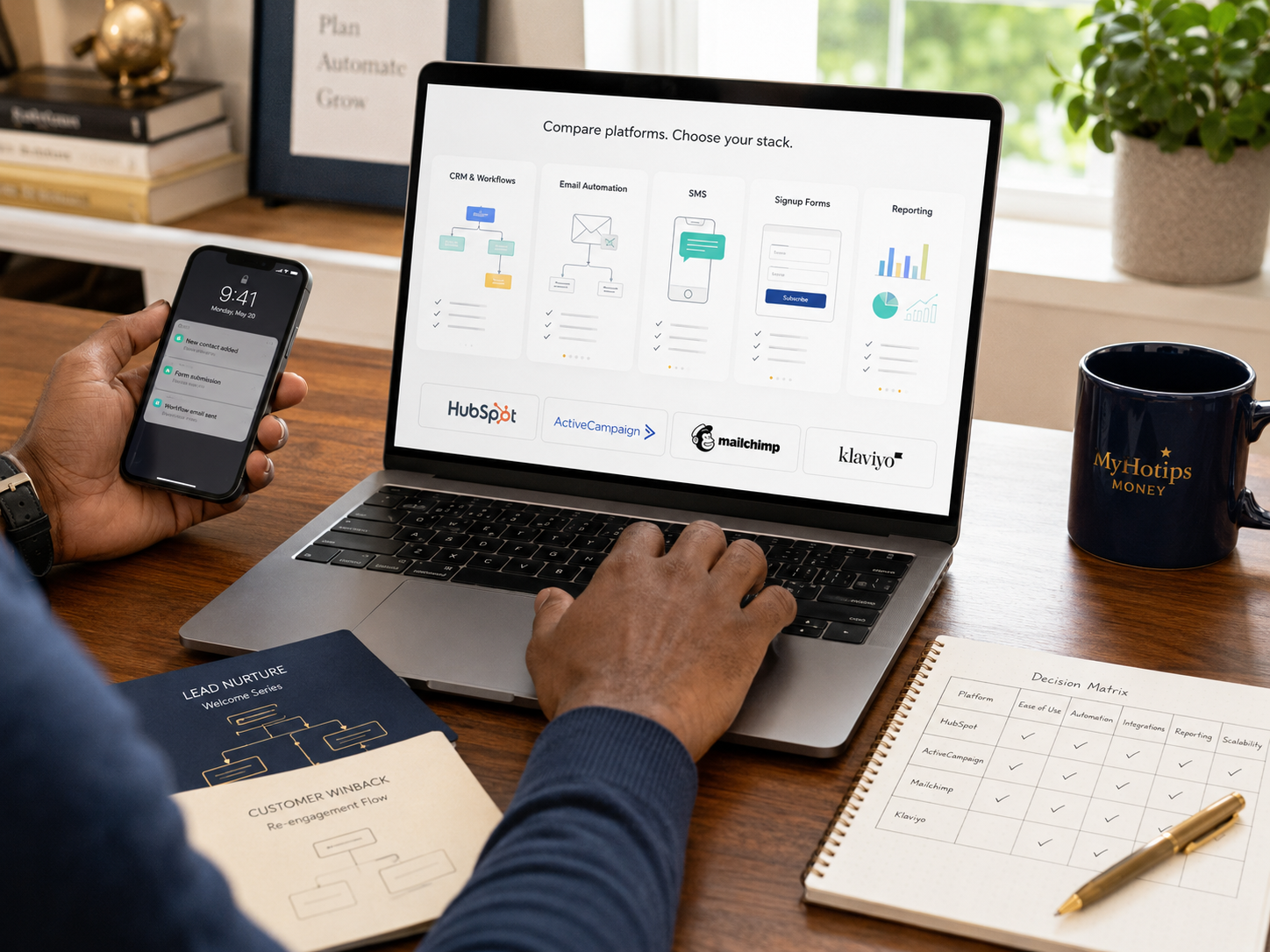
Automated customer journey supporting marketing consistency and growth.
Growth Becomes More Scalable
Manual follow-up works when a business has five leads. It becomes messy when there are fifty, five hundred, or several campaigns running together. Automation helps small teams behave more consistently without needing to personally track every message.

Marketing Automation For Small Businesses
Small businesses often benefit most from automation because time is usually their tightest resource. A founder may be handling customer support, sales, content, admin, product delivery, and marketing before lunch, which is heroic but not always sustainable. A simple welcome sequence, abandoned enquiry follow-up, or lead nurturing workflow can stop interested prospects from being forgotten just because the business owner was busy fixing something else.
Explore more insights: Funnel builders explained
Email Marketing Automation Features That Actually Matter
Welcome Sequences
Welcome sequences help new subscribers understand who you are, why they joined, and what to do next. This matters because people forget quickly. They may have joined your list between making tea, ignoring a notification, and opening seventeen other tabs.
Behaviour-Based Triggers
Behaviour-based automation responds to actions such as link clicks, purchases, downloads, form submissions, page visits, or missed appointments. These triggers make follow-up feel more relevant because messages connect to what the customer actually did.
Segmentation
Segmentation lets businesses group contacts by interest, behaviour, purchase history, source, or engagement level. This helps avoid sending the same message to everyone, which is how good subscribers become tired subscribers with suspiciously fast unsubscribe fingers.
Reporting And Analytics
Useful reporting shows which emails get opened, which links attract clicks, where leads drop off, and which campaigns generate sales. Without reporting, automation becomes expensive guessing with nicer dashboards.
Best Marketing Automation Platforms
HubSpot
HubSpot is best for growing businesses that want CRM, marketing, sales, reporting, automation, forms, landing pages, and customer management inside one connected ecosystem. It is powerful and polished, but costs can rise quickly as contacts, seats, and advanced features increase.

Business platform supporting CRM and automated customer journeys.
Kit
Kit is best for creators, bloggers, newsletter publishers, coaches, and digital product sellers. It focuses on audience growth, subscriber management, email sequences, landing pages, and creator-friendly automation without burying users under enterprise-style complexity.

Audience growth platform supporting newsletters and creator businesses.
ActiveCampaign
ActiveCampaign is best for businesses wanting advanced automation, behavioural triggers, segmentation, lead scoring, and detailed customer journeys. It suits users who want more automation depth than basic email tools provide, although beginners may need time to learn it properly.
Mailchimp
Mailchimp remains a familiar option for small businesses wanting email marketing, basic automation, ecommerce integrations, landing pages, and audience management. It is approachable at the start, but some growing businesses eventually move elsewhere for stronger automation depth.
Systeme.io
Systeme.io is best for budget-conscious businesses wanting funnels, email marketing, automation, course hosting, affiliate management, and digital product sales inside one affordable platform. It is not as polished as HubSpot, but the value is difficult to ignore.
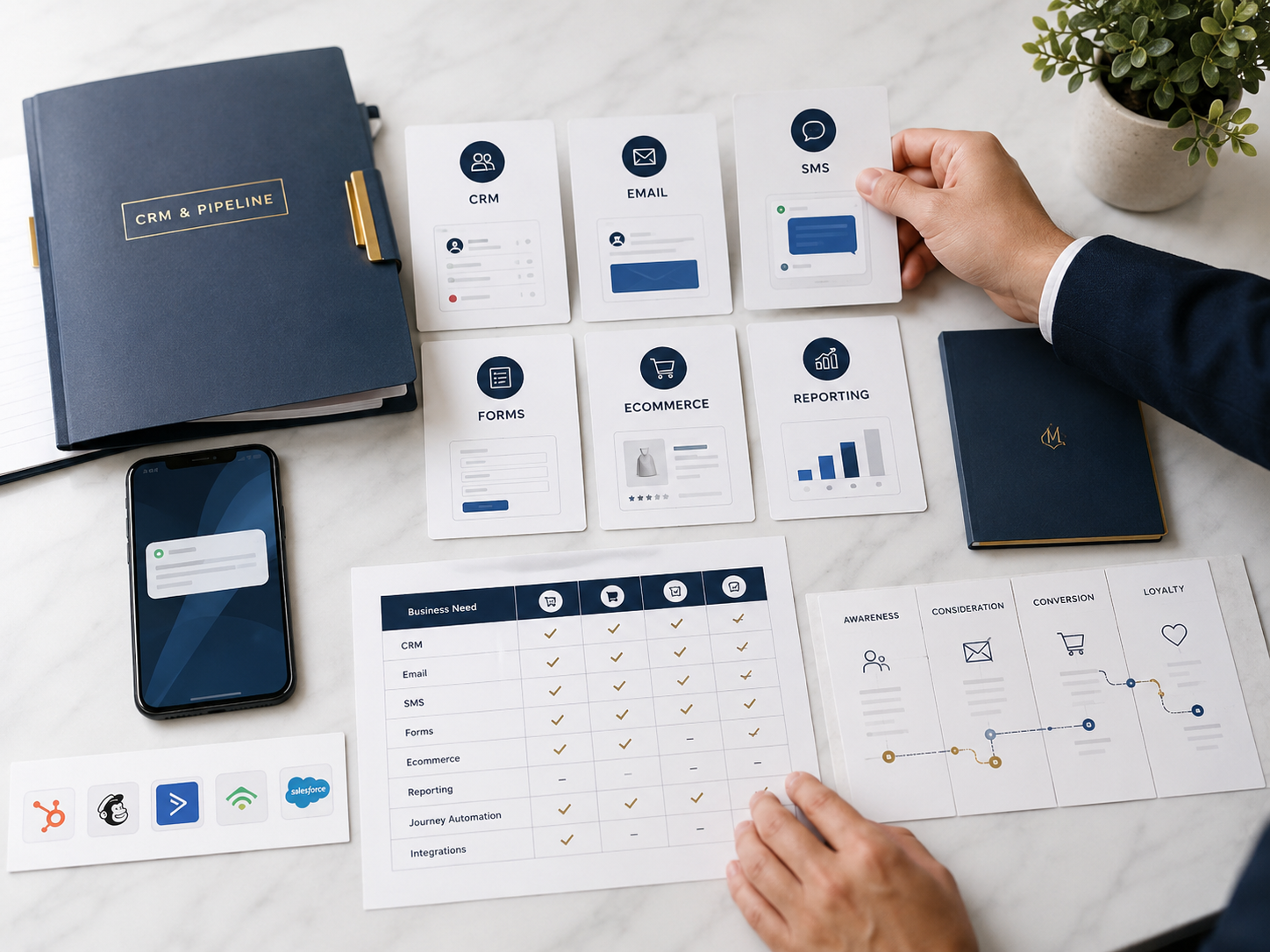
Funnel and marketing platform supporting online business growth.
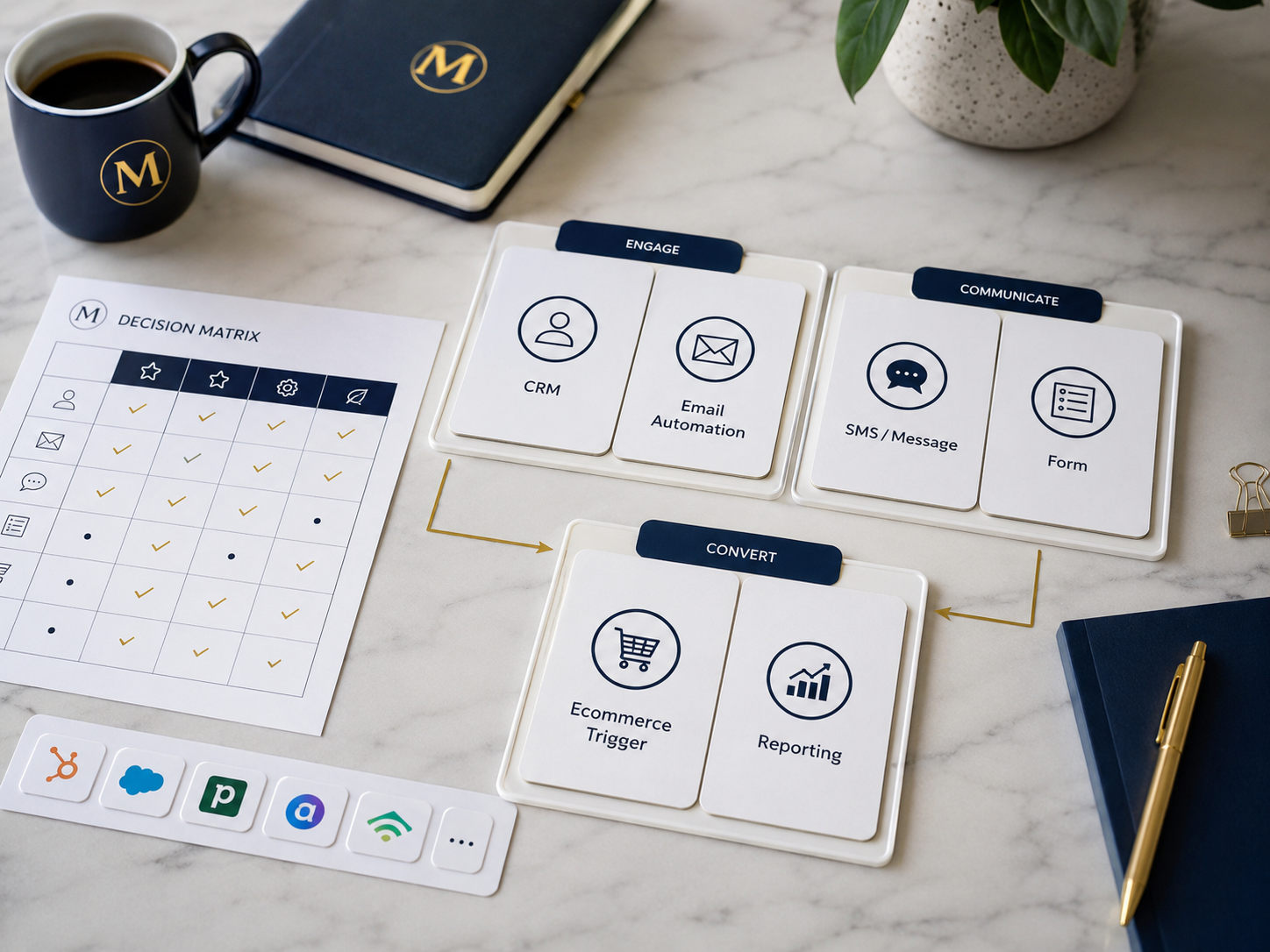

AI And Marketing Automation
AI is making marketing automation faster, but not automatically better. Several platforms now help generate emails, recommend segments, summarise customer activity, build workflows, and analyse campaign results. That can save useful time, especially for small teams, but AI should not replace clear thinking about the customer journey. The best AI features reduce repetitive work without turning the platform into yet another complicated thing nobody wants to maintain.
Frequently read together: HubSpot review
Choosing The Right Platform
Small Businesses Usually Need Simplicity
A small business sending newsletters, welcome emails, and basic follow-up sequences rarely needs enterprise automation. Systeme.io, Mailchimp, or Kit may be more practical than buying a powerful platform that feels like controlling an aircraft.
Growing Teams Need Visibility
Growing teams often need CRM integration, customer history, reporting, lead tracking, and sales visibility. HubSpot becomes attractive when several people need to understand what happened with a lead without asking three colleagues and checking two spreadsheets.
Creators Need Audience Tools
Creators usually care about lead magnets, newsletters, subscriber tagging, digital products, and relationship-building more than complex sales pipelines. Kit is especially strong here because it understands audience-led businesses rather than forcing everyone into a corporate sales model.
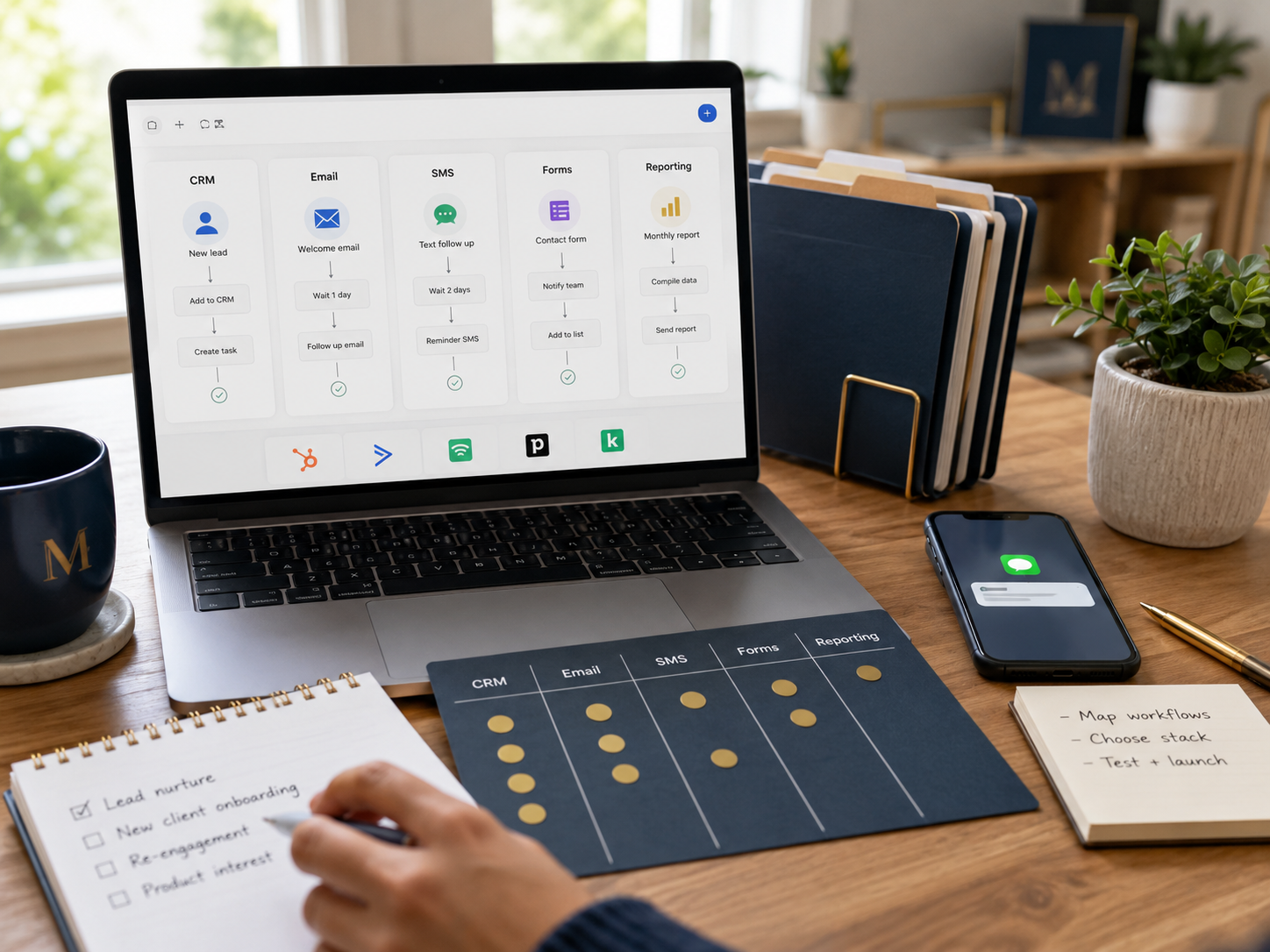
Business workflow supporting software evaluation and growth planning.
Advanced Users Need Flexibility
Businesses with complex funnels, multiple offers, detailed segmentation, and behaviour-based journeys may prefer ActiveCampaign or HubSpot. These platforms require more planning, but they also provide more control once simple automations are no longer enough.

The Best Platform Depends On The Follow-Up Problem
The best marketing automation platform is not always the one with the longest feature list. It is the one that solves the follow-up problem your business actually has. A creator selling digital products needs different tools from a local service business managing leads, and both need something different from a growing team tracking sales conversations. Buying too much software too early is how dashboards become expensive furniture.
Pros And Cons Of Marketing Automation Platforms
Pros
Cons
FAQs
What is a marketing automation platform?
A marketing automation platform helps businesses manage emails, customer journeys, lead nurturing, segmentation, behaviour-based follow-up, and reporting without manually handling every interaction.
Which marketing automation platform is best for small businesses?
Systeme.io, Kit, and Mailchimp often suit smaller businesses because they balance usability, affordability, and practical automation features without overwhelming beginners.
What is the difference between email marketing and marketing automation?
Email marketing focuses mainly on sending campaigns. Marketing automation uses triggers, segments, workflows, and customer behaviour to send more relevant follow-up automatically.
Is marketing automation worth it for beginners?
Yes, if it starts simple. A basic welcome sequence, lead magnet follow-up, or abandoned enquiry workflow can save time and improve consistency without needing a complicated setup.
What are the best marketing automation platforms today?
HubSpot, Kit, ActiveCampaign, Mailchimp, and Systeme.io are strong options, but the best choice depends on business size, budget, technical confidence, and customer journey complexity.
Final Verdict
Marketing automation matters because most businesses lose opportunities through poor follow-up, not poor ideas. HubSpot is best for growing teams needing CRM visibility, ActiveCampaign suits advanced automation, Kit works beautifully for creators, Mailchimp remains familiar for smaller businesses, and Systeme.io offers excellent value for funnels and digital products. The smartest choice is the platform that helps a business consistently follow up with people already showing interest without creating another complicated system to babysit.


