


Host a Virtual Halloween Party: Audio,…

20 Minimalist Halloween Nail Ideas for…

Can Free Affinity Help You Build…

12 Lower-Sugar Halloween Treat Swaps Worth…

Can Hostinger AI Builder Launch a…

A 5-Step Screen-Free Autumn Reading Ritual…

Plug-In Solar Panels UK: Are They…

15 Last-Minute Zoom Halloween Costumes for…

Meta One Explained: Is the Subscription…

10 Low-Fuss Dog Halloween Ideas: Comfort…

Plaud One Explained: Can AI Earbuds…

9 Gothic Dinner Table Ideas for…

Namecheap vs Dynadot

7 UK Ghost Tours and How…

Convertkit Vs Beehiiv

Do You Really Need a £420…

Bluehost vs Siteground

15 Gentle Spooky Autumn Books to…

Namecheap review

How to Remove Halloween Face Paint…
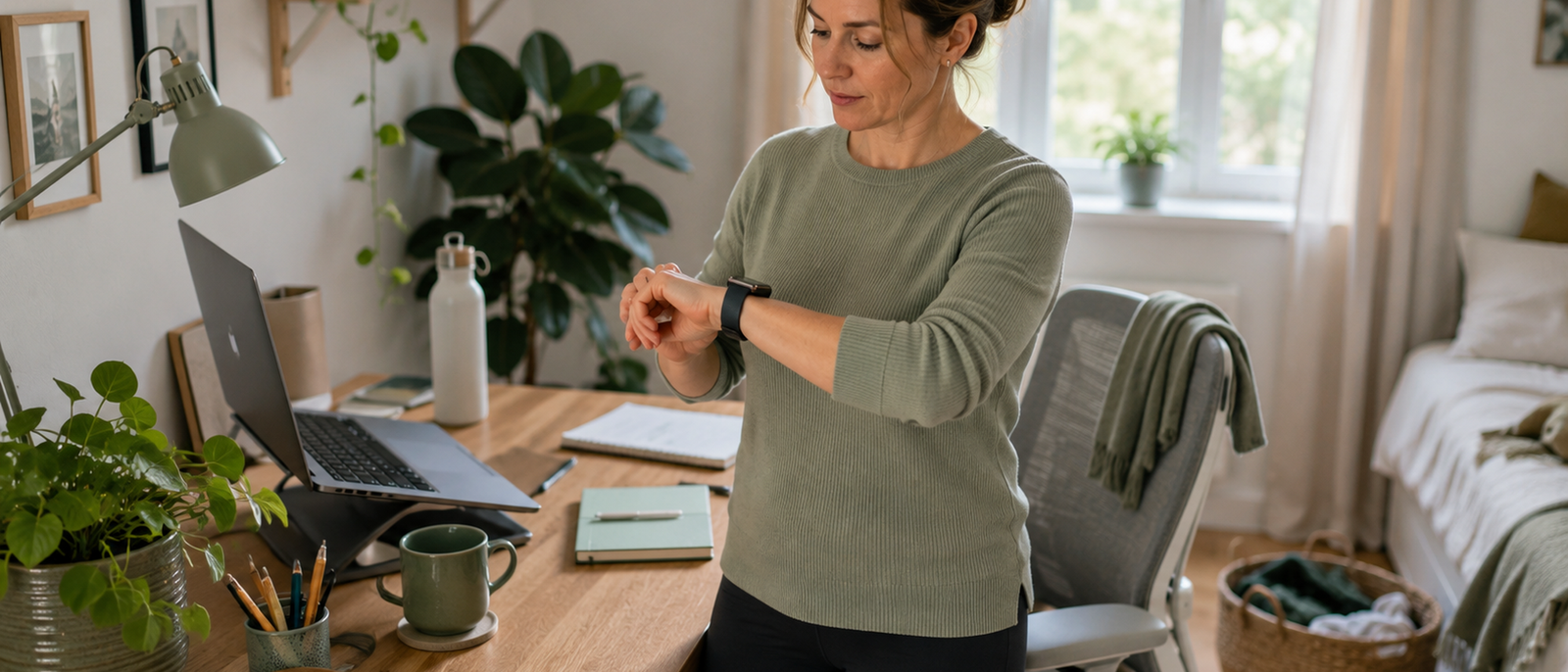
A smart watch can be useful when it helps you notice long sitting, missed movement breaks and patterns in your workday. For desk workers, movement tracking is not really about chasing perfect rings, badges or step streaks. It is about noticing when the day has quietly turned into six hours of sitting, typing and promising you will move “after this one thing.” Smart watch movement tracking helps most when it turns movement into small repeatable choices, not another reason to feel behind.
Movement tracking makes sitting visible
Stand reminders can help some people
Step goals should stay realistic
Apple Watch suits iPhone users
Samsung suits Android users
Garmin and Fitbit feel more fitness-led
WHOOP focuses more on recovery patterns
Most Relevant Audience
This guide is for remote workers, home workers, freelancers, bloggers, creators, side hustlers, parents, carers and small business owners who sit for long stretches and want to move more without turning daily activity into a guilt spreadsheet.
It is especially useful if your workday regularly disappears into calls, writing, admin, school logistics, client messages and the sudden realisation that your watch is the only thing brave enough to mention legs.
Choose Movement Tracking By The Problem
If you forget to stand
Choose a smartwatch with clear stand, movement or inactivity reminders. Apple Watch Series 11 and Samsung Galaxy Watch8 are useful if you want gentle prompts through the day.
This helps when sitting is not a deliberate choice but a side effect of deep work, calls and inbox gravity. The reminder should interrupt the pattern, not make you feel like you have failed at having knees.
If steps motivate you
Choose a device that makes step counts easy to see without becoming obsessive. Fitbit Charge 6 and Garmin Venu 4 are strong options for people who like fitness-first tracking.
Step goals work best when they are realistic for your actual day. A target that fits a calm weekend may not fit a Wednesday full of meetings, deadlines and someone needing a form printed immediately.
If you want an all-round watch
Choose Apple Watch Series 11 if you use an iPhone and want movement tracking alongside notifications, workouts, health features, apps and everyday convenience.
Choose Samsung Galaxy Watch8 if you use Android, especially Samsung devices, and want similar smartwatch support. Check current compatibility, feature availability and pricing before buying. A watch that fights your phone is not wellness. It is admin with Bluetooth.
If you want fitness-first tracking
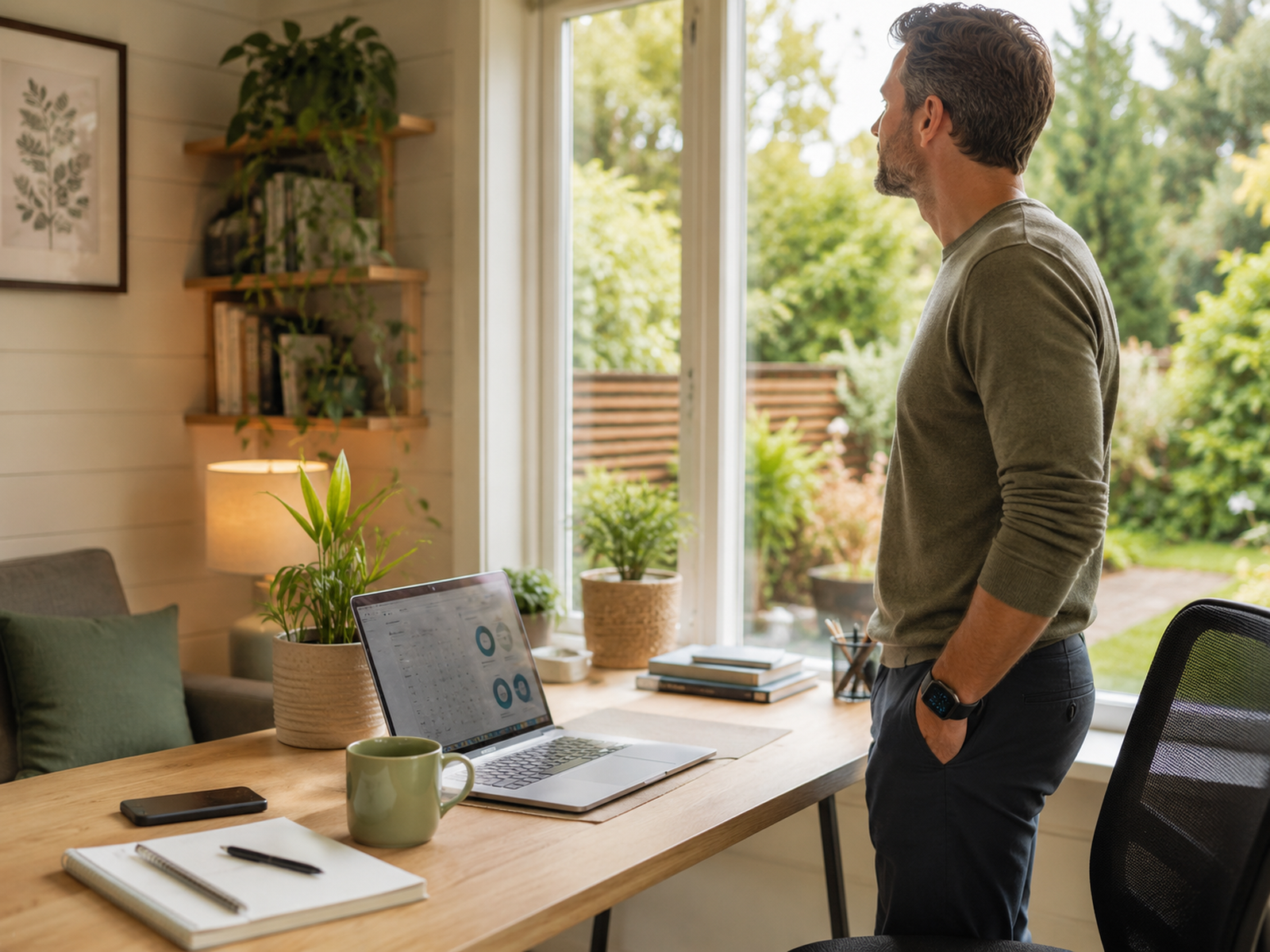
Choose Garmin Venu 4 if you want a more fitness-led watch with movement, workouts, body metrics and wellness tracking without feeling quite as phone-like.
This suits people who want activity support but do not want every message, alert and tiny digital tap following them around all day. Less noise can be a feature.
If you want simple tracking
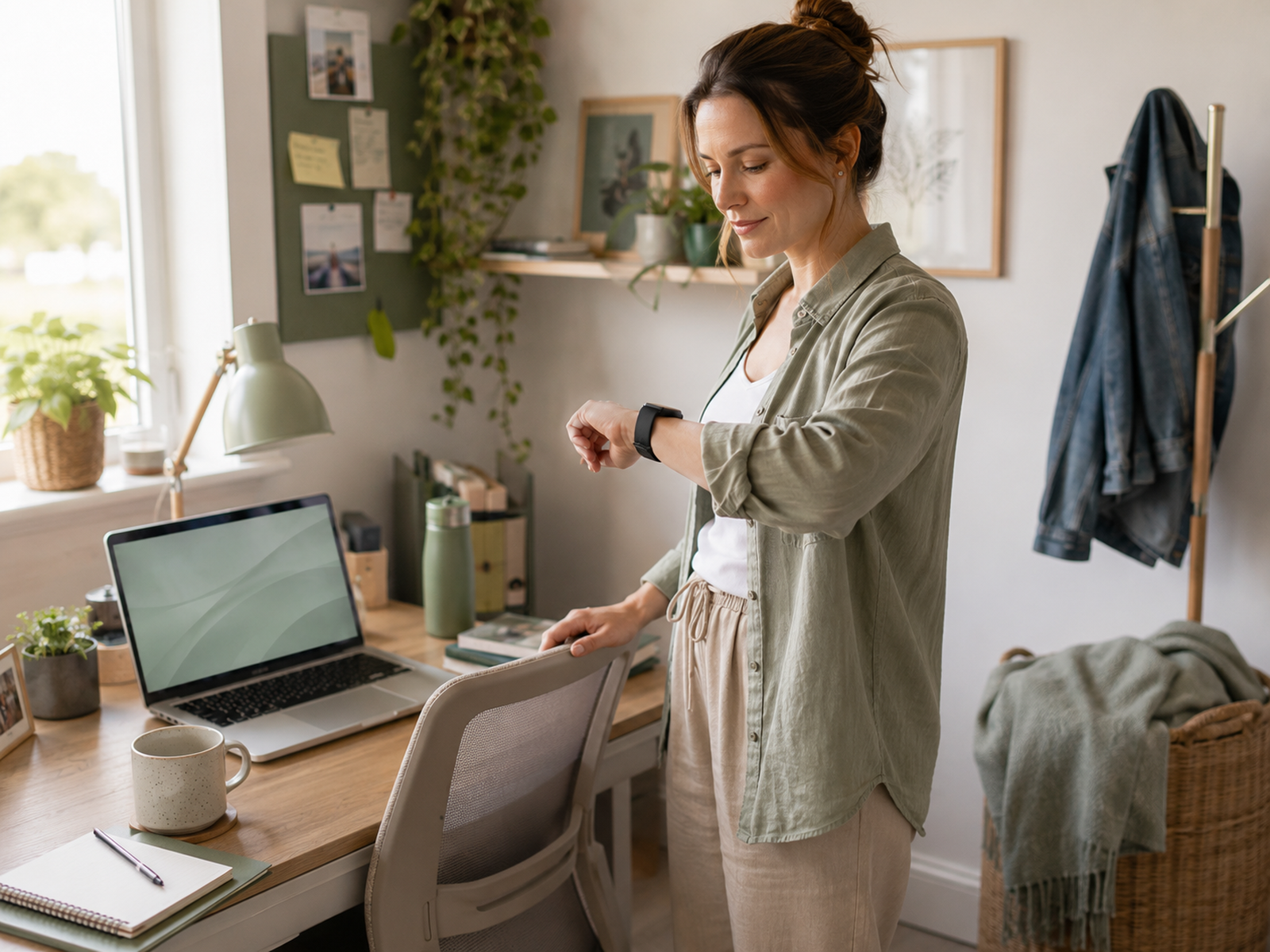
Choose Fitbit Charge 6 if you want a smaller tracker focused on steps, movement, heart-rate trends and everyday activity without buying a full smartwatch.
It suits people who want practical prompts rather than a wrist computer. Check screen size, subscription features, battery expectations and whether the simpler format gives you enough feedback.
If recovery matters more than steps
Choose WHOOP 5.0 if you care more about strain, sleep and recovery patterns than step counts or smartwatch convenience.
WHOOP is best for active users who want to understand how movement, workouts and rest interact. It is less useful if your main need is a clear “stand up now” reminder or a visible step goal.
Movement data is useful when it leads to action: stand for two minutes, walk after a call, stretch before lunch, take the stairs, or break up a long sitting block. If the watch only records that you sat still all day, it has become a very accurate witness.
Smart Watch Movement Tracking Options Reviewed
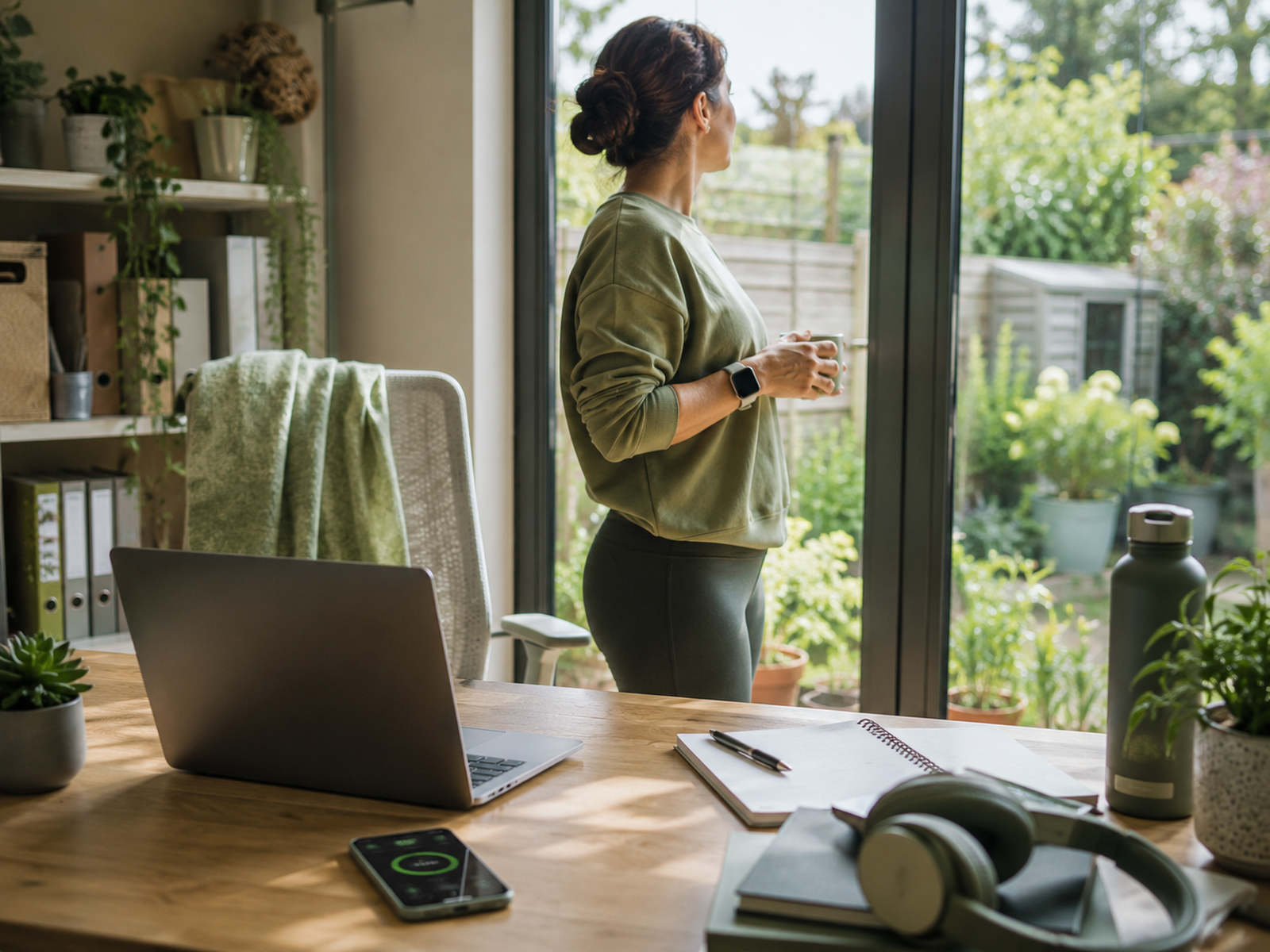
What Movement Tracking Actually Measures
Steps
Steps are the simplest movement signal. They help you see whether the day included enough walking or whether your body mainly travelled between chair, kitchen and chair again.
Step counts are useful, but not perfect. They do not capture every kind of movement, strength work, stretching or physical effort. Use them as a nudge, not a full report on your worth.
Stand or inactivity reminders
Stand reminders are designed to break up long sitting blocks. They can be useful for desk workers who lose time in calls, spreadsheets or writing sessions.
The reminder works only if you treat it as a small interruption, not a judgement. Stand, walk to the kitchen, stretch, refill water or look out of the window like a person with a spine and options.
Activity rings and goals
Activity rings, badges and daily goals can be motivating when they feel achievable. They make movement visible and can turn small actions into a pattern.
They become less useful when they create guilt. If you feel stressed by rings, adjust targets, reduce alerts or stop using that view. The device should support movement, not become a tiny scoreboard of disappointment.
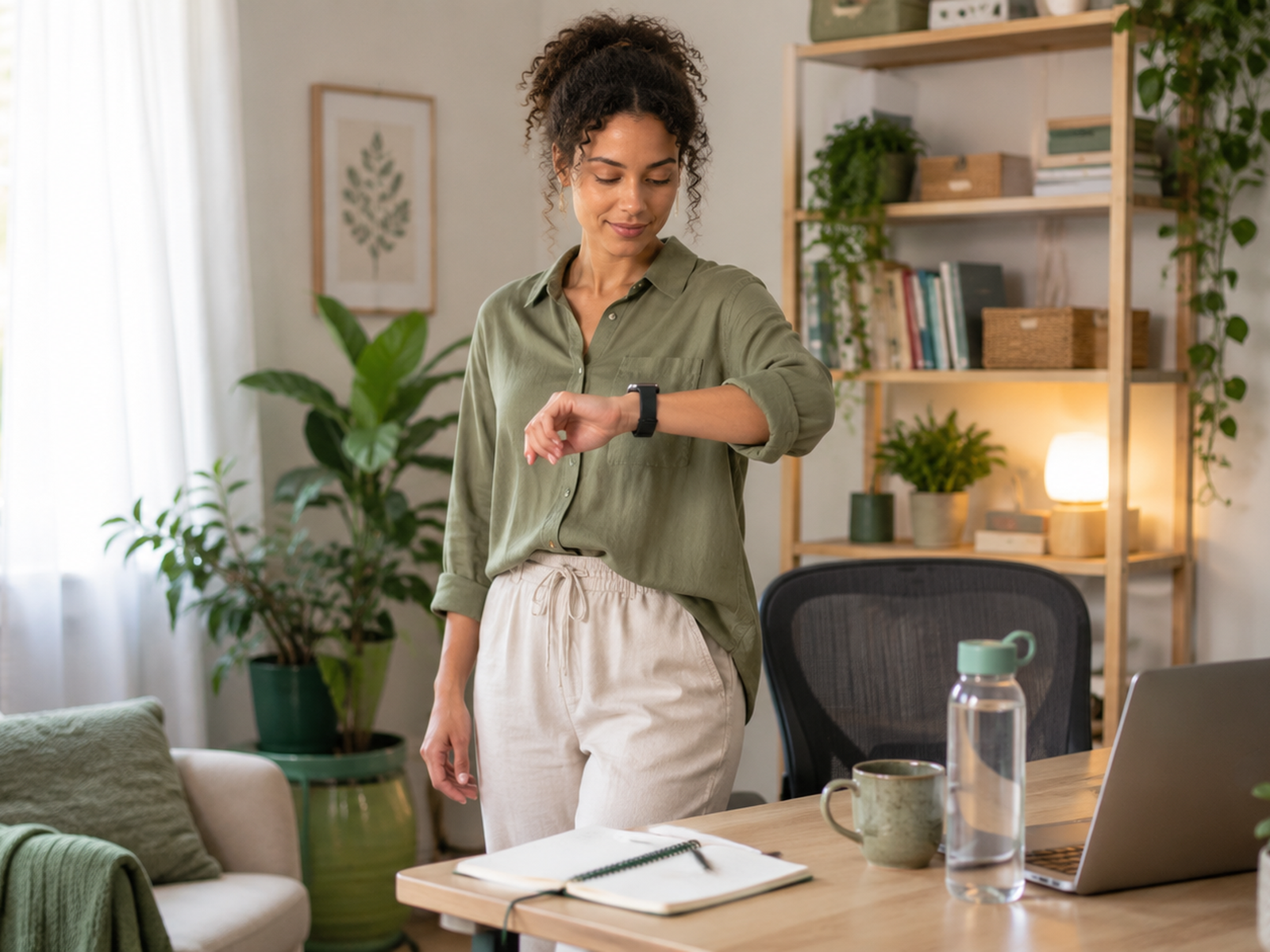
Workouts and active minutes
Workouts and active minutes help when you want more structured movement than step counting. Walks, cycling, strength training, yoga or short exercise sessions can all count.
This is useful if you need reminders that movement does not have to be one big workout. A short walk after lunch can still be a genuine health-supporting choice.
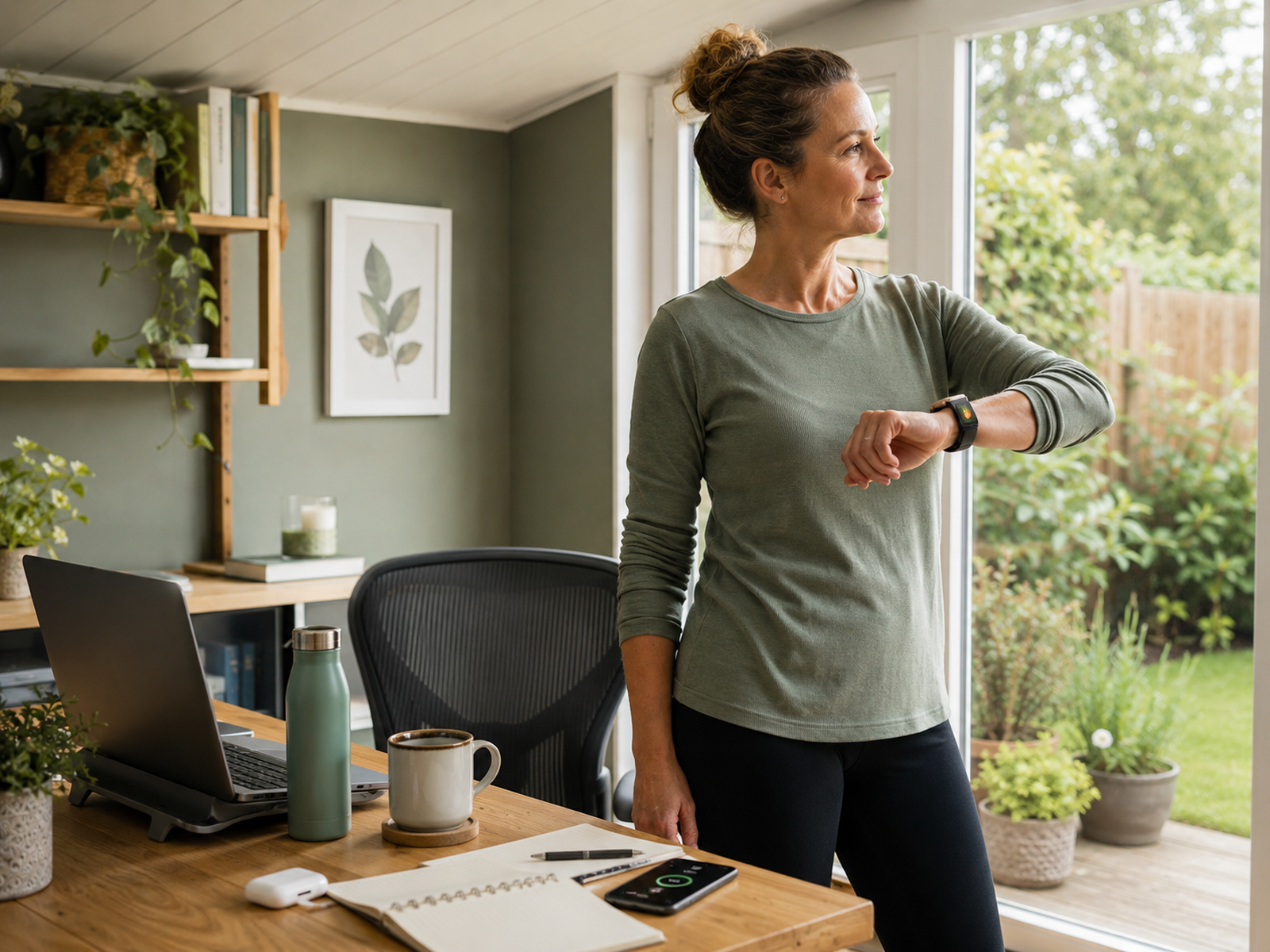
When Movement Tracking Helps
When sitting happens by accident
Movement tracking helps when your long sitting is not intentional. Many home workers sit too long because work expands, calls run over and lunch quietly disappears.
A reminder can create enough friction to interrupt that pattern. It does not need to be dramatic. Two minutes away from the chair is still better than another hour of pretending your legs are decorative.
When goals are realistic
Movement tracking works better when goals match your real life. A parent, carer, freelancer or small business owner may have very different days from someone with a predictable gym routine.
Set goals that encourage progress without creating pressure. The aim is more movement, not a daily court case where your watch presents evidence.
When patterns become visible
A watch can show patterns you might miss. Maybe you move less on meeting-heavy days. Maybe afternoon walks help energy. Maybe poor sleep makes movement feel harder.
That kind of pattern can help you adjust the workday. The win is not knowing more. The win is doing one useful thing with what you notice.
When reminders stay kind
Movement prompts are most helpful when they feel like support. Stand up. Stretch. Walk for three minutes. Take the stairs. Reset your posture.
If reminders start feeling irritating or shaming, change them. A helpful nudge can become background noise if it arrives too often or at the wrong time.
When Movement Tracking Becomes Annoying
When every alert feels like criticism
If every alert makes you feel behind, the settings need changing. The problem may not be your motivation. It may be too many reminders, unrealistic goals or a device that does not match your day.
Lower the targets, reduce notifications or choose a calmer tracker. Wellness should not feel like being heckled by jewellery.
When steps become the only goal
Step counts are useful, but they are not the whole movement story. Stretching, strength training, mobility work, housework, cycling and active breaks may matter too.
Do not let one number decide whether the day “counts.” A smart watch should widen awareness, not shrink movement into one scoreboard.
When the watch interrupts deep work too often
Movement reminders can help, but badly timed alerts can break focus. If you are in deep work, a call or a caring moment, the reminder may be more annoying than useful.
Adjust schedules if possible. Use reminders around natural transitions: after calls, before lunch, between tasks or before the afternoon slump begins.
When streaks create pressure
Streaks can be motivating until they become fragile. One busy, sick or difficult day should not make you feel as if the whole habit has collapsed.
Use streaks lightly. Movement is a relationship with your body, not a contract with a graphic.
When tracking replaces actual breaks
A watch can tell you to move, but it cannot create a proper break for you. If your workload is unrealistic, movement tracking may only highlight a bigger problem.
Use the data as a signal. If you never have time to stand, walk or eat lunch, the issue may be workload, boundaries or support, not the watch.
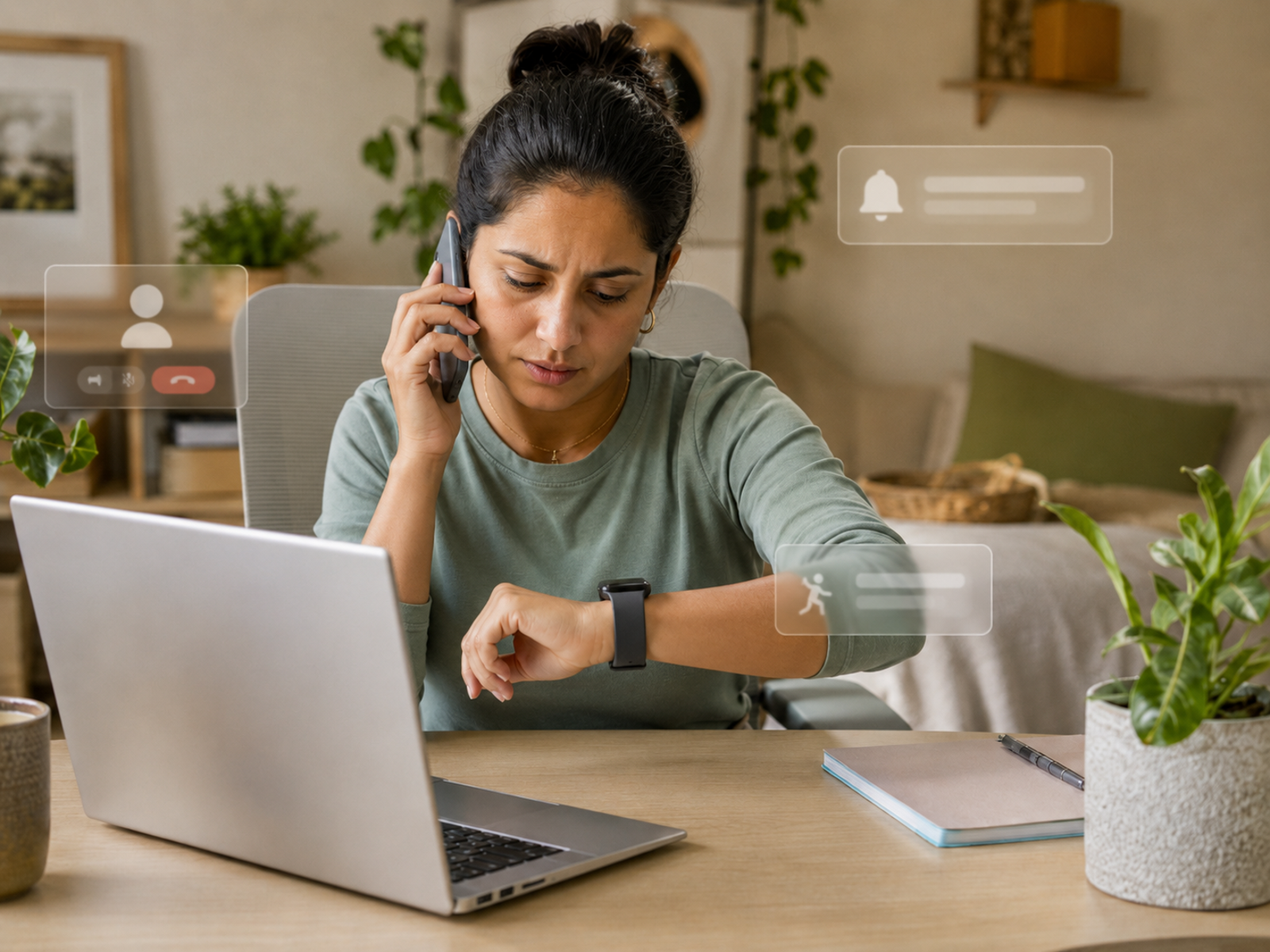
How To Use A Smart Watch Without Obsessing
Set a realistic baseline
Start by noticing your current movement rather than chasing an ideal target. Track a normal week and look for small opportunities.
Then set a goal that feels slightly better, not wildly heroic. A realistic goal you repeat is more useful than a perfect goal you abandon by Thursday.
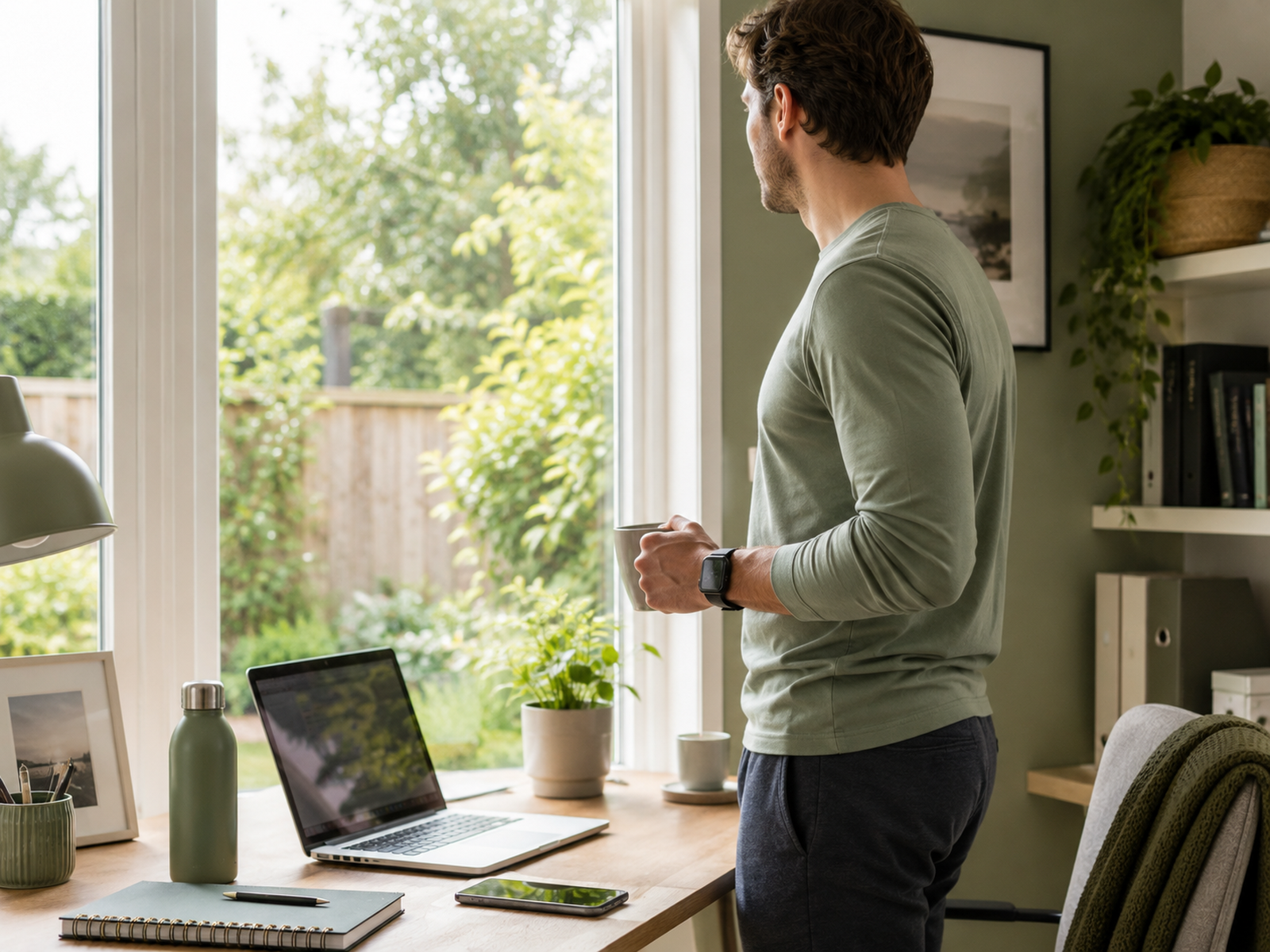
Choose fewer notifications
Turn on the reminders that genuinely help and switch off the ones that create noise. You may only need stand reminders, walk prompts or workout nudges.
More alerts do not equal more wellness. Sometimes the best setting is the one that lets the watch help quietly.
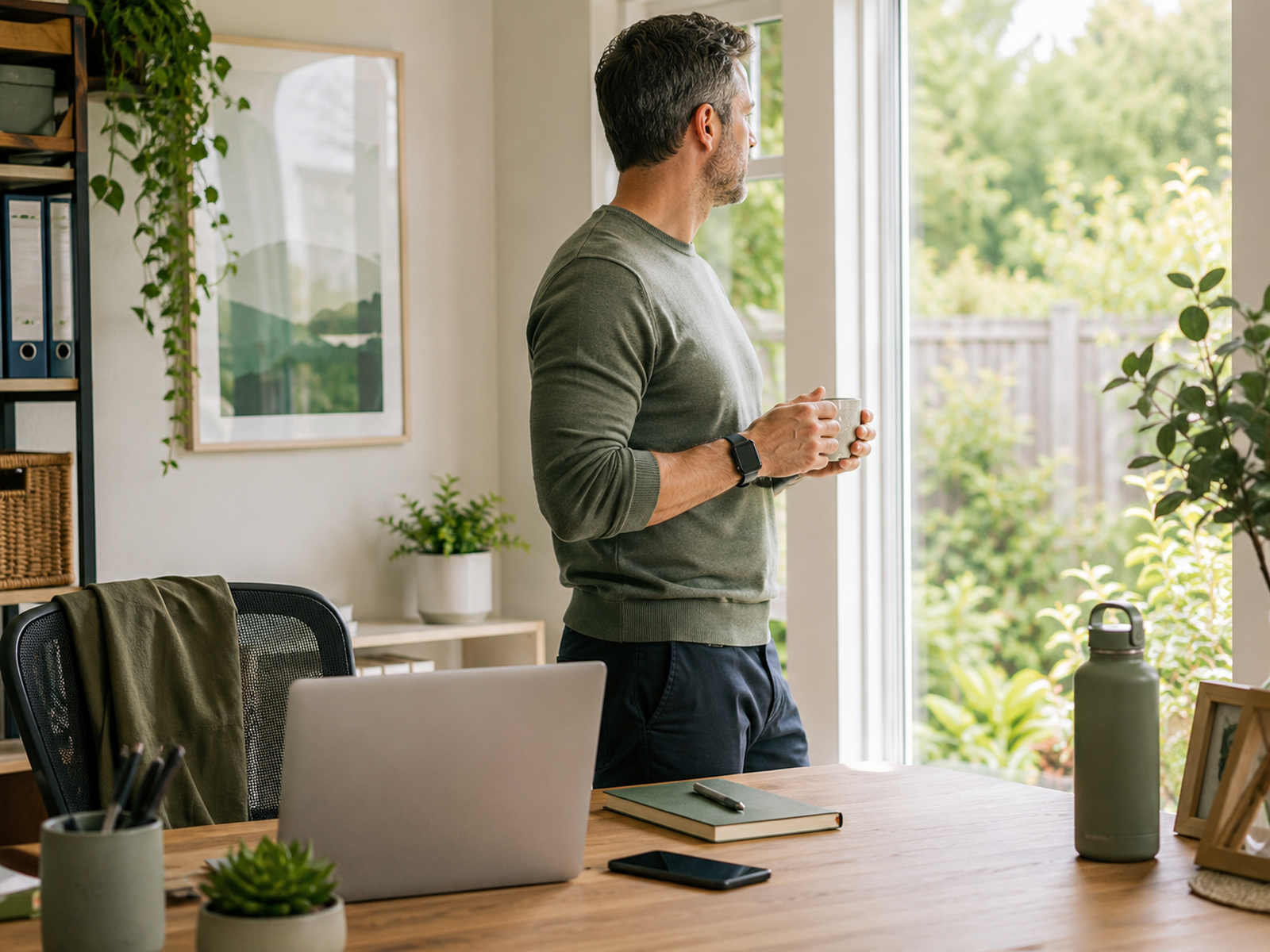
Use movement breaks as transitions
Pair movement with moments that already happen: after a call, before lunch, after school pickup, between writing blocks or before reopening the laptop in the evening.
This makes movement less dependent on motivation. The watch reminds you, but the routine carries the habit.
Treat data as feedback
Data should help you ask useful questions. Why were steps low today? What made yesterday easier? Did a short walk help the afternoon?
Do not use numbers as a character judgement. Your watch is giving feedback, not issuing a moral verdict on your Thursday.
FAQ
Do smart watches help you move more?
Smart watches can help some people move more by making sitting patterns visible and sending reminders to stand, walk or exercise.
They work best when the reminders lead to small actions. They are less helpful if you ignore every alert or feel guilty every time the watch notices a low-movement day.
Are step goals useful for desk workers?
Step goals can be useful for desk workers because they make daily movement easier to notice. They can encourage short walks, active breaks and more movement between work blocks.
They should be realistic. A goal that feels impossible may create pressure rather than helpful motivation.
Which smart watch is best for movement tracking?
Apple Watch Series 11 is a strong all-round option for iPhone users. Samsung Galaxy Watch8 is a strong option for Android users. Garmin Venu 4 suits fitness-first tracking, while Fitbit Charge 6 is a simpler activity tracker.
WHOOP 5.0 is better for recovery and strain patterns than basic step-focused movement tracking.
Is a fitness tracker better than a smart watch?
A fitness tracker may be better if you want simple movement prompts, step tracking and fewer phone-like distractions. Fitbit Charge 6 is a good example of this style.
A smartwatch may be better if you want broader features, apps, calls, notifications, workouts and health tools in one device.
Can movement reminders reduce sitting time?
Movement reminders can help reduce sitting time if you respond to them with small breaks: standing, walking, stretching or changing position.
They are not magic. They work best when paired with realistic routines, workload boundaries and a willingness to interrupt long sitting blocks.
How do I stop activity tracking becoming stressful?
Lower your goals, reduce notifications, ignore unnecessary badges and treat the data as feedback rather than judgement.
Choose the device and settings that support your real life. Movement tracking should help you move more often, not make every step feel like evidence in a personal productivity trial.
Final Verdict
Smart watches movement tracking can help desk workers when it turns invisible sitting into small repeatable actions. Apple Watch Series 11 suits iPhone users, Samsung Galaxy Watch8 suits Android users, Garmin Venu 4 feels more fitness-first, Fitbit Charge 6 keeps tracking simpler, and WHOOP 5.0 is better for recovery-focused users.
The best device is not the one with the most badges. It is the one that helps you stand, walk, stretch and notice patterns without turning everyday movement into another thing to feel behind on.


