



Host a Virtual Halloween Party: Audio,…

20 Minimalist Halloween Nail Ideas for…

Can Free Affinity Help You Build…

12 Lower-Sugar Halloween Treat Swaps Worth…

Can Hostinger AI Builder Launch a…

A 5-Step Screen-Free Autumn Reading Ritual…

Plug-In Solar Panels UK: Are They…

15 Last-Minute Zoom Halloween Costumes for…

Meta One Explained: Is the Subscription…

10 Low-Fuss Dog Halloween Ideas: Comfort…

Plaud One Explained: Can AI Earbuds…

9 Gothic Dinner Table Ideas for…

Namecheap vs Dynadot

7 UK Ghost Tours and How…

Convertkit Vs Beehiiv

Do You Really Need a £420…

Bluehost vs Siteground

15 Gentle Spooky Autumn Books to…

Namecheap review

How to Remove Halloween Face Paint…
Daily supplement brands are very good at making tired people feel one scoop away from having a more organised, nourished and energetic routine. But are daily supplement brands worth it, or are we mostly paying for branding, subscriptions and expensive green powder? The honest answer depends on need, formulation, transparency, cost and whether the product solves a real problem. A supplement can be useful. It can also become a monthly direct debit for health theatre.
Supplements should solve a need
Greens powders vary widely
More ingredients is not always better
Dose transparency matters
Testing and safety matter
Convenience has a price
Food habits still count

Most Relevant Audience
This guide is for remote workers, home workers, freelancers, bloggers, creators, side hustlers, parents, carers and small business owners who keep seeing daily supplement brands everywhere.
It is especially useful if you are considering greens powders, vitamin stacks, wellness blends, gummies, capsules or all-in-one drinks, but want to know what is useful, what is marketing and what may not deserve a permanent place in the kitchen.
Why Daily Supplement Brands Feel So Tempting
They promise fewer decisions
A daily blend feels appealing because it seems to simplify wellness.
Instead of thinking separately about food, vitamins, minerals, hydration, fibre, energy and routine, you take one scoop or capsule. That convenience can be useful, but it can also hide whether the product matches your actual needs.
They speak to tired people
Many supplement brands target people who feel busy, depleted or inconsistent.
That includes home workers who skip lunch, forget water, sit too long, overdo caffeine and then wonder why the afternoon feels rude. A supplement may help some gaps, but it should not be used to decorate a broken routine.
They make broad claims feel simple
All-in-one products often suggest wide support: energy, immunity, digestion, focus, skin, stress, greens and general wellbeing.
The problem is that broad promises can be hard to judge. A long ingredient list does not automatically mean meaningful amounts, suitable doses or the right choice for your body.
They turn habits into subscriptions
A subscription can support consistency, but it can also make spending feel automatic.
Before committing, check the price per serving, delivery frequency, cancellation terms and whether you would still buy the product if it arrived in plain packaging with no lifestyle glow attached.
They feel easier than food changes
It can feel easier to buy a daily supplement than to improve breakfast, lunch, protein, fibre, sleep, water or meal planning.
That does not make supplements bad. It just means the product should earn its place by solving a real, specific problem better than cheaper basics.
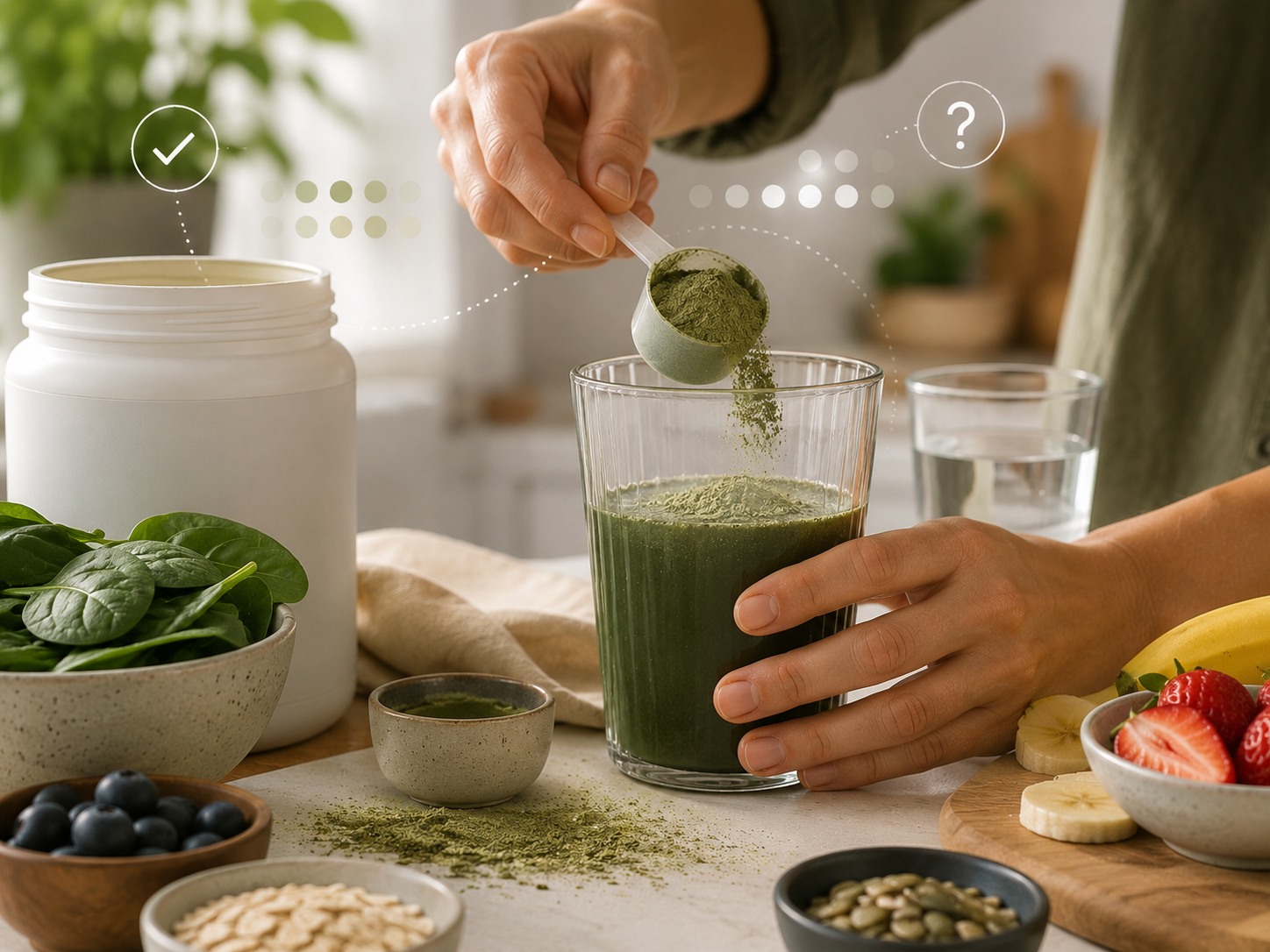
This guide is about supplement-brand value: whether premium greens powders, daily blends and subscription wellness products justify their price. It is not a full guide to every vitamin, mineral or energy claim. The key question here is whether the brand gives you useful formulation, transparency, testing and convenience, or mostly premium packaging with a persuasive scoop.
What “All-In-One” Supplements Usually Promise
Convenience
Convenience is the biggest real benefit of many daily supplement brands.
A greens powder or daily blend is easy to repeat, especially for busy people. That matters if the alternative is doing nothing. But convenience alone does not prove value.
Ingredient variety
Some brands highlight long ingredient lists, superfoods, botanicals, vitamins, minerals, probiotics or adaptogens.
Ingredient variety can sound impressive, but more ingredients can also make it harder to judge dose, suitability and possible interactions. Simple can sometimes be better.
A daily wellness ritual
Many products sell the feeling of a clean daily habit.
That can be motivating, especially if it helps you start the day with more structure. Still, ask whether the ritual is improving your routine or mainly making you feel reassured.
Nutritional backup
Some daily supplements may help people cover specific gaps, depending on diet, lifestyle and health needs.
That does not mean everyone needs them. Too much of certain vitamins or minerals can be a problem, and some herbal or botanical ingredients may not suit everyone.
Better energy by association
Many people buy supplements because they feel tired.
But tiredness can come from sleep, stress, food, hydration, workload, caffeine habits, medical issues or sitting all day. A brand should not be your first explanation for every dip in energy.


Daily Supplement Brands Worth Comparing
A long label can look impressive, but value comes from suitability, transparency and useful dosing. If a product contains dozens of ingredients but leaves you unsure what you are taking, why you need it or whether it overlaps with other supplements, pause before subscribing.
Greens Powders vs Basic Vitamins
Greens powders
Greens powders are often bought for convenience, habit and the feeling of nutritional backup.
They may suit people who want an easy daily ritual, but they should not be treated as a vegetable replacement or a cure for a poor routine. Food still matters.
Basic vitamins and minerals
Basic supplements can be more sensible when you know the specific gap you are trying to address.
For example, a targeted vitamin or mineral may be more logical than a broad blend if the need is clear. Avoid guessing, especially with nutrients where taking too much can be harmful.
Premium supplement brands
Premium brands can be worth considering if they offer better transparency, testing, formulation quality or specialist guidance.
They are less convincing when the main difference is packaging, influencer presence or a subscription that quietly becomes part of your rent.
Mainstream retailers
Mainstream retailers can help you compare price, format and ingredient lists without the pressure of one brand’s ecosystem.
They are useful for sense-checking. If a premium product costs far more, ask what the extra money is buying.
Food-first basics
Supplements sit on top of ordinary habits, not instead of them.
If breakfast is skipped, lunch is random, sleep is poor and water is a rumour, start there too. A supplement may support a routine, but it should not be asked to rescue the whole workday.
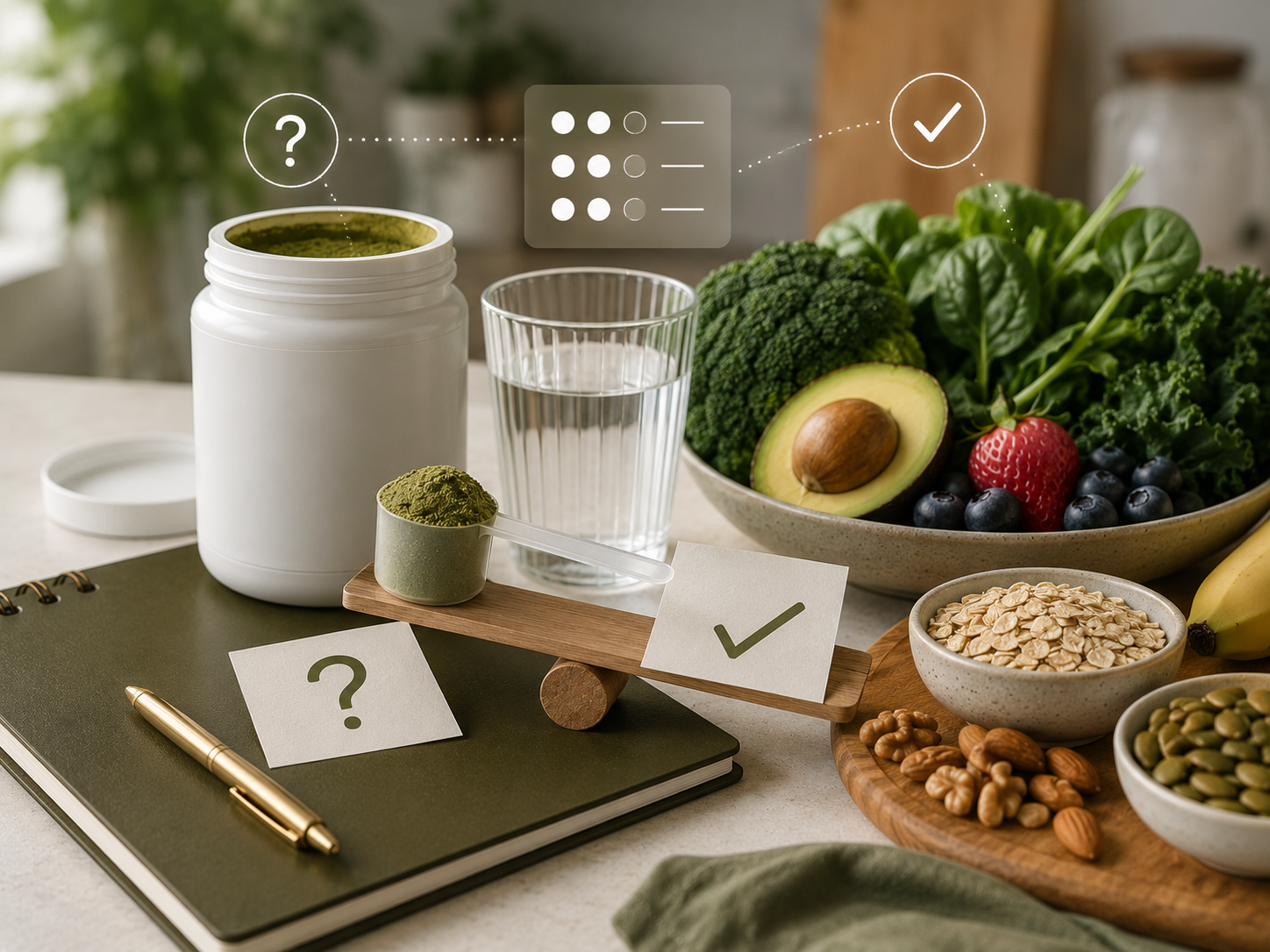
What To Check Before Paying Premium Prices
The actual problem
Name the reason you are buying before choosing a product.
Are you trying to cover a known nutrient gap, build a simple routine, replace poor snack habits, support energy or feel more in control? Different problems need different answers.
Dose transparency
Check whether the label clearly shows ingredient amounts.
A product can sound impressive while using tiny amounts of many ingredients. Transparency helps you understand what you are paying for.
Safety and suitability
This guide is for buying judgement, not medical advice.
If you take medication, have a health condition, are pregnant or breastfeeding, or have persistent symptoms, check suitability with a qualified professional before starting a daily supplement.
Testing and quality signals
Look for clear information about quality control, testing and manufacturing standards.
This matters more with complex blends, herbal ingredients and products you plan to take daily. Trust should come from evidence and transparency, not only branding.
Price per serving
Monthly cost matters.
Work out the price per serving and compare it with simpler alternatives. A supplement you take every day should justify the repeat cost, especially if it competes with food, sleep, movement or other basics for your budget.
Current product details
Supplement formulas, serving sizes, prices, testing claims and subscription terms can change.
Before buying, check the current label, serving instructions, cancellation terms and whether the product duplicates anything else you already take.
When A Supplement Brand Is Probably Not Worth It
You cannot explain why you need it
If the reason is “I keep seeing it everywhere,” pause.
A supplement should solve a real need. Marketing familiarity is not the same as usefulness.
It duplicates what you already take
Many blends include vitamins, minerals or botanicals that may overlap with other supplements.
Doubling up can be unnecessary or risky depending on the ingredient. Check labels carefully before stacking products.
It makes dramatic lifestyle promises
Be cautious with products that imply one scoop can fix energy, focus, mood, skin, digestion, stress and productivity all at once.
Wellbeing is rarely that tidy. Big promises deserve more scrutiny, not more money.
The subscription feels unclear
A good product should make pricing, serving cost and cancellation easy to understand.
If the subscription feels harder to stop than start, step back. A daily wellness habit should feel supportive, not quietly pressurised.
Cheaper basics would solve the problem
Sometimes the answer is a targeted supplement, better meals, more protein, water, sleep, movement or a proper break.
A premium brand is not worth it if a simpler habit or cheaper product solves the same issue.

FAQ
Are daily supplement brands worth it?
Daily supplement brands can be worth it if they solve a real need, fit your budget and offer clear ingredient, dose and quality information.
They are less convincing when you are mainly paying for branding, vague promises or convenience you do not truly need.
Are greens powders actually useful?
Greens powders can be useful for convenience and routine, especially if they help someone add a consistent daily habit.
They should not be treated as a replacement for vegetables, meals or medical advice. Check ingredients, dose, cost and suitability before buying.
Is AG1 worth the money?
AG1 may be worth considering if you value a premium all-in-one greens powder and will use it consistently.
It is expensive compared with many alternatives, so question whether you need its broad formulation specifically or whether a simpler product would meet your needs.
Is Huel Daily Greens better than cheaper supplements?
Huel Daily Greens may appeal if you want a broad daily greens blend from a well-known nutrition brand.
Whether it is better than cheaper supplements depends on your goal. Compare ingredient transparency, serving cost, overlap with other supplements and whether you need a broad blend at all.
Are Holland & Barrett supplements good enough?
Holland & Barrett can be a useful mainstream comparison point for basic vitamins, minerals, greens powders and supplement categories.
“Good enough” depends on the specific product, dose, quality information and your needs. Do not judge only by retailer or brand familiarity.
What should I check before buying daily supplements?
Check the problem you are trying to solve, ingredient doses, safety cautions, possible interactions, quality testing, price per serving and whether the product overlaps with anything you already take.
For health conditions, medication, pregnancy, breastfeeding or persistent symptoms, get qualified advice before starting.
Final Verdict
Daily supplement brands are worth it only when they solve a real need better than cheaper, simpler options. Nutrition Geeks may appeal on budget. Rheal keeps greens simpler. Huel Daily Greens and AG1 sell convenience and broad formulations. Wild Nutrition leans premium and specialist. Holland & Barrett gives a useful mainstream comparison point.
Do not buy the glow of the brand before checking the basics: dose transparency, suitability, testing, current serving cost and whether the product improves your actual routine. A daily supplement should support your health habits, not become expensive green powder with excellent marketing.


