



Host a Virtual Halloween Party: Audio,…

20 Minimalist Halloween Nail Ideas for…

Can Free Affinity Help You Build…

12 Lower-Sugar Halloween Treat Swaps Worth…

Can Hostinger AI Builder Launch a…

A 5-Step Screen-Free Autumn Reading Ritual…

Plug-In Solar Panels UK: Are They…

15 Last-Minute Zoom Halloween Costumes for…

Meta One Explained: Is the Subscription…

10 Low-Fuss Dog Halloween Ideas: Comfort…

Plaud One Explained: Can AI Earbuds…

9 Gothic Dinner Table Ideas for…

Namecheap vs Dynadot

7 UK Ghost Tours and How…

Convertkit Vs Beehiiv

Do You Really Need a £420…

Bluehost vs Siteground

15 Gentle Spooky Autumn Books to…

Namecheap review

How to Remove Halloween Face Paint…
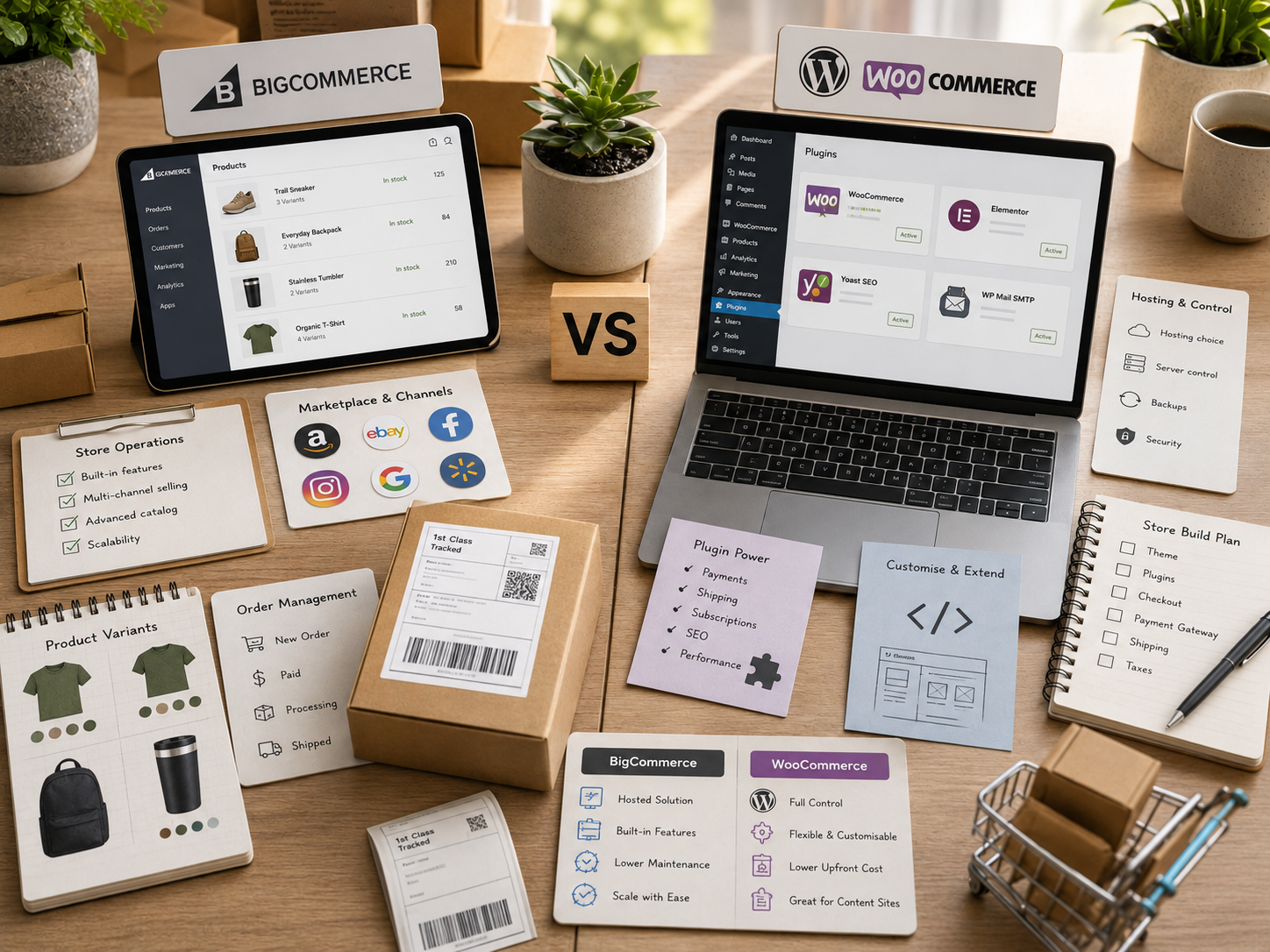
BigCommerce and WooCommerce solve ecommerce problems in very different ways. BigCommerce gives stores managed hosting, checkout, security, infrastructure, and selling tools inside one platform. WooCommerce gives store owners deeper freedom through WordPress, but that freedom brings extra responsibility. Updates, plugins, hosting, backups, and security can turn store management into a bigger job than beginners expect.
Quick Overview
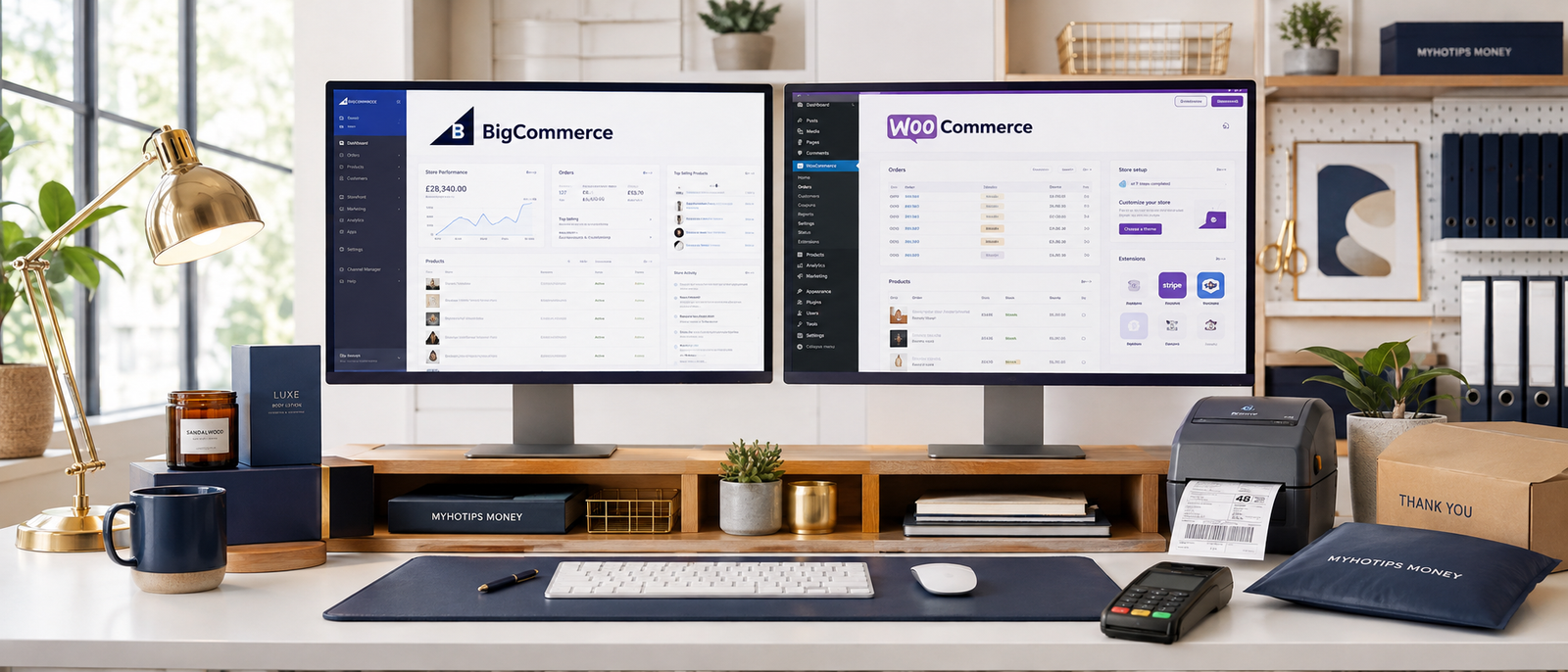
The Biggest Difference Between BigCommerce And WooCommerce
BigCommerce Reduces Technical Responsibility
BigCommerce manages hosting, infrastructure, security, checkout functionality, and core ecommerce systems behind the scenes. That helps store owners avoid constant technical chores during busy trading periods.
WooCommerce Prioritises Ownership And Flexibility
WooCommerce suits businesses wanting deeper design control, plugin freedom, WordPress integration, and more ownership over how the store is built and managed.
BigCommerce Feels More Managed
Store owners using BigCommerce usually spend less time worrying about plugin conflicts, hosting quality, software updates, and routine technical maintenance.
WooCommerce Feels More Customisable
BigCommerce vs WooCommerce comparisons become clearer once businesses decide whether customisation freedom matters more than simpler daily management.
WooCommerce Can Become Technically Heavy
A WooCommerce store may start simply with WordPress, one theme, basic hosting, a few plugins, and a small product catalogue. Growth changes the workload. More products, traffic, plugins, backups, security checks, and performance issues start demanding attention. WooCommerce is powerful, but beginners often underestimate how much responsibility comes with that freedom.
Explore more insights: Shopify vs BigCommerce
BigCommerce Features
Built-In Infrastructure Feels Strong
BigCommerce includes broad ecommerce functionality directly inside the platform, reducing dependence on endless third-party apps for basic selling needs.
Scalability Feels More Comfortable
BigCommerce suits stores handling larger inventories, higher traffic, multi-channel selling, broader catalogues, and more demanding ecommerce operations.
SEO Controls Feel Strong
Ecommerce businesses often choose BigCommerce because technical SEO flexibility feels stronger than many simpler hosted store builders.
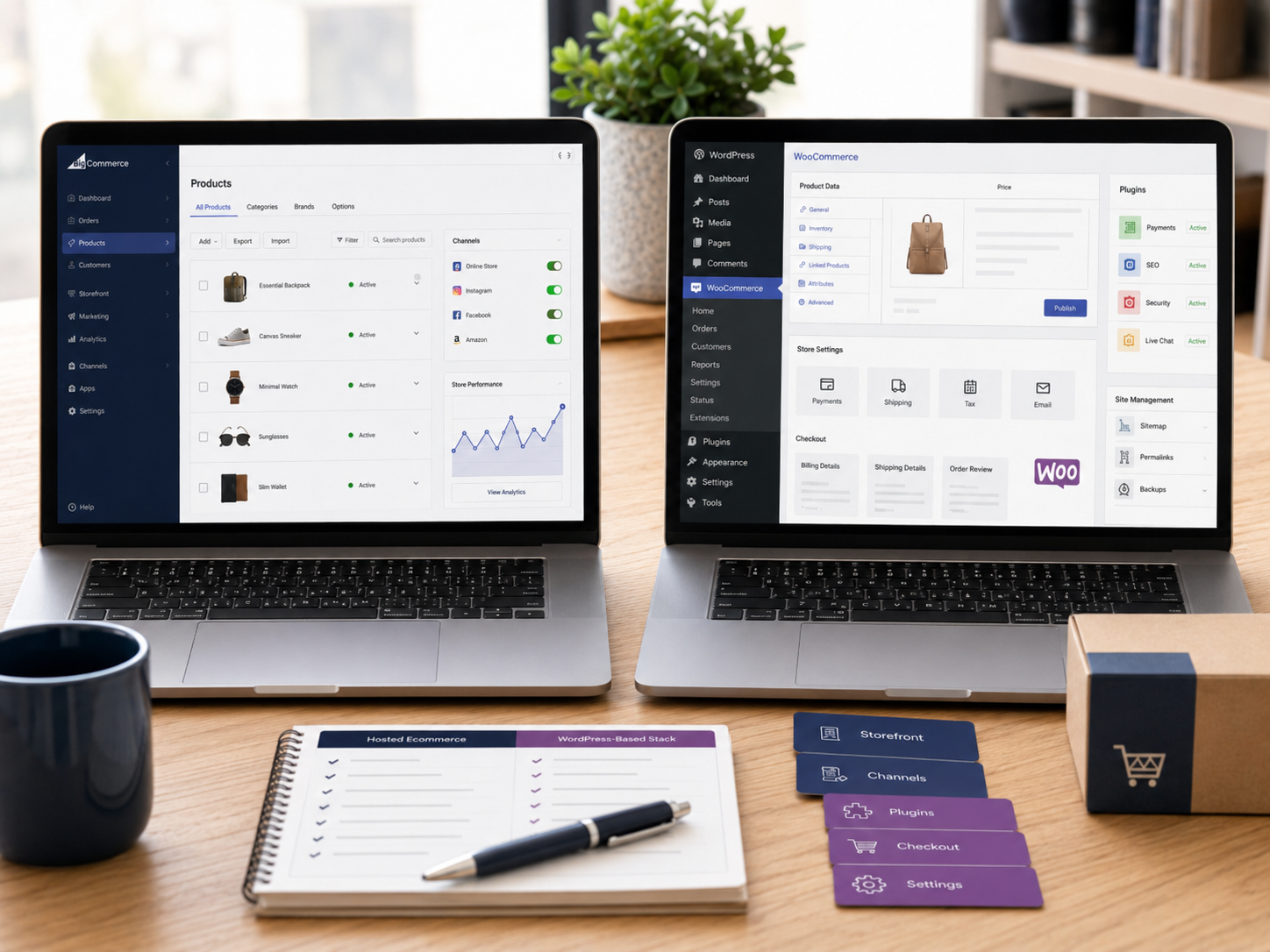
Fewer Plugins Reduce Clutter
Fewer external integrations can mean fewer conflicts, fewer bills, fewer dashboards, and less daily friction when the store becomes busier.
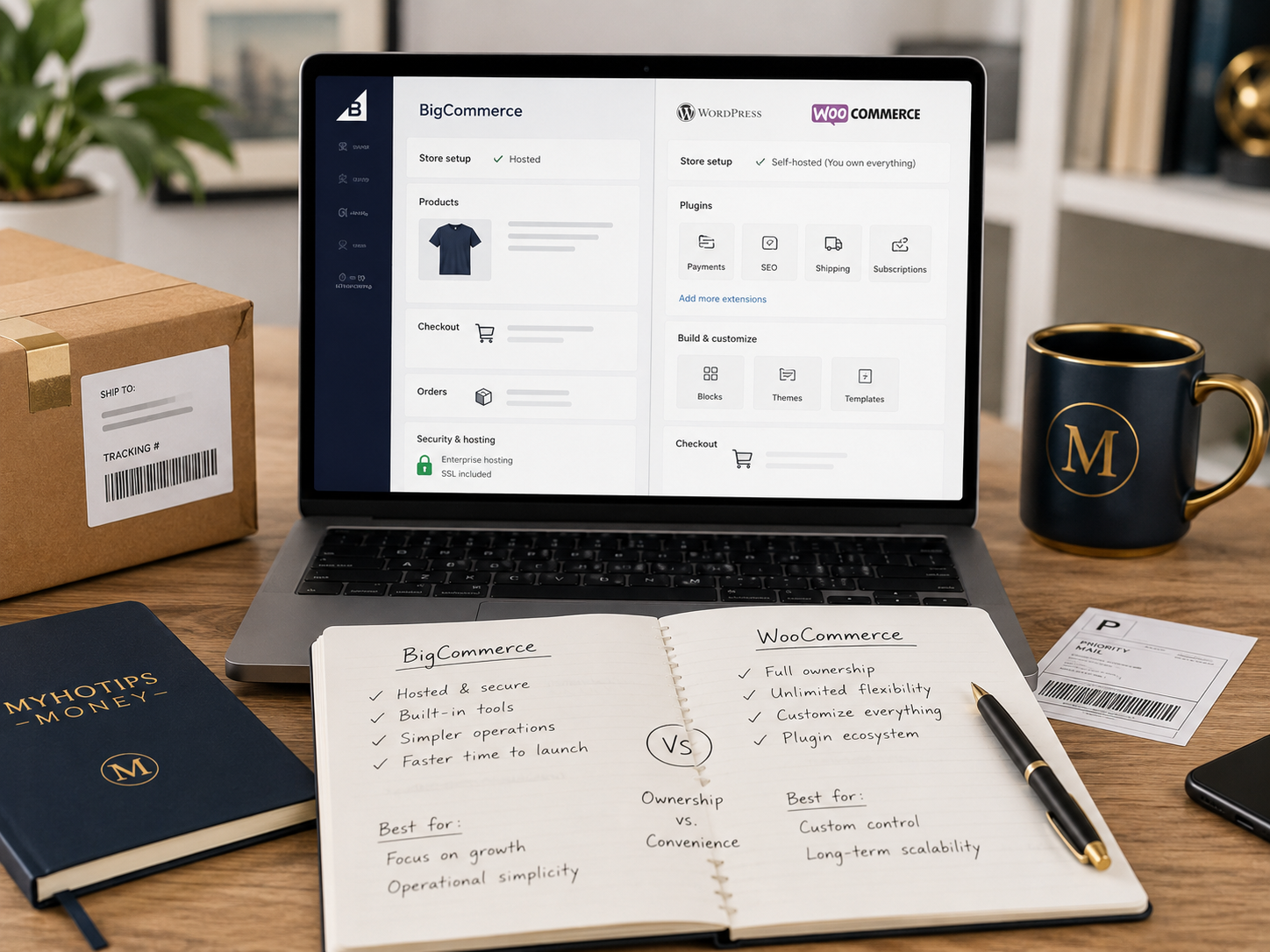
WooCommerce Features
WordPress Integration Feels Powerful
WooCommerce benefits from WordPress flexibility, especially for businesses combining ecommerce with blogging, SEO content, affiliate marketing, custom layouts, and broader publishing strategies.
Design Freedom Goes Much Deeper
WooCommerce gives businesses broader control over themes, layouts, product pages, checkout experiences, and wider storefront customisation.
Plugins Expand Possibilities
The WooCommerce plugin ecosystem lets store owners customise features around specific products, payment needs, customer journeys, marketing tools, and checkout requirements.
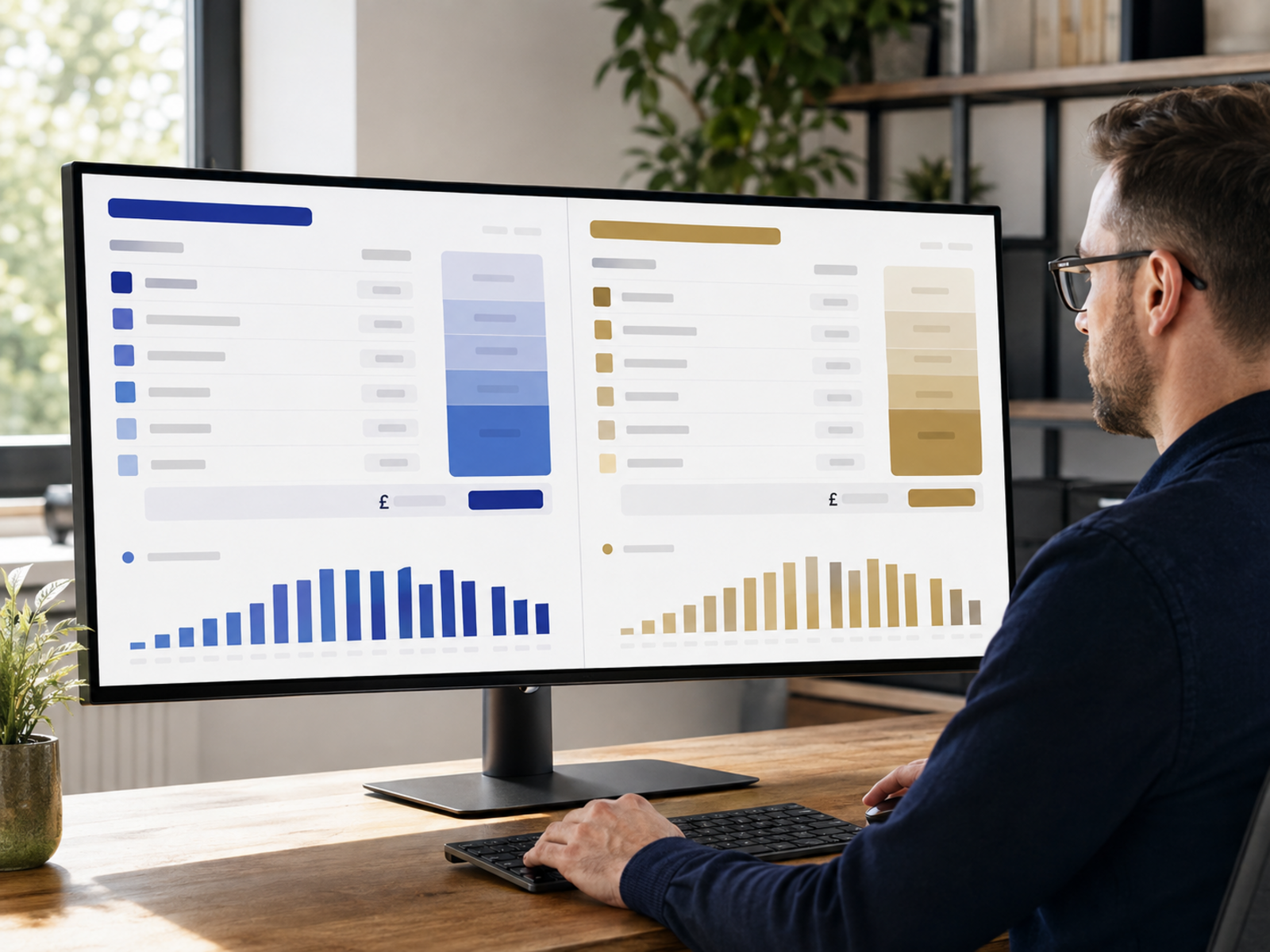
Ownership Appeals To WordPress Users
BigCommerce vs WooCommerce comparisons become more useful once businesses decide how important independent control feels compared with managed simplicity.
Simplicity Becomes Valuable Once Stores Grow
Store owners often start by wanting features, plugins, design freedom, and technical flexibility. Later, maintenance becomes harder to ignore. Plugin updates need checking, hosting performance matters, security requires attention, and troubleshooting steals time from marketing or customer service. BigCommerce reduces technical responsibility. WooCommerce increases control while also increasing ownership. Neither path is wrong, but the workload feels very different.
Frequently read together: BigCommerce review
Which Platform Fits Different Businesses Best?
Growing Ecommerce Businesses
BigCommerce suits stores prioritising scalability, managed infrastructure, lower technical maintenance, and steadier operations during growth.
WordPress-Centered Businesses
WooCommerce suits businesses already invested in WordPress content, SEO publishing, blogging, affiliate marketing, and flexible storefront design.
Businesses Wanting Lower Technical Stress
BigCommerce often feels calmer because hosting, security, performance, and core ecommerce infrastructure stay largely managed behind the scenes.
Businesses Prioritising Flexibility
WooCommerce works better when custom design, plugin freedom, WordPress control, and ownership matter more than reducing maintenance.
Pros And Cons Of BigCommerce And WooCommerce
BigCommerce Pros
BigCommerce Cons
WooCommerce Pros
WooCommerce Cons
FAQs
Is BigCommerce easier than WooCommerce?
Yes. BigCommerce usually feels easier because hosting, infrastructure, security, and core ecommerce systems are managed inside the platform.
Why do businesses choose WooCommerce?
Businesses choose WooCommerce for WordPress integration, deeper flexibility, broader customisation, plugin control, and stronger ownership.
Which platform scales better?
Both can scale successfully, although BigCommerce usually feels lighter to manage because infrastructure remains hosted and managed.
Is WooCommerce cheaper than BigCommerce?
It can appear cheaper initially, but hosting, premium plugins, security tools, maintenance, and developer support may increase costs over time.
Which platform suits beginners better?
BigCommerce often feels less technically stressful over time, while WooCommerce suits beginners who already feel comfortable managing WordPress.
Final Verdict
BigCommerce and WooCommerce represent two different ecommerce paths.
BigCommerce focuses on managed infrastructure, scalability, operational simplicity, and reduced technical maintenance. WooCommerce focuses on flexibility, ownership, customisation, and WordPress freedom. The trade-off is clear. BigCommerce feels more controlled and calmer to manage, while WooCommerce gives businesses more room to shape the store exactly how they want.
Neither platform is automatically better.
The smarter choice depends on whether the business values lower maintenance pressure or deeper customisation freedom once real ecommerce workload starts building daily.


