



Host a Virtual Halloween Party: Audio,…

20 Minimalist Halloween Nail Ideas for…

Can Free Affinity Help You Build…

12 Lower-Sugar Halloween Treat Swaps Worth…

Can Hostinger AI Builder Launch a…

A 5-Step Screen-Free Autumn Reading Ritual…

Plug-In Solar Panels UK: Are They…

15 Last-Minute Zoom Halloween Costumes for…

Meta One Explained: Is the Subscription…

10 Low-Fuss Dog Halloween Ideas: Comfort…

Plaud One Explained: Can AI Earbuds…

9 Gothic Dinner Table Ideas for…

Namecheap vs Dynadot

7 UK Ghost Tours and How…

Convertkit Vs Beehiiv

Do You Really Need a £420…

Bluehost vs Siteground

15 Gentle Spooky Autumn Books to…

Namecheap review

How to Remove Halloween Face Paint…
A budget garden office is not a luxury timber cabin with perfect lighting, expensive cladding and a price tag that needs its own financial adviser. It is a practical separate work zone that helps you stop working from the kitchen table, sofa or bedroom corner forever. The goal is not to build the most impressive room in the garden. It is to create a safe, comfortable, weather-aware space where work can happen without taking over the rest of your home.
Quick Overview
Check rules before building
Weatherproofing matters early
Insulation affects daily comfort
Safe power is not optional
Wi-Fi needs planning
Furniture should support work
Build in sensible stages
Most Relevant Audience
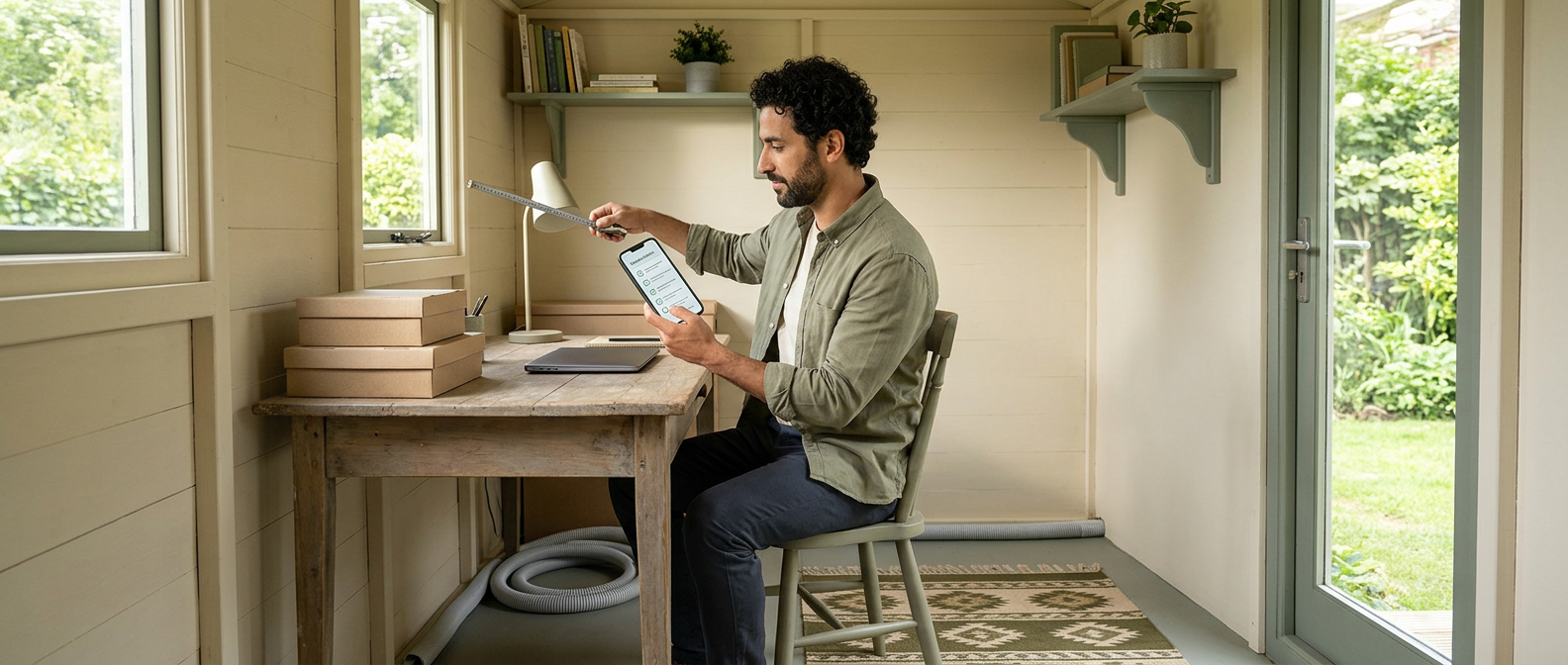
This guide is for remote workers, home workers, freelancers, bloggers, creators, side hustlers, parents, carers and small business owners who want more separation from home life.
It is especially useful if you do not have a spare indoor room, do not want luxury garden-room prices and are tired of turning the dining table into a meeting room every morning.
What A Budget Garden Office Actually Needs
A usable structure
The structure has to keep out rain, wind and damp before it looks stylish.
A bargain shed can become expensive if it leaks, warps, overheats or needs constant repair. Start with the shell: roof, walls, floor, door, windows and weatherproofing. That is where the office either becomes useful or becomes a storage problem with a chair.
A clear legal check
Before building or converting anything, check planning permission, permitted development rules and building-regulation requirements for your location.
In England, some garden outbuildings may fall under permitted development if they meet limits, but planning and building regulations are separate. Always check local rules, especially near boundaries, listed properties, conservation areas, electrics, utilities or larger builds.
Furniture that supports real work
A garden office still needs a proper work setup.
A second-hand desk and chair can save money, but they should still support your posture, screen height and daily tasks. Spend carefully where your body meets the office: chair, desk height, lighting and screen position.

This guide is about creating the budget garden office itself: rules, structure, weatherproofing, insulation, power, internet and the basic work setup. If you already have a usable garden room and want layout ideas, furniture combinations or finished setup inspiration, a garden office setup guide is the better next step.
Planning Permission And Building Rules To Check
Permitted development limits
Some garden offices and outbuildings may be allowed without a full planning application, but only if they meet the relevant limits.
Height, position, size, use, garden coverage and location can all matter. Do not assume “small” automatically means allowed. Check before ordering a kit, converting a shed or pouring a base.
Building regulations
Planning permission and building regulations are not the same thing.
A small outbuilding may not always need building-regulation approval, especially if it is under certain size limits and has no sleeping accommodation. But electrics, insulation, fire safety, structure and use can still raise issues. Check properly before building.
Local advice matters
Treat this as a prompt to check, not legal advice.
Planning permission, permitted development, building regulations, electrics and local restrictions can vary by property, location and use. Confirm the rules before spending money, especially if the build is close to boundaries or your property has restrictions.
Listed homes and conservation areas
If your home is listed, in a conservation area or has special restrictions, the normal assumptions may not apply.
Rules can be tighter, and local guidance matters. Check before buying anything large, visible or difficult to return.
Utilities and access
Think about underground pipes, cables, drains, tree roots, delivery access and future maintenance.
A garden office needs to be reachable, serviceable and safe. Budget planning should include the boring checks because the boring checks are usually where expensive mistakes hide.

The cheapest route is not always the cheapest long-term choice. Poor electrics, damp, weak roofing, bad heating and uncomfortable furniture can turn a budget garden office into an expensive correction project. Save money on finishes, not on the basics that keep the space safe and usable.
Budget Garden Office Options
Shed Conversion Setup
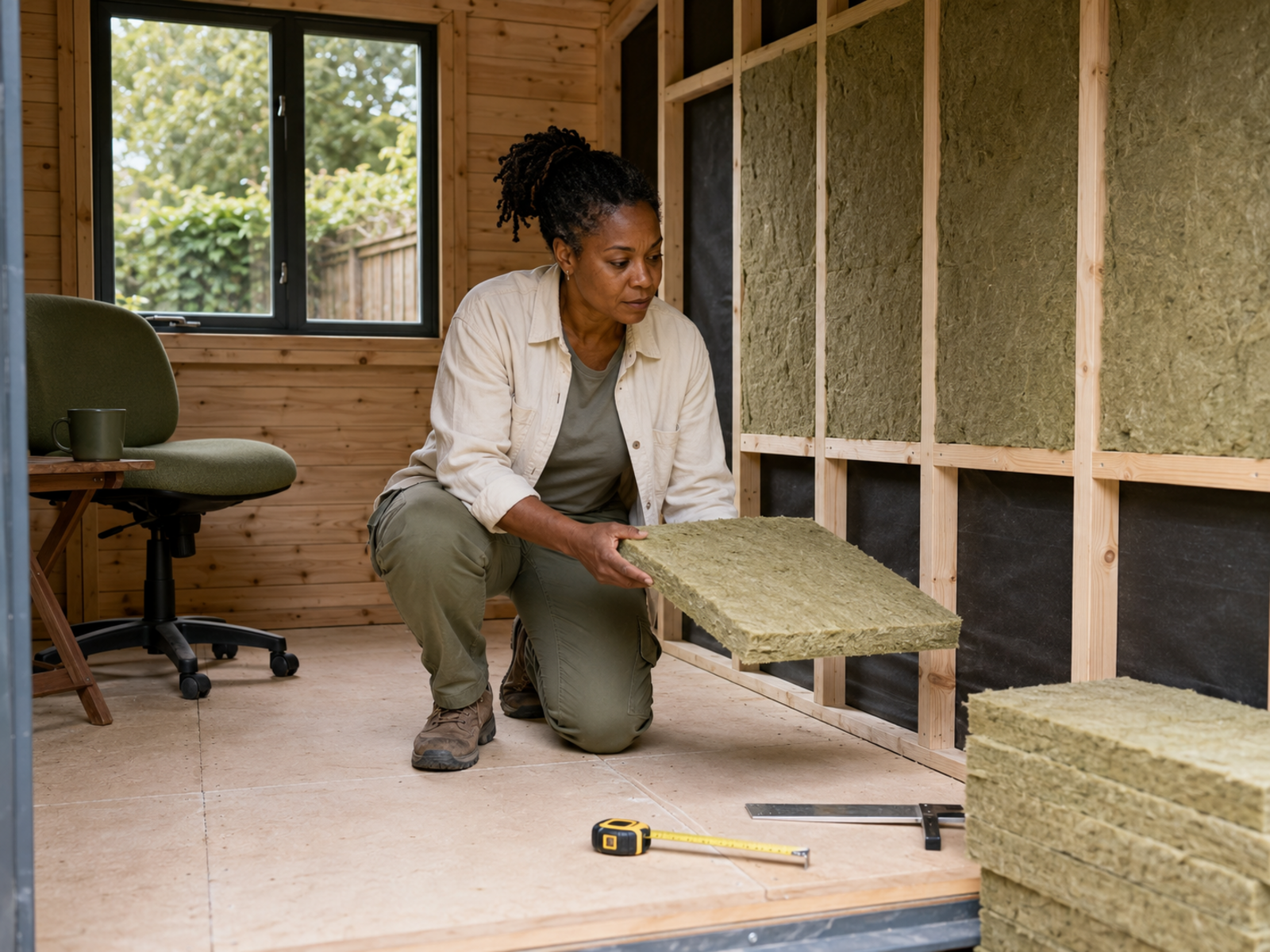
A shed conversion can be the lower-cost DIY route if the structure is sound.
Best for: practical readers who can upgrade flooring, insulation, weatherproofing and internal setup carefully. Skip if: the shed is damp, flimsy or too small for proper work. Fixing a weak shell can cost more than starting better.
Second-Hand Desk And Chair
Second-hand furniture is one of the easiest ways to save money without ruining the setup.
Best for: desks, office chairs, filing units and shelves. Skip if: the chair has no support or the desk height is wrong. A bargain chair is not a bargain if your back complains by lunchtime.
Powerline Adapter Or Mesh Wi-Fi
Powerline adapters or mesh Wi-Fi can help extend internet to a garden office, depending on your home and wiring.
Best for: improving connection without relying on weak garden Wi-Fi. Skip if: the signal is unreliable for video calls. Test before building your whole working life around it.

The things that matter most are not always the things that photograph best. A dry floor, safe power, decent light, reliable internet, insulation and a supportive chair will do more for your workday than decorative finishes you barely use.
How To Build A Budget Garden Office In Stages
Stage one: check the site
Before buying the structure, check where the office will sit.
Look at drainage, shade, access, privacy, distance from the house, Wi-Fi reach, boundary position and whether the ground needs a proper base. A bad location can make every later decision harder.
Stage two: choose the structure
Decide whether a kit, shed conversion or DIY build makes most sense.
A kit may cost more upfront but reduce guesswork. A shed conversion may save money if the shell is already solid. DIY can work, but only if you understand the time, tools and risks involved.
Stage three: make it weather-ready
Focus on keeping the space dry, insulated and protected.
Check roofing, seals, flooring, damp barriers, ventilation and wall insulation. If the office smells damp or feels freezing, you will slowly drift back to the kitchen table.
Stage four: add power and internet
Plan electrics and internet before filling the space with furniture.
Use qualified help where needed, especially for outdoor power. Test Wi-Fi, powerline or mesh options before assuming they will handle client calls, uploads, video meetings or online work.
What To Spend Money On First
Structure and base
Spend first on a structure and base that can handle real weather.
A poor base can lead to movement, damp and uneven flooring. A weak structure may need constant patching. This is not the place to chase the cheapest possible option without checking quality.
Weatherproofing and insulation
Insulation and weatherproofing decide whether the space works beyond mild days.
A garden office that is too cold, too hot or slightly damp will not feel like an office for long. Budget for comfort before styling.
Electrics and lighting
Safe power and good lighting are core work tools.
Do not cut corners on outdoor electrics. For lighting, a good LED desk lamp can make a simple space much easier to use, especially in winter or late afternoon.

Common Budget Garden Office Mistakes
Starting with the nicest-looking kit
A beautiful kit is not automatically the best budget choice.
Check what is included and what still needs paying for: base, insulation, delivery, assembly, electrics, heating, flooring, internet and furniture. The real price is the usable office, not the empty shell.
Underestimating damp
Damp can ruin comfort, furniture, equipment and motivation.
Ventilation, flooring, roofing, sealing and insulation all matter. If a shed already smells damp, do not ignore it because the price is tempting.
Treating electrics casually
Outdoor power needs proper care.
Avoid unsafe extension-lead habits and guesswork. A garden office is still a workspace with devices, heat and lighting. Get qualified advice where needed.
Forgetting summer heat
People often think about winter heating but forget summer overheating.
Small garden buildings can become uncomfortable in direct sun. Think about shade, ventilation, blinds, window position and whether the room will be usable during warmer months.
Buying furniture last with no budget
Furniture is not just a finishing touch.
If you spend everything on the structure, you may end up working on a weak chair at the wrong height. Keep budget aside for the desk, chair, light and storage.
FAQ
How do I create a budget garden office?
Start by checking local planning and building rules, then choose a realistic structure.
Prioritise a dry base, weatherproofing, insulation, safe power, reliable internet, lighting and a supportive chair. Add decoration later. A budget garden office should solve work separation first.
Do I need planning permission for a garden office?
You may not need planning permission for some garden offices, but it depends on size, height, location, use and local restrictions.
Planning rules and building regulations are separate. Check current guidance before building, especially near boundaries, listed homes, conservation areas or larger structures.
Can I turn a shed into a home office?
Yes, you can turn some sheds into a home office if the structure is suitable.
Check damp, roof condition, floor strength, insulation, ventilation, security, power and internet first. A poor shed can cost more to fix than choosing a better starting point.
How much should I spend on a basic garden office?
The right budget depends on the structure, size, groundwork, insulation, electrics, internet, heating and furniture.
Avoid judging only by the advertised shell price. Work out the finished usable cost, including the items that make the space safe and comfortable every day.
How do I get internet to a garden office?
Common options include mesh Wi-Fi, a powerline adapter, Ethernet cable or a dedicated outdoor networking setup.
The best choice depends on distance, walls, wiring, budget and speed needs. Test the connection where the office will be before relying on it for work.
What should I not cut corners on?
Do not cut corners on safety, weather protection, electrics, damp control, insulation, internet reliability or your chair.
Save money on decoration, accessories and non-essential finishes. The office needs to be dry, safe, connected and comfortable before it needs to look impressive.
Final Verdict
A budget garden office works best when it gives you separation, comfort and focus without pretending to be a luxury studio. Start with the rules, structure, base, weatherproofing, insulation, safe power, internet and furniture. A supportive desk chair, practical desk lamp and simple ergonomic accessories can help, but the real win is spending carefully on what affects daily use.
The best budget garden office is not the one that looks most impressive. It is the one you can actually work in through normal weather, normal deadlines and normal messy home life, without turning the garden into a financial event.


