



Domain vs Web Hosting: What Is…

Redbubble vs Printify: Which Print-on-Demand Platform…

Can Free Affinity Help You Build…

Can Hostinger AI Builder Launch a…

Plug-In Solar Panels UK: Are They…

Meta One Explained: Is the Subscription…

Plaud One Explained: UK Price, Plans…

Namecheap vs Dynadot

Kit (ConvertKit) vs beehiiv: Which Should…

Bluehost vs Siteground

Namecheap review

Cloudways Vs WP Engine
Bluehost remains one of the most recognisable hosting providers because it makes launching a website feel less intimidating, but popularity alone does not make it the right choice for everyone. This review explores where Bluehost genuinely performs well, where customers commonly become frustrated, how pricing changes after promotional periods end, and whether it still represents good value for bloggers, freelancers, creators, affiliate marketers, and small business owners building websites today.
Quick Overview
In this review you will learn:
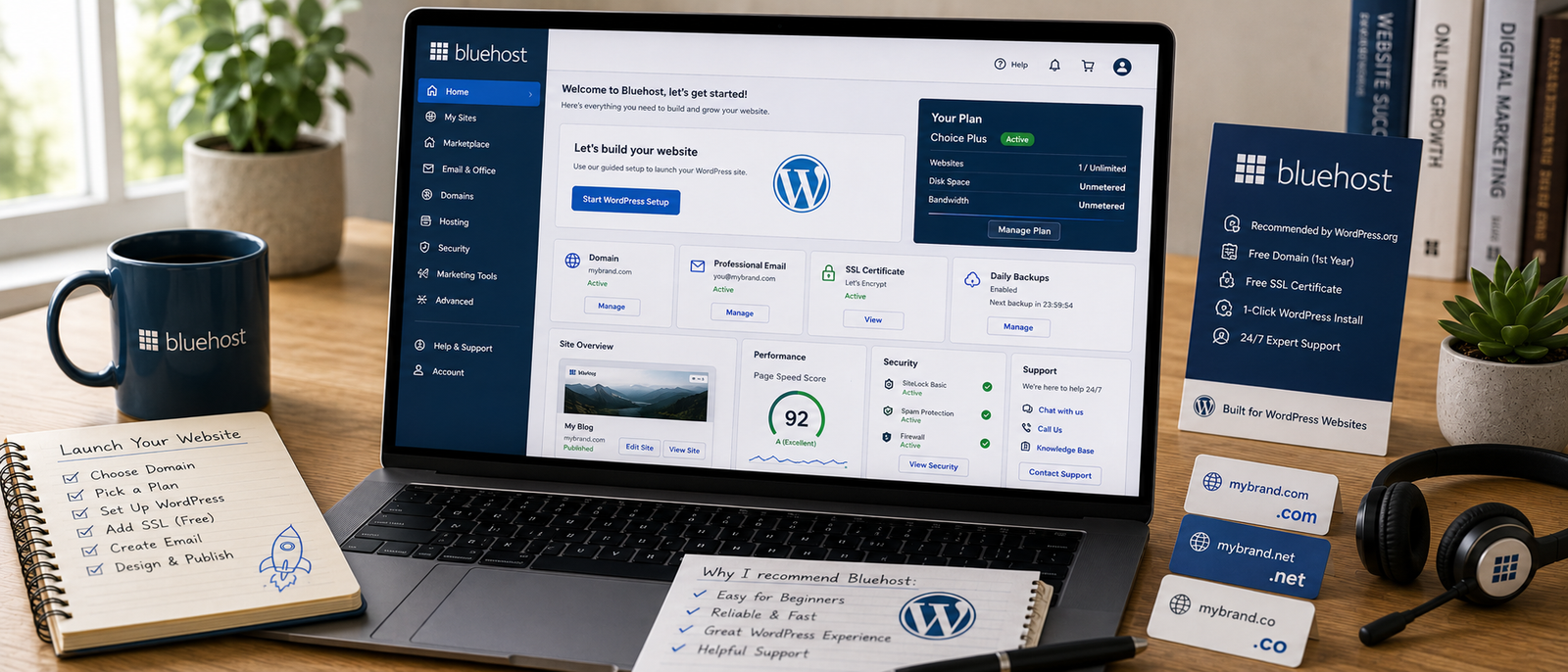
WordPress hosting platform supporting blogs, businesses, and online creators.
Helpful next reads: Best managed WordPress hosting
What Bluehost Actually Does
More Than Just Website Hosting
Bluehost combines web hosting, domain registration, business email, WordPress installation, website management tools, and additional website services within a single account. For beginners, this removes much of the confusion that comes from using multiple providers and makes launching a website feel considerably more manageable.
Built Around WordPress
Much of Bluehost's reputation comes from its close relationship with WordPress users. Bloggers, affiliate marketers, freelancers, service businesses, and content publishers often choose Bluehost because the platform is designed to make WordPress setup, management, and updates straightforward even for non-technical website owners.
Designed For New Website Owners
The onboarding process focuses heavily on simplicity. Rather than expecting customers to understand server settings or hosting terminology, Bluehost guides them through the steps required to launch a website, helping reduce mistakes during the early stages of website ownership.

Beginner website workflow supporting blog and business creation.
Flexible Upgrade Options
Bluehost offers shared hosting, VPS hosting, cloud hosting, and dedicated servers. This allows website owners to begin with a lower-cost plan and upgrade later if traffic increases, helping avoid the disruption of migrating to a completely different hosting provider.
The Biggest Bluehost Advantage
The biggest Bluehost advantage is simplicity. Starting a website often involves domains, themes, plugins, email accounts, SEO tools, analytics platforms, and countless decisions that quickly become overwhelming. Bluehost reduces some of that pressure by keeping important website functions under one roof and guiding users through setup. Experienced developers may care more about infrastructure control, but for someone launching a first website after work, during weekends, or between family commitments, reducing complexity often matters more than chasing marginal performance improvements.
Explore more insights: Blog setup checklist
What Works Well With Bluehost
Strong WordPress Experience
Bluehost's WordPress integration remains one of its strongest assets. Installing WordPress is simple, updates are easy to manage, and there is an enormous amount of online guidance available because so many tutorials assume Bluehost users are following along.
Affordable Introductory Pricing
Promotional hosting plans frequently start between roughly $2 and $4 per month depending on contract length and current offers. This lower entry cost makes Bluehost attractive for side projects, blogs, portfolio websites, and small businesses that want to minimise startup expenses.
NVMe Storage Technology
Several Bluehost plans now include NVMe storage. While most buyers will never care about the technical terminology, the practical benefit is faster access to website files and databases, which can contribute to quicker page loading and a smoother visitor experience.
Suitable For Typical Small Websites
Many websites never require advanced hosting infrastructure. Blogs, local businesses, affiliate websites, portfolio sites, and service-based businesses often fit comfortably within Bluehost's hosting environment without needing more expensive hosting solutions.

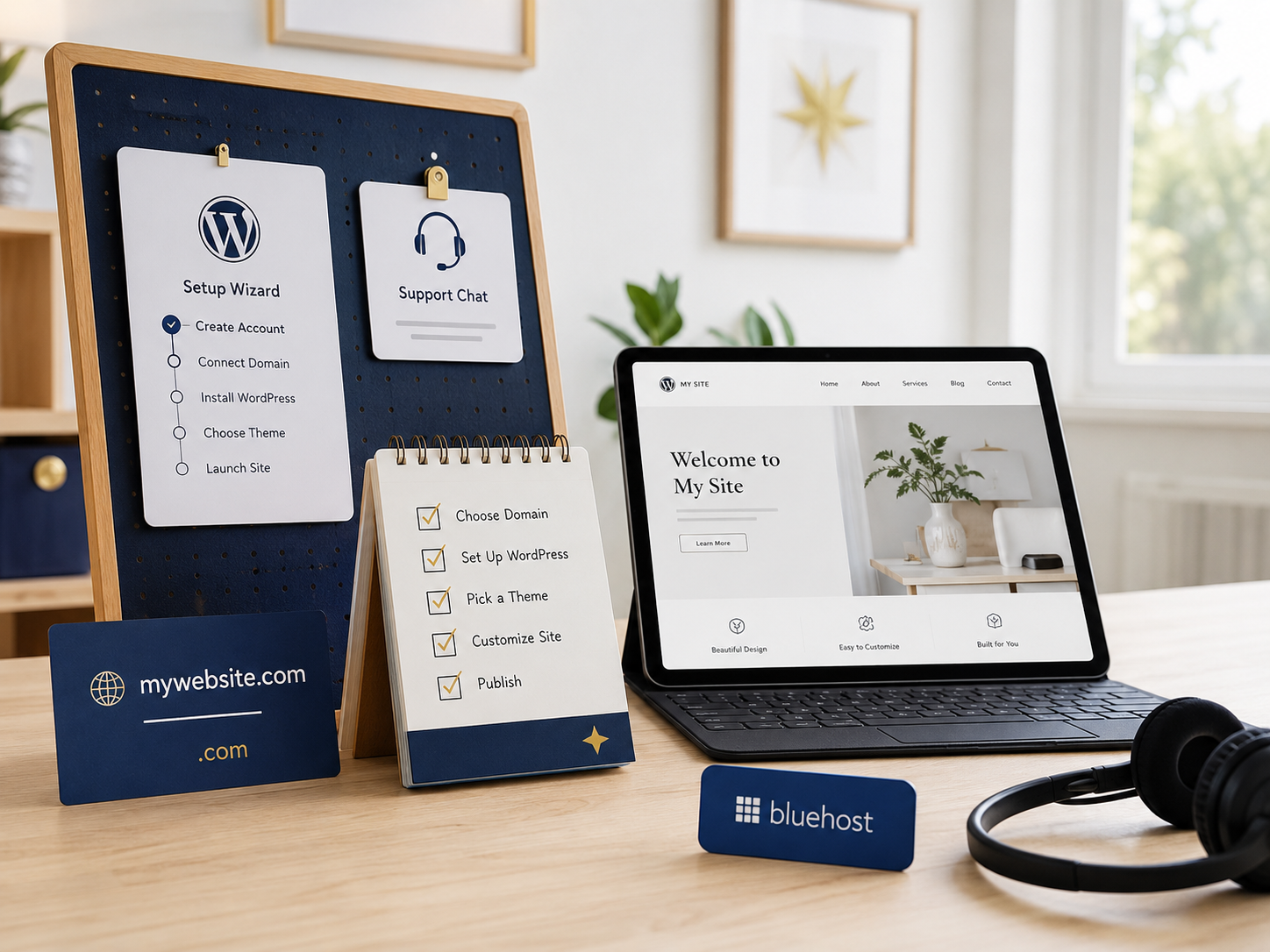
Website management system supporting content publishing workflows.
Where Bluehost Feels Frustrating
Renewal Pricing
The most common criticism involves renewal pricing. Introductory rates are usually much lower than the standard rates charged after the initial term ends. Customers who only focus on the promotional price often experience an unpleasant surprise when renewal time arrives.
Frequent Upsells
Bluehost regularly promotes additional products and services including backups, security tools, marketing features, and premium upgrades. Some customers appreciate having these options available, while others simply want hosting without being presented with additional purchases.
Inconsistent Support Experiences
Customer support reviews are mixed. Some users report quick resolutions and helpful assistance, while others describe slower responses or situations requiring multiple support interactions before an issue is fully resolved.

Advanced Users May Outgrow It
Bluehost focuses heavily on accessibility and ease of use. As websites become larger and more demanding, some users eventually seek greater server control, stronger optimisation tools, specialist support, or more advanced infrastructure than Bluehost typically provides.

Website administration workflow supporting hosting and business tools.
Bluehost Vs Popular Alternatives
Bluehost Vs SiteGround
SiteGround is often praised for customer support quality and performance optimisation. Bluehost typically appeals more strongly to beginners who prioritise straightforward onboarding and a simpler path to launching their first website.
Bluehost Vs Hostinger
Hostinger competes aggressively on pricing and offers a modern dashboard experience. Bluehost benefits from stronger WordPress recognition and a longer track record among beginners entering the website ownership space.
Bluehost Vs Kinsta
Kinsta targets customers willing to pay more for managed WordPress hosting, specialist support, and premium infrastructure. Bluehost generally represents the more accessible option for newer website owners and smaller projects.
Bluehost Vs DIY Cloud Hosting
Cloud platforms offer flexibility and scalability but usually require greater technical knowledge. Bluehost removes much of that complexity, making it attractive for users who would rather focus on publishing content than managing servers.

Who Bluehost Is Best For
Bluehost works particularly well for bloggers, freelancers, affiliate marketers, local businesses, portfolio websites, and creators launching their first serious online project. These users often benefit from having domains, hosting, WordPress management, and email services available through a single provider. The platform becomes less attractive for developers seeking extensive customisation, large ecommerce operations, or businesses with demanding performance requirements. Choosing hosting is not about buying the most powerful solution available; it is about selecting a platform that matches current needs rather than imagined future requirements.
Frequently read together: WordPress vs Webflow
Pros And Cons Of Bluehost
Pros
Cons
FAQs
Is Bluehost good for beginners?
Yes. Bluehost remains one of the easier hosting providers for people launching a first website because setup and WordPress management are relatively straightforward.
Why is Bluehost recommended so often?
Its long-standing relationship with WordPress, strong brand recognition, and beginner-focused approach contribute significantly to its popularity.
Does Bluehost become expensive later?
Often yes. Introductory pricing is usually much lower than renewal pricing, so buyers should compare both before purchasing.
Is Bluehost suitable for business websites?
Yes. Small business websites, portfolios, blogs, and service businesses are all common Bluehost use cases.
What is Bluehost's biggest strength?
Its ability to make website ownership feel approachable for people without extensive technical knowledge.
Final Verdict
Bluehost remains one of the strongest beginner-focused hosting providers available because it reduces friction during the early stages of website ownership. WordPress integration is strong, onboarding is approachable, introductory pricing is attractive, and most small websites will find the platform capable of meeting their needs. The biggest drawbacks involve renewal pricing, occasional support inconsistencies, and limitations that become more noticeable as websites grow. For bloggers, freelancers, affiliate marketers, creators, and small businesses launching a first website, Bluehost continues to represent a sensible and dependable choice.