




Host a Virtual Halloween Party: Audio,…

20 Minimalist Halloween Nail Ideas for…

Can Free Affinity Help You Build…

A 5-Step Screen-Free Autumn Reading Ritual…

Can Hostinger AI Builder Launch a…

15 Last-Minute Zoom Halloween Costumes for…

Plug-In Solar Panels UK: Are They…

10 Low-Fuss Dog Halloween Ideas: Comfort…

Meta One Explained: Is the Subscription…

9 Gothic Dinner Table Ideas for…

Plaud One Explained: Can AI Earbuds…

7 UK Ghost Tours and How…

Namecheap vs Dynadot

Do You Really Need a £420…

Convertkit Vs Beehiiv

15 Gentle Spooky Autumn Books to…

Bluehost vs Siteground

How to Remove Halloween Face Paint…

Namecheap review

Halloween Lighting Ideas That Do More…
Lower-sugar Halloween treats can start with ordinary food: plain yogurt with berry faces, clementine pumpkins and a smaller helping of your favourite chocolate. Add water and something savoury, and the sweet bowl no longer has to do all the entertaining.
These twelve swaps keep the fun without requiring a premium “healthy Halloween” basket. Choose one or two. Nobody needs to spend the party policing the biscuit plate.
Quick Overview
- Keep one favourite sweet and simplify the extras around it.
- Compare sugar per 100 g and in your actual portion.
- Use plain yogurt and fruit instead of sweetened bases.
- Offer water so every drink need not be another treat.
- Check allergies and prepare food for each guest's needs.

Quick Lower-Sugar Halloween Swaps
Start with what is on the table
- A large sweet bowl: offer smaller mixed portions.
- Sweetened yogurt: try plain yogurt with fruit.
- Sugary drinks: make water easy to reach.
Change the extras, too
- A blanket of icing: use a few edible details.
- Only sweet snacks: add a savoury choice.
- A “healthy” label: compare ingredients, portions and price.
Two Checks Before You Shop
Read two numbers
Compare similar foods per 100 g, then check the amount you will serve. For example, a fictional snack with 20 g sugars per 100 g supplies 5 g in a 25 g portion. That is arithmetic, not a recommended serving size.
The nutrition panel shows total sugars. It does not separately tell you how much is free sugar, so read the ingredients too. Added sugar, honey and syrups matter; naturally occurring sugars in whole fruit and plain dairy are different.
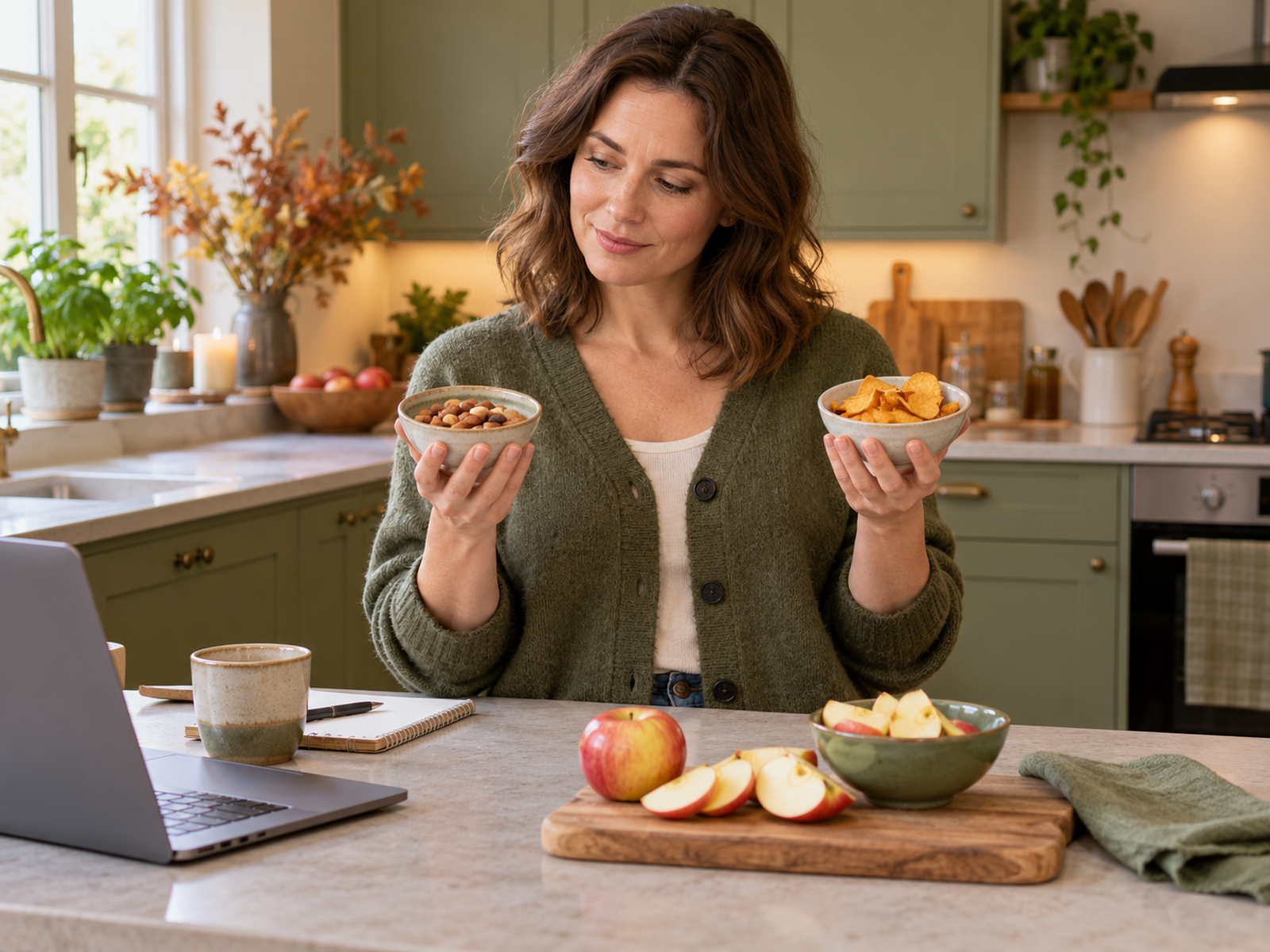
Choose for the people eating
Ask about allergies before preparing shared food. Keep packaging available and use separate utensils where needed. A separate bowl alone does not prevent allergen cross-contact.
Prepare textures for the youngest guest and anyone with swallowing difficulties. These are general ideas, not a prescribed diet. Set a food budget before browsing rather than adding every ingredient here to your basket.
What Sugar Labels Actually Mean
Low sugar and sugar free
Low sugar: UK label guidance uses no more than 5 g sugars per 100 g for solid food, or 2.5 g per 100 ml for drinks.
Sugar free: no more than 0.5 g per 100 g or 100 ml. This does not automatically mean sweetener-free, calorie-free or suitable for everyone. Check the ingredients and any warnings on the pack.
No added sugar and reduced sugar
No added sugar: no added sugars or foods used for sweetening; naturally occurring sugars can remain. It is not the same as low sugar.
Reduced or lower sugar on packaging: a comparative claim subject to rules, including at least 30% less sugar against appropriate similar products. Reduced-sugar products also cannot have more energy than the comparator. Here, the swaps include portion changes and replacing sugary extras; these ideas do not mean every featured food qualifies as low sugar.
Start With Portions and Spreads
1. Swap a large sweet bowl for smaller mixed portions
Put a little of a chosen sweet beside fruit or another familiar snack. Offer more if wanted rather than filling every bowl to the brim. The useful change is a smaller sweet serving, not banning the original food or restricting how much someone can eat.
Adding fruit on top of an unchanged pile of sweets does not remove any sugar. Make the swap where it suits you.
2. Try nut butter instead of a sweet spread
Use a thin layer of unsweetened nut butter on toast or suitably prepared apple instead of a sugary spread. Compare the actual jars and portions. Nuts are a significant allergen, and nut butter is energy-dense; neither fact makes it compulsory or forbidden.
For young children, use a thin spread rather than a spoonful on its own. Choose another idea if nuts do not suit the household.
Let Fruit Supply the Halloween Detail
3. Try plain yogurt with berry faces
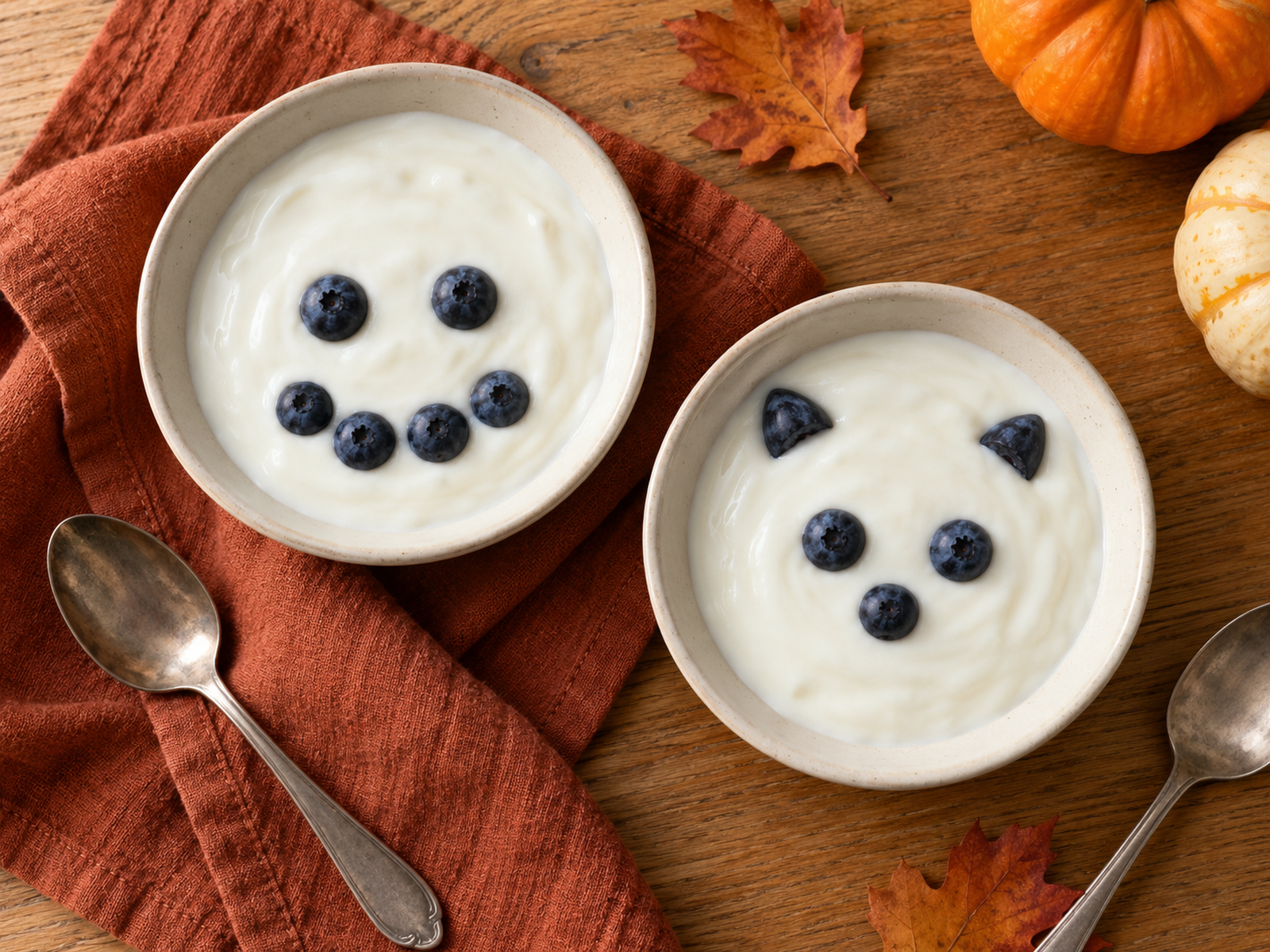
Replace a sweetened yogurt or dessert base with plain yogurt you enjoy, then add fruit. A few blueberries can make a face without a layer of icing. Plain dairy yogurt still contains lactose, its naturally occurring sugar.
For young children, prepare berries in an age-appropriate way rather than copying the photograph unchanged. Dairy-free alternatives vary, so compare ingredients and nutrition rather than assuming every plain pot is equivalent.
4. Make clementines the pumpkin detail
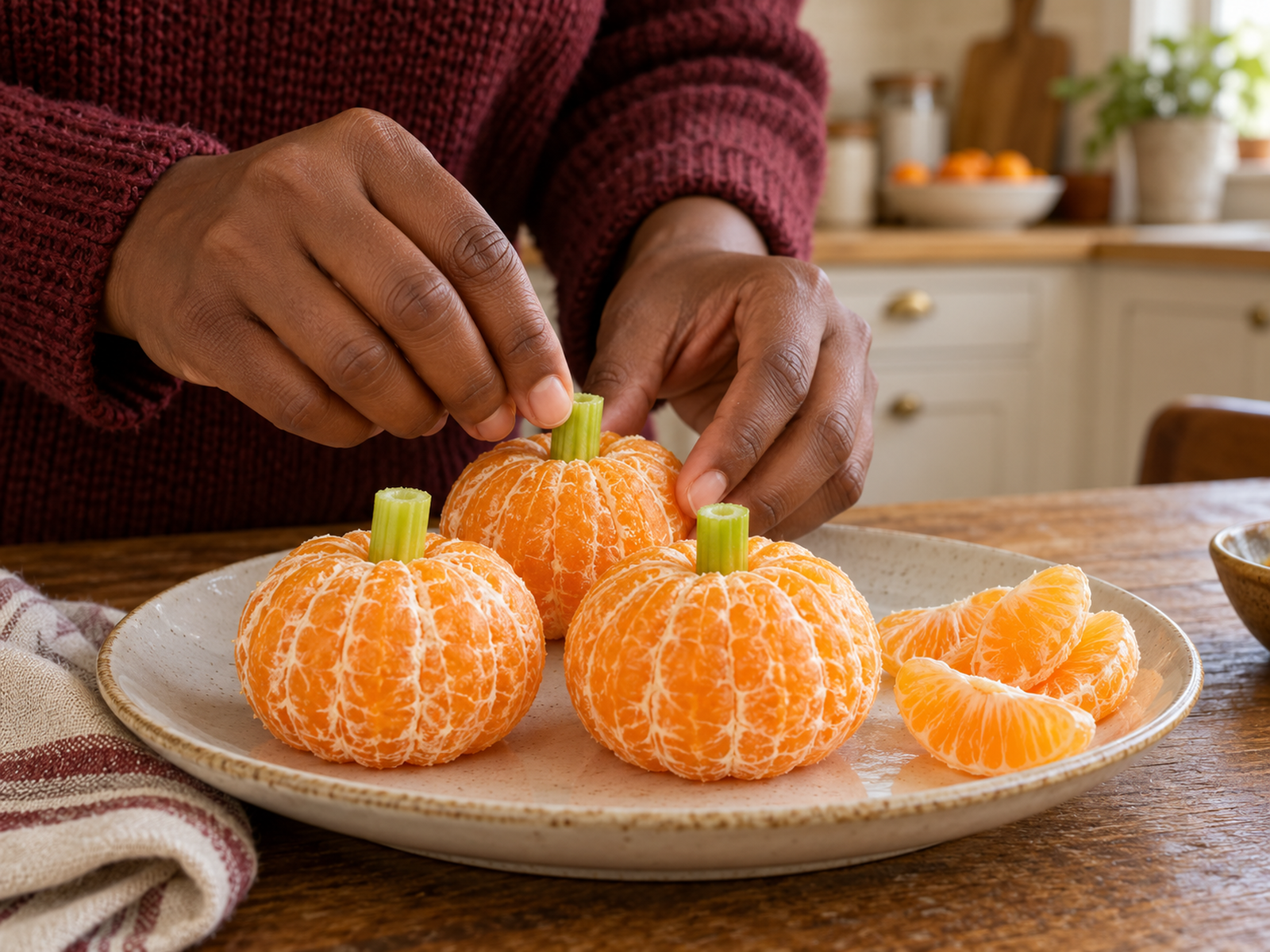
Use peeled clementines with short celery stems instead of some iced party treats. The seasonal shape does the work; no special mould is needed. This is fruit, not a sugar-free sweet.
Remove the firm stem and prepare the segments appropriately before serving to young children. Adults can keep the little pumpkins intact on their own plates. Check celery allergies as well as the more obvious dairy and nut ingredients elsewhere.
Two Ordinary Ingredients to Compare
Pip & Nut Smooth Peanut Butter
The standard smooth peanut butter is a peanuts-and-salt option for a thin spread. No added sugar does not automatically mean low sugar: compare the current jar rather than treating the brand as a nutrition claim. The range includes different recipes, so choose the intended smooth variant.
Use an equivalent jar you already enjoy if it suits your household. Check peanut and tree-nut allergy information before serving.
Yeo Valley Natural Yogurt
The whole-milk Natural Yogurt is a plain base for fruit. The current 450 g tub is shown in the advert; this is not the Greek-style or 0% version. It contains milk and naturally occurring sugar.
Choose an amount you will use, keep it refrigerated as directed and compare the unit price with your usual supermarket equivalent. Organic branding is not a reason to spend more than your plan allows.
Keep Crunch and Chocolate on the Menu
5. Compare dark chocolate with your usual choice
A higher cocoa percentage can taste more intense, but it does not guarantee a low-sugar product. Compare labels and similar portions before swapping. If the dark option has no less sugar in the amount you want, it is a flavour change rather than a sugar reduction.
Keep enough sweetness for the snack to be enjoyable. Bitterness is not an achievement badge.
6. Swap coated popcorn for plain popcorn
Plain popcorn can replace a caramel-coated bowl for adults and older children who can eat it safely. Skip the automatic syrup drizzle and remove unpopped kernels before serving. Follow the pack's cooking instructions.
Do not give popcorn to babies or young children, as NHS guidance explains. It is a choking hazard, not a family-wide default. Offer appropriately prepared softer food instead, and follow individual swallowing advice where relevant.
Change the Drink and the Decoration
7. Keep the drink unsweetened
Offer water alongside the food instead of making sugary punch the only choice. Plain milk may be another option for children where suitable. A fruit-themed label does not tell you the sugar content, and juice is not the same as whole fruit.
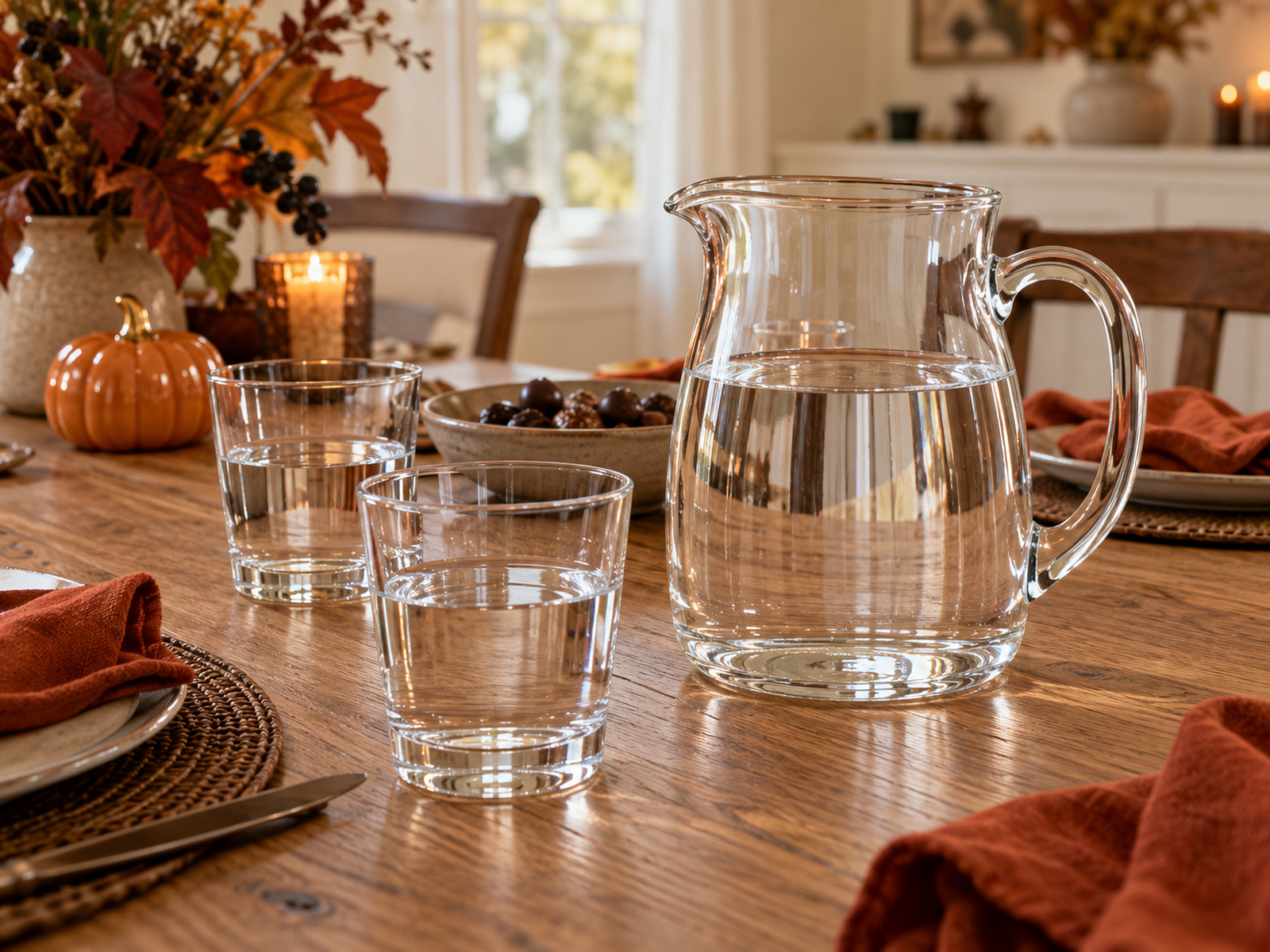
For one easy change, keep the drink simple and let the sweet food be the treat. A normal jug is enough; you do not need a themed bottle.
8. Use a few edible details instead of icing
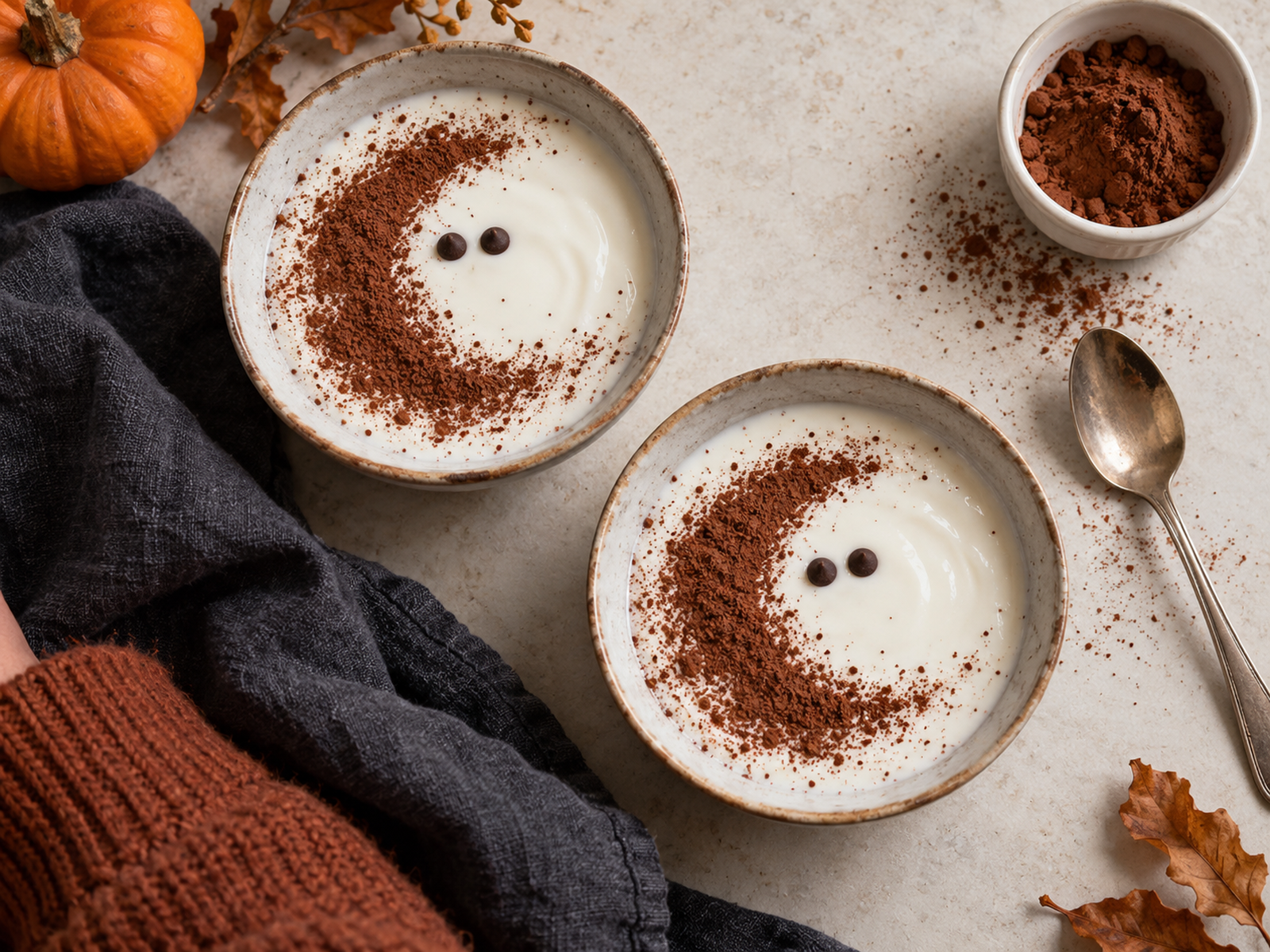
Two small chocolate-chip eyes can make a plain snack look suitably spooky. Keep the decoration small rather than coating the whole surface. Count the chips as part of the snack, not as invisible garnish.
Use only food-safe ingredients in contact with food. Paper bats can sit elsewhere on the table; they do not need to perch in anyone's yogurt.
Optional Crunch and a Chosen Treat
Waitrose Popcorn Maize
This 500 g pack contains unpopped maize for cooking at home. It gives you control over whether you add a sweet coating. Follow the hob instructions, never eat the kernels raw, and check the current allergy warning, including possible cereals containing gluten.
A cupboard ingredient is useful only if you will cook it. Use a suitable ready-popped plain option if that better fits the evening. Popcorn is not for babies or young children.
Hotel Chocolat 85% Dark Batons
These are an optional premium chocolate for someone who enjoys an intense cocoa flavour. The baton format makes individual pieces easy to serve, but the cocoa percentage does not establish a low-sugar claim.
Compare the pack with the chocolate you would otherwise buy. There is no need to pay a premium to make this article work, and you do not need a second chocolate if a favourite is already on the menu.
Finish the Table Without More Sweetness
9. Replace one sweet snack with a savoury option
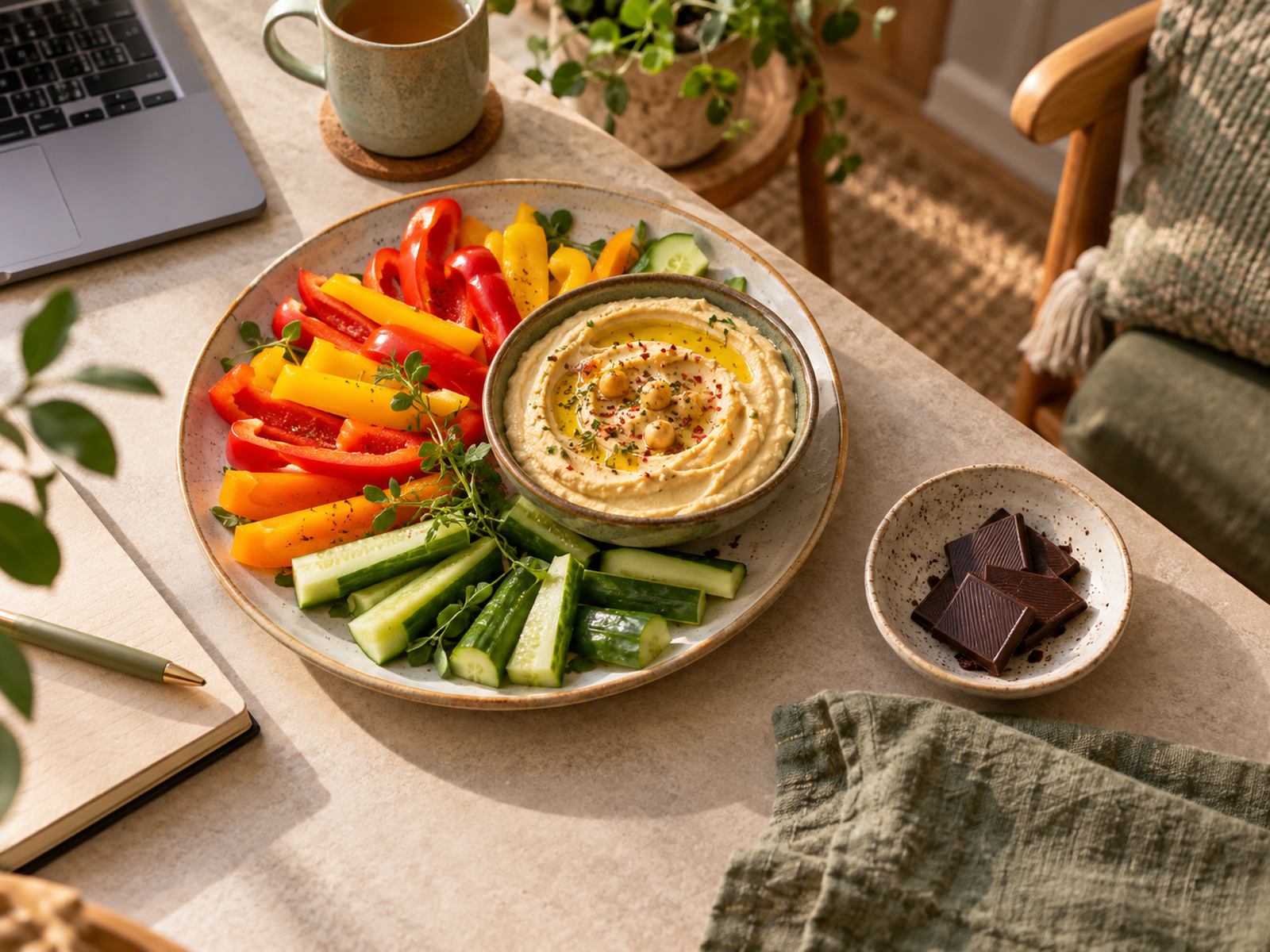
Hummus, suitably prepared vegetables or cheese can replace one of several sweet dishes. This gives guests a different flavour without promising to prevent an energy crash. Check allergens and keep chilled foods according to their storage instructions.
If the gathering falls at dinner time, offer actual food rather than expecting a snack table to do every job.
10. Swap an icing-topped bar for a plain base
Try a plain oatcake or toast triangle with a suitable topping instead of an iced seasonal snack bar. Compare your actual options and amounts; this is not a claim that every oatcake beats every bar.
Organic, keto and “natural” labels do not settle the sugar question. Check the total cost too. A multipack is poor value if nobody enjoys what is left.
11. Replace a syrup drizzle with spice or cocoa
A light dusting of cinnamon or unsweetened cocoa can flavour yogurt instead of honey, syrup or sweetened drinking-chocolate powder. Choose a flavour you enjoy and use a small culinary amount mixed into food.
This changes what you add, unlike a silicone mould, which changes only the shape. Cocoa and cinnamon cannot make an otherwise sugary recipe low in sugar.
12. Keep one favourite and drop an extra
If one particular sweet makes Halloween for you, keep it. Simplify a sugary drink, topping or second dessert instead of buying a supposedly virtuous replacement nobody wants.
Plan the snack table before shopping: one familiar treat, a plain base or fruit, and a savoury choice can be enough. These are options for your own gathering, not rules to impose on guests.
The Practical MyHotips Verdict
Pick the easiest change first
Start with water beside the food, then change one sweetened base or topping. Use the bowls and ingredients you already have. Four product examples are here to help compare formats, not to turn twelve ideas into twelve purchases. A good Halloween evening can include ordinary sweets and a little less fuss.
More Ideas
Take snacks back to the workday
For everyday desk-side choices beyond Halloween, use our separate guide to realistic home-working snacks.
Reuse the seasonal details
Let a few reusable decorations carry the theme while the food stays simple.
Frequently Asked Questions
What counts as low sugar in the UK?
For solid foods, no more than 5 g total sugars per 100 g. For drinks, the limit is 2.5 g per 100 ml. These label thresholds differ from simply serving less of a food.
Is no added sugar the same as low sugar?
No. Naturally occurring sugar may still be present. The ingredients and total-sugars figure answer different questions, so check both.
Are sugar-free Halloween sweets automatically healthier?
No. Check sweeteners, allergens, portion size and any warnings, as well as whether you enjoy them. You do not have to replace ordinary sweets with specialist sugar-free products.
Are fruit-based treats lower in sugar?
It depends on the recipe, amount and comparison. Whole fruit contains naturally occurring sugar; adding icing, syrup or juice concentrate changes the finished snack. Fruit-based does not mean sugar-free.
What are easy lower-sugar Halloween treats for children?
Plain yogurt with appropriately prepared fruit or peeled clementine segments are simple starting points. Adapt size and texture to the child, check allergies and supervise eating. Skip popcorn for babies and young children.
Is dark chocolate lower in sugar than milk chocolate?
It can be, but compare the actual labels and portions. A high cocoa percentage alone is not a low-sugar guarantee.
Which drink makes the simplest swap?
Water is a straightforward replacement for a sugary drink. Plain milk is another option for children where suitable. Juice and sweetened “fruit” drinks should not be treated as interchangeable with whole fruit.
Are nut butters low in sugar?
Some may qualify and others do not. Even a peanuts-and-salt recipe can sit above the low-sugar threshold because of naturally occurring sugars. Compare the specific jar and check allergy information.
Can someone with diabetes use these ideas?
Possibly, but sugar content alone does not determine suitability. Follow your own carbohydrate, medication and meal-planning advice. Diabetes UK has Halloween guidance; your healthcare team can help adapt choices to your management plan.
What if I only want to change one thing?
Offer water alongside the treats, or replace one sweetened base with a plain version. Keep the rest familiar. No snack can guarantee steady energy or concentration throughout the evening.


