



Host a Virtual Halloween Party: Audio,…

20 Minimalist Halloween Nail Ideas for…

Can Free Affinity Help You Build…

12 Lower-Sugar Halloween Treat Swaps Worth…

Can Hostinger AI Builder Launch a…

A 5-Step Screen-Free Autumn Reading Ritual…

Plug-In Solar Panels UK: Are They…

15 Last-Minute Zoom Halloween Costumes for…

Meta One Explained: Is the Subscription…

10 Low-Fuss Dog Halloween Ideas: Comfort…

Plaud One Explained: Can AI Earbuds…

9 Gothic Dinner Table Ideas for…

Namecheap vs Dynadot

7 UK Ghost Tours and How…

Convertkit Vs Beehiiv

Do You Really Need a £420…

Bluehost vs Siteground

15 Gentle Spooky Autumn Books to…

Namecheap review

How to Remove Halloween Face Paint…
Every website you visit on the internet relies on web hosting. Whether it’s a personal blog, an ecommerce store, or a large corporate website, all websites need a place where their files and data are stored so that visitors can access them online.
Web hosting is the service that makes this possible.
When you create a website, all of your pages, images, databases, and content must be stored on a server connected to the internet. Hosting providers operate these servers and make it possible for your website to be available to visitors around the world.
Understanding how hosting works is an important step when launching a blog or building an online business.
In this guide we’ll explain what web hosting is, how it works, and how to choose the right hosting provider for your website.
Quick Overview
In this guide we’ll explore the most important concepts behind web hosting.
What Web Hosting Is
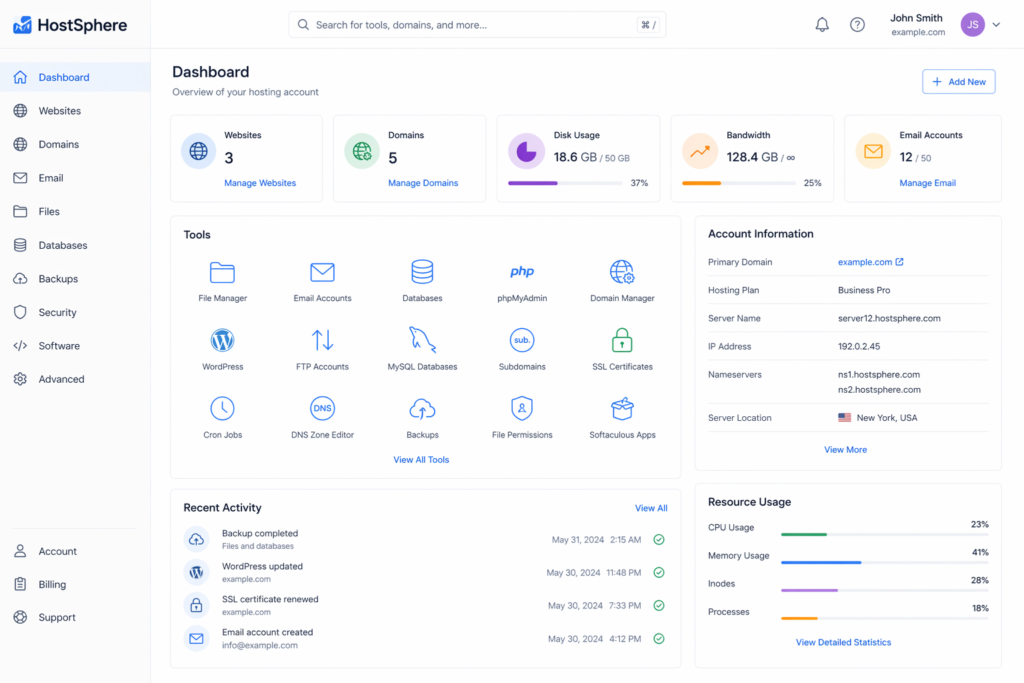
Web hosting is a service that stores your website’s files on servers so that people can access them through the internet.
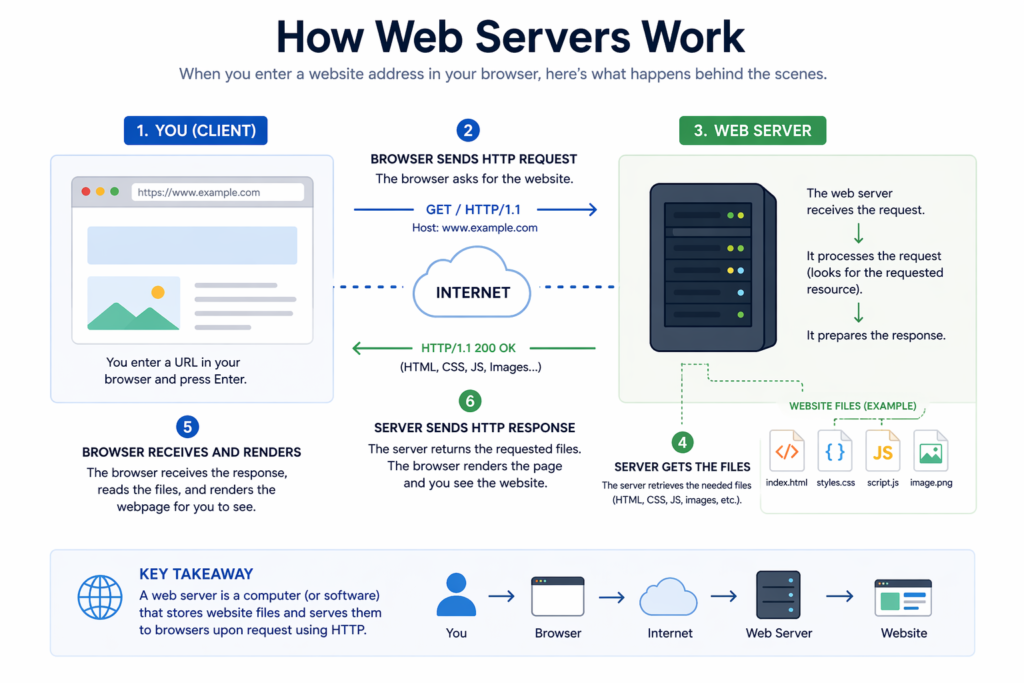
When someone types your website address into a browser, the browser sends a request to the server where your website is hosted. The server then sends the website’s content back to the visitor’s device so the page can be displayed.
In simple terms:
Your website files → stored on hosting servers → delivered to visitors when requested.
Without hosting, your website would not be accessible online.
If you’re planning to build a website from scratch: Blog Setup Checklist
How Web Hosting Works
Web hosting providers operate large networks of servers connected to the internet.
When you purchase hosting, you are essentially renting space on one of these servers.
The process typically works like this:
Because hosting providers maintain the infrastructure, website owners do not need to manage physical servers themselves.
Types of Web Hosting
Shared Hosting
Shared hosting is the most common type used by beginners.
With shared hosting, multiple websites share the same server resources.
Advantages include:
However, performance may be limited if many websites share the same server.
Managed WordPress Hosting
Managed WordPress hosting is specifically optimized for WordPress websites.
Hosting providers handle tasks such as:
This allows website owners to focus on managing content rather than server maintenance.
Related guide: Best Managed WordPress Hosting
VPS Hosting
Virtual Private Server (VPS) hosting provides dedicated resources within a shared server environment.
This type of hosting offers better performance and control than shared hosting.
VPS hosting is commonly used by:
Dedicated Hosting
Dedicated hosting provides an entire physical server for a single website or organization.
This type of hosting is typically used by:
Dedicated servers provide maximum performance but are more expensive than other hosting types.
Popular Web Hosting Providers
Hostinger
Hostinger is a popular hosting provider known for affordable plans and beginner‑friendly tools.
Learn more: Hostinger Review
Bluehost
Bluehost is another widely used hosting provider, particularly among WordPress users.
Continue here: Bluehost Review
SiteGround
SiteGround is known for strong performance and customer support, especially for WordPress websites.
Helpful next read: SiteGround Review
Web Hosting Providers
scroll to see our host comparison table
Pros and Cons of Web Hosting
Advantages
Web hosting services provide several benefits.
Advantages include:
These services allow website owners to focus on building their content.
Where Hosting Services Fall Short
Despite their importance, hosting services can have limitations.
Limitations include:
Choosing the right hosting provider helps avoid these issues.
Who Web Hosting Is For
Web hosting services are used by:
Anyone with a website requires hosting to make it accessible online.
Free Resource: Blog Setup Checklist
🎁 Free Guide: Blog Setup Checklist
If you want to launch your own blog or website, download the Blog Setup Checklist.
Inside the guide you'll learn how to:
Affiliate Tool Recommendation
Choosing the right hosting provider is one of the most important steps when launching a website.
see our comparisons at the bottom of this page
Final Verdict
Web hosting is the foundation that makes every website on the internet possible.
By storing website files on servers and delivering them to visitors when requested, hosting providers ensure that websites remain accessible and functional.
Choosing the right hosting provider depends on your website’s size, traffic expectations, and technical requirements.
Understanding the different hosting options available can help you select the best solution for your online business.
FAQs About Web Hosting
What is web hosting?
Web hosting is a service that stores website files and makes them accessible online.
Do I need web hosting to start a blog?
Yes. Every blog requires hosting so visitors can access it on the internet.
What type of hosting is best for beginners?
Many beginners start with shared hosting or managed WordPress hosting.
Can I change hosting providers later?
Yes. Websites can usually be migrated to new hosting providers if needed.
Web Hosts and Their Pricing Tiers Compared
We Compare Web Hosting Plans